

Loading, please wait...
Loading, please wait...

Adolescents in low- and middle-income nations frequently face severe social adversities, including armed conflict, displacement, and extreme economic deprivation. Because these chronic hardships coincide with vital biological, social, and emotional transitions, youth exhibit high susceptibility to psychiatric disorders. To mitigate this escalating global crisis, international health agencies created the WHO EASE intervention. This manualized initiative equips distressed adolescents and their caregivers with evidence-based behavioral strategies through community-based task sharing. Recently, researchers published a comprehensive systematic review that evaluates the clinical efficacy, safety, and real-world implementation of this global psychological protocol.
The WHO EASE intervention provides a structured, ten-session psychological curriculum for adolescents aged ten to fifteen years experiencing internalizing distress. Specifically, the model includes seven youth group meetings alongside three dedicated caregiver sessions. Program architects adapted core components from cognitive behavioral therapy so that non-specialist community workers can deliver them safely and effectively. Consequently, adolescent sessions concentrate on four foundational strategies: emotional psychoeducation, slow breathing exercises for somatic relaxation, behavioral activation routines, and practical problem-solving skills.
Meanwhile, the caregiver component seeks to foster supportive household environments that enhance youth emotional recovery and resilience. Facilitators guide parents through active communication, positive praise, and non-punitive discipline while managing parental stress. Because traditional psychiatric specialists remain scarce across low-resource settings, this task-sharing approach bridges immense health system deficits. Thus, health organizations consider the program a vital blueprint for scalable global mental healthcare delivery. However, evaluating whether this low-intensity program yields durable symptom reduction requires rigorous clinical validation across varied cultural and socioeconomic settings.
To evaluate the true clinical value of the program, investigators conducted a rigorous systematic review and multilevel meta-analysis registered under CRD42023488490. The authors systematically searched five major biomedical databases through July 26, 2025. They identified randomized controlled trials evaluating youth psychological distress and parenting outcomes in humanitarian settings. Furthermore, the review captured quantitative clinical trials and qualitative process evaluations conducted in low-resource environments worldwide.
Methodologically, the analysts applied random-effects multilevel models to calculate standardized mean differences across essential evaluation milestones. They recorded symptom changes immediately post-intervention and at three-month follow-up visits to gauge therapeutic stability. In addition, the authors synthesized qualitative implementation outcomes using established public health assessment frameworks. These outcomes included treatment acceptability, administrative feasibility, facilitator fidelity, participant reach, and programmatic sustainability. Therefore, this rigorous dual-method approach provides pediatricians and mental health professionals with an unbiased assessment of the intervention in challenging humanitarian contexts.
The quantitative meta-analysis yielded nuanced clinical findings that provide clear guidance for child healthcare practitioners. Most notably, the data demonstrated no statistically significant superiority for the complete intervention over single-session psychoeducation regarding general mental distress. Similarly, the multi-session program showed no significant advantages for secondary caregiver parenting behaviors or generalized functional outcomes.
Nevertheless, the primary outcome evaluation revealed meaningful therapeutic gains. The meta-analysis established strong evidence of a small favorable effect on adolescent internalizing symptoms at the post-intervention assessment. Specifically, the pooled standardized mean difference reached -0.17 with a 95% confidence interval between -0.31 and -0.04. Furthermore, longitudinal data confirmed that adolescents preserved this symptom improvement at the three-month follow-up assessment. Even though this effect size remains modest, subtle reductions in anxiety, persistent worry, and depressive symptoms can offer meaningful relief to distressed adolescents. However, these outcomes remain smaller than effects seen in adult task-sharing interventions, highlighting clear opportunities for programmatic optimization and refinement.
Beyond therapeutic efficacy, the systematic review analyzed critical operational indicators across diverse real-world settings. Qualitative findings showed that the intervention achieved high feasibility and broad acceptability among youth, parents, and community leaders. Furthermore, non-specialist community workers delivered the sessions with impressive fidelity under regular weekly supervisory support.
Additionally, participating adolescents appreciated acquiring practical emotional regulation tools, such as slow diaphragmatic breathing and behavioral activation routines. These structured techniques helped youth understand distressing feelings, overcome passive withdrawal, and build peer solidarity. Moreover, the group dynamic normalized emotional distress, which progressively dismantled social mental health stigma across affected communities. Adolescents shared challenges openly while developing mutual empathy and collaborative coping skills in a secure environment. Consequently, the review verified that community non-specialists can execute group mental health interventions safely and faithfully in resource-constrained environments.
Despite operational strengths, the qualitative analysis highlighted substantial implementation barriers that restricted overall programmatic success. Most notably, low caregiver engagement emerged as a chronic impediment across trial sites. Although adolescent attendance remained consistently high, adult caregivers faced severe socioeconomic constraints that prevented reliable attendance. Extreme poverty, relentless daily labor, and domestic duties often forced parents to prioritize basic survival over parenting groups.
Furthermore, contextual challenges in conflict zones disrupted session continuity. Armed violence, sudden community displacement, and transportation hurdles repeatedly interrupted scheduled meetings. In addition, some caregivers voiced hesitation regarding community non-specialists due to confidentiality worries and community gossip. Because supportive home environments heavily influence youth resilience, poor caregiver attendance diminished the broader impact of the family module. Therefore, future program designs must incorporate flexible scheduling, localized incentives, and home outreach to sustain family involvement. Moreover, researchers should conduct high-quality pragmatic trials to refine session content and maximize public health impact across diverse populations.
The WHO EASE intervention aims to reduce internalizing distress, including anxiety and depression, among adolescents aged ten to fifteen living in adversity. It utilizes a ten-session group format led by trained non-specialists, delivering cognitive behavioral strategies to youth while equipping caregivers with positive parenting tools to foster supportive home environments.
Recent meta-analytic evidence shows that the program produces a statistically significant, small reduction in adolescent internalizing symptoms compared to control conditions. This favorable improvement persists through three months of follow-up. However, the intervention did not demonstrate superiority over single-session psychoeducation for overall distress, suggesting that substantial potential for programmatic optimization remains.
Implementation studies reveal that while non-specialists achieve strong intervention fidelity, low caregiver engagement represents a persistent barrier. Severe economic poverty, demanding domestic labor, and lack of transportation hinder parental attendance. Furthermore, ongoing armed conflict, acute community displacement, and localized psychological stigma create significant logistical hurdles that impede regular, uninterrupted session delivery.
Disclaimer: This content is for informational and educational purposes only and does not constitute formal medical advice. Healthcare professionals should exercise independent clinical judgment when managing patient care. Refer to the latest local and national guidelines for clinical practice.
References

Read summarized clinical updates, watch expert medical content, and earn CME certifications right from your smartphone.
Open your smartphone camera to scan and install.





A systematic review evaluates the WHO EASE intervention for adolescent distress in low-resource settings. While overall distress was unchanged versus psychoeducation, internalizing symptoms improved with high fidelity despite caregiver engagement hurdles.
Today

A prospective machine learning study demonstrates that an interpretable XGBoost model using 30 photoplethysmography features accurately estimates continuous blood pressure in intensive care units, achieving Grade A British Hypertension Society standards and reducing reliance on invasive arterial catheters.
Today
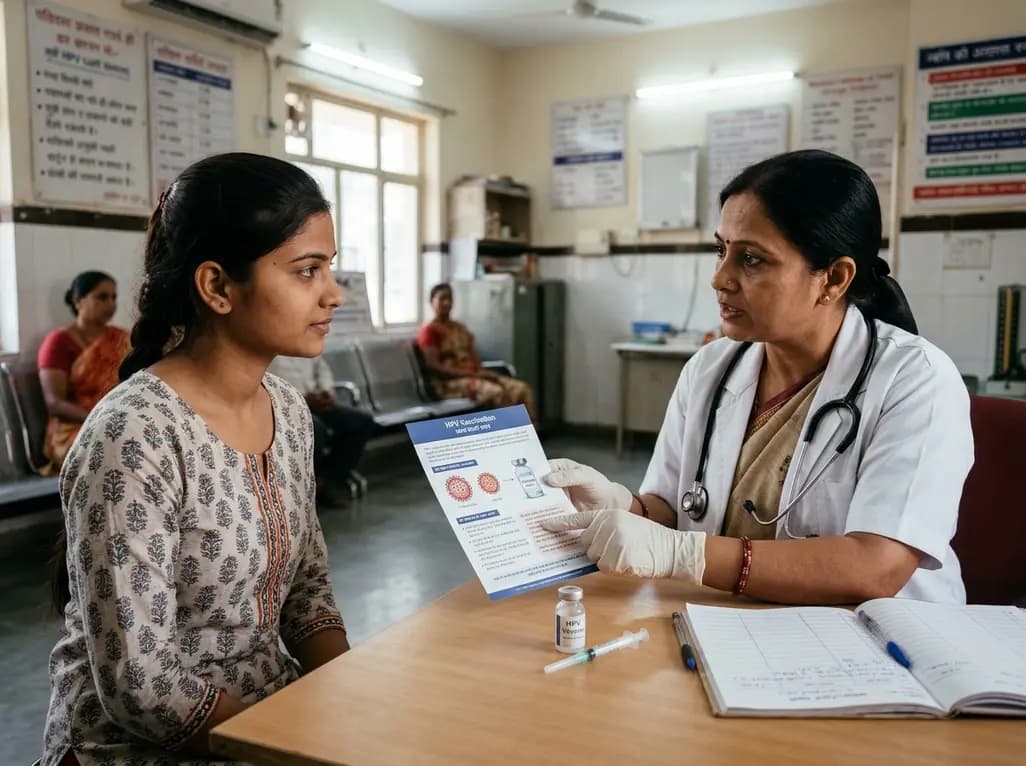
A qualitative study on the Dutch HPV vaccination catch-up campaign reveals that young adult hesitancy stems from information gaps and accessibility barriers rather than rampant misinformation. Clinicians can leverage these social listening insights to improve vaccine communication and address patient concerns.
Today
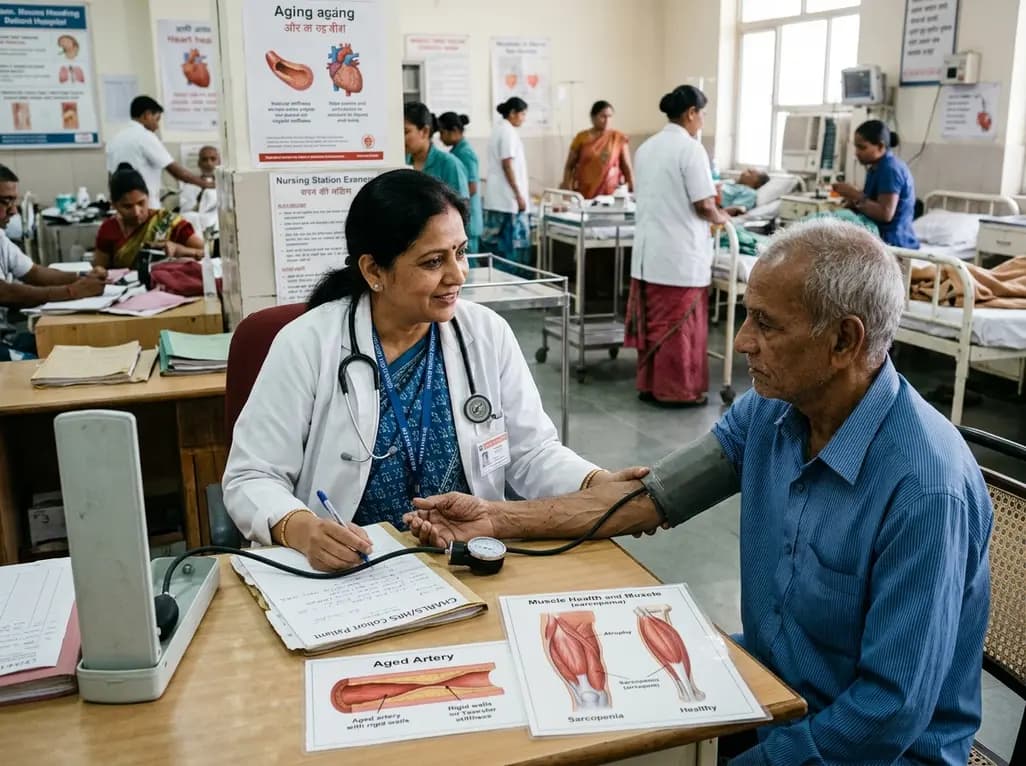
A multicenter longitudinal study of the CHARLS and HRS cohorts demonstrates that elevated cumulative pulse pressure and high-stable trajectories significantly increase incident sarcopenia risk in older adults, particularly in those with heart disease, linking arterial stiffness directly to progressive muscle loss.
Today

A 491-patient cohort study in Sudan reveals critical insights into war trauma reconstructive surgery, analyzing injury patterns, soft-tissue procedures, and a 25.5% complication rate in resource-limited conflict zones.
Today
A secondary analysis of the Living Healthier with Diabetes trial reveals that positive baseline technology attitudes significantly improve engagement with digital diabetes self-management apps, leading to enhanced self-care behaviors and better long-term glycemic control in adults with type 2 diabetes.
Today
