

Loading, please wait...
Loading, please wait...

Armed conflicts create severe clinical challenges for surgical teams operating in austere and resource-constrained environments. Managing complex ballistic injuries requires disciplined surgical triage and rapid stabilization. A pivotal retrospective study evaluating war trauma reconstructive surgery during conflict in Sudan offers crucial insights. Clinicians must understand these patterns to treat penetrating injuries and salvage viable limbs effectively.
Modern armed conflicts produce devastating polytrauma patterns through high-velocity mechanisms and explosive fragmentation. In the Sudan cohort, young adults aged 18 to 35 years constituted the majority of casualties. This trend highlights the demographic group most exposed to direct violence. Furthermore, shrapnel and explosive fragments accounted for 42.8% of all presentations, while gunshot wounds caused 41.8% of admissions. Consequently, surgeons encountered multifaceted tissue trauma combining blunt concussion, thermal injury, and penetrating cavitation. Ballistic fragmentation forces contaminated debris deep into fascial compartments, complicating initial stabilization. In addition, extremity injuries predominated across the cohort, with upper and lower limb trauma representing the primary burden of care. Specifically, hand injuries represented 23.8% of all admissions, underscoring the severe risk of long-term functional impairment in young wage earners. Therefore, trauma specialists must prioritize meticulous primary assessment and early debridement. These demographic and mechanistic realities dictate that surgical units must prepare specifically for high-energy penetrating extremity wounds during humanitarian crises.
Surgical providers in resource-limited environments must balance aggressive limb salvage against constrained logistical capabilities. In this cohort, surgeons performed skin and soft-tissue procedures in 42.6% of patients to achieve rapid wound coverage. Meanwhile, only 7.7% of individuals underwent complex flap reconstruction. This deliberate distribution reflects the vital need for rapid, reproducible interventions that minimize operating room congestion. Moreover, surgical teams maintained an operative duration under 90 minutes for most procedures, completing necessary repairs swiftly under austere conditions. General anesthesia supported 64% of interventions, demonstrating that anesthetists maintained secure airways despite scarce equipment. However, regional anesthesia provided effective adjuncts when teams faced intense supply shortages. Furthermore, the median length of hospital stay remained around five days for 63.1% of patients, highlighting efficient bed turnaround times. Consequently, clinicians utilized staged soft-tissue debridement, split-thickness grafting, and delayed primary closure rather than microvascular procedures. By choosing streamlined reconstructive techniques, surgeons maximized functional recovery while conserving precious critical care resources.
Postoperative complications present formidable hurdles when managing contaminated combat wounds in compromised medical environments. Overall, 25.5% of cohort patients developed postoperative morbidities during their hospital admission. Postoperative wound infection emerged as the single most common complication, affecting 14.3% of the total cohort. Furthermore, statistical analysis demonstrated that the anatomical site of injury significantly influenced the likelihood of complication development. Severely contaminated hand and lower extremity wounds displayed the highest vulnerability to secondary microbial proliferation. Delayed presentation significantly amplified this infectious risk, as combatants and civilians frequently experienced prolonged evacuation times. Consequently, bacteria rapidly colonized devitalized tissue prior to initial surgical debridement. In addition, destroyed civic infrastructure restricted access to clean running water, sterile wound dressings, and targeted intravenous antimicrobial agents. Therefore, surgeons must implement strict infection control measures, including aggressive mechanical pulsatile lavage and serial debridements. Establishing early broad-spectrum antimicrobial coverage based on local resistograms remains paramount to suppress aggressive pathogens and prevent systemic sepsis.
Executing successful war trauma reconstructive surgery demands a paradigm shift from conventional elective plastic surgery principles. In active combat sectors, complex microsurgical free flaps carry high failure rates. Prolonged operating times, hypercoagulable states, and contamination threaten flap survival. Instead, reconstructive surgeons achieve reliable results through the reconstructive ladder approach adapted for austere settings. First, surgeons prioritize thorough wound debridement to remove all nonviable skin, fascia, and bone fragments. Subsequently, clinicians utilize negative pressure wound therapy or sterile moist dressings to foster healthy granulation tissue formation. Furthermore, local fasciocutaneous rotation flaps and split-thickness skin grafts offer dependable coverage without requiring prolonged general anesthesia. In addition, orthopedic and vascular surgeons must collaborate closely with reconstructive specialists to stabilize fractures and restore distal perfusion rapidly. Surgeons must also avoid premature primary closure of high-energy projectile wounds, which inevitably invites gas gangrene and necrotizing soft-tissue infection. Thus, staged reconstructive protocols protect vital structures and preserve limb length effectively under extreme resource pressures.
The hard-earned clinical insights derived from conflict surgery offer substantial value to civilian trauma surgeons globally. Civilian practitioners frequently encounter high-energy industrial trauma, vehicular collisions, and blast trauma that closely mirror combat pathology. Moreover, healthcare systems in developing nations often face severe equipment shortages, limited intensive care capacity, and delayed patient presentations. Consequently, the surgical triage principles practiced in war zones provide practical roadmaps for civilian disaster response and mass casualty incidents. Surgeons learn that conservative, staged interventions often produce superior functional outcomes compared to heroic single-stage procedures. Furthermore, maintaining strict antimicrobial stewardship prevents the rapid emergence of multidrug-resistant nosocomial infections in overwhelmed surgical wards. In addition, early physical therapy and occupational rehabilitation protocols must commence immediately following soft-tissue coverage to preserve joint mobility. Ultimately, bridging military surgical lessons with civilian clinical practice strengthens healthcare resilience, enhances trauma preparedness, and improves limb salvage rates.
Sustaining surgical services amid active armed conflict requires extraordinary logistical adaptability and institutional resilience. During civil turmoil, healthcare facilities suffer from recurrent power grid failures, severed medical supply chains, and severe personnel shortages. Furthermore, operating theatres often lack basic consumable supplies, such as synthetic sutures, sterile drapes, and central venous access kits. Consequently, surgical units must establish strict resource rationing protocols to allocate life-saving care equitably. Healthcare providers often adapt regional nerve blocks to conserve volatile anesthetic gases and oxygen cylinders. Additionally, hospital administrators must protect surgical personnel and patient wards from direct military strikes and secondary violence. In response to these extreme vulnerabilities, international humanitarian agencies and local medical syndicates must establish resilient supply corridors. Training general surgeons in basic reconstructive principles ensures that trauma centers maintain operative capabilities even when specialist subspecialists are absent. Therefore, building robust trauma systems and stockpiling essential wound care supplies remains critical to safeguard surgical capacity during prolonged crises.
Explosive fragmentation and gunshot wounds represent the leading mechanisms of injury in modern conflict zones. Shrapnel from artillery, mortars, and improvised explosive devices causes irregular, heavily contaminated soft-tissue lacerations and complex bone fractures. Meanwhile, high-velocity gunshot wounds generate extensive cavitation trauma that damages adjacent neurovascular bundles. Consequently, trauma teams must anticipate deep tissue devitalization, requiring serial surgical explorations and comprehensive soft-tissue reconstruction to restore anatomy and limb function.
Surgeons generally avoid microvascular free flap transfers in combat zones due to severely constrained resources and austere operating conditions. High-velocity blast injuries create broad zones of microvascular injury, which drastically elevate the risk of anastomotic thrombosis and flap failure. Furthermore, microvascular procedures demand prolonged operating times and intensive postoperative monitoring that overwhelmed war hospitals cannot support. Consequently, surgical teams rely upon split-thickness skin grafts and local fasciocutaneous flaps to achieve reliable coverage.
Preventing wound infection in austere environments requires early, radical surgical debridement of all devitalized tissue and foreign contamination. Surgeons must resist the temptation to perform immediate primary closure on contaminated combat wounds, opting instead for delayed primary closure or staged grafting. Additionally, copious low-pressure irrigation, appropriate negative pressure wound therapy, and targeted empirical antimicrobial coverage significantly reduce bacterial bioburden. Maintaining strict surgical asepsis and rapid dressing changes further limits nosocomial pathogen transmission.
Disclaimer: This content is for informational and educational purposes only... Refer to the latest local and national guidelines for clinical practice.
References

Read summarized clinical updates, watch expert medical content, and earn CME certifications right from your smartphone.
Open your smartphone camera to scan and install.





A 491-patient cohort study in Sudan reveals critical insights into war trauma reconstructive surgery, analyzing injury patterns, soft-tissue procedures, and a 25.5% complication rate in resource-limited conflict zones.
Today

A qualitative evaluation of the novel Weight History Interview highlights how capturing weight suppression informs eating disorder assessment while addressing patient emotional acceptability in clinical practice.
Today
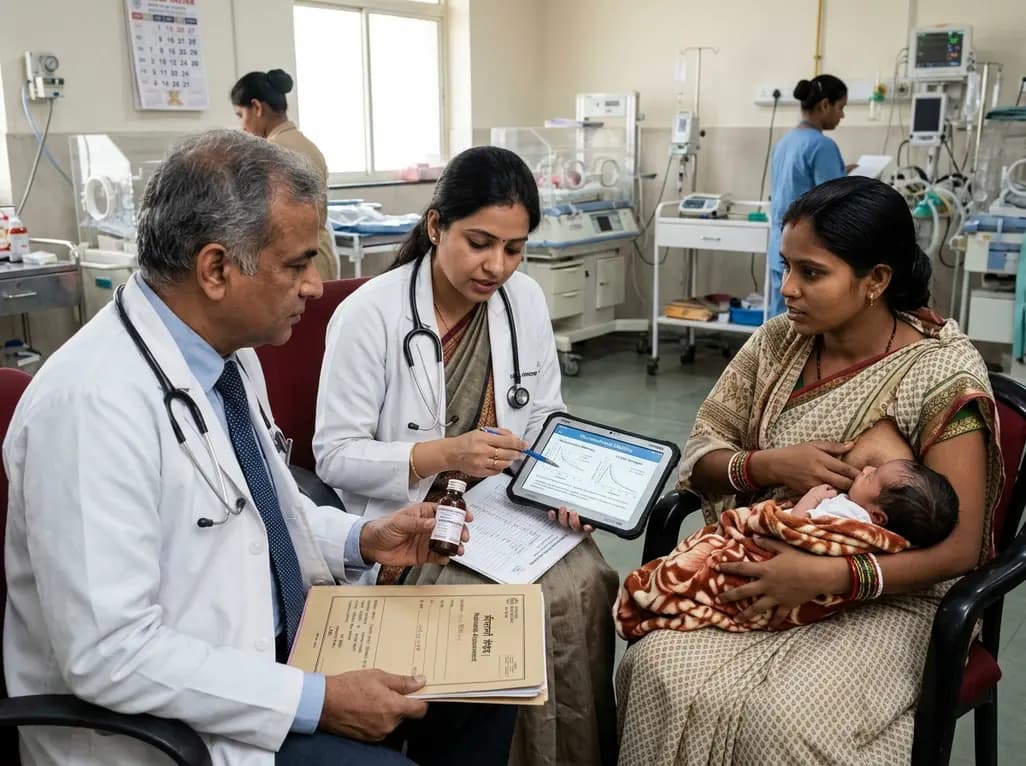
Maternal codeine therapy during breastfeeding sparks debate regarding neonatal opioid toxicity. This review re-evaluates the Toronto case, explores PBPK modeling, and highlights how maternal and neonatal pharmacogenomics converge to inform safer postpartum pain management.
Today
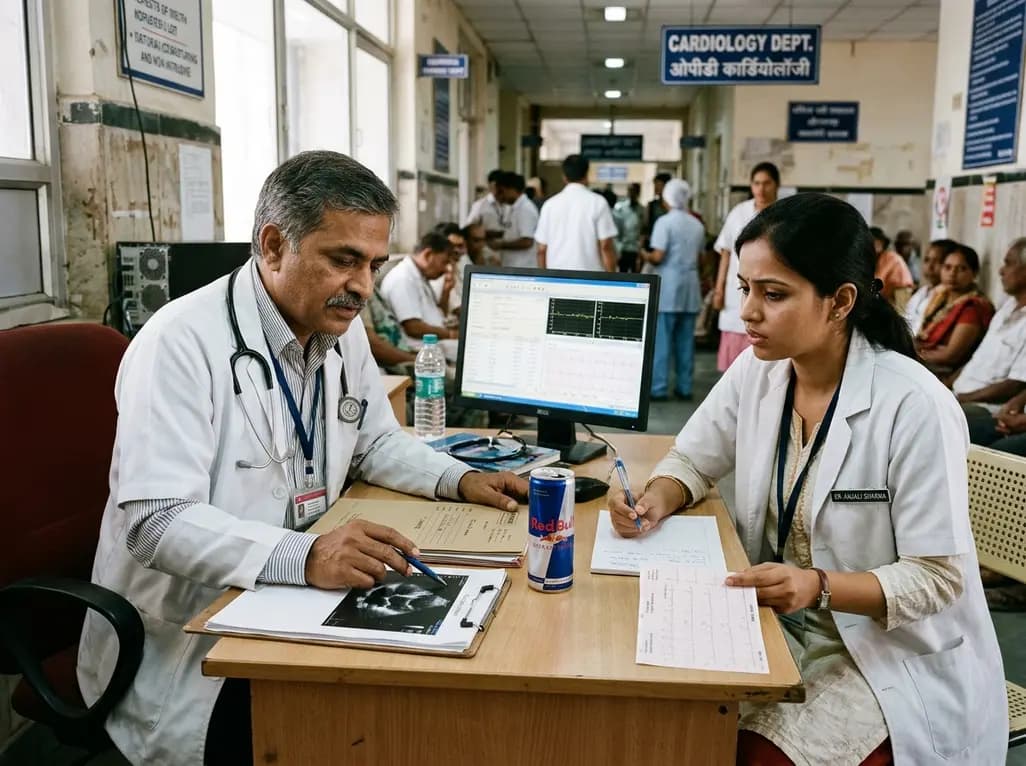
The Food Safety and Standards Authority of India has challenged Red Bull over its marketing claims, demanding scientific evidence for the term energy drink. With products packing massive amounts of caffeine and added sugar, clinicians must recognize the critical cardiovascular and metabolic implications for young patients.
Today
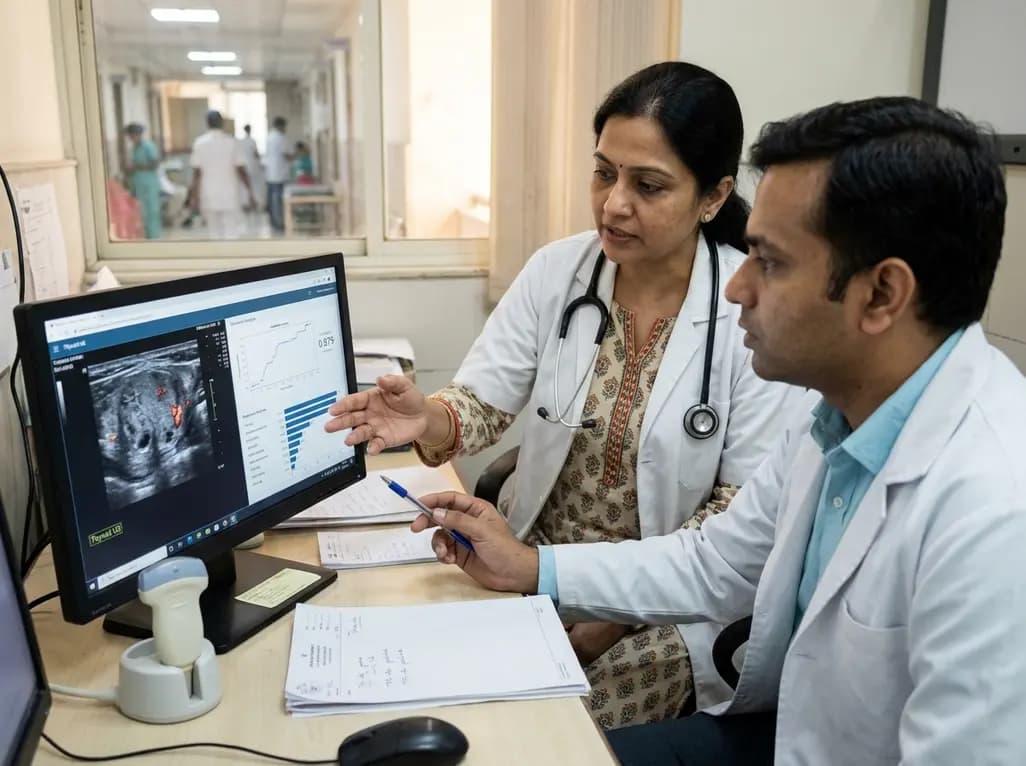
A multi-modal machine learning model integrating ultrasound radiomics, tumor morphology, TPO-Ab, and BRAF V600E accurately predicts lymph node metastasis in papillary thyroid carcinoma with concurrent Hashimoto's thyroiditis, achieving 0.879 accuracy.
Today
