.webp&w=384&q=75)

Loading, please wait...
Loading, please wait...
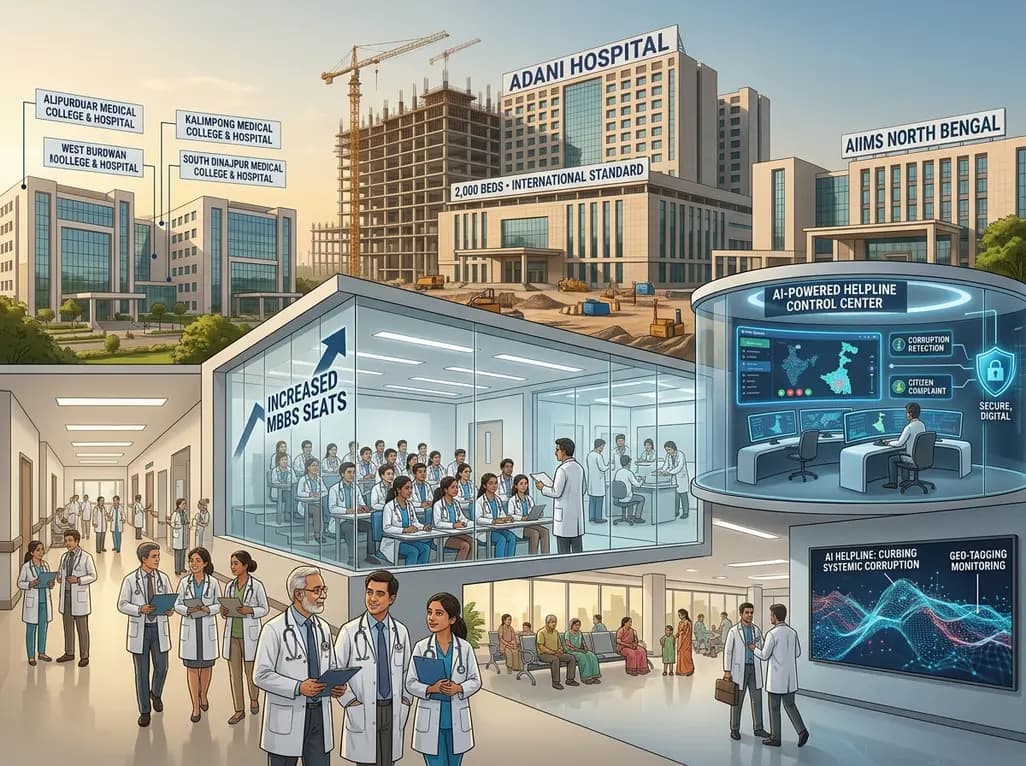
West Bengal is currently executing a monumental overhaul across both public and private medical delivery sectors. The government aims to strengthen West Bengal healthcare infrastructure from rural primary blocks to tertiary institutions in Kolkata. Chief Minister Suvendu Adhikari announced major policy decisions, infrastructural expansion, and workforce support during a felicitations program for NEET toppers. Additionally, state authorities are creating a highly supportive clinical environment for budding medical professionals. The state plans to establish new state-run colleges, expand specialized clinical facilities, and partner with private organizations. Consequently, patients across rural and urban regions will gain reliable access to modern medical treatments. Furthermore, these comprehensive steps will address physician shortages and enhance regional health outcome metrics effectively.
Private sector partnership forms a core pillar of the state's modern development blueprint. Most notably, the Adani Group has signed a formal agreement to construct an international-standard 2,000-bed hospital in New Town near Kolkata. The state government has already allotted land for this massive private investment. Crucially, the facility will reserve 1,000 beds completely free of cost for financially underprivileged patients. Meanwhile, the remaining 1,000 beds will operate commercially to support high-end medical technologies and specialized tertiary care.
Furthermore, this public-private synergy aims to bridge crucial gaps between patient volume and available clinical beds. The modern hospital will feature cutting-edge diagnostic tools, advanced operation theaters, and specialized subspeciality departments. Additionally, this establishment will generate substantial employment opportunities for doctors, nursing personnel, and allied health staff. By integrating free care for vulnerable populations with commercial services, the project ensures financial sustainability alongside social equity. Consequently, tertiary care accessibility in Eastern India will experience a significant transformation. State officials emphasize that private capital combined with social commitments will elevate standard patient care benchmarks statewide.
Medical education remains a key focus of the ongoing state healthcare upgrade strategy. The government announced plans to establish four new medical colleges in Kalimpong, Alipurduar, Paschim Bardhaman, and Dakshin Dinajpur. These institutions directly fulfill long-standing demands for localized medical teaching facilities in underserved regions. Consequently, local candidates will secure greater access to medical degrees close to their home districts.
Moreover, the state plans to add several hundred undergraduate MBBS seats across existing state institutions. Expanding academic capacity directly targets the acute national shortage of physicians and healthcare personnel. Furthermore, plans are underway to establish a second All India Institute of Medical Sciences in North Bengal. This premier institute will provide high-caliber postgraduate education and clinical research opportunities.
Additionally, state authorities are addressing doctor retention by improving residential facilities at primary block health centers. Providing comfortable quarters and modern equipment ensures physicians can deliver quality services in rural environments. Ultimately, expanding undergraduate seats and postgraduate opportunities will create a resilient workforce capable of managing emerging public health challenges efficiently.
Public sector hospitals are receiving extensive technological and infrastructural upgrades under the state initiative. SSKM Hospital, Kolkata's largest tertiary medical center, will expand its total bed capacity and critical care units significantly. Additionally, state authorities are equipping district and block-level hospitals with modern diagnostic and therapeutic modalities. Facilities will now feature advanced CT scanners, MRI suites, Sick Newborn Care Units, and modernized operation theaters.
Furthermore, dialysis units are being expanded to manage the increasing burden of chronic kidney disease nationwide. Hospital beautification drives and structural renovations are also underway to create clean, welcoming clinical environments. In addition, the government is expanding Pradhan Mantri Bhartiya Janaushadhi Kendras within hospital premises. These outlets provide high-quality generic medications to patients at steeply discounted rates.
Consequently, out-of-pocket healthcare expenses for low-income families will decrease substantially. The state health department is also streamlining emergency workflows to reduce patient waiting times in casualty wards. Overall, these comprehensive equipment upgrades and facility enhancements will ensure that government hospitals deliver dignified care to every citizen.
West Bengal has formally integrated its health programs with the flagship Ayushman Bharat scheme. Under National Health Mission guidelines, existing primary health centers are being rebranded and upgraded as Ayushman Mandirs. These modernized centers serve as frontline defense units for preventive care, maternal health, and non-communicable disease screening. Consequently, rural populations can access primary healthcare services without travelling long distances to urban centers.
Additionally, joining Ayushman Bharat enables seamless health coverage transferability and structured financial support for underprivileged families. The state health administration is deploying comprehensive digital health records at Ayushman Mandirs to track patient care continuous histories. Furthermore, community health officers and auxiliary nurse midwives are receiving training on updated clinical guidelines.
Moreover, regular wellness sessions, lifestyle counseling, and diagnostic screening drives are conducted at these primary units. This proactive strategy emphasizes early disease detection and preventive management rather than reactive tertiary intervention. By strengthening primary care foundations, the state reduces unnecessary overburdening of tertiary referral hospitals. Thus, the Ayushman Mandir network forms a crucial backbone for equitable universal health coverage across the region.
Administrative reforms and governance measures accompany the state's clinical infrastructure expansion program. To eliminate corruption and predatory practices, the government launched four dedicated AI-powered control rooms and helplines. Citizens can register genuine complaints regarding cut money, extortion syndicates, illegal toll collection, and bootlegging. Special control rooms will operate daily to record consumer grievances and initiate swift corrective actions.
Furthermore, state leadership clarified that these toll-free helplines aim to protect honest patients and healthcare vendors alike. However, authorities explicitly cautioned the public against misusing grievance portals for personal disputes. Alongside helpline operationalization, the state announced administrative reforms to support the police force. A dedicated welfare board will provide sports amenities, modern fitness centers, and health facilities for law enforcement officers.
Additionally, police departments received praise for maintaining public order during recent statewide security incidents. By integrating artificial intelligence with public reporting mechanisms, the state fosters transparent governance across public services. Consequently, administrative transparency ensures that healthcare investments reach intended beneficiaries without unlawful financial leakage or systemic corruption.
Q1: What are the key details of the proposed Adani Group hospital in West Bengal?
The Adani Group has signed a formal agreement to set up a 2,000-bed international-standard hospital in New Town near Kolkata. Notably, 1,000 beds will be reserved completely free of cost for financially underprivileged patients. Meanwhile, the remaining 1,000 beds will function commercially to maintain advanced tertiary medical equipment, modern operating facilities, and high-end clinical specialty departments.
Q2: Which locations are selected for new government medical colleges in West Bengal?
The state government announced plans to establish four new medical colleges in Kalimpong, Alipurduar, Paschim Bardhaman, and Dakshin Dinajpur. In addition, a new AIIMS institute and a dedicated cancer treatment facility are planned for North Bengal. These regional institutions aim to increase undergraduate MBBS seat availability and expand medical education into previously underserved remote state districts.
Q3: How is West Bengal leveraging AI technology in public administration and healthcare?
West Bengal has launched four dedicated AI-powered helplines and specialized control rooms to tackle systemic administrative corruption. Citizens can report issues such as cut money, illegal tolls, extortion syndicates, and bootlegging directly to authorities. Operating daily from 10 am to 8 pm, these control rooms process verified complaints quickly to enforce administrative transparency and protect public resource allocation.
Disclaimer: This content is for informational and educational purposes only. It does not constitute medical advice or replace professional judgment. Refer to the latest local and national guidelines for clinical practice.
References

Read summarized clinical updates, watch expert medical content, and earn CME certifications right from your smartphone.
Open your smartphone camera to scan and install.





West Bengal is undertaking a comprehensive overhaul of its public and private medical sectors. Key initiatives include an international-standard 2,000-bed hospital by the Adani Group, four new medical colleges, an AIIMS in North Bengal, increased MBBS seats, and AI-powered helplines to curb systemic corruption.
2 months ago
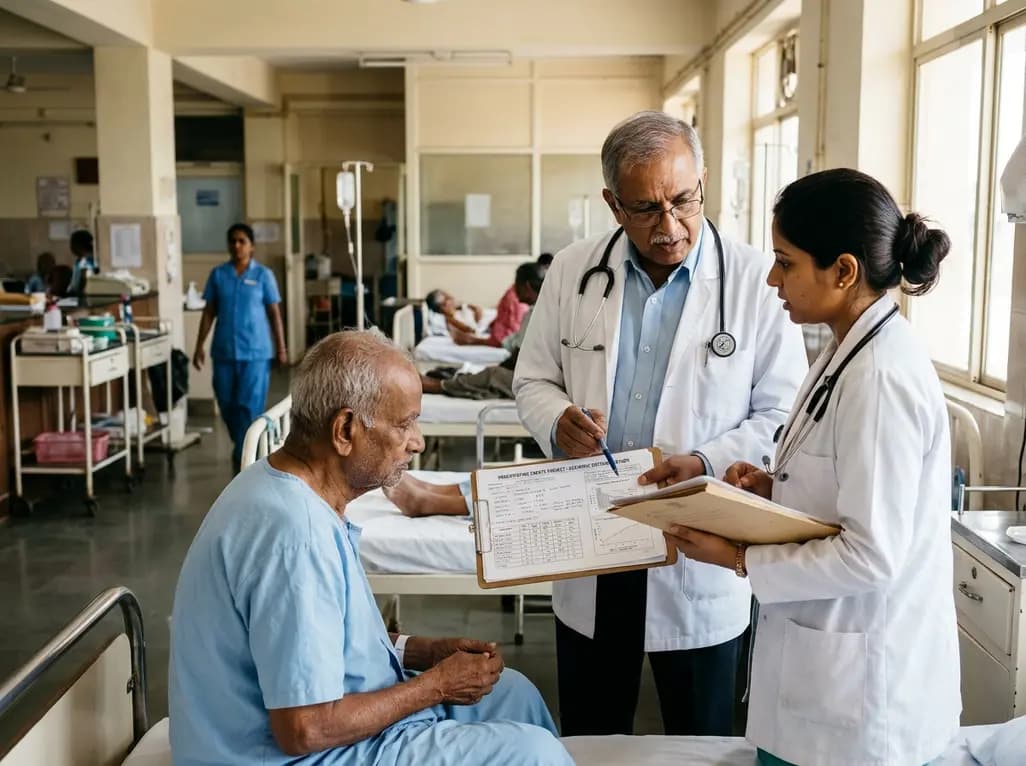
Failing to account for competing events like mortality in longitudinal geriatric studies produces biased risk estimates and misleading inferences. This review highlights key methodological principles, insights from the Precipitating Events Project, and practical approaches for clinical research appraisal.
Today
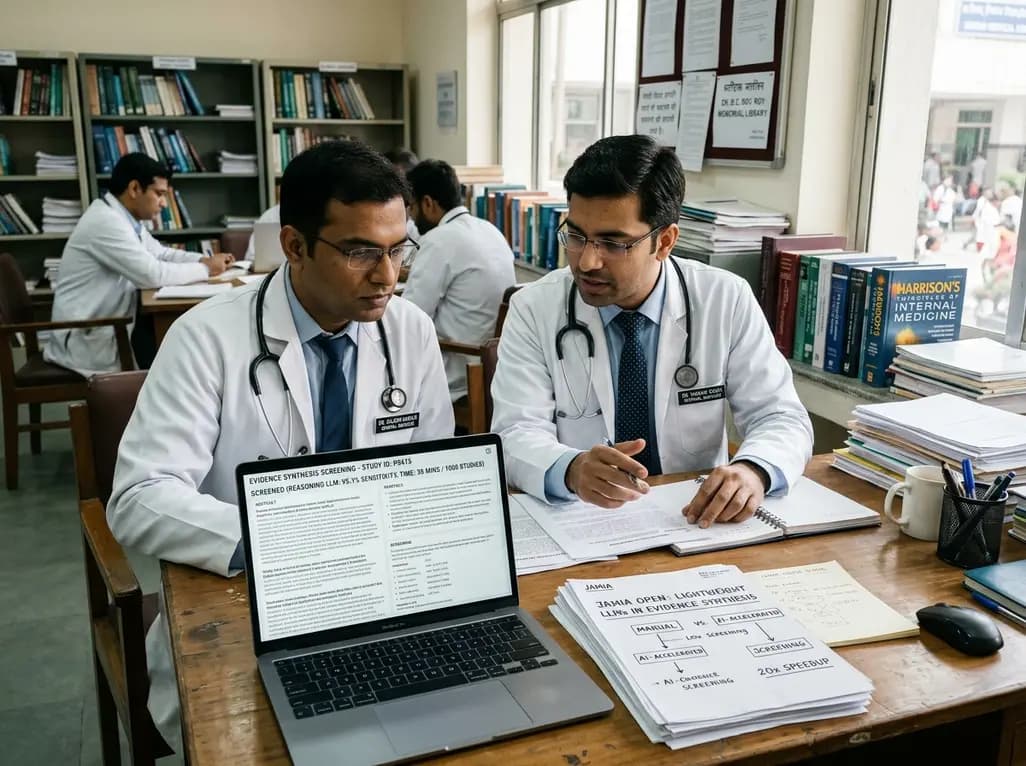
A study in JAMIA Open shows lightweight open-source reasoning LLMs achieve up to 95% sensitivity and accelerate evidence synthesis screening by nearly twentyfold, presenting a cost-effective, scalable AI solution for biomedical research and systematic reviews.
Today
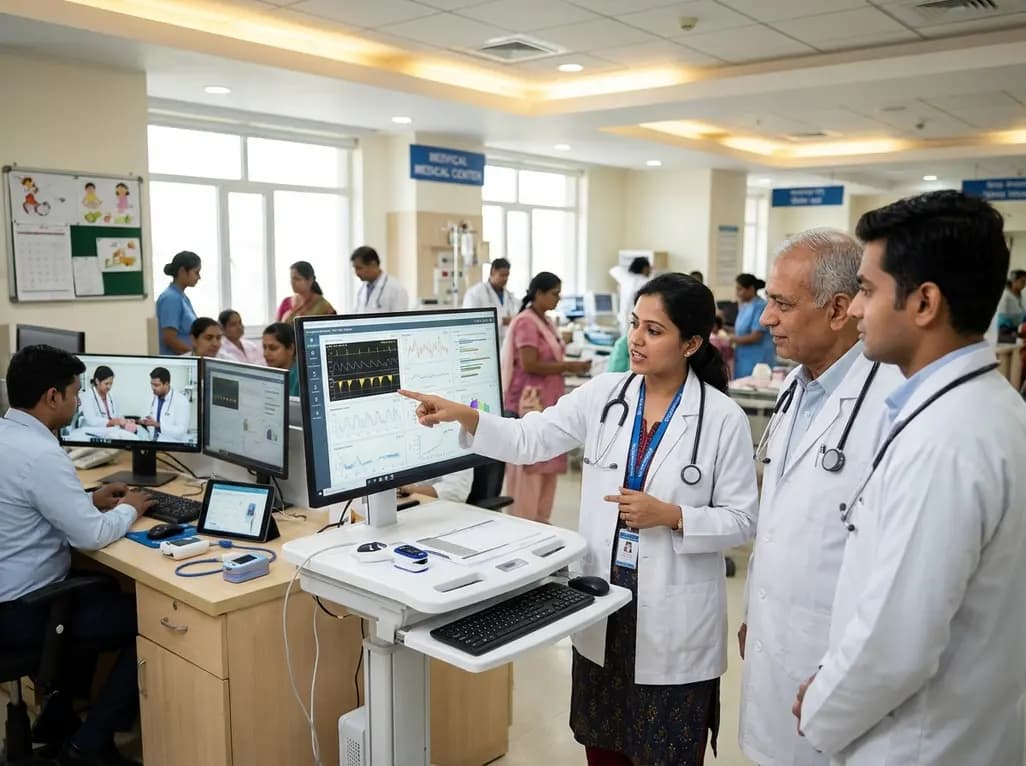
A landmark study details how an enterprise pediatric remote patient management model expanded from a single cardiology pilot to 16 diverse specialty programs by combining centralized digital operations with specialty clinical leadership.
Today
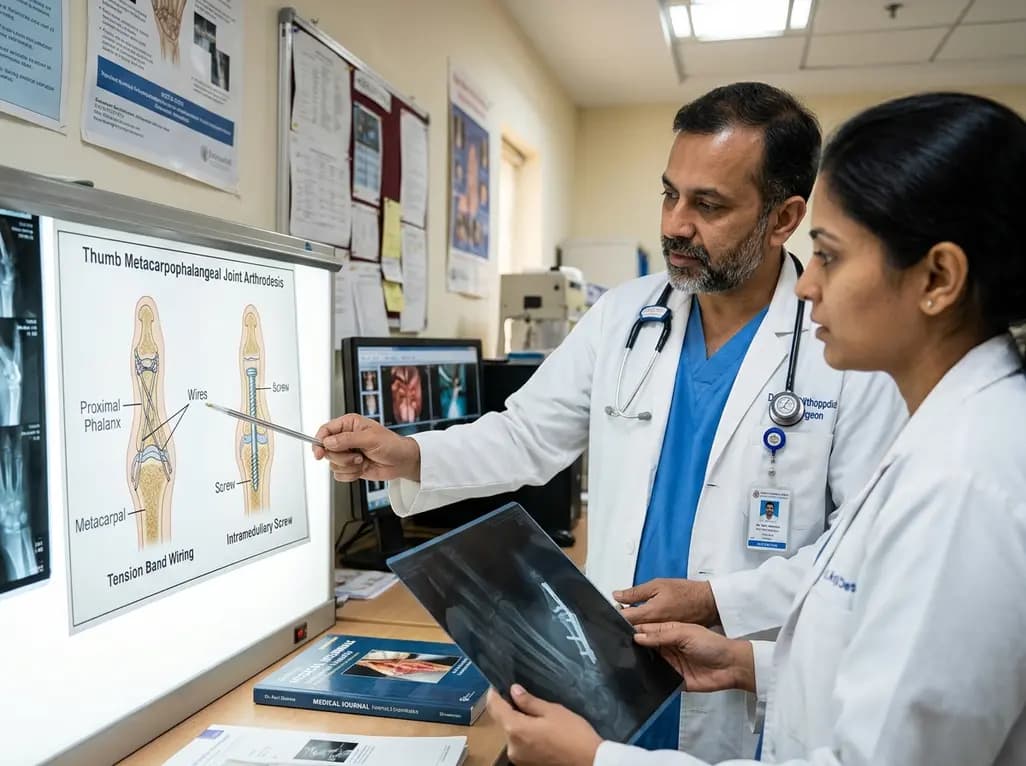
A comparative review of tension band wiring and intramedullary screw fixation in thumb metacarpophalangeal arthrodesis, evaluating union rates, hardware complications, and clinical outcomes.
Yesterday
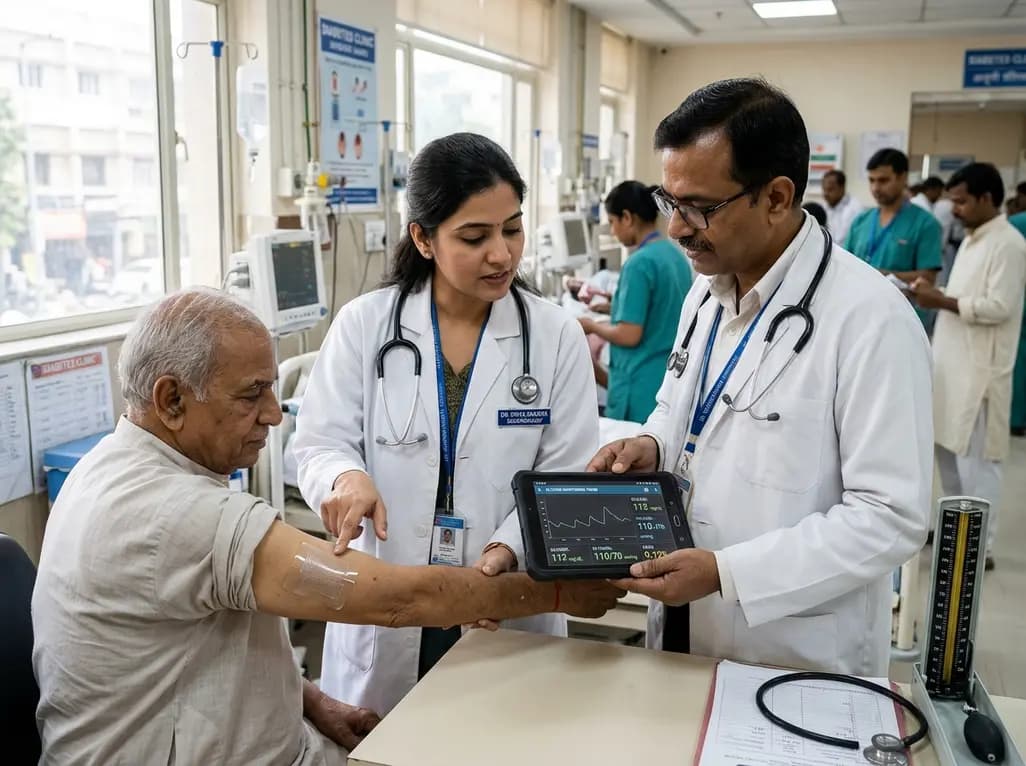
A breakthrough ultrathin multimodal sensor decouples physical hemodynamic monitoring from disposable electrochemical calibration, achieving long-term wearable glucose prediction with 81.36% accuracy and a 9.12% MARD. This offers a robust, drift-free solution for outpatient metabolic surveillance.
Yesterday
