

Loading, please wait...
Loading, please wait...
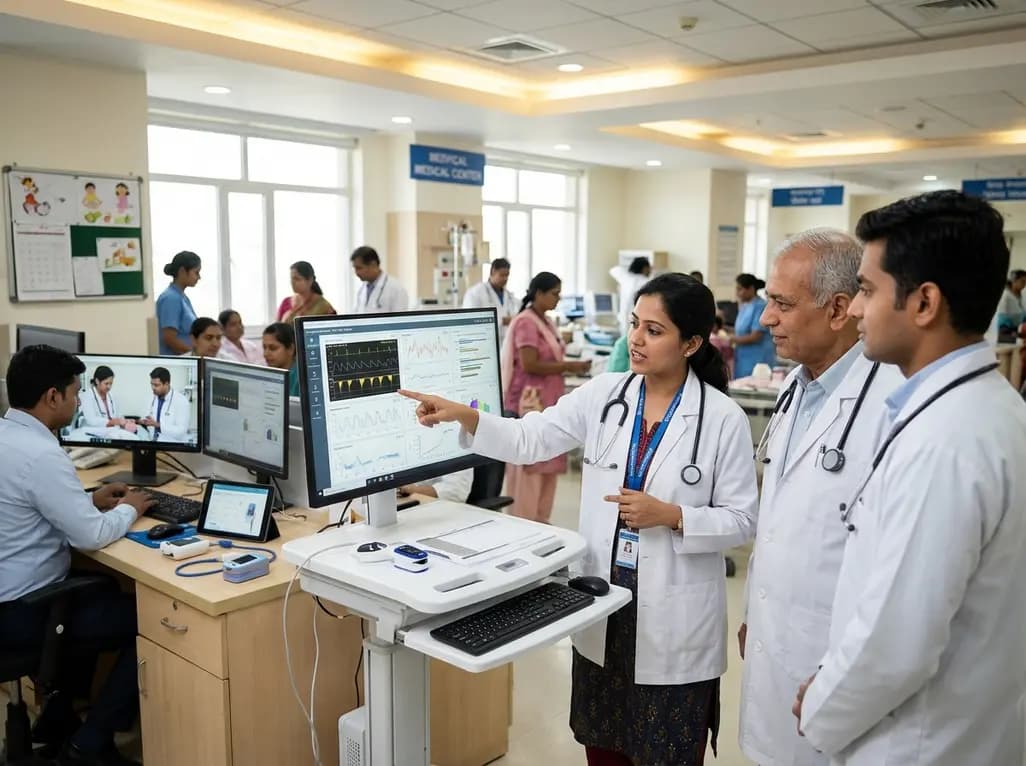
Modern healthcare delivery requires proactive care models that extend beyond traditional clinical environments. In recent years, pediatric remote patient management has emerged as a transformative strategy to improve clinical outcomes, access, and caregiver engagement. Children with medical complexity frequently require intensive post-discharge supervision to avert preventable readmissions. Historically, academic centers operated isolated digital health pilots that struggled to achieve broader institutional scale. To overcome these limitations, a major children's hospital transitioned from a single cardiology pilot into an enterprise-wide model spanning sixteen specialized clinical services. This structured expansion bridged critical gaps between tertiary medical facilities and home environments.
Consequently, care teams could continuously track physiologic metrics, detect deterioration earlier, and deliver timely clinical interventions. Moreover, the initiative engaged multidisciplinary teams across diverse settings, ranging from surgical suites to neonatal transition programs. Therefore, establishing organized remote surveillance transforms how pediatric specialists deliver high-value longitudinal care. Additionally, continuous data streams allow clinicians to personalize outpatient regimens without disrupting daily family routines. Ultimately, this paradigm demonstrates that scalable digital care provides measurable benefits for vulnerable pediatric populations. Furthermore, structured communication channels foster collaborative relationships between healthcare providers and parents managing complex chronic illnesses.
Enterprise expansion demands robust institutional governance and dedicated technological resources. Therefore, the hospital created a centralized digital health team to steer program intake, prioritization, and execution. This central unit assumed responsibility for technological integration, analytics, and electronic health record connectivity. Meanwhile, individual clinical divisions maintained complete autonomy over clinical management and specialized care protocols. This hybrid operating structure alleviated administrative burdens on practicing physicians. In addition, centralized governance established standard operational templates that streamlined program launches across multiple departments.
Clinicians no longer needed to negotiate vendor contracts or design novel analytical dashboards independently. Instead, the central team evaluated digital tools, ensured regulatory data compliance, and optimized clinical alert thresholds. Consequently, multidisciplinary committees could rapidly evaluate incoming proposals against strategic hospital priorities and clinical utility. Furthermore, shared informatics infrastructure enabled real-time reporting of program metrics and resource utilization. Standardizing EHR integration prevented fragmented documentation and allowed seamless data sharing across specialist networks. Thus, health systems can systematically replicate successful pilot workflows across diverse clinical divisions without exhausting institutional resources. Importantly, sustained institutional funding ensured continuous technical support for busy clinical departments.
The care continuum for pediatric patients undergoing complex procedures demands seamless post-discharge coordination. For instance, children recovering from congenital cardiac surgery require vigilant tracking of oxygen saturations, daily weight trends, and feeding volumes. In this enterprise initiative, the initial cardiology cohort proved that structured surveillance mitigates catastrophic interstage complications. Subsequently, the digital health team adapted these pathways for perioperative surgical cohorts and complex medical transitions. Clinicians established customized parameter thresholds to identify early physiological decompensation before clinical crises occurred.
When biometric values drifted outside designated safe ranges, automated alerts prompted immediate nursing triage and specialist consultation. Furthermore, structured communication protocols allowed caregivers to report symptoms easily through secure digital applications. Consequently, providers intervened promptly with medical adjustments, preventing unnecessary travel and emergency admissions. In addition, outpatient specialty services utilized remote surveillance to monitor chronic pediatric conditions effectively. Moreover, routine caregiver engagement enhanced family confidence and reinforced adherence to intricate post-discharge medical regimens. Therefore, structured home monitoring establishes a reliable safety net during critical recovery phases following hospital discharge. Ultimately, this connected model strengthens continuity of care across diverse outpatient pediatric subspecialties.
Despite compelling clinical advantages, enterprise health programs face substantial implementation challenges and technological hurdles. For example, clinician burnout often arises when monitoring platforms produce excessive non-actionable notifications. To prevent alarm fatigue, the implementation team collaborated with clinical champions to calibrate sensitive alert parameters. Furthermore, technical teams embedded bi-directional monitoring data directly into native electronic health records, eliminating double documentation. However, digital health initiatives must also address systemic inequities that threaten vulnerable patient groups.
Socioeconomic barriers, limited home internet access, and language differences can severely restrict program participation. Therefore, the institution distributed cellular-enabled monitoring hardware that bypassed the need for home Wi-Fi networks. Additionally, the team created multilingual educational resources and video tutorials for diverse patient caregivers. Notably, intentional outreach ensured that families from low-income communities received adequate technical troubleshooting and onboarding support. Consequently, health systems can democratize digital innovations, ensuring that technology bridges healthcare disparities rather than widening existing gaps. In this manner, equity-focused design principles protect vulnerable pediatric populations throughout their remote care journey. Similarly, dedicated bilingual navigators assisted families with translation services to maintain consistent remote care engagement.
Long-term viability remains the ultimate benchmark for any health system innovation. Many digital health projects collapse once philanthropic grants or temporary institutional subsidies expire. To guarantee endurance, healthcare administrators must establish sustainable operational workflows and realistic financial models early in development. Specifically, institutions must align remote services with established billing codes, value-based contracts, and capitated risk-sharing agreements. Furthermore, hospital leadership must continuously track key performance indicators, including readmission reductions, length-of-stay improvements, and caregiver satisfaction scores.
Documenting robust clinical efficacy justifies ongoing capital investment in software upgrades and clinical staffing. Looking forward, emerging artificial intelligence models and predictive machine learning algorithms will likely enhance surveillance systems. These sophisticated technologies can analyze complex longitudinal trends to predict decompensation days before overt physiological symptoms manifest. Moreover, integrating wearable sensor patches will minimize user burden and capture continuous vital signs non-invasively. Consequently, continuous program optimization reinforces organizational resilience while fostering a culture of perpetual clinical innovation. Ultimately, sustainable financial architectures and disciplined operational governance ensure enduring clinical value across expanding health networks. Therefore, forward-thinking institutions must cultivate adaptable digital ecosystems today to integrate future technologies.
Pediatric remote patient management improves clinical outcomes by enabling early detection of physiological deterioration outside hospital walls. Caregivers transmit objective vital signs, allowing specialized nursing teams to evaluate trends promptly. Furthermore, timely interventions prevent acute crises, reducing emergency department visits and unplanned hospital readmissions. In addition, continuous surveillance enhances parental confidence during complex transitions home, reinforcing regimen adherence and providing comprehensive longitudinal data that guides specialist therapeutic decisions during subsequent clinical encounters.
A centralized operational model provides specialized infrastructure, regulatory compliance, and seamless EHR integration that individual clinical divisions cannot independently maintain. By consolidating technical expertise, the enterprise team standardizes vendor evaluation, data analytics, and device logistics. Meanwhile, clinical departments retain full ownership of specialized patient workflows and medical decisions. Consequently, this collaborative division of labor prevents redundant administrative efforts, accelerates new program launches, and ensures consistent quality metrics across the entire hospital system.
Healthcare institutions mitigate alert fatigue by tailoring biometric thresholds directly to specific pediatric patient populations and disease severities. In addition, centralized triage protocols allow dedicated nursing teams or trained navigators to filter non-urgent technical alerts before notifying subspecialists. Integrating actionable notifications directly into existing electronic health record workflows also eliminates fragmented communication. Therefore, clinicians receive only high-priority, clinically meaningful alerts, protecting medical providers from cognitive overload while preserving swift response times for deteriorating children.
Disclaimer: This content is for informational and educational purposes only, and does not substitute professional medical advice, diagnosis, or treatment. Refer to the latest local and national guidelines for clinical practice.
References

Read summarized clinical updates, watch expert medical content, and earn CME certifications right from your smartphone.
Open your smartphone camera to scan and install.





A landmark study details how an enterprise pediatric remote patient management model expanded from a single cardiology pilot to 16 diverse specialty programs by combining centralized digital operations with specialty clinical leadership.
Today
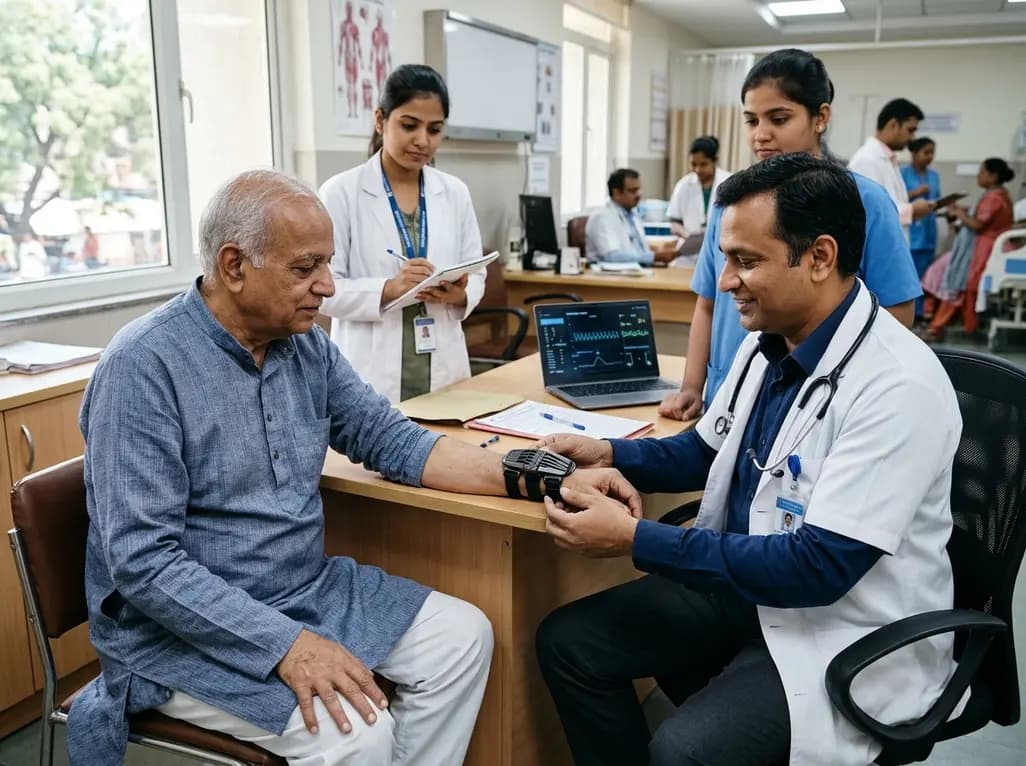
The TREM-AB open-label pilot study evaluated a wearable passive nonlinear vibration absorber for essential tremor. The Nonlinear Energy Sink bracelet reduced clinical Fahn-Tolosa-Marin tremor scores by 32.1% and electrophysiological tremor power by 49.2% with no adverse effects reported.
Today
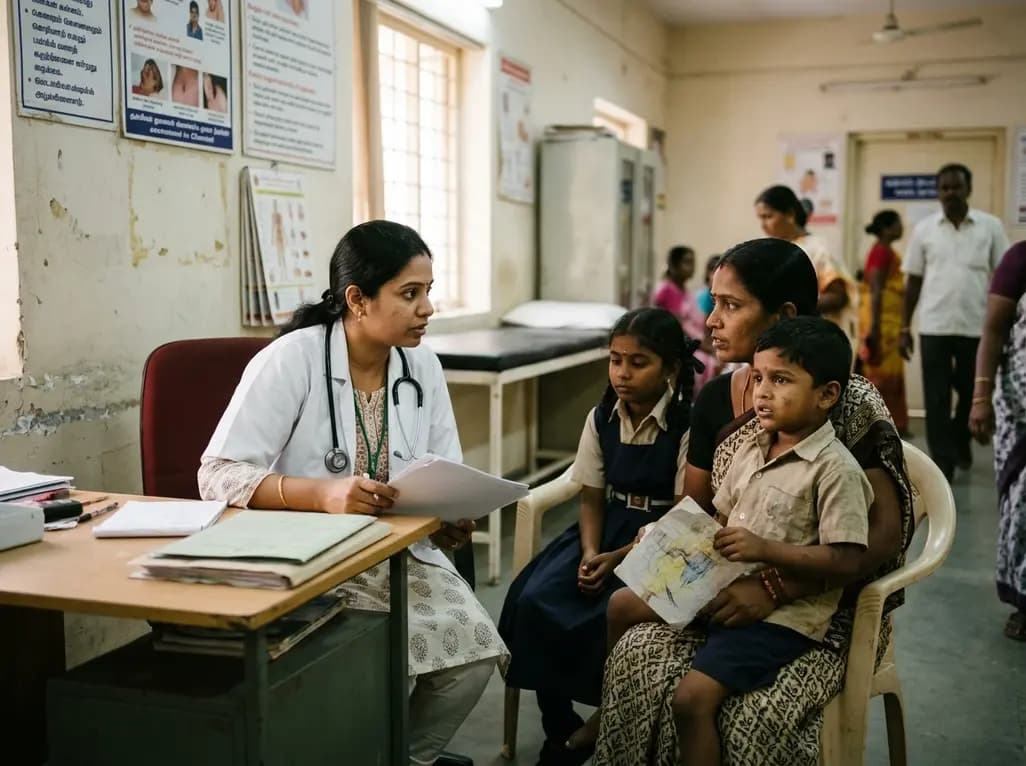
A population-based study of 20,928 children reveals that small vulnerable newborns face sex-divergent mental capital outcomes at ages 6-7: term SGA girls show higher behavioral difficulties and lower resilience, while preterm non-SGA boys experience increased behavioral problems.
Today
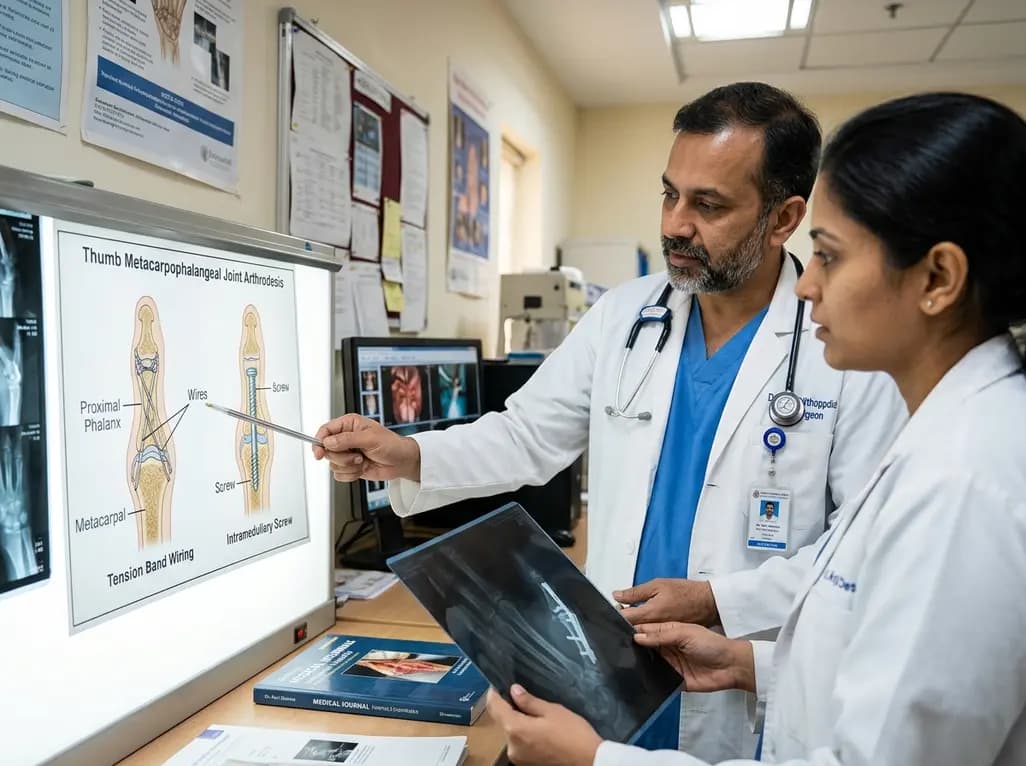
A comparative review of tension band wiring and intramedullary screw fixation in thumb metacarpophalangeal arthrodesis, evaluating union rates, hardware complications, and clinical outcomes.
Today
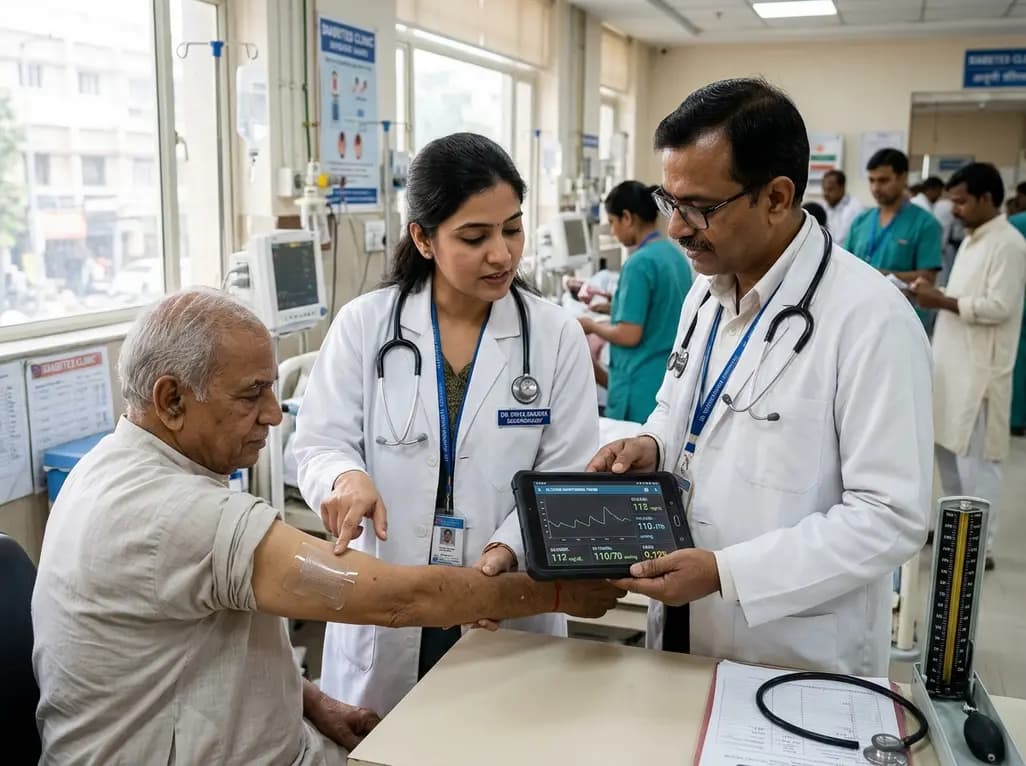
A breakthrough ultrathin multimodal sensor decouples physical hemodynamic monitoring from disposable electrochemical calibration, achieving long-term wearable glucose prediction with 81.36% accuracy and a 9.12% MARD. This offers a robust, drift-free solution for outpatient metabolic surveillance.
Today
