

Loading, please wait...
Loading, please wait...

Blunt chest trauma remains a primary challenge for emergency and trauma teams worldwide. Patients presenting with severe rib fractures frequently experience intense respiratory splinting, hypoventilation, and progressive pulmonary failure. Therefore, clinicians constantly debate whether to admit these individuals directly to an intensive care unit or a regular surgical ward. Furthermore, a recent multicenter trauma analysis highlights the devastating clinical impact when initial ward triage fails and forces an emergency rescue transfer.
Rib injuries represent one of the most frequent consequences of blunt thoracic trauma. When multiple ribs fracture, the structural integrity of the chest wall suffers immediate compromise. Therefore, patients experience severe pleuritic pain that impairs normal tidal breathing and functional coughing. Without adequate chest expansion, atelectasis develops rapidly across dependent pulmonary segments. Furthermore, associated parenchymal lung contusions often worsen ventilation-perfusion mismatch, creating severe hypoxemia. In elderly patients or those with pre-existing lung disease, this physiological cascade accelerates dramatically. Consequently, simple chest wall trauma rapidly transforms into life-threatening respiratory failure. In addition, trauma surgeons recognize that the first forty-eight hours represent the most vulnerable window for pulmonary collapse. When healthcare teams underestimate injury severity during initial triage, patients deteriorate on general surgical floors. This phenomenon, known as ward failure, leads to emergency rescue intubations and delayed critical care admission.
A recent large-scale investigation using the American College of Surgeons Trauma Quality Improvement Program evaluated 52,332 trauma patients. Notably, all included subjects suffered isolated severe thoracic injuries with rib fractures and required critical care. Within this national cohort, 1,830 individuals experienced an unplanned intensive care transfer following initial ward placement. Multivariable Poisson regression analysis revealed shocking disparities between direct admissions and unplanned transfers. Specifically, patients who experienced ward failure demonstrated a more than three-fold increase in in-hospital mortality. Furthermore, their adjusted risk of developing acute respiratory distress syndrome rose four-and-a-half times compared to direct admissions. These transferred patients also suffered a nearly three-fold higher rate of nosocomial pneumonia. In addition, the necessity for mechanical ventilation increased more than three-fold among delayed transfers. Therefore, ward failure represents an independent driver of preventable hospital mortality that institutional protocols must actively eliminate.
Why do trauma patients experience such catastrophic decompensation outside the intensive care unit? The fundamental answer lies in the dynamic pathophysiology of blunt chest trauma. First, pain scores on arrival often mask evolving micro-atelectasis that steadily impairs gas exchange over several hours. Second, general floor nursing ratios rarely permit continuous pulse oximetry or frequent pulmonary assessments. Consequently, subtle signs of tachypnea and shallow breathing frequently pass unnoticed during routine floor shifts. Furthermore, systemic opioid administration on surgical wards creates a hazardous clinical paradox. While narcotics blunt severe chest pain, they simultaneously suppress central respiratory drive and eliminate the cough reflex. Therefore, secretions pool within bronchial branches, culminating in dense lobar collapse. In contrast, intensive care units provide continuous invasive monitoring, aggressive respiratory therapy, and frequent chest physiotherapy. When clinicians delay transfer until overt exhaustion occurs, lung parenchyma already suffers extensive inflammatory damage.
To prevent tragic ward failures, trauma centers must replace subjective clinician judgment with validated clinical scoring systems. For example, the RibScore incorporates radiographic parameters, such as displaced fractures, bilateral breaks, and flail segments, to predict pulmonary complications. Similarly, the STUMBL score combines patient age, chronic lung disease, baseline oxygen saturation, and fracture counts to guide admission decisions. Clinical algorithms generally recommend intensive care triage for individuals presenting with six or more rib fractures. However, older adults face severe mortality risks even with three fractured ribs. In addition, objective bedside respiratory measurements provide essential physiological insight. Clinicians should routinely measure incentive spirometry volumes in the emergency department. When a patient cannot achieve at least fifty percent of predicted capacity, respiratory failure risks spike dramatically. Furthermore, the presence of concurrent sternal fractures or severe contusions mandates direct admission to higher levels of care.
Effective management of blunt chest trauma requires an aggressive multidisciplinary bundle initiated immediately upon hospital arrival. Early regional anesthesia represents the cornerstone of modern chest wall trauma care. Specifically, thoracic epidural analgesia, paravertebral blocks, and erector spinae plane blocks achieve targeted pain relief without systemic sedation. By relieving excruciating pleuritic pain, regional techniques enable patients to participate actively in pulmonary hygiene. In addition, multimodal pharmacotherapy combining acetaminophen, non-steroidal anti-inflammatory agents, and neuropathic modulators reduces reliance on heavy opioid dosing. Furthermore, dedicated respiratory therapists must initiate scheduled incentive spirometry, positive airway pressure maneuvers, and early ambulation protocols. For select patients with severe mechanical chest wall instability, surgical stabilization of rib fractures provides definitive anatomical restoration. Operative fixation significantly reduces ventilator days, hospital length of stay, and chronic deformity. Consequently, aggressive pathways within intensive or intermediate care units substantially improve survival.
Not every hospital maintains unlimited intensive care capacity, creating persistent triage dilemmas for emergency departments. In many centers, intermediate care units or high-dependency units serve as vital clinical buffers. These specialized step-down environments offer close cardiopulmonary monitoring, elevated nurse-to-patient staffing, and non-invasive ventilation capabilities. Therefore, borderline patients who do not require immediate intubation can avoid unmonitored floor placement. Furthermore, trauma systems must establish standardized escalation triggers that prompt rapid response team evaluation. When a ward patient demonstrates rising tachypnea, dropping spirometry values, or escalating supplemental oxygen requirements, immediate re-evaluation must occur. Structured multidisciplinary rounds involving trauma surgeons, intensivists, and respiratory therapists ensure timely identification of deteriorating patients. In addition, robust quality improvement protocols should track unplanned ICU transfers as an institutional sentinel metric. Ultimately, institutional commitment to proactive early risk stratification protects vulnerable trauma patients and saves lives.
Direct intensive care admission is strongly indicated for patients presenting with flail chest, severe bilateral fractures, or six or more broken ribs. Furthermore, clinicians must prioritize ICU admission for geriatric patients with three or more fractures, pre-existing chronic obstructive pulmonary disease, or baseline respiratory frailty. Patients demonstrating vital capacity or incentive spirometry under fifty percent of predicted also require intensive respiratory monitoring and aggressive care.
Unplanned ICU transfers reflect unrecognized physiological decompensation on general wards where continuous monitoring is absent. During ward stays, uncontrolled pain induces respiratory splinting, leading to progressive atelectasis, mucous plugging, and severe hypoxia. By the time clinicians recognize acute deterioration, secondary bacterial pneumonia and acute respiratory distress syndrome have frequently developed. Consequently, emergent rescue intubations occur under unstable conditions, which substantially magnifies patient morbidity and hospital mortality.
Regional analgesia techniques, including thoracic epidurals, paravertebral blocks, and erector spinae plane blocks, provide profound localized pain relief without causing central respiratory depression. By eliminating severe pleuritic pain, regional blocks allow patients to take deep breaths, cough effectively, and mobilize bronchial secretions. Consequently, patients avoid progressive atelectasis and hospital-acquired pneumonia. This proactive pain control prevents respiratory collapse, thereby reducing the necessity for unplanned transfers to intensive care.
Disclaimer: This content is for informational and educational purposes only and should not be considered professional medical advice. Always consult a qualified healthcare provider for diagnosis and treatment decisions. Refer to the latest local and national guidelines for clinical practice.
References
AlHussaini Y et al. Ward Failure After Severe Rib Fracture: What Unplanned ICU Transfer Teaches Us About Early Risk Stratification. Am Surg. 2026 Oct 26. doi: 10.1177/00031348261499205. PMID: 42929076.
Kasotakis G, Hasenboehler EA, Streib EW, et al. Operative fixation of rib fractures after blunt trauma: A practice management guideline from the Eastern Association for the Surgery of Trauma. J Trauma Acute Care Surg. 2017;82(3):618-626.
Chapman BC, Herbert B, Rodil M, et al. RibScore: a novel radiologic score based on fracture pattern that predicts pneumonia, respiratory failure, and tracheostomy in multiple rib fractures. J Trauma Acute Care Surg. 2016;80(1):95-101.
Battle CE, Hutchings H, Lovett S, et al. Predicting outcomes after blunt chest wall trauma: development and external validation of a new prognostic model. Crit Care. 2014;18(3):R98.

Read summarized clinical updates, watch expert medical content, and earn CME certifications right from your smartphone.
Open your smartphone camera to scan and install.





Unplanned ICU transfer after severe rib fractures triples in-hospital mortality and substantially increases ARDS and pneumonia risks. Early risk stratification and aggressive multimodal analgesia are essential to prevent ward failure and improve blunt thoracic trauma survival.
Today
A novel two-sample Mendelian randomization study demonstrates a causal genetic relationship between gout and an increased risk of epilepsy, highlighting the systemic neuro-inflammatory pathways connecting metabolic dysfunction and seizure disorders.
Today
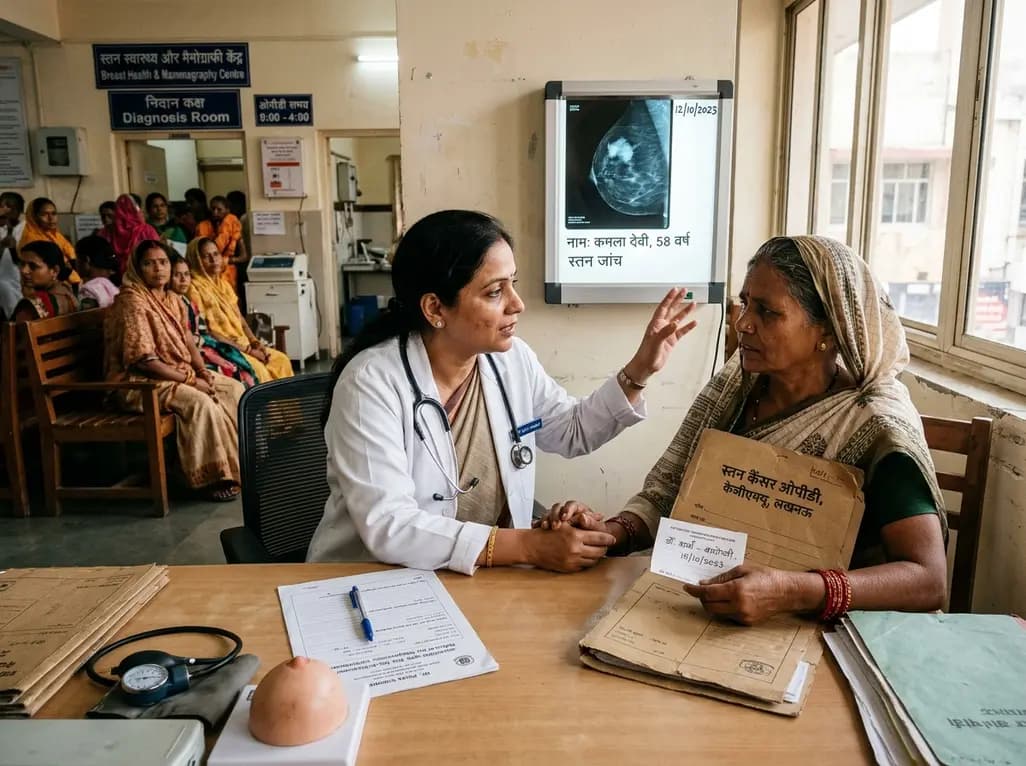
A KGMU study reveals over half of women with breast abnormalities fail to undergo diagnostic confirmation, leading to advanced-stage detection. Discover the socio-cultural barriers, clinical risks of incomplete resection, and community-level solutions needed to bridge the critical screening-to-diagnosis gap in India.
Today
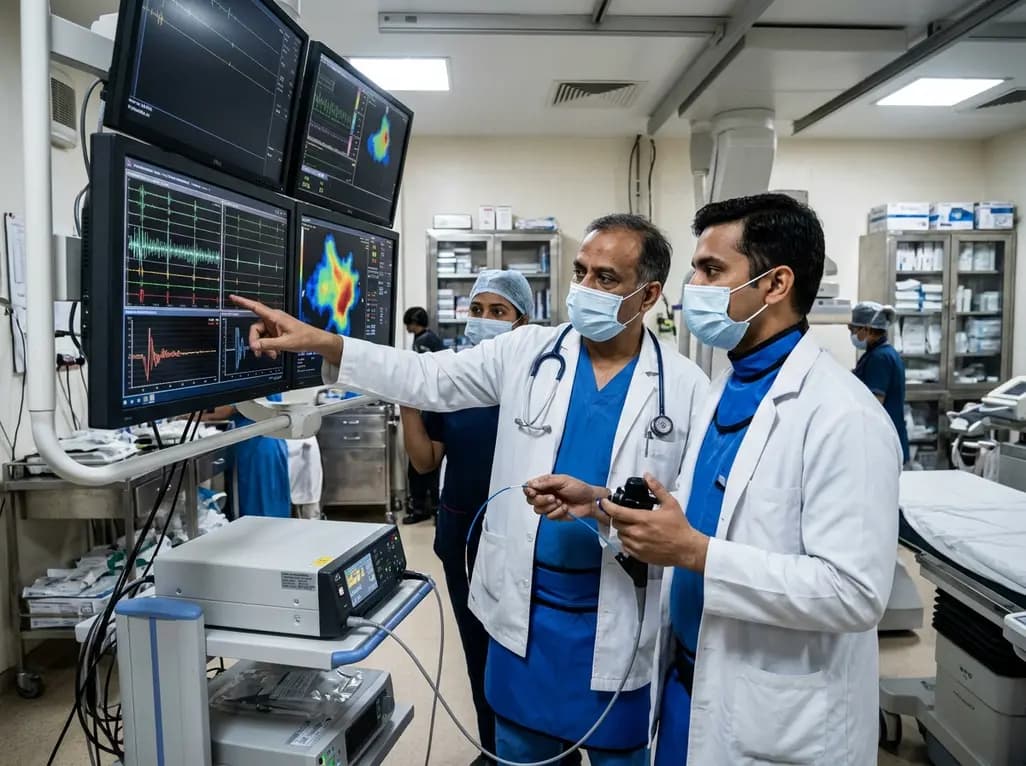
A comparative non-contact study reveals that high-power radiofrequency delivery with the QDOT MICRO catheter induces an artifactual contact force rise. Electrophysiologists must understand this power-dependent thermal and electrical phenomenon to avoid inadvertent catheter withdrawal and ineffective ablation.
Today
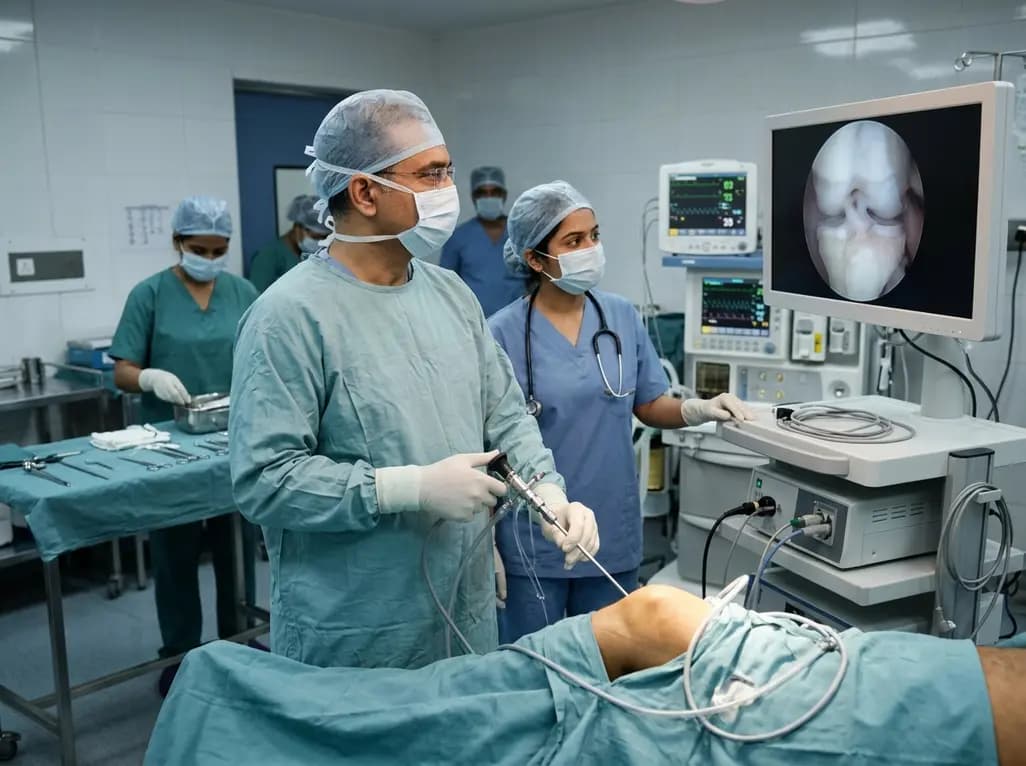
Healthium Medtech has transitioned its arthroscopy vertical into SIRONIX Orthopedics, aiming to capture key segments of the global joint care market. The strategic shift introduces dedicated portfolios in sports medicine, joint regeneration, surgical reconstruction, and digital operating technologies.
Today

Caffeoylquinic acids, such as chlorogenic acid, offer broad antioxidant, antidiabetic, and anti-inflammatory properties. Advanced plant cell and organ culture methods now enable scalable, sustainable, and pure production of these high-value therapeutic metabolites for pharmaceutical and clinical applications.
Today
