

Loading, please wait...
Loading, please wait...
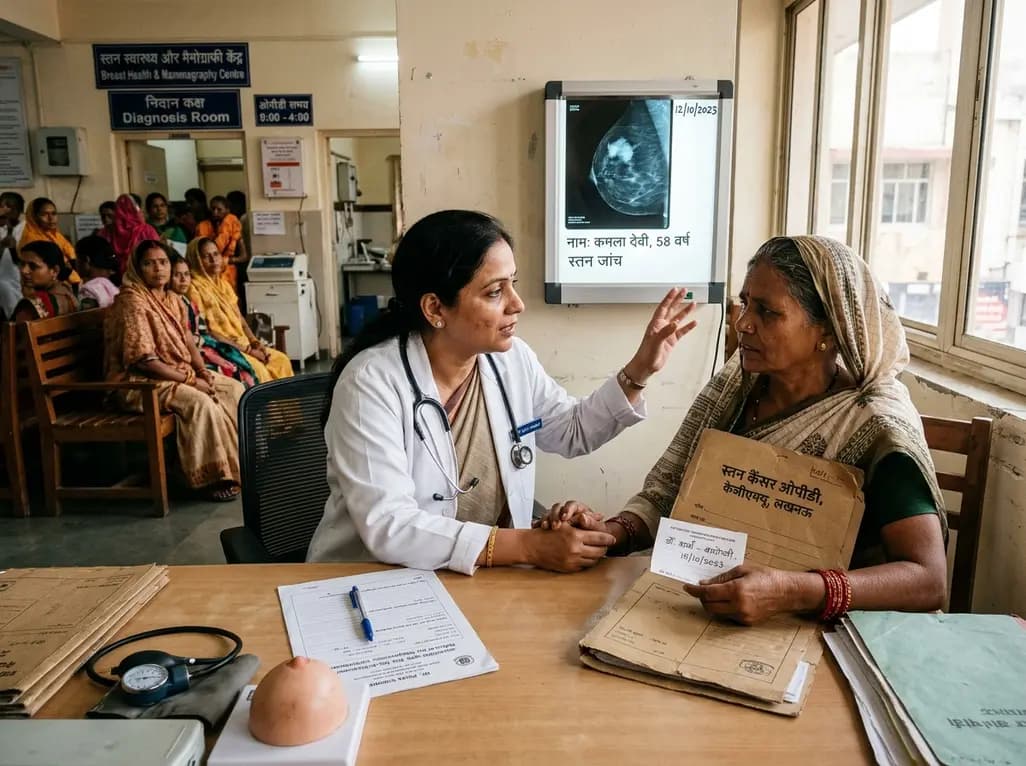
Breast cancer remains the most frequently diagnosed malignancy among women across India, presenting substantial public health and clinical management challenges. Despite widespread community outreach initiatives, high rates of breast cancer screening dropout severely undermine early intervention efforts. Recent empirical findings from King George’s Medical University (KGMU) in Lucknow reveal an alarming attrition rate. Specifically, more than half of women who exhibit palpable breast abnormalities during primary physical examinations never complete confirmatory diagnostic evaluations. Consequently, clinicians frequently encounter patients whose malignancies have already progressed to locally advanced or metastatic stages. Bridging this critical diagnostic chasm demands an urgent, comprehensive reassessment of referral pathways, community engagement, and clinical oncological support.
Recent data presented by surgical oncologists at KGMU underscores the magnitude of diagnostic attrition in Uttar Pradesh. In a comprehensive cohort screening of 51,894 women, healthcare personnel detected abnormal breast findings in approximately 1,557 participants. However, only 639 of these individuals—a meager 41 percent—actually presented to specialized diagnostic facilities for confirmatory imaging or tissue biopsy. Clinicians note that between 50 and 60 percent of symptomatic women fail to complete advised investigations in a timely manner. Because primary clinical breast examinations identify non-specific lumps, cysts, or architectural changes, physical examination alone cannot confirm malignancy. Nonetheless, missing timely confirmatory evaluations forfeits the golden window of early-stage curability. When screening programs lack robust tracking mechanisms, patients slip through administrative cracks. As a result, nearly seven out of ten women diagnosed with breast cancer in the state arrive at tertiary hospitals with late-stage disease. This persistent screening-to-diagnosis gap highlights that screening camps achieve very little without closed-loop navigation systems. Clinicians must recognize that initiating community screening without an organized diagnostic follow-up pathway inadvertently creates a false sense of security while delaying definitive pathology and clinical staging.
Multiple deeply entrenched systemic and psychosocial factors drive high patient attrition between initial screening and hospital-based confirmation. First, pronounced social stigma surrounding female reproductive and breast health fosters immense reluctance among rural and semi-urban women. In many households, women prioritize familial duties and domestic responsibilities over their personal healthcare needs. Consequently, subtle or painless physical signs, such as early-stage breast lumps, are routinely dismissed or concealed. Second, profound fear of a positive cancer diagnosis paralyzes many patients, leading to psychological avoidance and protracted denial. Financial constraints also present insurmountable hurdles. Beyond direct healthcare fees, indirect expenditures—including intercity transit costs, accommodation, and daily wage loss for working family members—discourage timely hospital visits. Furthermore, women frequently express discomfort when undergoing clinical evaluations by male medical practitioners, especially in crowded government outpatient departments. Navigating labyrinthine tertiary hospital facilities poses an additional intimidating challenge for illiterate or socially disadvantaged patients. Without empathetic guidance or designated hospital navigators, patients become overwhelmed by administrative red tape and crowded corridors. Consequently, these compounding sociocultural taboos, gender dynamics, and structural healthcare deficits force vulnerable women to defer necessary diagnostic mammograms and core biopsies until debilitating symptoms manifest.
The clinical consequences of delayed diagnostic confirmation are severe, directly compromising patient survival and limiting therapeutic alternatives. When patients present with tumours smaller than five centimetres, oncologists can perform breast-conserving surgery in 85 to 90 percent of cases. This organ-preserving approach preserves psychological well-being, minimizes physical disfigurement, and optimizes overall quality of life. Conversely, when diagnostic delays exceed three to six months, primary lesions expand relentlessly into the surrounding pectoralis muscle, overlying dermis, and regional lymphatics. Once primary tumours exceed five centimetres or invade local skin and chest wall structures, breast-conserving procedures become medically unfeasible. In these locally advanced presentations, radical or modified radical mastectomy remains the only viable surgical intervention. Furthermore, protracted delay dramatically escalates the likelihood of distant systemic dissemination to bone, lung, liver, or brain. Advanced metastatic disease drastically diminishes five-year survival probabilities and necessitates aggressive palliative regimens. Patients who present late endure intense physical pain, extensive fungating lesions, malignant ulcerations, and profound emotional distress. Therefore, prompt transition from screening to definitive triple assessment—clinical examination, bilateral imaging, and histological confirmation—remains the fundamental determinant of oncological morbidity and survival.
A particularly concerning trend identified by oncologists involves patients turning to alternative medical systems that promise non-invasive or miraculous cures. Driven by fear of surgery, chemotherapy, or alopecia, many women seek refuge in unverified traditional remedies. Unfortunately, patients often persist with these ineffective treatments for months while their underlying malignant neoplasm progresses silently and aggressively. By the time these patients return to conventional medical care, easily treatable early-stage lesions have morphed into unresectable, ulcerated malignancies. In addition to alternative remedies, non-specialized surgical intervention presents another severe clinical jeopardy across rural settings. Frequently, general practitioners or non-oncological surgeons operating outside established tertiary cancer centres attempt hasty, incomplete lumpectomies. These suboptimal procedures often excise only macroscopic nodules while leaving contaminated surgical margins and unaddressed microscopic residual tumour beds behind. Incomplete cancer resections disrupt natural anatomical tissue planes, seed malignant cells locally, and accelerate regional lymphatic dissemination. Moreover, incomplete initial surgeries complicate subsequent definitive oncological re-excision and radiation planning. Therefore, oncologists emphasize that suspected breast malignancies require formal biopsy and staging before definitive surgical resection in accredited centres.
Modern breast oncology hinges on an integrated, multidisciplinary approach rather than isolated surgical interventions. Complete cure and prolonged disease-free survival require the synergistic application of systemic chemotherapy, precision radiation therapy, targeted biologics, and endocrine therapy alongside surgical ablation. For patients presenting with locally advanced disease, modern oncologists frequently administer neoadjuvant chemotherapy. This upfront systemic treatment shrinks bulky tumours, clears nodal metastases, and facilitates subsequent breast conservation. Following definitive surgery, adjuvant radiotherapy eliminates residual microscopic deposits, significantly reducing locoregional recurrence rates. In receptor-positive breast cancers, long-term endocrine therapy with selective estrogen receptor modulators or aromatase inhibitors provides critical protective systemic control. Similarly, human epidermal growth factor receptor 2 (HER2)-targeted monoclonal antibodies have revolutionized prognosis in aggressive subtypes. However, uncoordinated or fragmented care dilutes these therapeutic benefits. Primary care physicians, community gynecologists, and general surgeons must collaborate seamlessly with medical and surgical oncologists. By adopting unified protocols, tertiary centres deliver tailored therapeutic regimens that optimize oncological outcomes while minimizing toxicities. Ultimately, synchronized multidisciplinary care maximizes curative intent, even among patients who experienced initial diagnostic delays.
Closing the screening-to-diagnosis gap requires systematic, multi-tiered interventions that extend from grassroots village communities to specialized tertiary hospitals. First, health administrators must empower Accredited Social Health Activists (ASHA) and auxiliary nurse midwives through specialized oncology training. Because ASHA workers enjoy deep community trust, they can counsel hesitant women, dismantle taboos, and alleviate examination fears. Second, healthcare systems should implement digital health platforms and mobile tracking registries. When a community worker logs an abnormal screening finding, automated mobile tracking can schedule timely appointments and send diagnostic reminders. Third, establishing dedicated cancer navigation desks at district hospitals and medical colleges can demystify complex hospital workflows for rural families. Dedicated female navigators can guide patients directly to diagnostic ultrasound, mammography, and core needle biopsy suites. Additionally, state health insurance schemes, such as Ayushman Bharat, must expand coverage to cover diagnostic transport subsidies and lost-wage allowances. Expanding mobile diagnostic vans equipped with digital mammography and ultrasound can also bring confirmatory testing closer to rural doorsteps. By establishing respectful care and structured referral pathways, public health systems can ensure screened women complete diagnostic evaluations without delay.
Q1: Why do so many women with abnormal breast screening results drop out before diagnostic confirmation?
Women drop out primarily due to intense fear of a cancer diagnosis, cultural stigma surrounding breast examinations, and family responsibilities that prioritize household duties over personal wellness. Additionally, financial constraints, loss of daily wages, lack of affordable transportation, and intense discomfort with male clinicians pose significant hurdles. Navigating complex tertiary hospital facilities without dedicated patient navigators also discourages many rural and semi-urban patients from completing necessary follow-up tests.
Q2: How does a tumour size of less than 5 cm influence breast cancer surgical outcomes?
Detecting a breast tumour when it measures less than five centimetres allows surgical oncologists to perform breast-conserving surgery in approximately 85 to 90 percent of cases. This organ-preserving approach successfully removes the malignancy while maintaining natural breast aesthetics and psychological well-being. Once tumours expand beyond five centimetres or invade adjacent thoracic structures, clinicians must perform more extensive procedures, often making total mastectomy and axillary clearance medically unavoidable.
Q3: Why is incomplete cancer surgery outside specialized centres dangerous for breast cancer patients?
Incomplete cancer surgeries performed by non-specialized practitioners frequently remove only the visible lump while leaving residual malignant cells behind in the breast tissue. This incomplete resection disrupts surgical planes, accelerates regional tumour recurrence, and markedly elevates the risk of distant metastatic dissemination. Furthermore, uncurated initial procedures complicate subsequent re-excision and radiation planning, significantly worsening the patient’s overall prognosis and reducing long-term survival chances.
Disclaimer: This content is for informational and educational purposes only. It does not constitute medical advice or replace professional judgment. Refer to the latest local and national guidelines for clinical practice.
References

Read summarized clinical updates, watch expert medical content, and earn CME certifications right from your smartphone.
Open your smartphone camera to scan and install.





A KGMU study reveals over half of women with breast abnormalities fail to undergo diagnostic confirmation, leading to advanced-stage detection. Discover the socio-cultural barriers, clinical risks of incomplete resection, and community-level solutions needed to bridge the critical screening-to-diagnosis gap in India.
Today

The 2026 KASID guidelines outline evidence-based recommendations for Crohn's disease medical management. Covering advanced biologics, small molecules, biosimilars, and individualized therapeutic strategies, the update helps clinicians optimize long-term remission and mucosal healing in adult patients.
Today
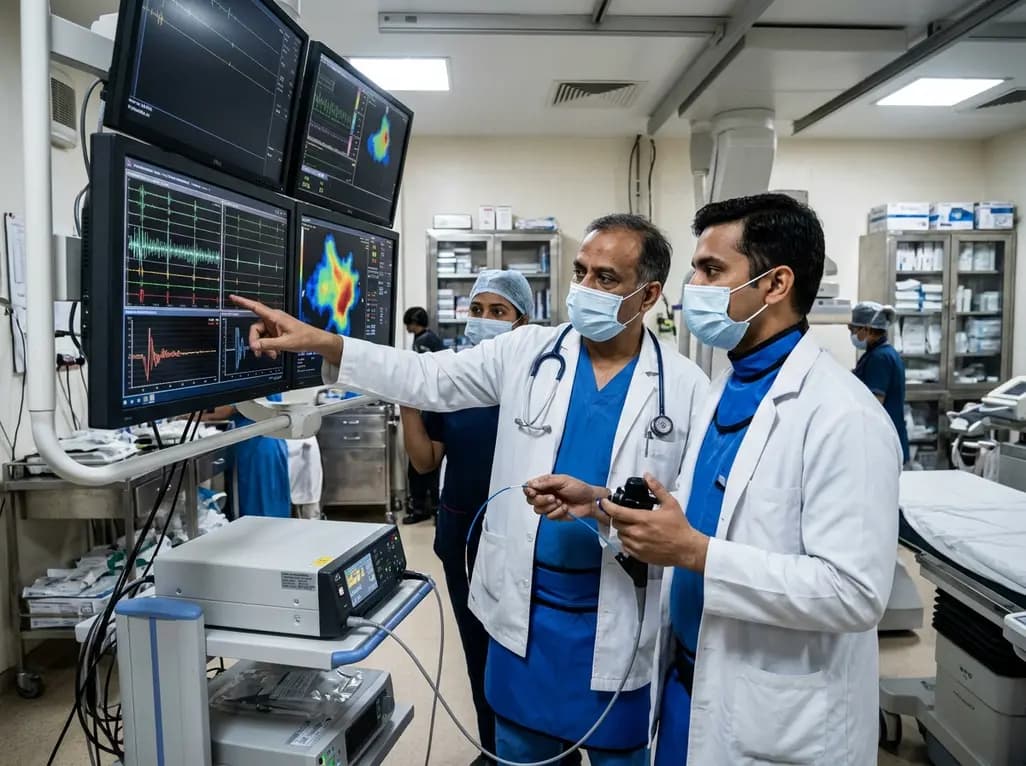
A comparative non-contact study reveals that high-power radiofrequency delivery with the QDOT MICRO catheter induces an artifactual contact force rise. Electrophysiologists must understand this power-dependent thermal and electrical phenomenon to avoid inadvertent catheter withdrawal and ineffective ablation.
Today
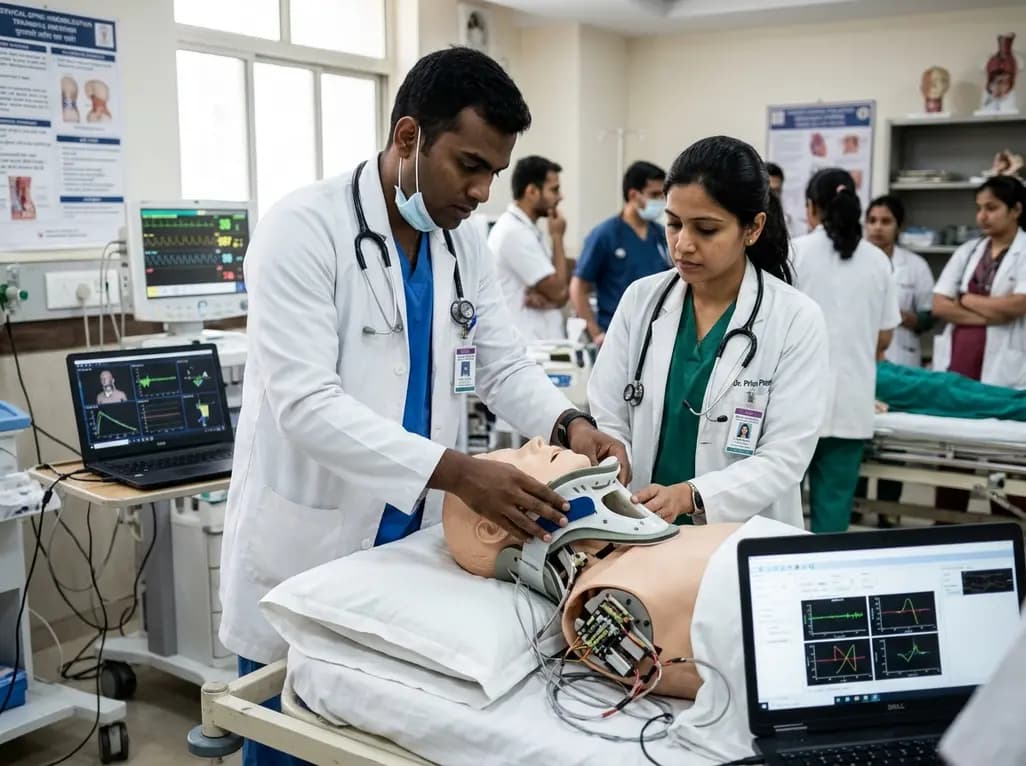
A novel proof-of-concept study presents a six-degree-of-freedom articulated manikin neck equipped with linear potentiometers. The system provides real-time kinematic motion feedback during cervical immobilisation, delivering sub-degree tracking accuracy to improve pre-hospital trauma training and patient safety.
Today
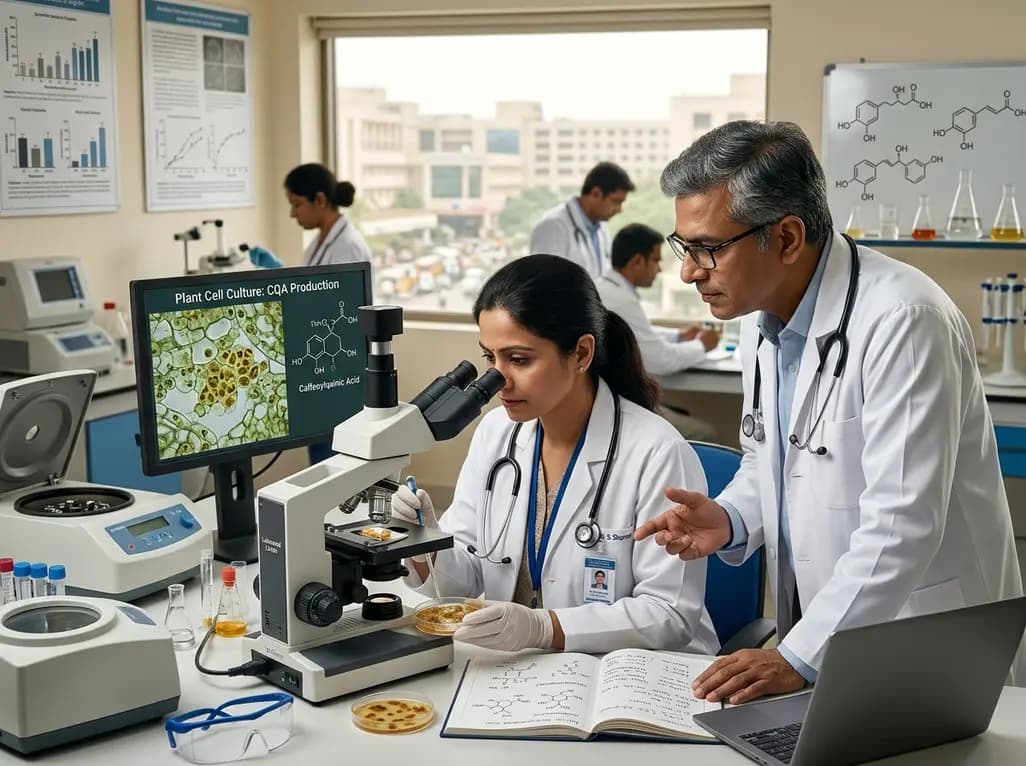
Caffeoylquinic acids, such as chlorogenic acid, offer broad antioxidant, antidiabetic, and anti-inflammatory properties. Advanced plant cell and organ culture methods now enable scalable, sustainable, and pure production of these high-value therapeutic metabolites for pharmaceutical and clinical applications.
Today
