

Loading, please wait...
Loading, please wait...

Recent genetic findings have established a notable association between gout and epilepsy risk. For years, clinicians observed overlapping patterns between chronic systemic metabolic conditions and central nervous system excitability. However, observational research frequently faced confounding factors, such as shared comorbidities, medication side effects, and diet. Consequently, establishing whether hyperuricemia directly precipitates seizure disorders remained a persistent challenge for researchers. In this context, investigators implemented modern genetic epidemiology to evaluate the true direction of causation. Specifically, they utilized a two-sample Mendelian randomization approach to minimize traditional biases. Because genetic alleles are randomly assigned during gametogenesis, this method mimics a natural randomized controlled trial. Therefore, the resulting data provide reliable evidence regarding how chronic purine dysregulation influences neurological vulnerability. Clinicians must now re-examine how peripheral inflammatory cascades affect brain health over extended periods. Furthermore, understanding this metabolic connection allows physicians to recognize potential neurological risks much earlier in vulnerable patients.
To dissect this complex relationship, researchers employed summary-level data from large genome-wide association studies. They retrieved epilepsy datasets from the International League Against Epilepsy to ensure comprehensive diagnostic coverage. Additionally, the team extracted genetic instruments for gout from the FinnGen consortium and independent cohort meta-analyses. They also gathered serum uric acid datasets from BioBank Japan to evaluate biochemical mechanisms separately. Subsequently, the researchers selected the inverse-variance weighted method as their primary analytical model for causal inference. Because horizontal pleiotropy can occasionally distort genetic estimates, the investigators conducted rigorous sensitivity analyses. For instance, they complemented the primary model with MR-Egger, weighted median, and MR using Robust Adjusted Profile Score. In particular, this robust score successfully corrected for potential weak instrument bias arising from restricted genetic variants. Consequently, these multi-tiered analytical safeguards confirmed that the observed association reflected genuine biological effects rather than statistical artifacts. Thus, the analytical architecture established a highly dependable framework for evaluating causal disease pathways.
The investigation revealed compelling statistical evidence linking gout predisposition directly to neurological vulnerability. Specifically, genetically predicted gout demonstrated a statistically significant causal association with an increased incidence of epilepsy. The primary inverse-variance weighted analysis yielded an odds ratio of 1.014 with narrow confidence limits. Although this numerical odds ratio appears modest at first glance, it carries substantial population-level significance. Chronic metabolic illnesses affect millions of people worldwide, meaning even modest relative increments generate considerable cumulative disease burdens. Furthermore, secondary sensitivity analyses corroborated the consistency and direction of this primary outcome. The consistency across diverse analytical methods strongly argues against unmeasured confounding or chance findings. In addition, bidirectional analyses clarified the temporal sequence, indicating that gout promotes epileptogenic risk rather than the reverse. Therefore, these statistical insights challenge the historical notion that gout remains strictly confined to peripheral articular tissues. Instead, the data confirm that systemic purine metabolism abnormalities exert broader effects across the human nervous system.
Several plausible biological pathways explain how chronic purine metabolic dysfunction contributes to epileptogenesis. First, persistent hyperuricemia often drives sterile systemic inflammation through the activation of the NLRP3 inflammasome complex. When activated, these inflammatory cascades release potent circulating cytokines, such as interleukin-1-beta and tumor necrosis factor. Consequently, sustained peripheral cytokine release compromises the integrity of the blood-brain barrier over time. Once the barrier weakens, neuro-inflammatory processes accelerate, altering local neurotransmitter clearance and synaptic receptor density. Furthermore, uric acid acts as a pro-oxidant within hydrophobic cellular microenvironments, despite its hydrophilic antioxidant properties. Intracellular oxidative stress damages delicate neuronal membrane lipids and disrupts essential astrocytic glutamate transporters. As a result, excessive extracellular glutamate accumulates in synaptic clefts, precipitating significant excitotoxicity. Therefore, this continuous low-grade neuro-inflammation progressively lowers seizure thresholds in susceptible brain regions. Ultimately, chronic metabolic inflammation transforms normal cerebral circuitry into hyper-excitable neuronal networks prone to unprovoked seizures.
These genetic findings offer actionable implications for general practitioners, rheumatologists, and neurologists managing complex patient cohorts. First, clinicians should maintain greater vigilance for unexplained neurological symptoms in patients presenting with severe gout. For example, recurrent transient episodes of confusion or sudden sensory distortions warrant thorough clinical evaluation. Additionally, physicians must consider drug-drug interactions when selecting therapies for concurrent metabolic and neurological disorders. Certain anti-seizure medications alter uric acid excretion, while anti-inflammatory therapies may interact with neuroactive compounds. Moreover, aggressive long-term management of chronic hyperuricemia might theoretically reduce secondary inflammatory neurovascular stress. Although clinicians should not prescribe anti-seizure medications prophylactically, early lifestyle interventions remain universally beneficial. Controlling purine intake, managing body weight, and treating hypertension simultaneously protect articular joints and cerebral vasculature. Therefore, multidisciplinary communication between primary physicians and specialists is essential for optimizing overall long-term patient outcomes. A comprehensive approach ensures that metabolic control actively supports neurological resilience over time.
While this Mendelian randomization study provides critical causal clues, further clinical investigations remain necessary. Future prospective studies should investigate whether sustained urate-lowering therapy reduces incident seizure rates in high-risk groups. Additionally, researchers must explore whether specific clinical phenotypes of gout correlate with distinct types of epilepsy. For instance, focal seizures with impaired awareness might demonstrate different susceptibility patterns than generalized tonic-clonic convulsions. Furthermore, basic scientists need to examine how microglial activation responds to oscillating serum urate levels. Advanced neuroimaging modalities and cerebrospinal fluid biomarker panels will help track neurovascular changes in patients with chronic gout. Moreover, including genetically diverse cohorts from South Asia, Africa, and Latin America will improve global generalizability. Because past studies relied heavily on European and East Asian databases, broader global representation is imperative. Consequently, continued interdisciplinary research will illuminate novel therapeutic targets bridging rheumatology and neurobiology. In doing so, modern medicine can advance personalized preventative care for vulnerable metabolic patients.
The recent Mendelian randomization analysis confirmed a causal link between genetically predicted gout and epilepsy risk. By using genetic variants as unconfounded instrumental variables, researchers eliminated traditional observational biases and reverse causation. The investigators identified a statistically significant odds ratio of 1.014. Consequently, the findings indicate that chronic purine dysregulation elevates seizure vulnerability. Therefore, clinicians must recognize gout as a systemic disorder that influences central nervous system excitability beyond peripheral joints.
Elevated serum uric acid promotes prolonged systemic inflammation and oxidative stress rather than triggering sudden mechanical seizures. Chronic hyperuricemia stimulates the NLRP3 inflammasome, which releases pro-inflammatory cytokines into the bloodstream. Over extended periods, these circulating cytokines compromise the blood-brain barrier and alter cerebral neurotransmission. Furthermore, impaired astrocytic glutamate reuptake increases synaptic excitability in susceptible regions. Therefore, persistent metabolic dysfunction creates a permissive environment that progressively lowers the seizure threshold over time.
Clinicians do not need to order routine neuroimaging or electroencephalograms for every asymptomatic patient with gout. However, physicians should maintain heightened clinical awareness regarding unprovoked neurological signs. Practitioners ought to question patients about unexplained blackouts, sudden episodes of confusion, or involuntary muscle jerks during routine follow-up visits. If unusual neurological manifestations occur, prompt referral to a neurologist is warranted. Additionally, optimizing long-term urate-lowering therapy and managing vascular risk factors supports overall brain health.
Disclaimer: This content is for informational and educational purposes only... Refer to the latest local and national guidelines for clinical practice.
References

Read summarized clinical updates, watch expert medical content, and earn CME certifications right from your smartphone.
Open your smartphone camera to scan and install.





A novel two-sample Mendelian randomization study demonstrates a causal genetic relationship between gout and an increased risk of epilepsy, highlighting the systemic neuro-inflammatory pathways connecting metabolic dysfunction and seizure disorders.
Today

A KGMU study reveals over half of women with breast abnormalities fail to undergo diagnostic confirmation, leading to advanced-stage detection. Discover the socio-cultural barriers, clinical risks of incomplete resection, and community-level solutions needed to bridge the critical screening-to-diagnosis gap in India.
Today
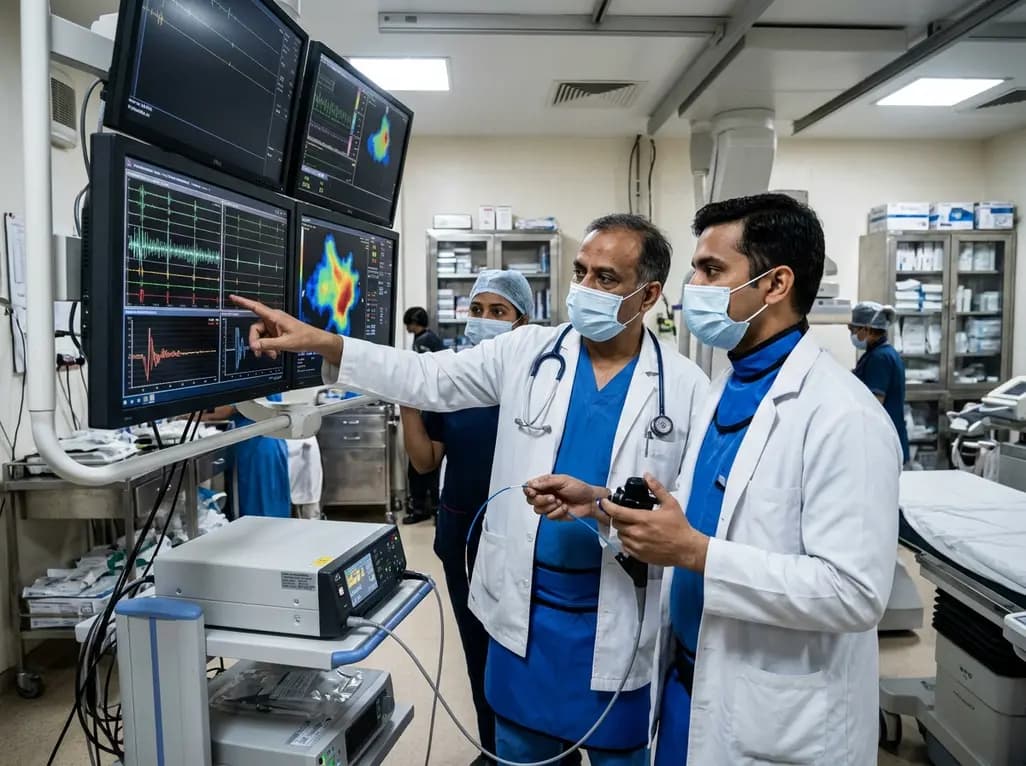
A comparative non-contact study reveals that high-power radiofrequency delivery with the QDOT MICRO catheter induces an artifactual contact force rise. Electrophysiologists must understand this power-dependent thermal and electrical phenomenon to avoid inadvertent catheter withdrawal and ineffective ablation.
Today
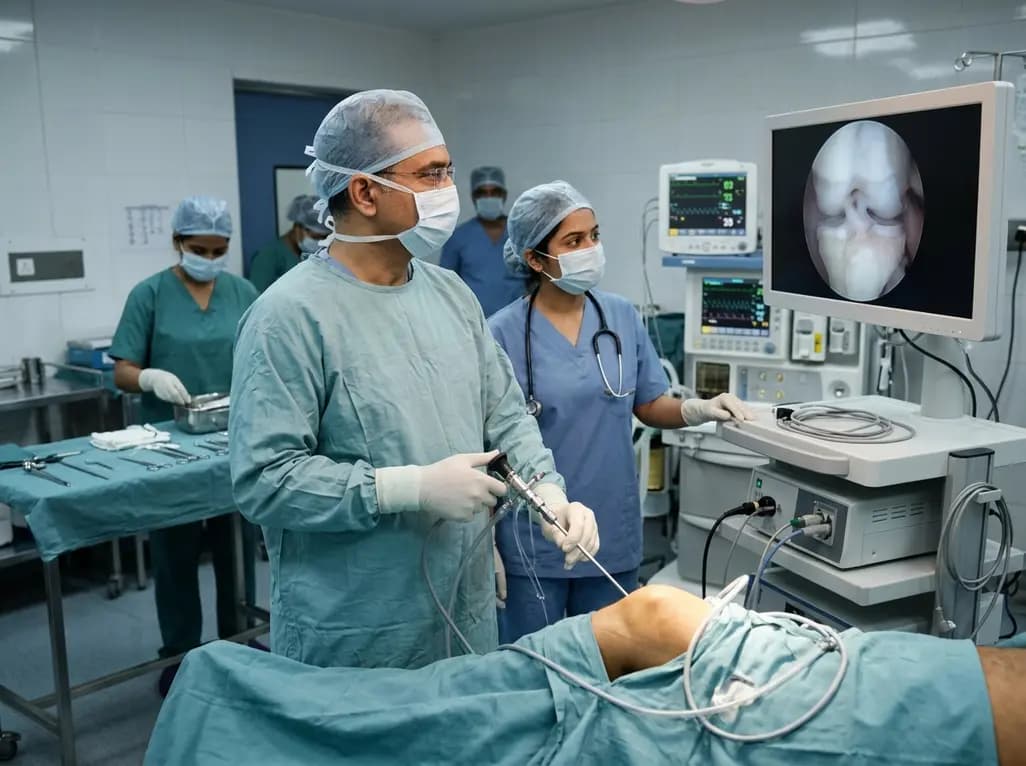
Healthium Medtech has transitioned its arthroscopy vertical into SIRONIX Orthopedics, aiming to capture key segments of the global joint care market. The strategic shift introduces dedicated portfolios in sports medicine, joint regeneration, surgical reconstruction, and digital operating technologies.
Today

Caffeoylquinic acids, such as chlorogenic acid, offer broad antioxidant, antidiabetic, and anti-inflammatory properties. Advanced plant cell and organ culture methods now enable scalable, sustainable, and pure production of these high-value therapeutic metabolites for pharmaceutical and clinical applications.
Today
