

Loading, please wait...
Loading, please wait...

Bioactive phenolic compounds play an increasingly significant role in modern integrative pharmacotherapy and preventive medicine. Notably, caffeoylquinic acids represent a vital class of dietary and medicinal phytochemicals with diverse therapeutic potential. In particular, these natural compounds arise through the esterification of quinic acid and hydroxycinnamic acids like caffeic acid. Therefore, chlorogenic acid serves as the primary dietary representative within this molecular family. Furthermore, clinical interest in these polyphenols continues to expand across modern pharmacology and endocrinology. As a result, researchers are rigorously investigating their systemic protective mechanisms.
Naturally occurring caffeoylquinic acids exhibit an impressive range of pharmacological activities that capture multidisciplinary interest. Specifically, these compounds demonstrate potent radical-scavenging actions that counter oxidative stress in cellular microenvironments. Consequently, they attenuate cellular damage caused by reactive oxygen species and reactive nitrogen species. In addition to antioxidant defense, these molecules display notable antiviral, antibacterial, and antiparasitic efficacy against common pathogenic strains. Furthermore, laboratory investigations demonstrate substantial antineoplastic properties in diverse neoplastic models. Researchers have observed that these phenolic acids trigger apoptosis and inhibit abnormal cellular proliferation in oncogenic assays. Moreover, topical applications illustrate substantial dermatological benefits, including accelerated tissue repair and photoprotection against harmful ultraviolet radiation. As a result, cosmetic formulators frequently integrate these extracts into advanced restorative skin care regimens. Similarly, veterinary medicine and food technology utilize these molecules for natural antimicrobial preservation and livestock health optimization. Therefore, caffeoylquinic acids represent versatile therapeutic candidates bridging nutrition, pharmacology, and aesthetic dermatology. Accordingly, researchers emphasize their broad utility across preventive medicine and chronic illness management. Clinical investigators continue to explore these multidimensional bioactivities in human clinical studies.
From an endocrinological perspective, chlorogenic acid and related isomers demonstrate profound modulation of glucose and lipid homeostasis. For example, these metabolites inhibit intestinal glucose absorption through the selective down-regulation of sodium-dependent glucose transporters. Additionally, they suppress hepatic glucose-6-phosphatase activity, thereby blunting excessive endogenous gluconeogenesis and glycogenolysis. Consequently, patients consuming these polyphenols experience reduced postprandial glycemic excursions and enhanced systemic insulin sensitivity. Furthermore, caffeoylquinic acids stimulate AMP-activated protein kinase pathways within skeletal muscle and hepatic tissues. This metabolic activation promotes peripheral glucose utilization while concurrently enhancing mitochondrial fatty acid beta-oxidation. As a result, these bioactive molecules effectively reduce circulating triglycerides and low-density lipoprotein cholesterol levels. In addition, experimental models indicate that these agents down-regulate pro-inflammatory nuclear factor kappa B signaling in adipose tissue. Thus, they attenuate chronic low-grade inflammation associated with obesity and metabolic syndrome. Moreover, clinicians recognize that modulating these distinct pathways offers viable adjunctive strategies for managing type 2 diabetes. Therefore, standardized formulations containing these active phenolics hold substantial therapeutic value for metabolic health.
Despite their therapeutic promise, securing dependable supplies of caffeoylquinic acids presents significant agricultural and industrial hurdles. In natural ecosystems, the accumulation of these compounds varies widely across diverse plant species, organs, and developmental stages. For instance, foliar concentrations often differ dramatically from root or stem profiles within identical specimens. Furthermore, unpredictable climatic shifts, seasonal variations, soil mineral depletion, and microbial infestations alter secondary metabolite yields. Consequently, commercial manufacturers struggle to obtain chemically uniform botanical extracts from wild-harvested or conventionally farmed flora. In addition, intensive field harvesting frequently threatens endangered medicinal plant species and depletes sensitive regional ecosystems. Conventional solvent extraction also generates undesirable ecological footprints while leaving hazardous chemical residues in crude preparations. Therefore, pharmaceutical regulators demand more reliable, contaminant-free, and standardized manufacturing methodologies. Moreover, batch-to-batch variations in traditional agriculture undermine clinical reproducibility in pharmacotherapeutic trials. As a result, medical and botanical researchers have turned toward advanced biotechnological platforms. These cutting-edge techniques bypass geographical limitations and eliminate environmental variability entirely. Accordingly, establishing controlled bio-production systems ensures steady supplies of standardized active pharmaceutical ingredients. This sustainable paradigm guarantees consistent therapeutic potency for commercial health preparations.
Biotechnological interventions offer sustainable solutions by leveraging in vitro plant cell and organ culture platforms. Specifically, researchers establish dedifferentiated callus cultures and suspension cell systems from high-yielding elite mother plants. Consequently, these suspended cells proliferate rapidly under sterile, strictly regulated laboratory environments. In addition, advanced organ culture systems, such as adventitious and transformed hairy root cultures, provide outstanding metabolic stability. Adventitious roots exhibit rapid biomass accumulation alongside high biosynthetic capacities for specialized phenolic derivatives. Furthermore, transformed hairy roots generated via Agrobacterium rhizogenes infection offer genetic stability and hormone-independent proliferation. Researchers carefully optimize nutrient formulations by fine-tuning basal media compositions and adjusting macronutrient salt strengths. Moreover, altering sucrose concentrations and maintaining specific plant growth regulator ratios directly drives secondary metabolic pathways. As a result, these bioreactor systems consistently synthesize caffeoylquinic acids without seasonal interruption. Therefore, in vitro culture provides an eco-friendly and scalable platform for high-value bioactive production. This biotechnological approach represents an unprecedented leap forward for botanical pharmaceutical engineering. Additionally, closed bioreactor vessels prevent external pest contamination and toxic pesticide exposure. Consequently, the resulting biomass meets strict pharmacopeial purity guidelines for oral therapeutics.
To maximize compound accumulation, bioengineers deploy sophisticated physical and chemical elicitation techniques across culture vessels. For example, abiotic elicitors such as ultraviolet radiation, salinity stress, and heavy metal ions trigger protective secondary pathways. Similarly, biotic elicitors including methyl jasmonate, salicylic acid, and fungal cell wall fragments stimulate defense genes. Furthermore, these elicitors activate key structural enzymes like phenylalanine ammonia-lyase and hydroxycinnamoyl-CoA quinate transferase. Consequently, cultured cells dramatically increase their intracellular synthesis of caffeoylquinic acids. In addition to chemical elicitors, physical variables significantly dictate ultimate product yields. Specifically, operators adjust light-emitting diode spectral quality, photoperiod durations, agitation rates, and culture temperatures within modern bioreactors. Moreover, applying two-stage culture strategies separates initial biomass proliferation from secondary elicitation phases. As a result, industrial facilities achieve remarkably elevated volumetric productivities while reducing cultivation timelines. Therefore, combining targeted elicitation with automated bioreactor monitoring establishes robust bioprocessing pipelines. Accordingly, these optimized platforms ensure cost-effective production for multinational pharmaceutical applications. Furthermore, real-time analytics permit precise metabolic adjustments during active cultivation cycles. Thus, bioengineers maintain optimal metabolic throughput while preserving cell viability across extended fermentation periods.
The industrial availability of pure, biotechnologically derived caffeoylquinic acids holds transformative implications for clinical practice. In contemporary medical settings, clinicians constantly seek standardized phytopharmaceuticals that provide predictable pharmacokinetics and bioavailability. Because biotechnological production eliminates toxic agrochemicals and environmental pollutants, these refined compounds satisfy stringent regulatory benchmarks. Furthermore, standardized chlorogenic acid preparations enable precise clinical dosing in trials evaluating metabolic dysfunction, steatohepatitis, and hypertension. In addition, dermatologists can leverage ultra-pure formulations to formulate topical emulsions that accelerate epidermal healing without contact irritation. Similarly, oncologists and immunologists can investigate targeted therapeutic combinations with lower risks of batch-dependent toxicity. Moreover, sustainable in vitro production directly safeguards global biodiversity by replacing destructive wild harvesting practices. As a result, modern phytomedicine successfully unites ancient botanical wisdom with rigorous pharmaceutical manufacturing standards. Therefore, healthcare providers can anticipate a future where high-purity phytochemicals support evidence-based patient management. Ultimately, these biotechnological triumphs herald a new era of standardized botanical pharmacotherapy. Accordingly, continued clinical investigation will define precise therapeutic windows and drug interaction profiles. Consequently, physicians will soon possess validated phytopharmaceutical tools for chronic disease management.
Caffeoylquinic acids, particularly chlorogenic acid, significantly improve human metabolic health by modulating glucose and lipid pathways. They suppress intestinal carbohydrate absorption, inhibit hepatic glucose-6-phosphatase activity, and activate AMP-activated protein kinase. Consequently, these actions lower postprandial blood sugar spikes, enhance cellular insulin sensitivity, and promote hepatic fatty acid oxidation. Therefore, regular intake supports glycemic regulation and aids in managing obesity, metabolic syndrome, and early-stage type 2 diabetes mellitus.
Wild harvesting yields fluctuating concentrations of secondary metabolites due to changing seasonal, climatic, and soil conditions. Furthermore, uncontrolled gathering threatens vulnerable plant species and ecosystems. In contrast, plant cell and organ cultures operate under sterile, fully optimized laboratory environments. This reliable bioprocess eliminates environmental pollutants, ensures reproducible batch-to-batch chemical purity, and allows continuous year-round manufacturing. Consequently, pharmaceutical companies obtain superior, standardized botanical compounds for therapeutic and nutraceutical development.
These phenolic compounds mitigate neuroinflammation and neurodegeneration by neutralizing free radicals and activating endogenous antioxidant defenses via Nrf2 pathways. Additionally, they down-regulate nuclear factor kappa B, suppressing pro-inflammatory cytokines like interleukin-1 beta and tumor necrosis factor-alpha. Furthermore, caffeoylquinic acids protect neuronal membranes from lipid peroxidation and mitigate beta-amyloid toxicity. As a result, these systemic neuroprotective and anti-inflammatory actions help preserve cognitive function and reduce central nervous system neurodegenerative progression.
Disclaimer: This content is for informational and educational purposes only and does not substitute professional clinical judgment. Refer to the latest local and national guidelines for clinical practice.
References
Murthy HN et al. Biotechnological production of caffeoylquinic acids from plant cell and organ cultures for pharmaceutical, nutraceutical, and cosmetic applications. Crit Rev Biotechnol. 2026 Oct 25. doi: 10.1080/07388551.2026.2743724. PMID: 42928001.
Magaña AA, Kamimura N, Soumyanath A, Stevens JF, Maier CS. Caffeoylquinic acids: Chemistry, biosynthesis, occurrence, analytical challenges, and bioactivity. Plant J. 2021;107(5):1299-1319. doi: 10.1111/tpj.15390. PMID: 34171156.
Liang N, Kitts DD. Role of chlorogenic acids in controlling oxidative and inflammatory stress conditions. Nutrients. 2015;8(1):16. doi: 10.3390/nu8010016. PMID: 26712785.

Read summarized clinical updates, watch expert medical content, and earn CME certifications right from your smartphone.
Open your smartphone camera to scan and install.





Caffeoylquinic acids, such as chlorogenic acid, offer broad antioxidant, antidiabetic, and anti-inflammatory properties. Advanced plant cell and organ culture methods now enable scalable, sustainable, and pure production of these high-value therapeutic metabolites for pharmaceutical and clinical applications.
Today
The KASID clinical guidelines provide an evidence-based roadmap for the diagnosis and monitoring of inflammatory bowel disease, highlighting objective treat-to-target strategies, non-invasive biomarker utilization, cross-sectional imaging advancements, nutritional optimization, and colorectal cancer surveillance.
Today
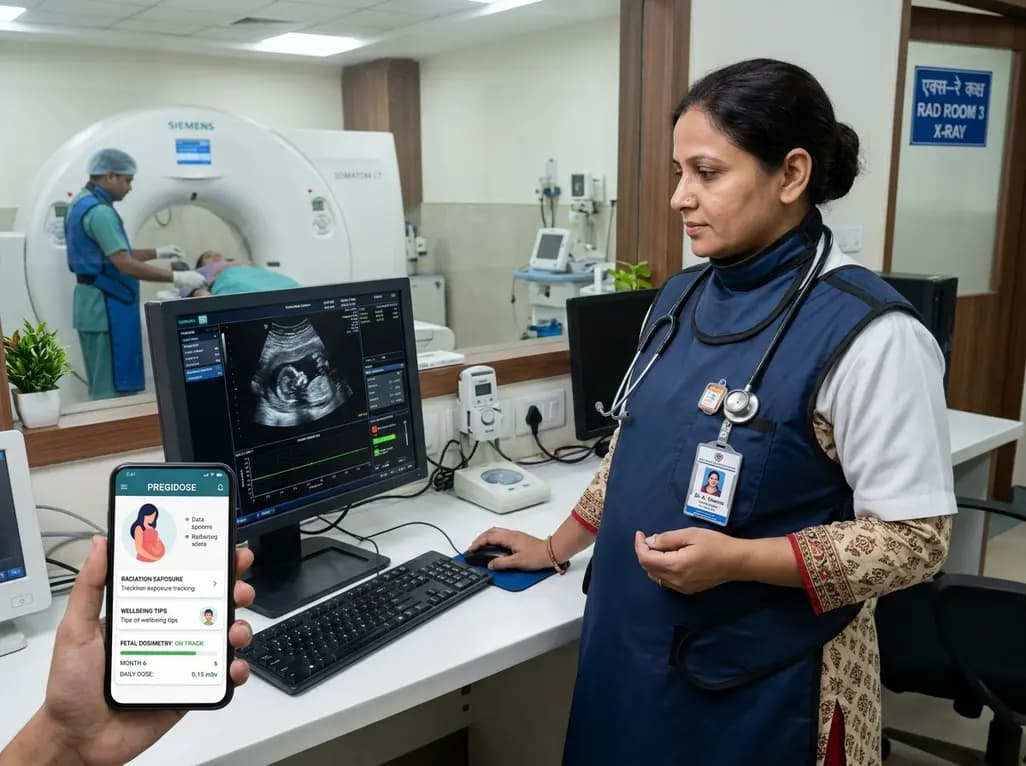
PregiDose is an innovative, user-centred mobile app designed to support pregnant radiographers by enhancing fetal dosimetry, occupational safety education, and psychosocial well-being. It bridges gaps in clinical radiation monitoring and aligns with global healthcare standards.
Today
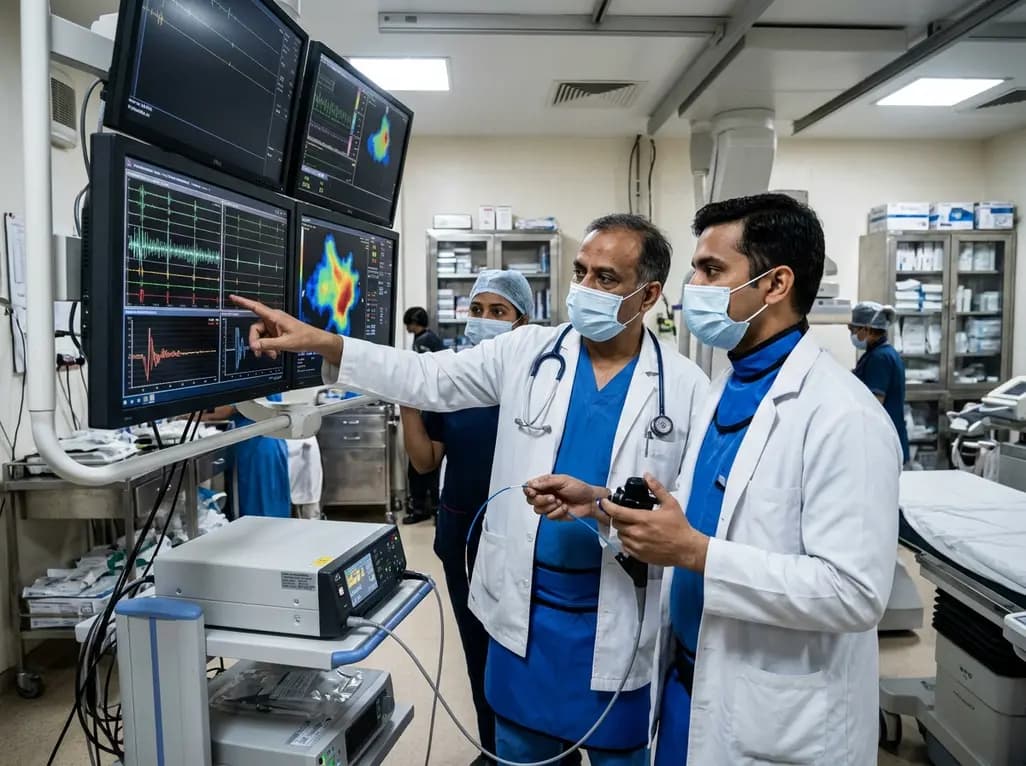
A comparative non-contact study reveals that high-power radiofrequency delivery with the QDOT MICRO catheter induces an artifactual contact force rise. Electrophysiologists must understand this power-dependent thermal and electrical phenomenon to avoid inadvertent catheter withdrawal and ineffective ablation.
Today

A novel proof-of-concept study presents a six-degree-of-freedom articulated manikin neck equipped with linear potentiometers. The system provides real-time kinematic motion feedback during cervical immobilisation, delivering sub-degree tracking accuracy to improve pre-hospital trauma training and patient safety.
Today
