.webp&w=384&q=75)

Loading, please wait...
Loading, please wait...

Locally advanced T4b thoracic tumors that directly infiltrate the aorta represent one of the most formidable oncologic dilemmas. Historically, clinicians regarded these invasive lesions as incurable due to catastrophic bleeding risks. Today, incorporating TEVAR in esophageal cancer is transforming this treatment landscape. Thoracic endovascular aortic repair shields the arterial wall from rapid tumor necrosis during intensive systemic therapy. Consequently, this intervention converts previously prohibitive vascular risks into viable pathways for curative-intent surgery.
T4b esophageal carcinoma accounts for nearly five percent of all esophageal malignancies. When malignant cells infiltrate the descending thoracic aorta, standard therapeutic options narrow dramatically. Neoadjuvant chemoradiotherapy serves as the primary standard for local disease control. However, effective tumor regression frequently creates a severe clinical paradox. Rapid cytoreduction can degrade the shared adventitial barrier between the esophagus and the aorta. Consequently, this rapid tissue breakdown precipitates an aortoesophageal fistula, which frequently triggers exsanguinating hemorrhage.
Historically, vascular collapse during neoadjuvant therapy was almost uniformly lethal. Clinicians often reduced radiation doses or avoided aggressive induction regimens because they feared imminent vascular rupture. Unfortunately, suboptimal therapy compromises oncologic control and accelerates cancer progression. Therefore, interdisciplinary teams require effective vascular stabilization strategies to protect the vessel wall before administering intensive antineoplastic treatments.
Vascular interventions generally follow two distinct paradigms: emergency salvage deployment or planned prophylactic placement. Salvage TEVAR occurs in the setting of acute, catastrophic gastrointestinal bleeding or overt vascular fistulization. Although emergent stenting can achieve temporary hemodynamic stability, the associated mortality remains excessively high. In contrast, elective TEVAR in esophageal cancer operates proactively before initiating aggressive chemoradiotherapy.
Recent clinical evidence demonstrates that elective stent-graft deployment yields markedly superior outcomes compared to emergency procedures. Prophylactic coverage seals the aortic lumen adjacent to the tumor margin and structurally reinforces the compromised arterial wall. Furthermore, planned placement avoids the profound hemodynamic instability, hemorrhagic shock, and high infectious rates seen with emergency procedures. Therefore, oncologists increasingly advocate for preemptive vascular protection before administering heavy radiation or induction regimens.
Beyond preventing fatal hemorrhage, endovascular stenting expands surgical opportunities. Complete surgical resection with negative margins remains the cornerstone of long-term oncologic survival. Historically, surgeons deemed T4b lesions unresectable due to inevitable aortic tearing during mediastinal dissection. However, elective TEVAR provides a durable mechanical buffer along the aortic inner curvature.
This protective endovascular barrier allows radiation oncologists to deliver definitive or neoadjuvant radiation doses without fear of acute wall rupture. In addition, aggressive systemic chemotherapy regimens downstage extensive tumors effectively. When reassessment imaging demonstrates favorable local regression, surgical teams can proceed safely with conversion esophagectomy. During mediastinal dissection, the endograft supports the aortic wall, preventing catastrophic intraoperative exsanguination and enabling complete margin-negative resection.
Accumulating retrospective cohort studies and narrative syntheses validate this combined approach. Clinicians observe that patients undergoing elective stent placement followed by definitive resection achieve significantly prolonged overall survival. In addition, local recurrence rates decline markedly among individuals who successfully complete both endovascular protection and radical surgical excision.
Nevertheless, clinicians must interpret these promising observational results with caution. Most available literature consists of retrospective analyses and institutional series, which introduces clear selection bias. Heterogeneity in chemotherapy regimens, radiation delivery techniques, and patient selection criteria also complicates direct comparisons across institutions. Thus, while elective endovascular repair offers an effective bridge to resection, definitive multi-institutional prospective trials must clarify optimal patient stratification protocols.
Implementing an endovascular bridge strategy requires tight coordination among surgical oncologists, vascular surgeons, radiation oncologists, and interventional radiologists. Careful anatomic staging with contrast-enhanced computed tomography and endoscopic ultrasound is essential. Specifically, teams must assess the exact circumferential contact between the tumor and the aortic wall. Infiltration exceeding ninety degrees generally denotes true invasion and high fistula risk.
Furthermore, physicians must balance mechanical protection against potential endovascular complications. Foreign material placed directly adjacent to an infected or necrotic esophagus carries risks of secondary graft infection and late erosion. Therefore, clinicians must maintain diligent postoperative surveillance with serial cross-sectional imaging and inflammatory markers. Prophylactic antibiotic stewardship and rapid intervention for stent-related infections remain vital pillars of successful management.
The primary goal is mechanical prophylaxis against fatal aortoesophageal fistula formation. When malignant tumors invade the thoracic aorta, cytoreductive therapies cause rapid tissue necrosis that can rupture the vessel wall. Placing a covered aortic stent-graft reinforces the arterial wall, prevents exsanguinating hemorrhage, and allows patients to safely undergo aggressive neoadjuvant therapy.
Elective TEVAR occurs proactively before initiating induction chemoradiotherapy, allowing controlled stent deployment in a hemodynamically stable patient. Salvage TEVAR takes place emergently after overt arterial rupture or acute gastrointestinal hemorrhage has already begun. Consequently, elective repair delivers significantly lower thirty-day mortality, fewer graft infections, and higher subsequent surgical resection rates.
Yes, carefully selected patients can undergo conversion esophagectomy after successful tumor downstaging. The endovascular graft reinforces the aortic lumen, providing structural protection during difficult mediastinal tissue dissection. This structural stability enables thoracic surgeons to achieve complete microscopic margin clearance while reducing the risk of catastrophic intraoperative vascular tears.
Disclaimer: This content is for informational and educational purposes only and does not constitute medical advice, diagnosis, or treatment. Healthcare professionals must exercise independent clinical judgement when evaluating patients and making clinical decisions. Clinical circumstances vary, and treatments should be tailored to individual needs. Dosage, indications, contraindications, and adverse effects should be verified with current prescribing information and institutional protocols. The author and publisher are not liable for any direct, indirect, or consequential damages resulting from the use of this material. Refer to the latest local and national guidelines for clinical practice.
References
Koliakos N et al. Optimizing management strategies for T4b esophageal cancer: the role of TEVAR in multimodal treatment approaches. Scand J Gastroenterol. 2026 Oct 10. doi: 10.1080/00365521.2026.2745986. PMID: 42856077.
Zhang Y, et al. Thoracic endovascular aortic repair for advanced esophageal cancer invading the aorta: A prognosis analysis among 124 patients. J Vasc Surg. 2024;79(5):1102-1110.
Watanabe M, et al. Multimodal Treatment Strategies to Improve the Prognosis of Locally Advanced Thoracic Esophageal Squamous Cell Carcinoma: A Narrative Review. Cancers (Basel). 2022;14(24):6254.

Read summarized clinical updates, watch expert medical content, and earn CME certifications right from your smartphone.
Open your smartphone camera to scan and install.





Thoracic endovascular aortic repair (TEVAR) is emerging as a critical proactive tool in managing T4b esophageal cancer with aortic invasion. By shielding the aortic wall before induction chemoradiotherapy, elective TEVAR prevents catastrophic fistula formation and opens a pathway to curative conversion esophagectomy.
Today
Groundbreaking computational fluid dynamics and Monte Carlo simulations demonstrate that 222 nm Far-UVC disinfection safely neutralizes airborne coronaviruses and bacteria, delivering upwards of 100 equivalent air changes per hour in poorly ventilated healthcare spaces.
Today
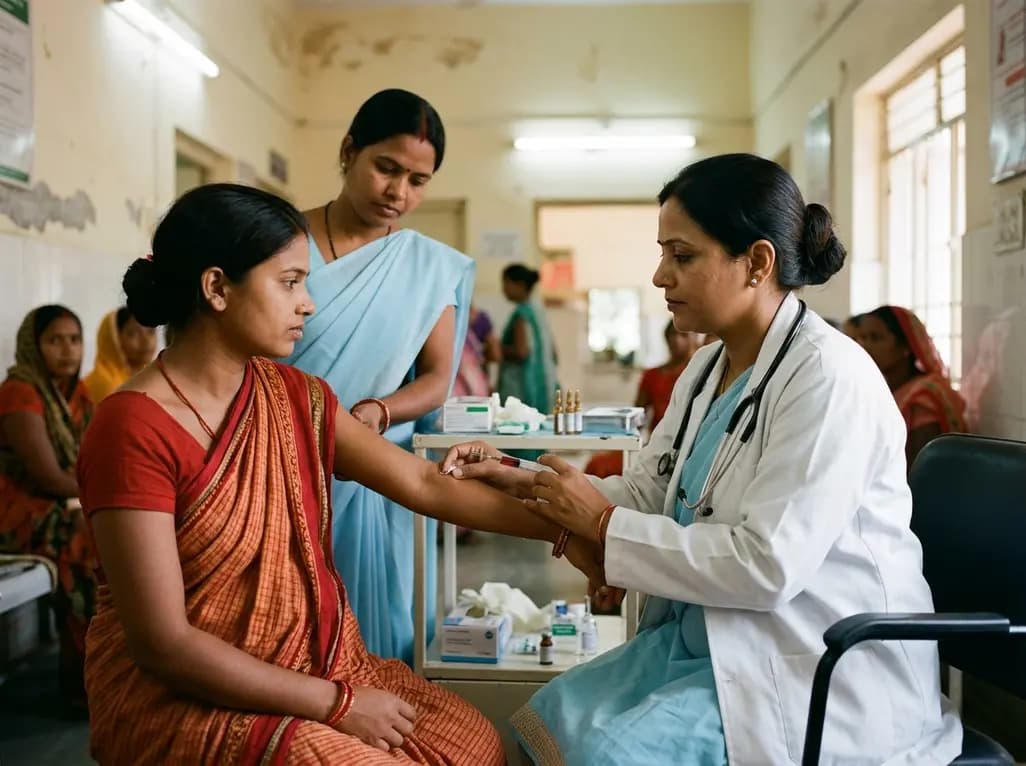
Maternal anaemia contributes to nearly half of pregnancy-related fatalities across India. To prevent complications, Uttar Pradesh has added single-dose parenteral iron to its essential medicines list. This clinical transition aims to restore haemoglobin rapidly and protect high-risk mothers across rural facilities.
Today
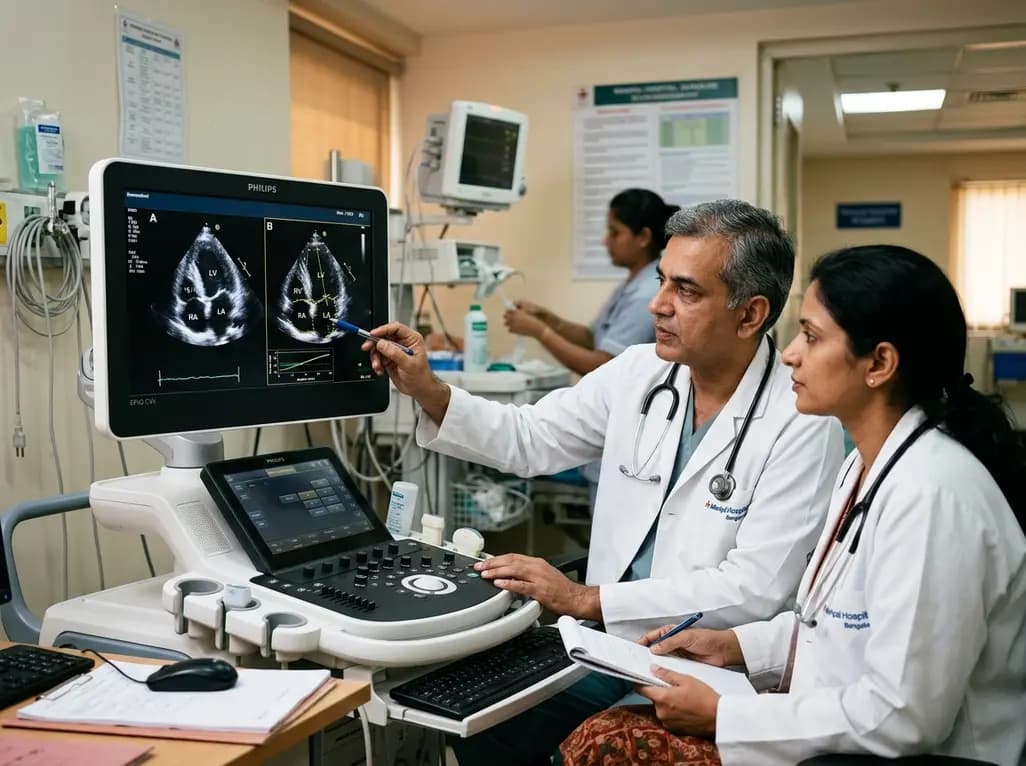
A multi-expert study shows pairwise deep learning accurately assesses echocardiographic rotational alignment in apical four-chamber views, outperforming pointwise regression. This technique improves automated image quality control and standardizes functional cardiac assessment.
Today
A longitudinal study of 1,055 chronic low back pain patients reveals that higher patient activation fosters constructive pain medication attitudes, reduces disability, and decreases short- and long-term opioid use through collaborative, multimodal care.
Today
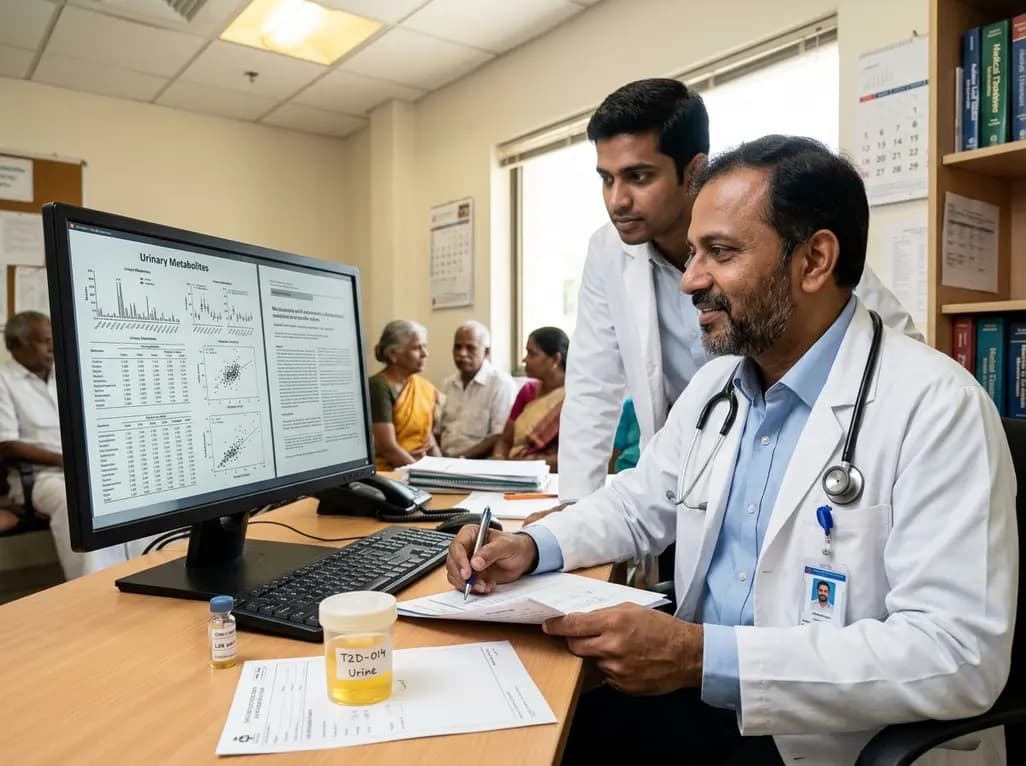
A landmark cross-sectional study in Asian adults with type 2 diabetes identifies novel urinary metabolites linked to mild cognitive impairment. Elevated urinary sucrose and altered metabolites highlight non-invasive pathways for early cognitive risk stratification and targeted metabolic management.
Yesterday
