.webp&w=384&q=75)

Loading, please wait...
Loading, please wait...
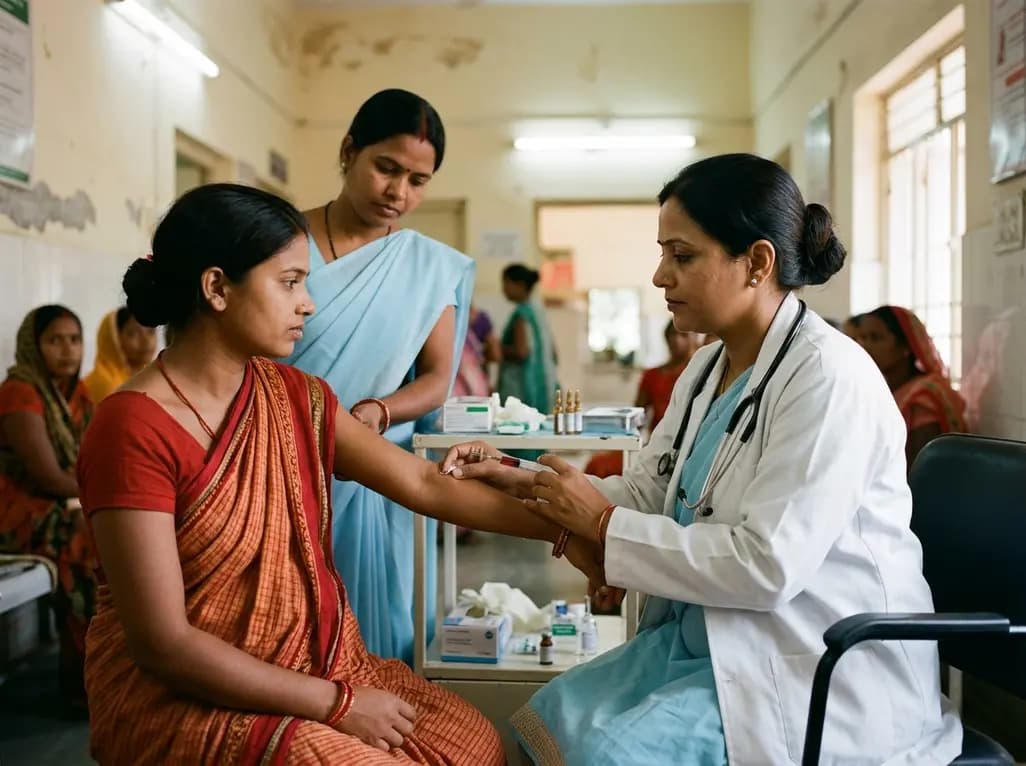
Severe anaemia remains a pressing clinical concern that directly compromises maternal health throughout pregnancy and delivery. To address this challenge, Uttar Pradesh health authorities integrated Ferric Carboxymaltose injection into the public healthcare system. This initiative follows an extensive five-district pilot project designed to rapidly restore haemoglobin concentrations in vulnerable antenatal women. Consequently, public facilities can now provide rapid replenishment to women who cannot tolerate daily oral supplements. By adopting this parenteral therapy, healthcare teams can address systemic deficiencies before delivery occurs. Ultimately, this proactive approach strengthens maternal cardiac reserves and significantly improves childbirth safety across the state.
Maternal anaemia remains a widespread public health crisis across northern India. In fact, national biomarker surveys show that forty percent of adult women suffer from suboptimal haemoglobin levels. Clinical audits in Uttar Pradesh reveal that severe anaemia directly precipitates up to nineteen percent of institutional maternal deaths. Furthermore, systemic iron deficiency acts as an indirect contributor in nearly half of all pregnancy-related fatalities. When severe anaemia persists late into pregnancy, expectant mothers face profound physiological strain. In particular, diminished oxygen transport severely reduces baseline cardiac reserve. Consequently, an anaemic parturient cannot withstand even typical physiological blood loss during childbirth. Severe anaemia also suppresses maternal cell-mediated immunity and escalates vulnerability to puerperal sepsis. Hospital reviews demonstrate that many deceased patients had haemoglobin concentrations below seven grams per deciliter on admission. Therefore, state health officials recognized an urgent need to deploy aggressive correction protocols. Standard public health interventions often identify severe deficits too late in gestation. As a result, the National Health Mission prioritizes interventions that restore iron balance promptly before labour.
Traditional parenteral regimens rely heavily on iron sucrose complexes to treat severe gestational deficiency. However, iron sucrose therapy requires multiple hospital visits and prolonged infusion times to complete treatment. In contrast, Ferric Carboxymaltose injection delivers up to one thousand milligrams of elemental iron in fifteen minutes. This advanced dextran-free carbohydrate matrix slowly releases iron cores directly into reticuloendothelial macrophages. Consequently, the formulation minimizes non-transferrin-bound iron release and prevents systemic oxidative toxicity. Clinical trials consistently confirm that this stable complex accelerates haematological recovery far more rapidly than multi-dose alternatives. Most pregnant patients demonstrate a substantial rise in mean haemoglobin within two to three weeks post-infusion. In addition, serum ferritin stores replenish swiftly, establishing adequate biological depots for the demanding peripartum window. Healthcare practitioners also observe exceptional drug tolerance during routine clinical administration. Serious anaphylactoid reactions occur rarely when nurses administer the injection according to standard dilution protocols. Therefore, obstetricians can correct moderate to severe iron deficits during late gestation without prolonged patient monitoring. This rapid restorative capacity offers clinicians a reliable pharmacological tool to prevent maternal cardiovascular collapse.
Public health programmes have long depended on daily oral iron-folic acid tablets to prevent maternal nutritional anaemia. Nevertheless, real-world clinical adherence to oral iron remains notoriously low across rural populations. Patients regularly report debilitating gastrointestinal adverse effects, including severe nausea, epigastric distress, constipation, and vomiting. Because of these persistent side effects, many expectant mothers abandon oral supplementation after just a few weeks. Furthermore, poor intestinal absorption frequently limits the clinical utility of oral iron among malnourished pregnant women. Ingested ferrous salts often trigger direct mucosal irritation, which worsens patient compliance and delays haematological recovery. Consequently, women diagnosed with moderate anaemia in early pregnancy frequently deteriorate into severe anaemia as delivery approaches. When patients enter their third trimester with depleted iron stores, oral tablets cannot correct the deficit quickly. Conversely, a single administration of parenteral iron guarantees total therapeutic compliance immediately. Clinicians no longer need to worry whether a patient completed a hundred-day course of tablets at home. Instead, one supervised hospital encounter provides the complete calculated dose. Thus, single-shot intravenous therapy bridges the critical gap between public distribution programmes and actual patient adherence.
The statewide rollout follows an extensive and highly successful pilot implementation across five key districts in Uttar Pradesh. During this preparatory phase, healthcare workers administered more than twenty thousand doses across five priority districts. The exceptional results prompted the National Health Mission to include the formulation on the state essential medicines list. Consequently, decentralized district hospitals and community health centres can procure the medication through government supply chains. Moreover, single-visit administration substantially eases logistics for impoverished families residing in remote rural villages. Under older treatment paradigms, rural women faced significant transportation costs and lost wages for repeated intravenous infusions. In many cases, patients missed intermediate appointments, leaving therapeutic courses incomplete. In contrast, completing therapy in a single sitting preserves critical family resources and ensures universal treatment completion. Simultaneously, public health authorities are conducting dedicated training modules for medical officers and staff nurses. These workshops emphasize proper dilution, adverse reaction monitoring, and aseptic intravenous delivery. As healthcare workers gain operational confidence, public hospitals will streamline antenatal triage and rapidly identify high-risk candidates.
Optimizing maternal haematological parameters does not merely elevate laboratory numbers; it directly saves maternal and neonatal lives. When maternal circulating volume contains adequate haemoglobin, systemic tissue oxygenation remains stable throughout prolonged labour. Furthermore, robust maternal iron levels provide vital physiological protection against postpartum haemorrhage, the leading cause of maternal mortality. If an anaemic woman experiences excessive blood loss, hypovolemic shock develops with alarming speed. Conversely, robust haemoglobin concentrations provide a crucial physiological cushion, allowing emergency teams adequate time to control bleeding. In addition to maternal benefits, adequate iron stores exert profound positive effects on neonatal development. Maternal iron actively supports placental angiogenesis, fetal neurodevelopment, and embryonic somatic growth. Untreated gestational anaemia significantly elevates the risk of preterm delivery, intrauterine growth restriction, and low birth weight. Moreover, infants born to severely anaemic mothers inherit deficient neonatal iron reserves, which impairs cognitive development during infancy. By proactively eliminating maternal iron deficiency before birth, clinicians prevent transgenerational developmental harm. Therefore, statewide access to single-shot parenteral iron acts as a cornerstone intervention to safeguard both mother and child.
Q1: Why is single-dose parenteral iron preferred over oral iron tablets during late pregnancy?
Oral iron supplements often cause gastrointestinal upset, including severe nausea and constipation, which severely undermines patient adherence. Furthermore, oral tablets require several months to restore depleted iron reserves. In contrast, parenteral iron delivers the entire therapeutic dose intravenously in a single hospital visit. This rapid administration guarantees compliance and elevates haemoglobin levels swiftly, which is critical for pregnant women approaching delivery.
Q2: How does ferric carboxymaltose compare to traditional intravenous iron sucrose?
Traditional iron sucrose requires repeated hospital visits because clinicians must divide the total dose across several low-dose infusions. This schedule frequently causes rural patients to drop out before completing therapy. Conversely, ferric carboxymaltose features a stable carbohydrate shell that permits rapid administration of up to one thousand milligrams in one sitting, substantially reducing clinic visits and improving patient completion rates.
Q3: Which pregnant patients are eligible to receive ferric carboxymaltose injections under state protocols?
State health guidelines prioritize ferric carboxymaltose injections for pregnant women diagnosed with moderate or severe anaemia who cannot tolerate oral iron. In addition, clinicians recommend this parenteral intervention for patients in their second or third trimester who need rapid haemoglobin improvement before labour. Patients with active severe systemic infections or first-trimester pregnancies are typically excluded from this parenteral therapy.
Disclaimer: This content is for informational and educational purposes only. It does not constitute medical advice or replace professional judgment. Refer to the latest local and national guidelines for clinical practice.
References

Read summarized clinical updates, watch expert medical content, and earn CME certifications right from your smartphone.
Open your smartphone camera to scan and install.





Maternal anaemia contributes to nearly half of pregnancy-related fatalities across India. To prevent complications, Uttar Pradesh has added single-dose parenteral iron to its essential medicines list. This clinical transition aims to restore haemoglobin rapidly and protect high-risk mothers across rural facilities.
Today
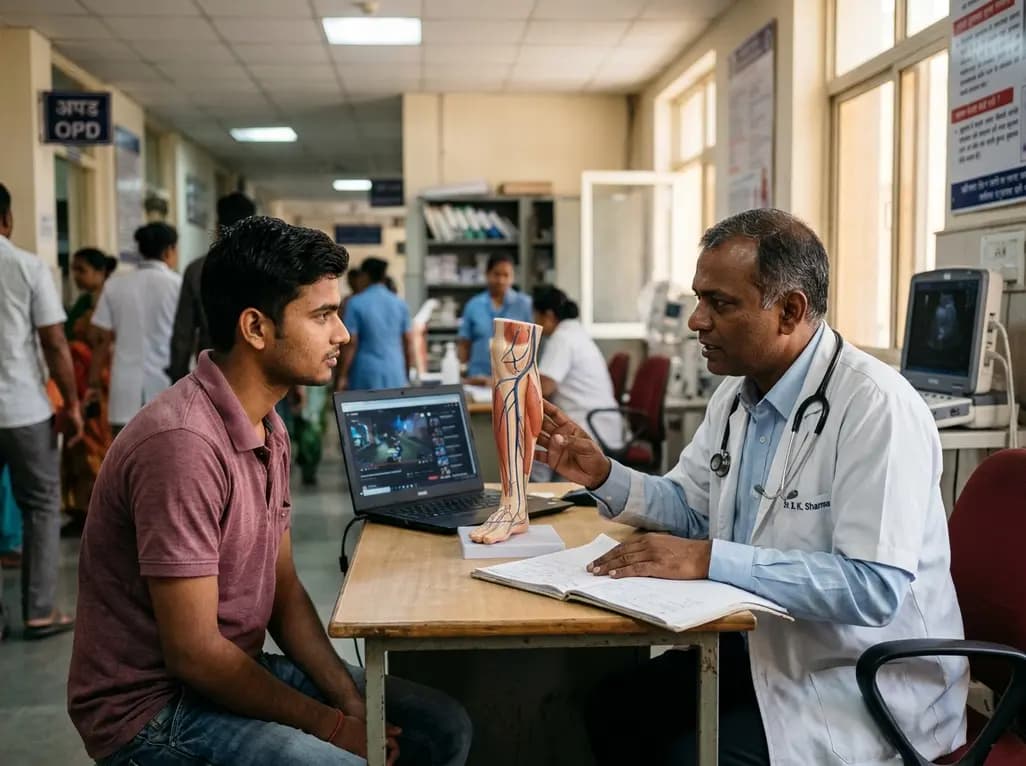
Sedentary habits such as continuous gaming, binge-watching, and desk work significantly elevate venous thromboembolism risks among adolescents and young adults. Vascular surgeons emphasize that immobility impairs the calf muscle pump, creating venous stasis and warranting proactive lifestyle counseling.
Today
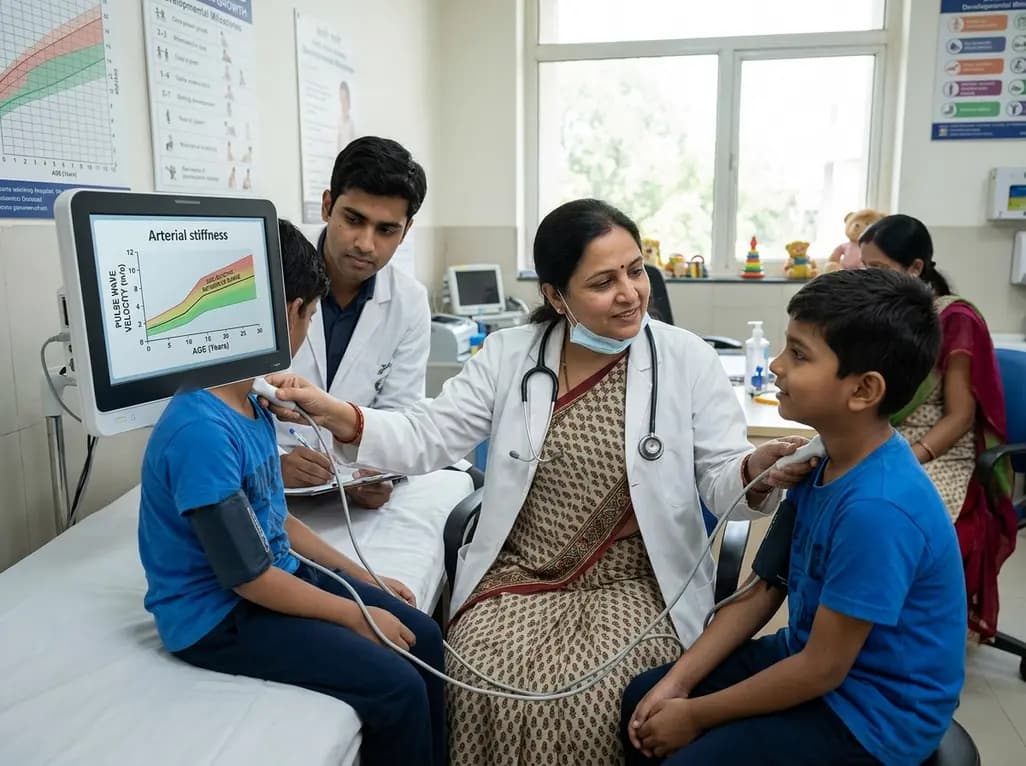
A landmark systematic review and meta-analysis establishes age-specific normative reference values for pediatric pulse wave velocity, revealing a nonlinear trajectory of arterial stiffness from early childhood through adolescence.
Today
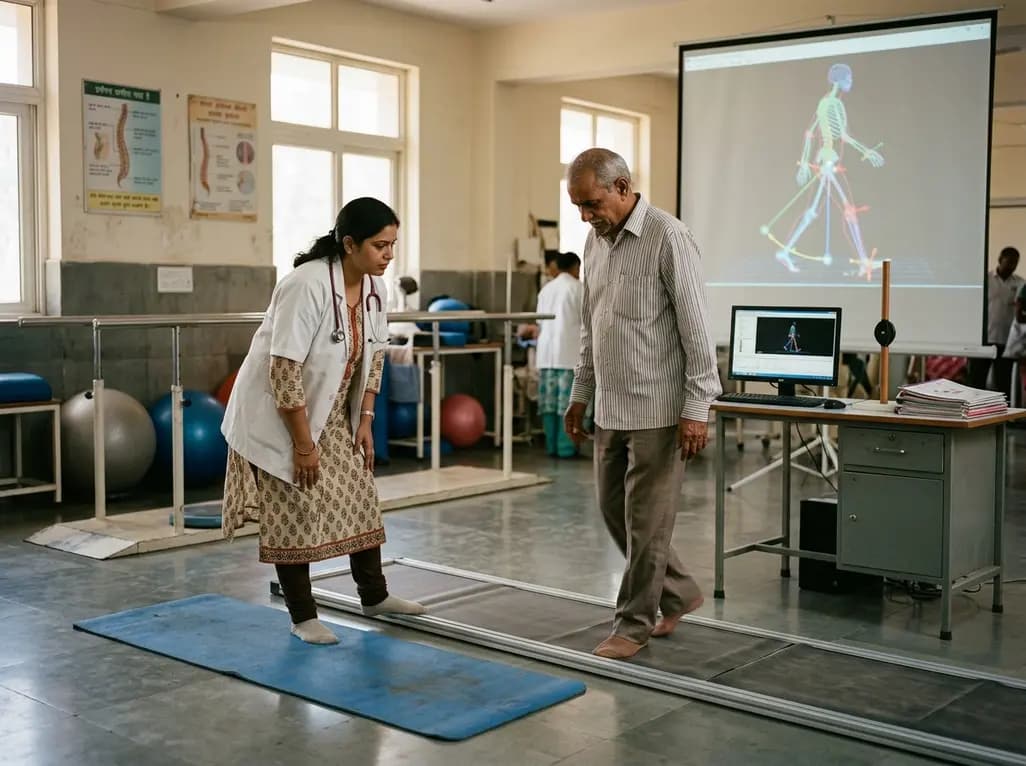
New biomechanical research reveals how postural stabilization mechanisms coordinate delayed sensory feedback and ground reaction forces to preserve pendulum-like center of mass motion across standing and walking, providing vital insights for balance rehabilitation and fall prevention.
Today
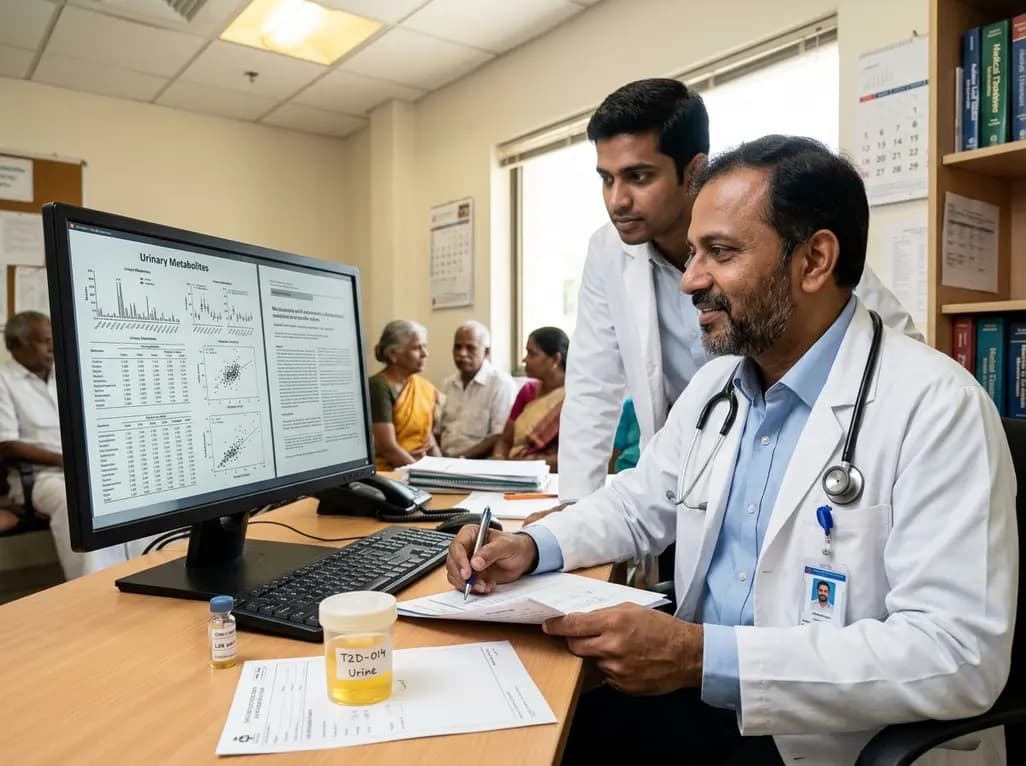
A landmark cross-sectional study in Asian adults with type 2 diabetes identifies novel urinary metabolites linked to mild cognitive impairment. Elevated urinary sucrose and altered metabolites highlight non-invasive pathways for early cognitive risk stratification and targeted metabolic management.
Today
