.webp&w=384&q=75)

Loading, please wait...
Loading, please wait...
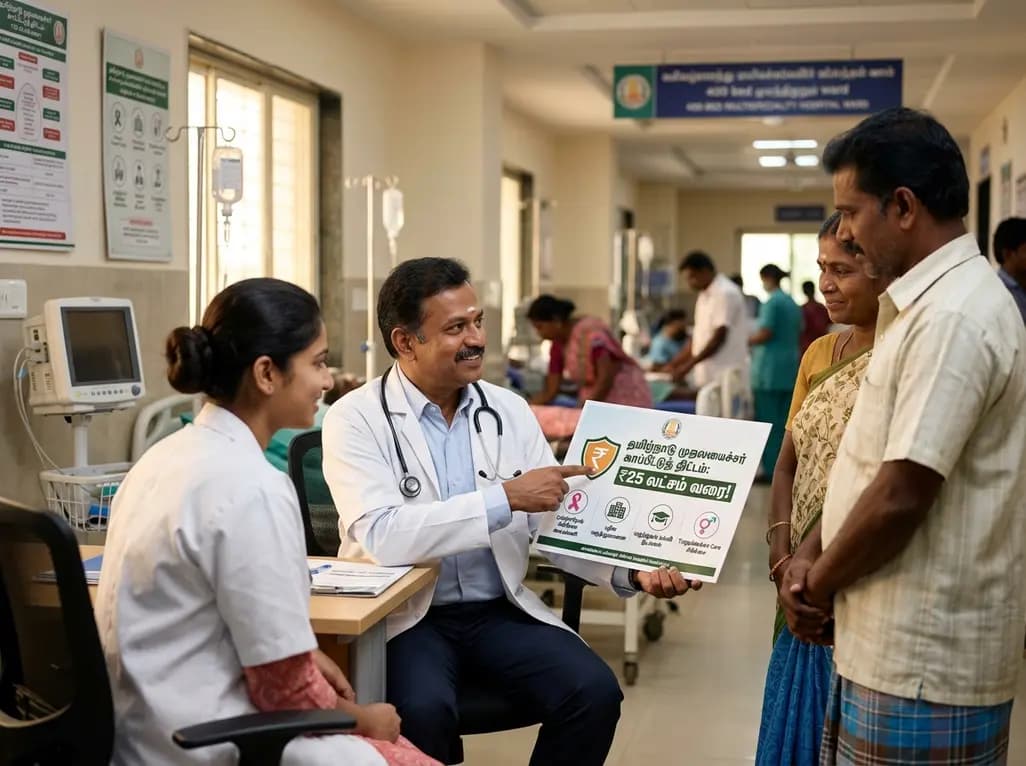
In a landmark public health reform, the state government has massively expanded the annual Tamil Nadu health cover under the Chief Minister's Comprehensive Health Insurance Scheme from Rs 5 lakh to Rs 25 lakh. This significant policy enhancement ensures that vulnerable families gain unrestricted access to advanced medical interventions without facing catastrophic out-of-pocket expenditure.
The decision to raise the annual coverage ceiling fivefold represents a transformative shift in universal health protection across the state. Previously, the insurance scheme capped general tertiary care at Rs 5 lakh per family per year, which often proved inadequate for complex multi-organ surgeries, prolonged intensive care, and modern targeted therapeutics. Consequently, many low-income households experienced severe financial distress when confronting protracted illnesses.
Under the revised framework, the enhanced ceiling of Rs 25 lakh offers comprehensive financial protection for high-cost surgical procedures, organ transplantations, and advanced critical care management. Furthermore, the policy revision aligns with the fundamental principle that dignified healthcare remains a non-negotiable right rather than a privilege. Empanelled public and private healthcare facilities can now deliver uninterrupted, cutting-edge therapies knowing that financial barriers have been dramatically reduced for enrolled beneficiaries. Therefore, clinicians can recommend evidence-based tertiary interventions with greater confidence, eliminating delays in life-saving clinical decisions.
To support this heightened insurance capability, the state government announced the construction of a state-of-the-art 400-bed multispeciality hospital in Perambur at an estimated cost of Rs 300 crore. Historically, North Chennai has faced severe geographic disparities in tertiary care access, requiring patients to travel long distances to reach central tertiary institutes. Thus, establishing this facility addresses an urgent infrastructural gap in the regional delivery system.
Additionally, the Perambur hospital will house advanced diagnostic suites, dedicated emergency departments, modular operating theatres, and intensive care units designed according to modern clinical standards. Because the institution will provide comprehensive multispecialty care, it will significantly alleviate patient overcrowding at major facilities such as Rajiv Gandhi Government General Hospital. Moreover, local residents will gain rapid access to acute trauma management, cardiology care, and surgical interventions. This strategic decentralization strengthens urban clinical resilience while creating a seamless continuum of primary to quaternary care in an underserved metropolitan zone.
Recognizing the rapidly escalating burden of malignancies, the state has allocated Rs 673.44 crore to upgrade the Chief Minister's Cancer Care Mission. A flagship integrated cancer treatment facility will be built at Rajiv Gandhi Government General Hospital in Chennai. Meanwhile, regional cancer care centres will be established at five government medical college hospitals across key districts. As a result, patients in rural and semi-urban localities can receive standardized oncological therapies closer to home.
Furthermore, this financial outlay facilitates the acquisition of modern linear accelerators, robotic surgical setups, and advanced molecular pathology diagnostic tools. State medical centers will also deploy high-precision human papillomavirus DNA screening programs to detect cervical pre-cancerous lesions at early stages. By integrating preventive screening, surgical oncology, targeted chemotherapy, and radiotherapy into a cohesive network, the public health system will markedly reduce delays in cancer diagnosis and treatment initiation. Consequently, clinicians anticipate measurable improvements in survival outcomes and patient quality of life.
High-quality medical infrastructure requires a well-trained, robust clinical workforce to operate effectively. Therefore, the government is investing Rs 351 crore to establish 6,098 additional seats across nursing, pharmacy, and paramedical disciplines. This initiative includes the creation of seven new government nursing colleges, which will contribute 660 dedicated BSc Nursing seats to the public education framework.
In addition, existing medical and allied health institutions will expand their training capacity for physiotherapists, pharmacists, radiology technicians, and laboratory personnel. Because modern tertiary hospitals rely heavily on multidisciplinary care teams, closing the human resource deficit remains vital for patient safety and clinical efficiency. These educational investments will directly alleviate high nurse-to-patient ratios in state-run intensive care units and wards. Moreover, expanding clinical training pipelines empowers public healthcare institutions to maintain stringent quality standards and meet rising clinical demands without overwhelming current healthcare personnel.
The revised healthcare package introduces targeted medical and surgical services for transgender individuals within the public health insurance framework. These dedicated clinical services will be made available across seven government medical college hospitals situated in Chennai, Tirunelveli, Tuticorin, Chengalpattu, Tiruvarur, Dharmapuri, and Kanniyakumari. Consequently, marginalized individuals can seek essential healthcare in safe, medically supportive, and non-stigmatizing clinical environments.
Specialized clinical offerings will encompass gender-affirming surgeries, hormone replacement therapy management, post-operative rehabilitation, and mental health counseling. Previously, high out-of-pocket costs and social barriers forced many transgender persons to delay essential treatments or seek care from unregulated practitioners. By formalizing these specialized clinical protocols within tertiary medical colleges, the state ensures adherence to international standards of care. Furthermore, multidisciplinary clinical teams comprising plastic surgeons, endocrinologists, urologists, and psychiatrists will collaborate to ensure optimal health outcomes for these patients.
This wide-ranging healthcare overhaul carries profound operational implications for both public and empanelled private hospitals. With the insurance ceiling expanded to Rs 25 lakh, hospitals must optimize their pre-authorization pathways and claim-processing mechanisms to avoid administrative bottlenecks. In addition, clinical documentation protocols must remain rigorous to justify advanced tertiary interventions and maintain full transparency during state audits.
Simultaneously, primary care practitioners and district specialists must actively participate in referral pathways, directing complex oncology, surgical, and organ-failure cases to appropriate regional hubs. Because tertiary facilities will be equipped with advanced machinery, clinicians should continually update their clinical competencies in minimally invasive surgery, precision oncology, and modern critical care protocols. Ultimately, the successful translation of these budgetary investments into superior clinical endpoints depends upon seamless coordination between healthcare administrators, medical practitioners, and patient navigation desks across the state.
Q1: What is the new financial limit under the Chief Minister's Comprehensive Health Insurance Scheme?
The state government has increased the annual health insurance limit from Rs 5 lakh to Rs 25 lakh per eligible family. This fivefold enhancement covers high-cost tertiary procedures, complex multi-speciality surgeries, and prolonged critical care management across empanelled government and private healthcare institutions.
Q2: Where are the new regional cancer care facilities being developed under the state mission?
A central integrated cancer treatment facility is being established at Rajiv Gandhi Government General Hospital in Chennai. Additionally, five regional cancer care centres will operate at select government medical college hospitals, providing advanced radiotherapy, chemotherapy, and molecular diagnostics to decentralize oncological care across Tamil Nadu.
Q3: Which specialized services are included for transgender individuals in government hospitals?
The insurance scheme now covers comprehensive medical and surgical services, including gender-affirming procedures, hormone therapy, and psychosocial support. These services are delivered across seven designated government medical college hospitals in Chennai, Tirunelveli, Tuticorin, Chengalpattu, Tiruvarur, Dharmapuri, and Kanniyakumari under structured clinical protocols.
Disclaimer: This content is for informational and educational purposes only. It does not constitute medical advice or replace professional judgment. Refer to the latest local and national guidelines for clinical practice.
References

Read summarized clinical updates, watch expert medical content, and earn CME certifications right from your smartphone.
Open your smartphone camera to scan and install.





The Tamil Nadu government has raised its state health insurance coverage from Rs 5 lakh to Rs 25 lakh. The healthcare overhaul includes a new 400-bed multispeciality hospital in Perambur, advanced cancer care centres, inclusive transgender care, and over 6,000 additional allied health and nursing educational seats.
last month
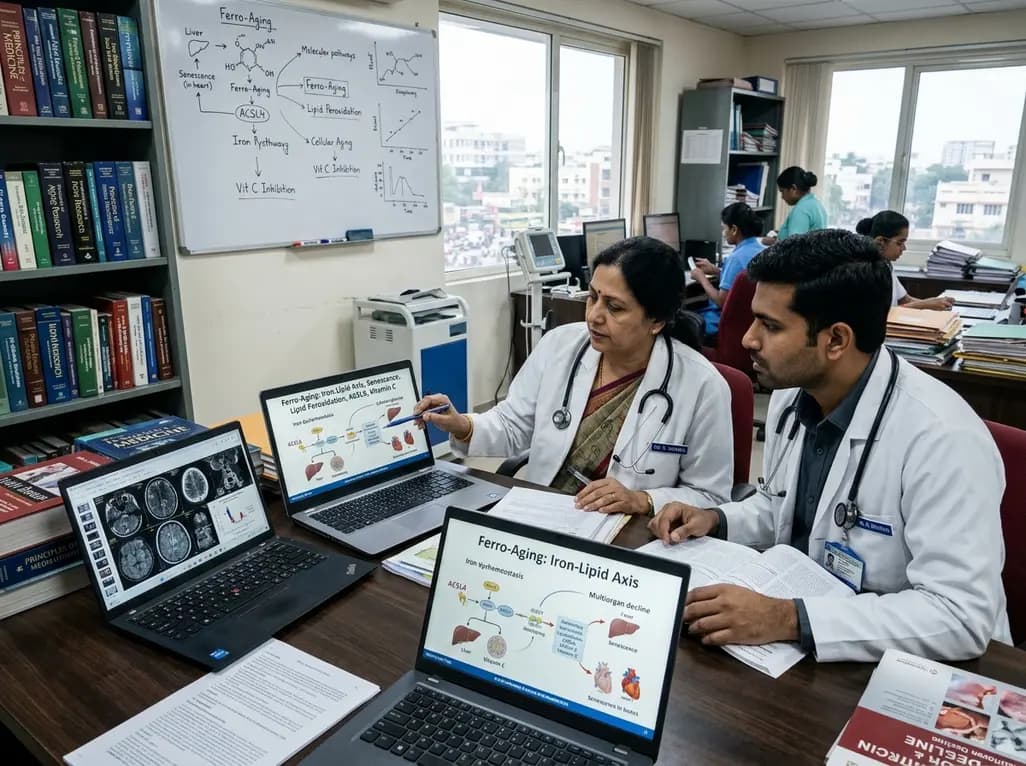
Recent research defines ferro-aging as a conserved iron-lipid axis driving organ decline across primates. Age-related iron dyshomeostasis stimulates ACSL4-mediated lipid peroxidation, promoting cellular senescence. Notably, vitamin C directly inhibits ACSL4, suppressing phospholipid oxidation and multi-organ decay.
Today
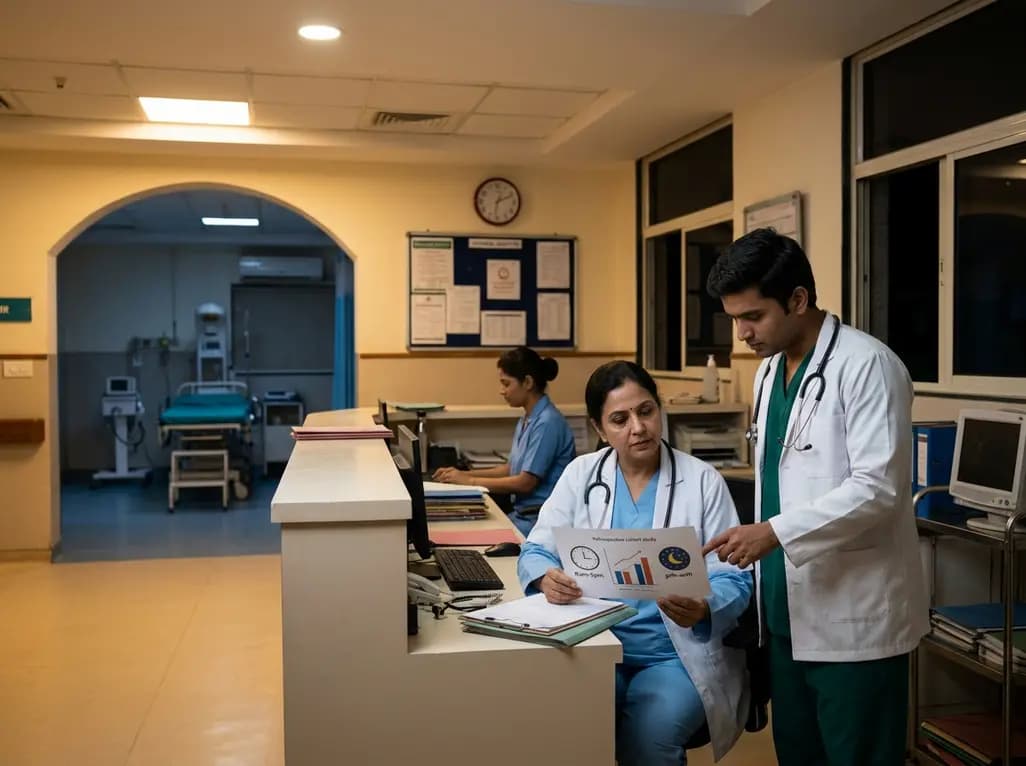
A retrospective cohort study evaluated 1,000 low-risk singleton births to assess maternal and neonatal outcomes during office-hours versus off-hours. Off-hours deliveries were significantly associated with higher odds of intrapartum cesarean sections and episiotomies, highlighting critical obstetric staffing considerations.
Today
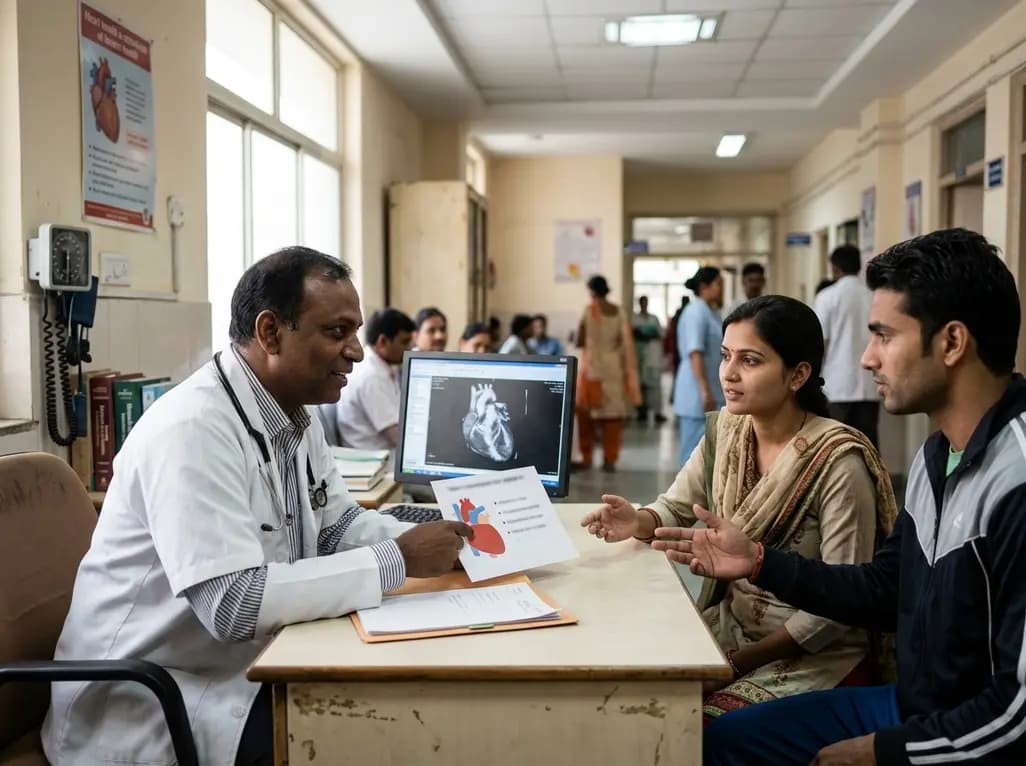
New clinical evidence demonstrates a shift away from strict exercise restrictions in genetic heart disease. While patients with channelopathies engage in more vigorous activity than those with cardiomyopathies, shared decision-making and individualized risk assessments ensure safe, beneficial exercise participation.
Today
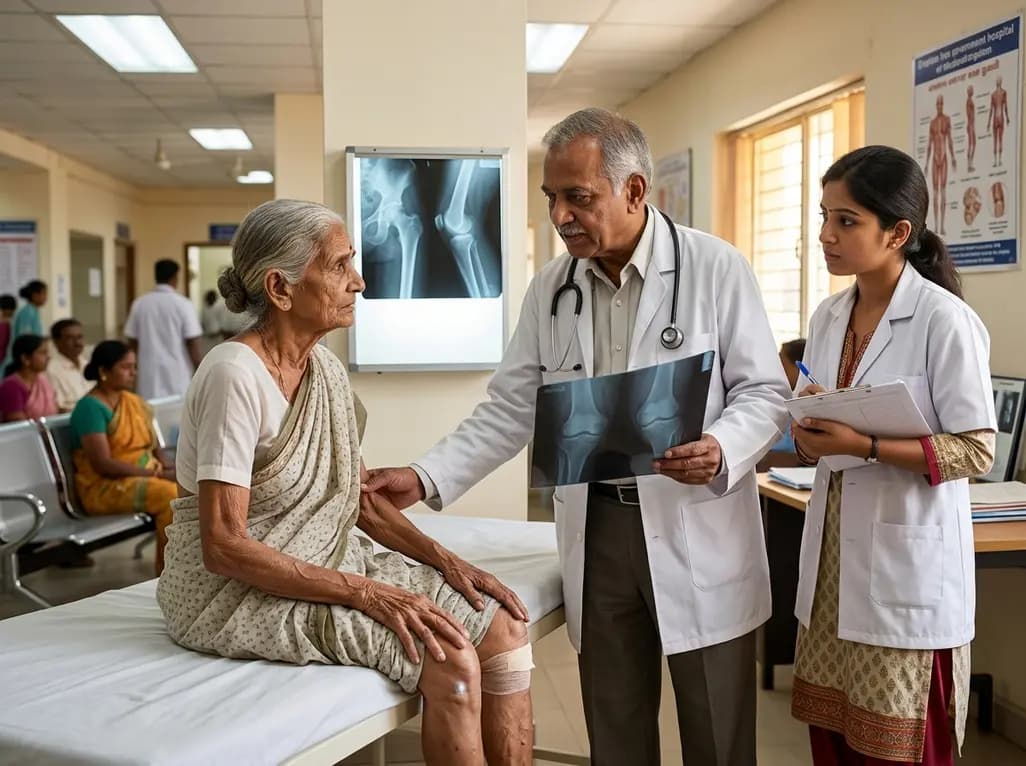
Sarcopenia significantly impairs functional independence and amplifies fracture risks in patients with osteoarthritis and osteoporosis. Learn about modern diagnostic strategies, GLP-1 therapy considerations, and evidence-based non-pharmacological management across multidisciplinary clinical settings.
Today
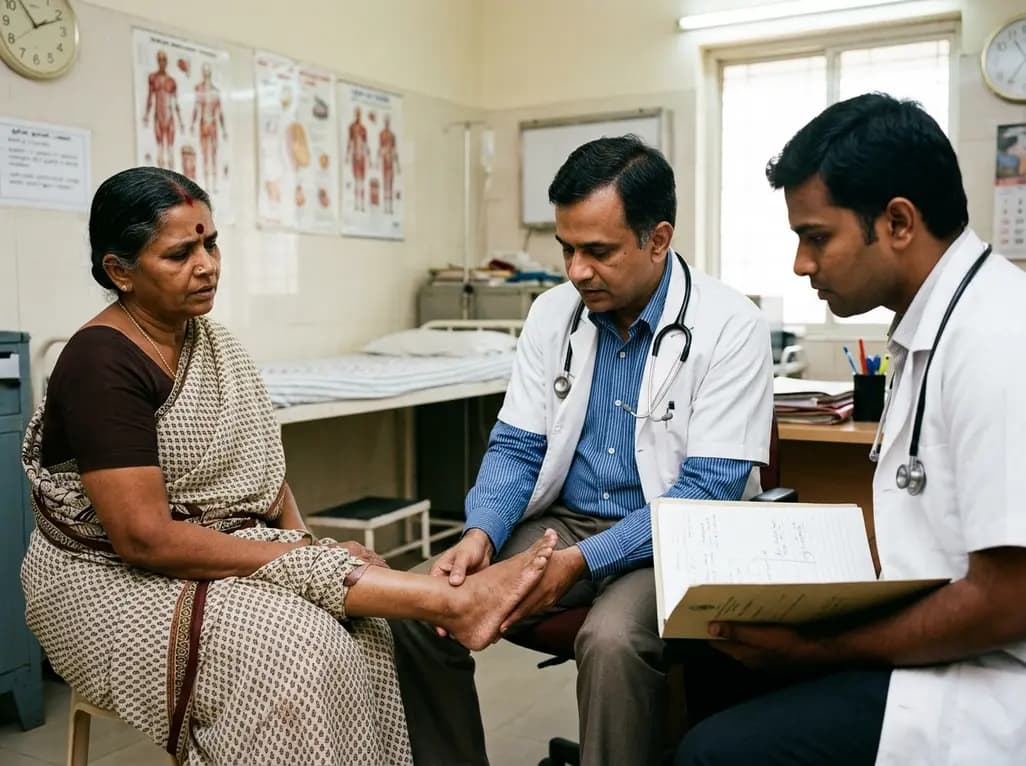
Discover how to identify superimposed entrapment neuropathy in diabetic patients. This review details clinical evaluation, surgical decompression evidence, and a structured algorithm for primary care referrals to prevent ulcers and preserve limb function.
Today
