

Loading, please wait...
Loading, please wait...
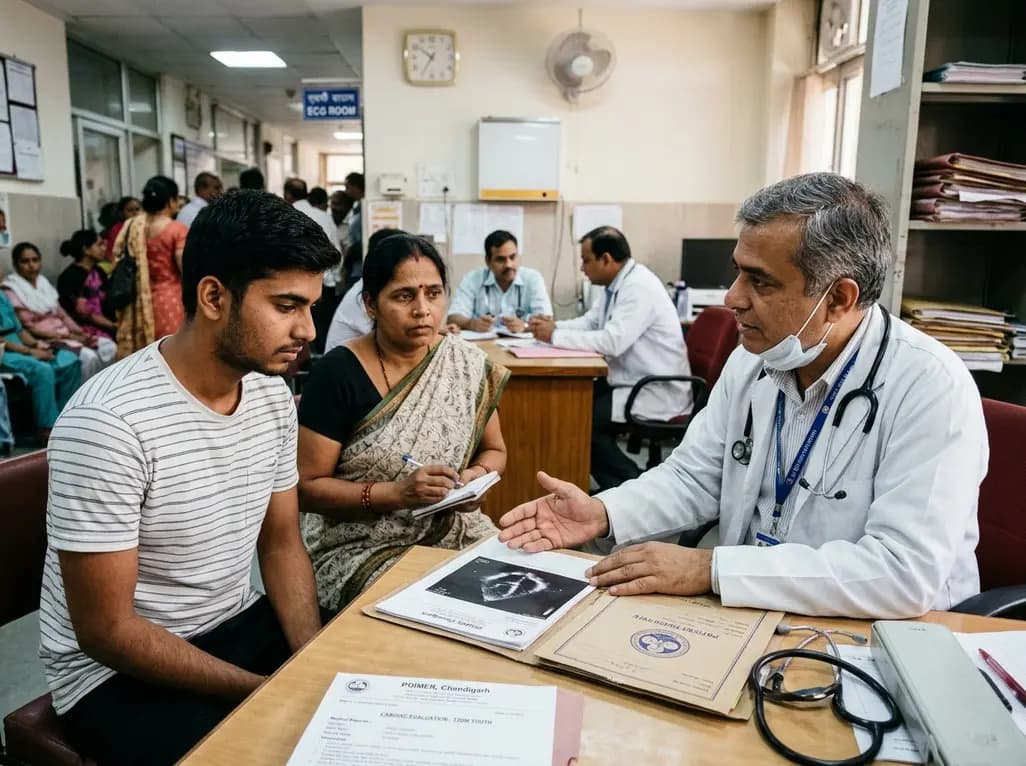
The escalating incidence of metabolic disease among adolescents and young adults presents a significant challenge to modern clinical practice. A landmark investigation from the Postgraduate Institute of Medical Education and Research (PGIMER) in Chandigarh has uncovered startling insights into the trajectory of young-onset type 2 diabetes. Specifically, clinicians observed that individuals diagnosed before age 25 develop life-threatening vascular complications much faster and more frequently than peers suffering from type 1 diabetes. Consequently, these findings challenge the long-held assumption that type 2 diabetes follows an indolent course in youthful cohorts. Instead, clinicians must recognize this metabolic phenotype as an aggressive vascular disease requiring comprehensive, urgent interventions.
The PGIMER study, led by endocrinologists Dr. Vivek Jha and Professor S.K. Bhadada, evaluated 351 young patients treated between 2012 and 2024. Among these subjects, 94 individuals had type 2 diabetes while 257 had type 1 diabetes. Most alarmingly, one in three young adults with type 2 diabetes developed documented diabetes-related complications within just five years of diagnosis. In contrast, merely 8% of patients with type 1 diabetes experienced similar adverse outcomes over the same timeframe.
Furthermore, the disparity in macrovascular pathology was particularly striking between both cohorts. Major cardiovascular complications, including premature ischemic heart disease, stroke, and peripheral arterial disease, affected 12% of the young type 2 cohort. Conversely, only 0.4% of the type 1 cohort experienced comparable cardiovascular events. Therefore, youth with type 2 disease exhibited a thirtyfold higher frequency of macrovascular arterial injury. Notably, these complications developed despite the fact that type 1 patients generally recorded higher mean blood glucose levels. This unexpected paradox demonstrates that hyperglycemia alone does not dictate cardiovascular injury in youth. Instead, the profound synergy of premature atherosclerosis, hypertension, and metabolic dyslipidemia drives rapid arterial breakdown in younger demographics.
Microvascular disease represents another major battleground where youth-onset metabolic dysfunction inflicts substantial tissue destruction. According to the research team, small-vessel injury affected 54% of young type 2 patients compared to 43% of those with type 1 diabetes. These microvascular insults routinely lead to proliferative retinopathy, end-stage nephropathy, and painful peripheral neuropathy. Consequently, clinicians are witnessing young adults in their early twenties who already suffer from irreversible retinal damage and advanced microalbuminuria.
Moreover, the velocity of this organ damage presents a unique clinical dilemma. In adult-onset diabetes, microvascular complications typically manifest after a prolonged subclinical latent phase lasting decades. In young patients, however, vascular tissues experience an accelerated inflammatory deterioration that rapidly damages delicate capillaries. The authors identified high blood pressure, prolonged duration of illness, and persistent metabolic dysregulation as independent determinants of accelerated vascular injury. Additionally, insulin resistance accelerates basement membrane thickening in glomeruli and retinal pericyte loss. Thus, young patients experience a truncated asymptomatic phase. Physicians must therefore abandon the traditional watchful-waiting posture and immediately evaluate vascular integrity at diagnosis.
To comprehend why this clinical pattern emerges, practitioners must examine the aggressive biological pathophysiology characterizing youth-onset metabolic disorders. Unlike classic adult-onset cases, young patients suffer from a hyper-accelerated decline in pancreatic beta-cell function. Furthermore, robust peripheral insulin resistance exacerbates this secretory defect, which intensifies metabolic strain on hepatic and cardiovascular systems. Therefore, the pancreas loses its secretory capacity up to four times faster than in older adults. Consequently, metabolic exhaustion occurs prematurely in this cohort.
In addition, severe visceral adiposity generates a continuous storm of pro-inflammatory cytokines, including interleukin-6 and tumor necrosis factor-alpha. These circulating mediators directly provoke endothelial dysfunction, impair arterial compliance, and stimulate premature arterial stiffening. Concurrently, atherogenic dyslipidemia—typified by elevated small dense low-density lipoproteins and triglycerides—hastens early plaque formation. In contrast, patients with type 1 diabetes predominantly suffer from autoimmune islet destruction without the systemic burden of metabolic syndrome. Although type 1 patients navigate higher glycemic variability, their preserved endothelial resilience provides temporary cardiovascular defense. Consequently, young type 2 individuals face a lethal constellation of metabolic insults that rapidly weakens coronary and systemic circulation.
The demographic reality within India adds profound urgency to these clinical findings. Recent data from the Indian Council of Medical Research (ICMR) Registry reveals that over 25% of all diabetes cases diagnosed under age 25 are now type 2 diabetes. Historically, clinicians assumed that almost every pediatric or youthful case represented classic type 1 diabetes. However, rapid socioeconomic transitions, increased sedentary habits, and shifts toward ultra-processed diets have fueled a pediatric obesity epidemic.
Furthermore, South Asian populations possess a distinctive metabolic phenotype characterized by higher visceral adiposity and pronounced insulin resistance at lower body mass index thresholds. Consequently, Indian youth develop severe metabolic derangements at a remarkably tender age. This epidemiological shift carries catastrophic socio-economic implications across the country. When individuals in their early twenties develop stroke or end-stage kidney disease, the economic productivity of families and the nation collapses. Therefore, community physicians and primary care networks must recalibrate their diagnostic vigilance. Medical teams must suspect type 2 diabetes in any symptomatic or overweight adolescent. Early detection remains the single most impactful strategy to arrest this escalating cardiovascular catastrophe.
The conclusive message from the PGIMER investigators is unmistakable: clinicians cannot rely solely on lowering blood glucose. Because vascular complications arise rapidly, physicians must execute an aggressive multifactorial management plan immediately upon confirmation of diagnosis. First, clinicians must optimize blood pressure thresholds to shield fragile renal and cerebral capillary beds. Early initiation of renin-angiotensin-aldosterone system inhibitors offers vital cardioprotection and nephroprotection.
Second, practitioners should proactively prescribe lipid-lowering therapies rather than delaying statins until middle age. Modern guidelines strongly endorse early dyslipidemia intervention for high-risk youthful cohorts. Furthermore, the integration of newer antihyperglycemic therapies, such as sodium-glucose cotransporter-2 inhibitors and glucagon-like peptide-1 receptor agonists, offers tremendous organ protection beyond glucose reduction. These evidence-based pharmacotherapies significantly alter long-term disease trajectories. Concurrently, medical teams must enroll young patients in structured lifestyle modification programs that emphasize nutrition, structured physical activity, and tobacco cessation. Ultimately, protecting young hearts demands a prompt, holistic strategy that treats vascular risk factors with the same urgency as acute hyperglycemia.
Q1: Why does young-onset type 2 diabetes cause faster cardiovascular disease than type 1 diabetes?
Young-onset type 2 diabetes involves a lethal combination of severe insulin resistance, accelerated beta-cell failure, atherogenic dyslipidemia, and chronic systemic inflammation. While type 1 diabetes is primarily an autoimmune insulin-deficiency disorder, youth with type 2 diabetes typically present with clustered cardiovascular risk factors. Consequently, arterial stiffness, endothelial injury, and premature atherosclerosis develop rapidly, causing heart attacks and strokes even when average blood sugar levels appear lower than in type 1 patients.
Q2: What proportion of young diabetic patients in India now suffer from type 2 diabetes?
According to comprehensive registry data from the Indian Council of Medical Research, more than 25% of all newly diagnosed diabetes cases among individuals under 25 years of age are type 2 diabetes. Historically, youth diabetes was almost exclusively type 1. However, rapid urbanization, rising childhood obesity rates, and the distinct South Asian metabolic phenotype have driven a rapid epidemiological transition across India over recent years.
Q3: How should clinicians modify management protocols for youth newly diagnosed with type 2 diabetes?
Clinicians must move beyond a glucose-centric treatment paradigm and aggressively target total cardiovascular risk from day one. This proactive approach includes stringent blood pressure management, early initiation of lipid-lowering therapies, and regular screening for microalbuminuria and retinopathy. Furthermore, incorporating organ-protective medications such as SGLT2 inhibitors or GLP-1 receptor agonists alongside structured lifestyle interventions is essential to prevent early stroke, myocardial infarction, and irreversible microvascular failure.
Disclaimer: This content is for informational and educational purposes only. It does not constitute medical advice or replace professional judgment. Refer to the latest local and national guidelines for clinical practice.
References

Read summarized clinical updates, watch expert medical content, and earn CME certifications right from your smartphone.
Open your smartphone camera to scan and install.





Recent data from PGIMER reveals that young adults diagnosed with type 2 diabetes face an aggressive disease trajectory. They encounter severe cardiovascular and microvascular damage within five years, occurring at higher rates than in type 1 diabetes despite lower mean blood glucose levels.
Today

Public health experts urge policymakers to review rigorous clinical evidence before scaling up double fortified salt. With only half of India's anaemia cases stemming from iron deficiency, specialists highlight structural trial limitations, dietary diversity needs, and pending data from the SAMPADA national survey.
Today

A comprehensive clinical review of medical management, cardiac myosin inhibitors, and procedural approaches supporting septal reduction therapy in obstructive HCM.
Today

A clinical overview of resveratrol supplementation in mitigating exercise-induced muscle damage. This narrative review explores physiological mechanisms, reductions in soreness markers like creatine kinase, dosage strategies, and bioavailability enhancements for sports medicine and nutrition practitioners.
Today
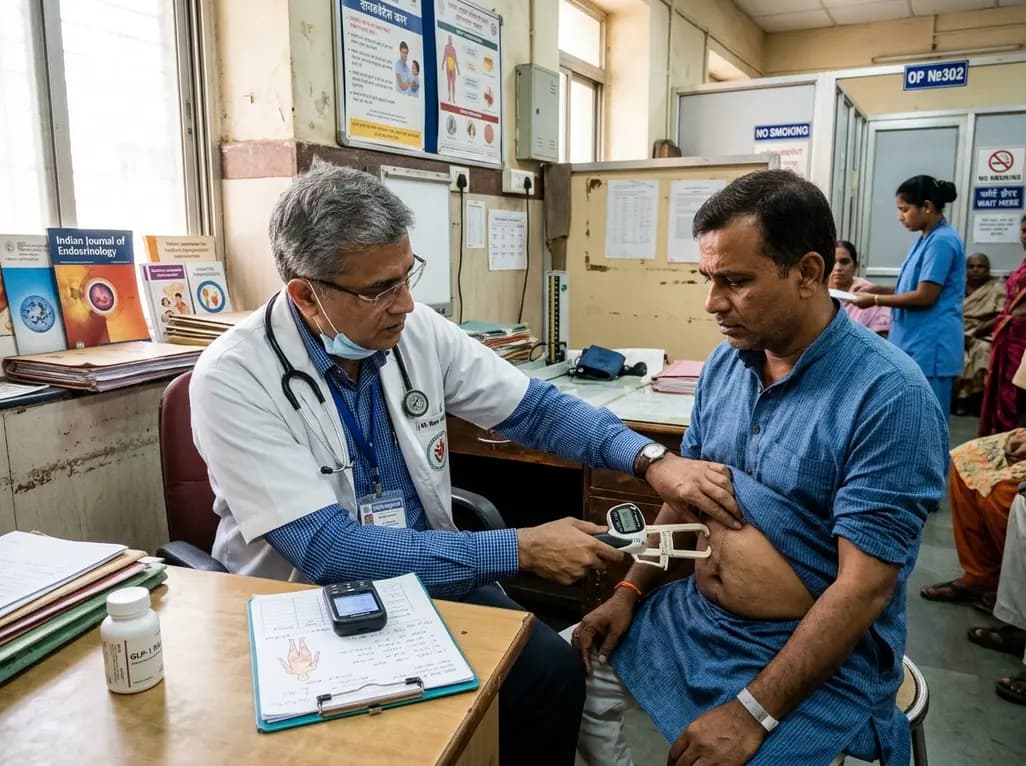
Indian patients present unique metabolic traits, including lower muscle mass and higher visceral adiposity at lower BMI levels. Endocrinologists urge moving past simple scale weight when prescribing GLP-1 receptor agonists, highlighting comprehensive nutritional assessments, muscle function, and organ protection.
Today
