

Loading, please wait...
Loading, please wait...
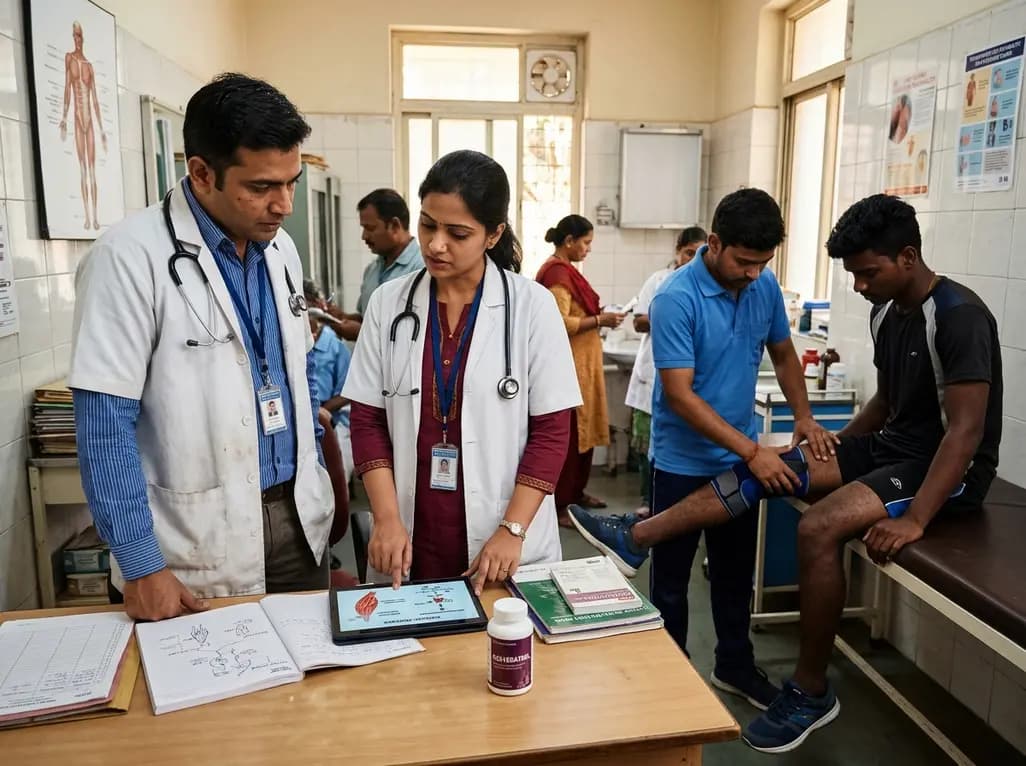
Strenuous physical exertion frequently precipitates mechanical trauma to myofibrils alongside acute cellular stress. Sports physicians refer to this condition as exercise-induced muscle damage, which causes transient functional impairment. Consequently, athletes and recreational exercisers routinely experience muscle soreness, localized inflammation, and severe oxidative stress. While conventional strategies rely heavily on rest or standard analgesics, nutritional ergogenic aids offer targeted physiological advantages. In recent clinical trials, resveratrol supplementation has emerged as an intriguing nutritional strategy to accelerate structural recovery. This natural polyphenol exists abundantly in red grapes, berries, and select botanical sources. Resveratrol demonstrates robust antioxidant and anti-inflammatory properties within human and mammalian tissues. Therefore, understanding how this bioactive molecule modulates cellular repair remains vital for modern clinical practitioners.
High-intensity physical exertion, especially unfamiliar eccentric contraction, imposes substantial mechanical shear stress on skeletal muscle sarcomeres. As a result, micro-tears develop across the Z-disc structures within active muscle fibers. This structural breakdown immediately disrupts sarcoplasmic reticulum integrity and triggers an excessive intracellular influx of calcium ions. Consequently, calcium-dependent proteases such as calpains activate and accelerate the degradation of contractile proteins. Within hours, inflammatory leukocytes infiltrate the injured site to clear necrotic cellular debris. Neutrophils and pro-inflammatory macrophages actively generate reactive oxygen species during phagocytosis. Although this inflammatory cascade facilitates initial tissue debridement, it simultaneously inflicts secondary oxidative damage on surviving myofibers. Patients therefore suffer from delayed onset muscle soreness, swelling, stiffness, and noticeable deficits in force generation. Biomarkers such as serum creatine kinase and lactate dehydrogenase surge rapidly following such tissue injury. Furthermore, excessive reactive oxygen species exhaust endogenous cellular antioxidant enzymes like superoxide dismutase and glutathione peroxidase. This severe oxidative imbalance exacerbates lipid peroxidation across fragile sarcolemmal membranes. Consequently, therapeutic interventions must control both structural disruption and downstream biochemical derangements effectively. Thus, modulating this secondary cascade remains an essential clinical goal to accelerate patient rehabilitation.
Resveratrol exerts potent cytoprotective effects through distinct molecular and biochemical pathways. Primarily, the molecule activates sirtuin 1, a key nicotinamide adenine dinucleotide-dependent deacetylase that governs cellular stress responses. Activated sirtuin 1 subsequently deacetylates peroxisome proliferator-activated receptor gamma coactivator 1-alpha, driving mitochondrial biogenesis and metabolic efficiency. In addition, resveratrol markedly suppresses the nuclear factor kappa B signaling pathway. Because nuclear factor kappa B drives transcription of pro-inflammatory cytokines, its inhibition significantly decreases tumor necrosis factor-alpha and interleukin-6 expression. Concurrently, the polyphenol acts as a direct scavenger of reactive nitrogen and oxygen species in damaged tissues. Resveratrol also activates the nuclear factor erythroid 2-related factor 2 pathway. This transcriptional activation promotes the synthesis of endogenous cytoprotective enzymes, including heme oxygenase-1 and catalase. Consequently, the compound shields myocyte membrane lipids from peroxidation during acute exercise stress. Experimental data also reveal that resveratrol stimulates satellite cell proliferation and muscle regeneration. By enhancing desmin expression, the molecule supports structural remodeling after microtrauma. Therefore, these synchronized actions position the polyphenol as a comprehensive protector of musculoskeletal function under heavy mechanical loading. Moreover, enhanced microvascular blood flow facilitates rapid nutrient transport into regenerating myocytes throughout physical recovery.
Clinical trials evaluating human athletes provide valuable evidence regarding recovery kinetics following strenuous muscular loading. Most investigations examine delayed onset muscle soreness using validated visual analogue scales and pressure algometry over major muscle bellies. Notably, subjects consuming resveratrol consistently report significantly lower pain scores at 24, 48, and 72 hours post-exercise compared with placebo cohorts. In addition to subjective pain relief, objective functional testing demonstrates tangible performance benefits. For instance, countermovement jump testing reveals superior preservation of peak force and rate of force development among supplemented individuals. Similarly, anaerobic power assessments during Wingate cycle sprints confirm faster recovery of peak and mean power outputs. When muscle tissue sustains less secondary oxidative injury, neuromuscular voluntary recruitment returns to baseline far more rapidly. Furthermore, systemic biomarkers demonstrate consistent attenuation of cellular breakdown. Serum creatine kinase and lactate dehydrogenase levels show marked reductions in treated participants following intense plyometric workouts. Therefore, clinical findings suggest that functional capacity rebounds quicker when individuals utilize the polyphenol systematically during demanding physical cycles. Consequently, athletes experience shorter downtime between rigorous training sessions. These functional enhancements allow competitive individuals to sustain intense training schedules without incurring debilitating physical exhaustion.
Despite remarkable preclinical results, resveratrol exhibits substantial pharmacokinetic challenges that require careful clinical attention. Following oral administration, the human gastrointestinal tract absorbs approximately 70 percent of the parent compound. However, rapid and extensive first-pass metabolism in the liver and intestine sharply curtails systemic bioavailability. Sulfotransferase and glucuronosyltransferase enzymes convert native resveratrol into glucuronide and sulfate metabolites, leaving less than one percent free trans-resveratrol in plasma. Consequently, oral intake of standard formulations often fails to deliver adequate circulating concentrations to peripheral skeletal tissues. To overcome this limitation, pharmaceutical researchers are actively designing advanced delivery systems. Nano-emulsions, lipid nanoparticles, and micellar dispersions significantly enhance intestinal absorption and cellular uptake. Furthermore, co-administration with natural glucuronidation inhibitors delays metabolic clearance effectively. Clinicians evaluating commercial preparations must therefore scrutinize the exact delivery technology utilized. As ongoing research optimizes bioavailability, therapeutic efficacy in clinical sports medicine will continue to advance. Ultimately, superior pharmacokinetic delivery guarantees that sufficient bioactive molecules reach fatigued myofibers during high-intensity athletic conditioning. Moreover, understanding these metabolic pathways enables practitioners to educate patients accurately regarding commercial supplement quality and realistic clinical expectations.
Determining the optimal therapeutic window represents a pivotal consideration for sports physicians and clinical nutritionists. Current experimental protocols utilize daily doses ranging from 150 milligrams up to 1000 milligrams. Higher daily dosages, specifically between 500 and 1000 milligrams, typically produce greater reductions in circulating inflammatory markers and muscle soreness. Several robust human trials emphasize pre-loading regimens, wherein participants initiate supplementation seven to fourteen days before undertaking intense exercise. This prophylactic saturation allows muscle cells to bolster endogenous antioxidant reserves before mechanical trauma occurs. Furthermore, current toxicology literature indicates that oral resveratrol maintains an excellent safety profile in human subjects. Clinical trials monitoring hepatic and renal parameters report no significant alterations in aspartate aminotransferase, blood urea nitrogen, or serum creatinine. Most healthy adults tolerate daily regimens up to 1000 milligrams without experiencing adverse events. Mild gastrointestinal discomfort occurs infrequently and primarily at supra-therapeutic doses exceeding 2500 milligrams daily. Nevertheless, long-term safety profiles spanning several months of continuous supplementation remain insufficiently documented in diverse athletic populations. Therefore, well-controlled randomized trials must delineate optimal supplementation cycling protocols. Consequently, medical professionals can formulate balanced regimens that protect damaged myofibers without compromising essential aerobic or hypertrophy adaptations.
Here are evidence-based answers to common clinical questions regarding resveratrol supplementation and exercise recovery.
Clinical studies investigating exercise recovery generally utilize daily dosages ranging from 250 to 1000 milligrams of trans-resveratrol. Dosages between 500 and 1000 milligrams daily demonstrate the most consistent reductions in delayed onset muscle soreness and muscle damage biomarkers. However, patients should initiate supplementation at lower doses to assess individual gastrointestinal tolerance. Consulting a healthcare professional ensures appropriate dosing based on exercise intensity and overall health status.
Research indicates that prophylactic pre-loading provides superior therapeutic benefits compared to acute post-workout consumption. Commencing supplementation seven to fourteen days prior to strenuous physical activity allows tissues to accumulate protective intracellular concentrations. In addition, taking resveratrol with a light meal containing dietary fats significantly enhances gastrointestinal absorption. This strategic pre-loading mitigates immediate membrane lipid peroxidation and attenuates post-exercise inflammatory surges far more effectively than isolated post-exercise doses.
High-dose continuous antioxidant therapy may theoretically attenuate beneficial cellular signaling pathways triggered by exercise-induced reactive oxygen species. These transient oxidative signals stimulate mitochondrial biogenesis and myofibrillar hypertrophy. Although acute resveratrol intake expedites short-term functional recovery during congested competition schedules, chronic daily consumption might dampen adaptive training gains. Therefore, sports practitioners often recommend cycling resveratrol during intense tournaments rather than using it continuously during foundational hypertrophy training blocks.
Disclaimer: This content is for informational and educational purposes only... Refer to the latest local and national guidelines for clinical practice.
References

Read summarized clinical updates, watch expert medical content, and earn CME certifications right from your smartphone.
Open your smartphone camera to scan and install.





A clinical overview of resveratrol supplementation in mitigating exercise-induced muscle damage. This narrative review explores physiological mechanisms, reductions in soreness markers like creatine kinase, dosage strategies, and bioavailability enhancements for sports medicine and nutrition practitioners.
Today
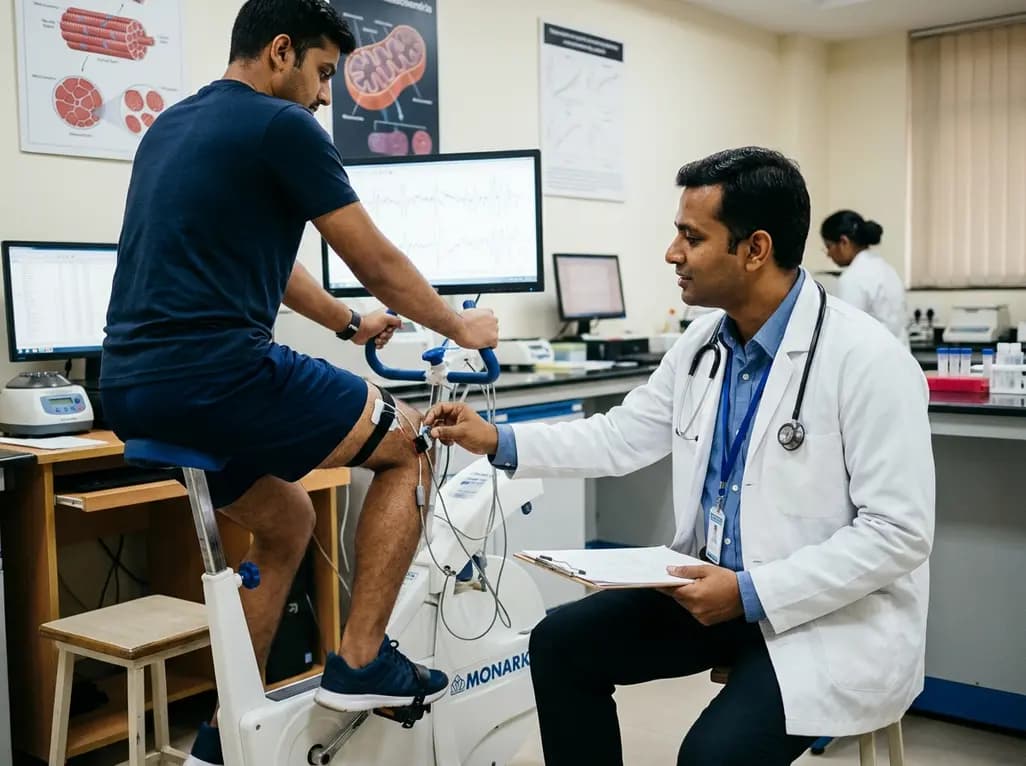
A 6-week trial evaluated twice-weekly single-leg cycle interval training in active adults. Aside from a modest rise in NDUFB8 protein, citrate synthase and capillarisation showed no change, indicating that twice-weekly low-volume sessions may not reach the threshold for muscle oxidative adaptations.
Today
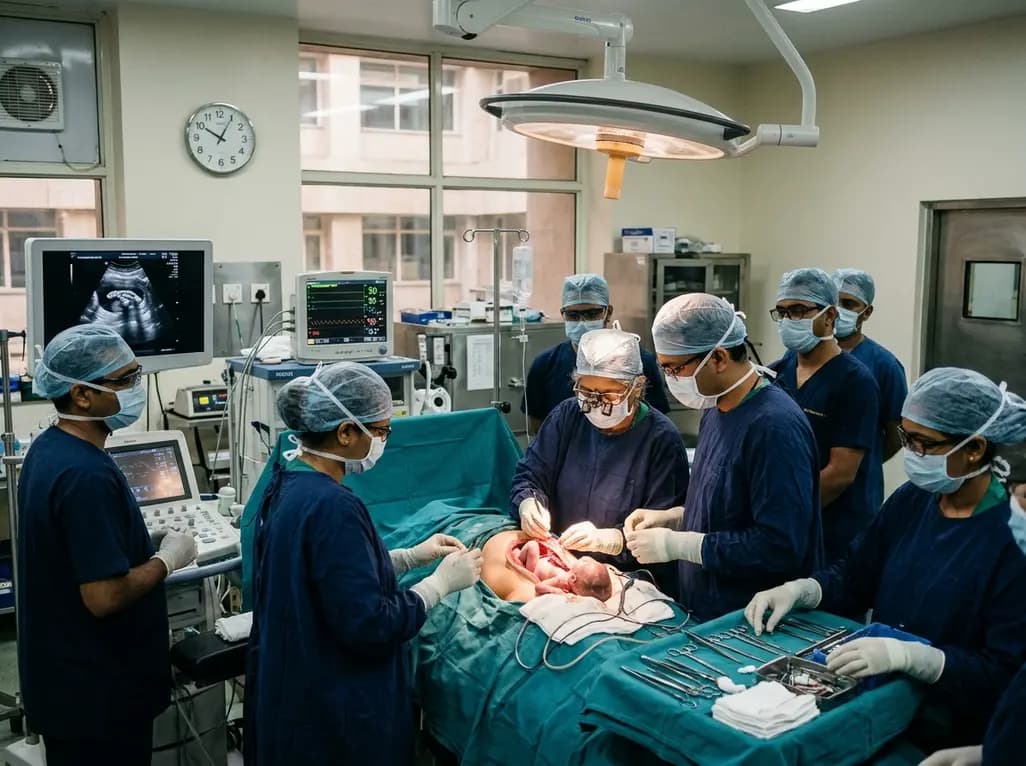
Doctors at AIIMS New Delhi have achieved a historic milestone by performing India's first open prenatal myelomeningocele repair on a 25-week unborn fetus. This landmark multidisciplinary procedure provides vital neuroprotective benefits, lowers hydrocephalus risks, and transforms maternal-fetal medicine nationwide.
Today
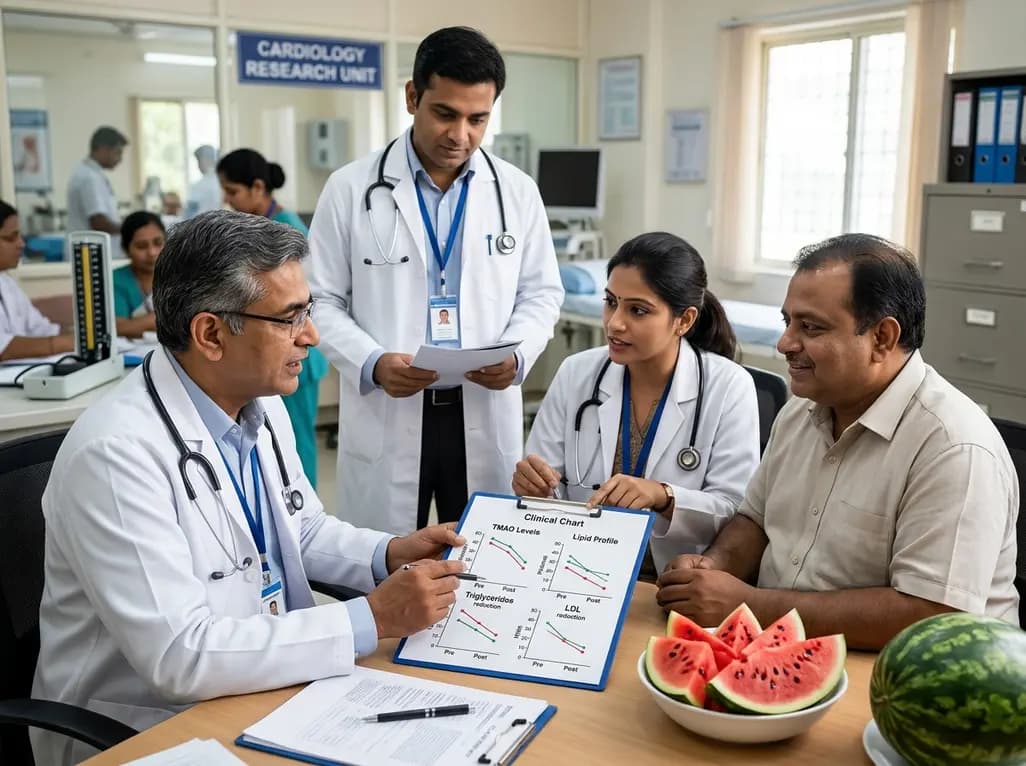
A randomized crossover trial reveals that daily fresh watermelon consumption significantly reduces baseline TMAO levels and favorably modulates lipid profiles, lowering triglycerides and LDL cholesterol in adults with overweight and obesity.
Today
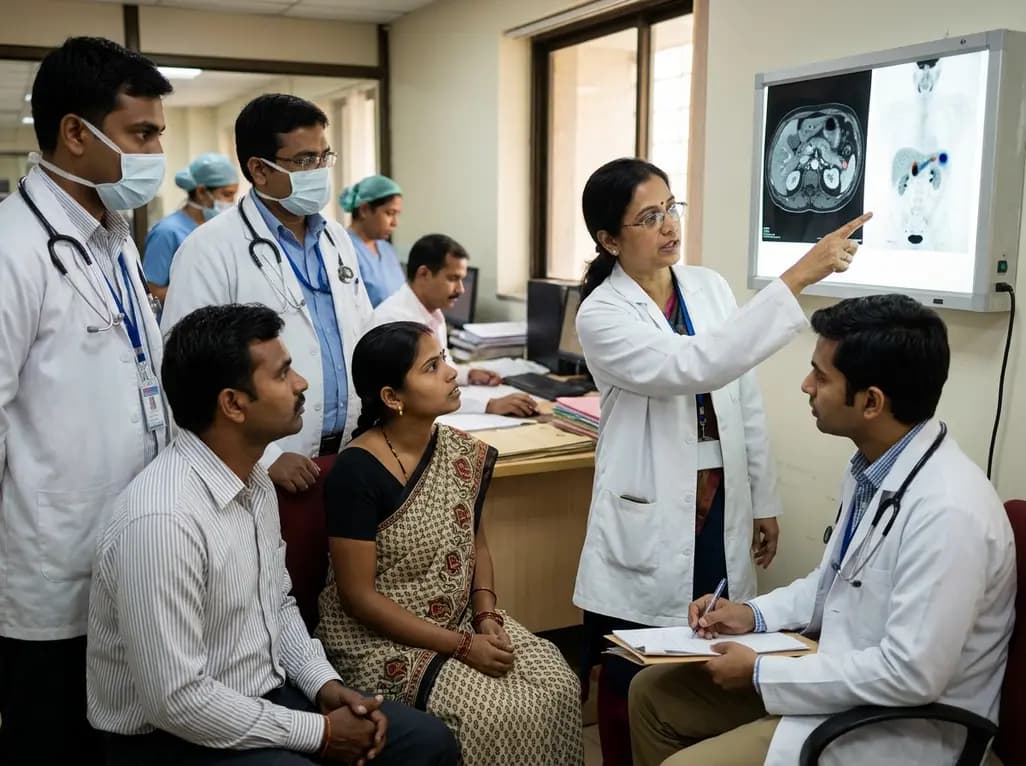
Childhood insulinoma is a rare cause of recurrent hyperinsulinemic hypoglycemia that often eludes early diagnosis. Advanced GLP-1 receptor-targeted PET/CT imaging using 68Ga-exendin-4 complements anatomic MRI to localize occult pancreatic lesions, facilitating focused, curative surgical enucleation.
Today
