

Loading, please wait...
Loading, please wait...

Dynamic left ventricular outflow tract obstruction defines obstructive hypertrophic cardiomyopathy and causes severe exertional dyspnea, presyncope, and diminished functional capacity. For decades, cardiologists relied on conventional negative inotropic medications to control symptoms. However, many individuals continue to experience persistent obstruction and functional decline. In refractory cases, septal reduction therapy provides definitive hemodynamic relief and improves long-term survival.
Obstructive hypertrophic cardiomyopathy causes dynamic mechanical resistance during cardiac systole. Asymmetric basal septal hypertrophy narrows the outflow path, whereas systolic anterior motion of the mitral leaflet creates flow acceleration and venturi forces. Consequently, this dynamic interaction produces high pressure gradients across the subaortic channel. Increased left ventricular systolic pressures elevate myocardial wall stress and myocardial oxygen demand. Furthermore, dynamic obstruction increases left atrial pressure, which precipitates secondary pulmonary hypertension and congestive symptoms. Noninvasive transthoracic echocardiography plays a primary role in measuring these dynamic pressure gradients at rest and during physiological provocation. When resting gradients measure below 50 mmHg, exercise echocardiography unmasks significant latent obstruction. In addition, cardiac magnetic resonance imaging defines the exact distribution of myocardial hypertrophy and quantifies myocardial fibrosis through late gadolinium enhancement. Clinicians must meticulously characterize these complex structural parameters to establish baseline disease severity. Understanding these pathophysiologic mechanics helps cardiologists formulate individualized therapeutic strategies for symptomatic patients.
Initial management of symptomatic obstructive hypertrophic cardiomyopathy focuses on pharmacologic therapies that reduce heart rate and decrease inotropic contractility. Beta-blockers represent the standard first-line treatment choice. Specifically, non-vasodilating beta-blockers prolong diastolic filling time, attenuate exertional outflow tract gradients, and alleviate angina. When patients demonstrate intolerance or contraindications to beta-blockers, non-dihydropyridine calcium channel blockers like verapamil serve as effective alternatives. Furthermore, clinicians often prescribe disopyramide as an add-on antiarrhythmic agent because its negative inotropic action effectively blunts outflow acceleration. However, standard pharmacologic agents carry substantial therapeutic limitations. Many individuals experience disabling fatigue, bradycardia, hypotension, or anticholinergic adverse effects that prevent adequate dose titration. More importantly, conventional medications do not target the primary molecular defect driving hyperdynamic sarcomeric contraction. Consequently, approximately one-third of symptomatic patients continue to experience debilitating class III or IV heart failure symptoms despite maximum tolerated drug therapy. For these refractory patients, clinicians must evaluate invasive or targeted mechanistically distinct options.
The introduction of cardiac myosin inhibitors represents a major therapeutic breakthrough for obstructive hypertrophic cardiomyopathy. These oral small molecules, including mavacamten and aficamten, directly bind cardiac myosin to inhibit excessive actin-myosin cross-bridging. By targeting the primary hypercontractile pathophysiology, myosin inhibitors reduce dynamic left ventricular outflow tract gradients dramatically. Moreover, pivotal randomized trials demonstrate that these agents enhance functional capacity, reduce left atrial volumes, and alleviate clinical symptoms. Notably, cardiac myosin inhibitors modify the clinical landscape surrounding invasive interventions. In clinical studies, substantial proportions of patients who met guideline thresholds for invasive intervention avoided procedural referral after initiating therapy. Nevertheless, cardiac myosin inhibitors require vigilant therapeutic monitoring. Because excessive sarcomere inhibition can depress systolic function, clinicians must regularly assess left ventricular ejection fraction via serial echocardiograms. Therefore, specialists view cardiac myosin inhibitors not as an absolute replacement for invasive intervention, but rather as an effective therapeutic bridge that modifies procedural timing.
When patients maintain severe functional limitation and resting or provoked gradients exceeding 50 mmHg despite optimal medical therapy, clinicians evaluate them for septal reduction therapy. Accurate patient selection requires comprehensive evaluation within specialized multidisciplinary hypertrophic cardiomyopathy centers. Surgical septal myectomy represents the established gold standard intervention. During this open transaortic procedure, cardiac surgeons resect hypertrophied basal myocardium to enlarge the outflow tract widely. Additionally, surgeons can concurrently address intrinsic mitral valve abnormalities, such as elongated leaflets, anomalous papillary muscles, or anterior leaflet displacement. In contrast, alcohol septal ablation provides a minimally invasive transcatheter alternative. Interventional cardiologists selectively infuse dehydrated ethanol into target septal perforator arteries, inducing a localized therapeutic myocardial infarction. As a result, the infarcted septal tissue thins over subsequent months, reducing outflow obstruction. Clinicians preferentially recommend alcohol ablation for older patients, individuals with severe surgical comorbidities, or patients who strongly decline open surgery.
Both surgical myectomy and alcohol septal ablation carry distinct procedural risks that warrant rigorous preprocedural evaluation. Complete heart block necessitating permanent pacemaker implantation occurs more frequently after alcohol septal ablation than after surgical myectomy. Conversely, surgical myectomy requires cardiopulmonary bypass and carries general operative risks, including rare iatrogenic ventricular septal defects. Therefore, multimodality imaging remains indispensable for minimizing procedural hazards. Myocardial contrast echocardiography verifies coronary vessel distribution before alcohol delivery, preventing inadvertent infarction of non-target myocardial territories. Similarly, advanced three-dimensional imaging guides surgical planning by delineating regional septal architecture and anomalous chordal attachments. Furthermore, clinical evidence confirms that procedural outcomes directly correlate with institutional and operator volume. Specialized centers consistently demonstrate procedural mortality rates below one percent, alongside superior long-term survival and freedom from reintervention. Consequently, international guidelines strongly advocate early referral of complex candidates to experienced comprehensive centers, ensuring shared decision-making and optimal patient safety.
The therapeutic horizon for obstructive hypertrophic cardiomyopathy continues to expand with novel investigational techniques. Researchers are currently evaluating transcatheter electrosurgical septal transection and percutaneous radiofrequency septal ablation as alternative modalities to reduce myocardial mass. In addition, stereotactic body radiation therapy represents an innovative noninvasive strategy under active investigation for refractory outflow obstruction. These emerging technologies aim to deliver precise tissue reduction while minimizing conduction system trauma and avoiding general anesthesia. However, rigorous multicenter clinical trials must validate their safety, reproducibility, and durability before widespread adoption. Meanwhile, the strategic integration of cardiac myosin inhibitors with established interventional options is transforming clinical practice patterns. Instead of viewing medical and interventional therapies as opposing pathways, contemporary heart teams embrace a synchronized, patient-tailored approach. Ultimately, multidisciplinary collaboration, genetic characterization, and advanced physiological profiling will guide precise treatment selection, improving functional longevity and clinical outcomes for all patients.
Clinicians recommend septal reduction therapy for individuals with symptomatic obstructive hypertrophic cardiomyopathy when dynamic left ventricular outflow tract gradients reach or exceed 50 mmHg at rest or with physiologic provocation. Furthermore, patients must exhibit severe functional limitation, typically NYHA class III or IV, despite optimized medical therapy. In addition, experienced multidisciplinary heart teams evaluate cardiac morphology, mitral valve anatomy, and comorbidities before deciding between surgical myectomy and catheter-based alcohol ablation.
Cardiac myosin inhibitors alter patient management by relieving dynamic outflow tract obstruction and improving functional status through targeted sarcomere inhibition. Consequently, many patients who previously met criteria for invasive intervention experience symptom resolution, allowing clinicians to safely defer invasive procedures. However, these novel pharmacologic agents modify procedural timing rather than permanently replacing surgical myectomy or alcohol ablation. Therefore, clinicians must continuously monitor ventricular ejection fraction and reassess long-term procedural necessity during regular clinical follow-up.
Heart teams choose between surgical septal myectomy and alcohol septal ablation by meticulously evaluating patient age, coronary anatomy, and concomitant structural abnormalities. Specifically, surgical myectomy represents the preferred gold standard for younger operative candidates, especially those presenting with concomitant intrinsic mitral valve anomalies or extensive septal hypertrophy. Conversely, interventional cardiologists offer alcohol septal ablation to older individuals or patients facing prohibitive surgical risks, provided suitable septal perforator coronary artery branches exist.
Disclaimer: This content is for informational and educational purposes only and should not be considered medical advice. Refer to the latest local and national guidelines for clinical practice.
References

Read summarized clinical updates, watch expert medical content, and earn CME certifications right from your smartphone.
Open your smartphone camera to scan and install.





A comprehensive clinical review of medical management, cardiac myosin inhibitors, and procedural approaches supporting septal reduction therapy in obstructive HCM.
Today

Public health experts urge policymakers to review rigorous clinical evidence before scaling up double fortified salt. With only half of India's anaemia cases stemming from iron deficiency, specialists highlight structural trial limitations, dietary diversity needs, and pending data from the SAMPADA national survey.
Today

A landmark global umbrella review spanning 200 million participant observations reveals that long-term exposure to fine particulate matter significantly increases the risk of developing type 2 diabetes. Clinicians must now address environmental pollution within routine cardiometabolic prevention frameworks.
Today

A clinical overview of resveratrol supplementation in mitigating exercise-induced muscle damage. This narrative review explores physiological mechanisms, reductions in soreness markers like creatine kinase, dosage strategies, and bioavailability enhancements for sports medicine and nutrition practitioners.
Today
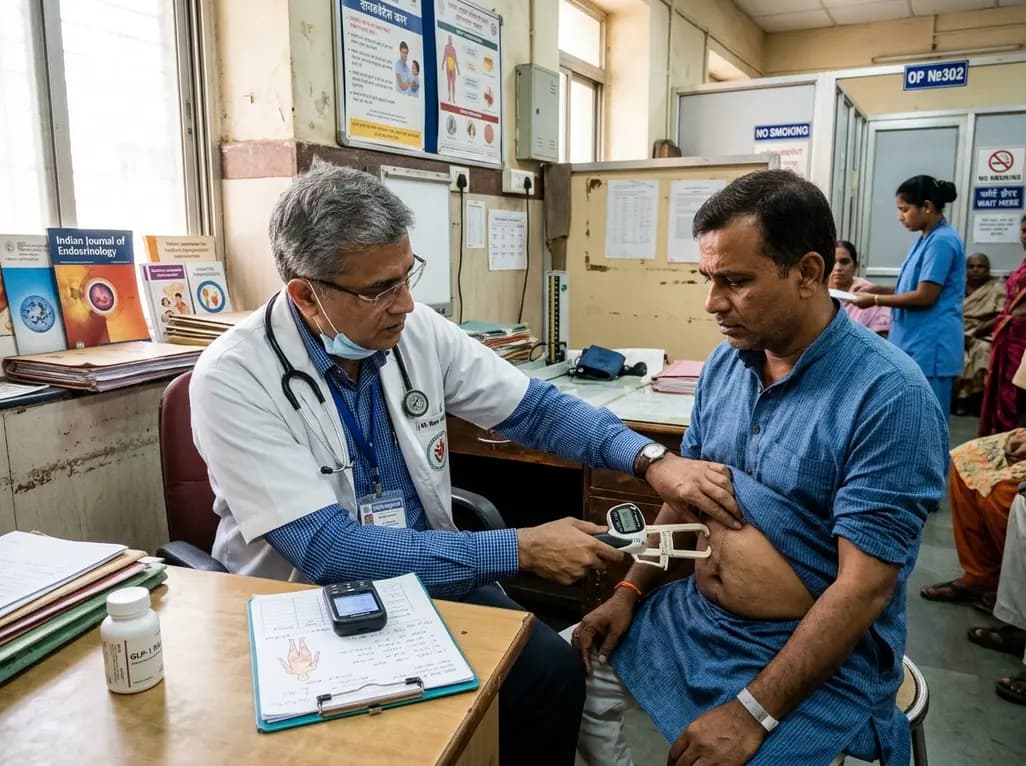
Indian patients present unique metabolic traits, including lower muscle mass and higher visceral adiposity at lower BMI levels. Endocrinologists urge moving past simple scale weight when prescribing GLP-1 receptor agonists, highlighting comprehensive nutritional assessments, muscle function, and organ protection.
Today
