

Loading, please wait...
Loading, please wait...
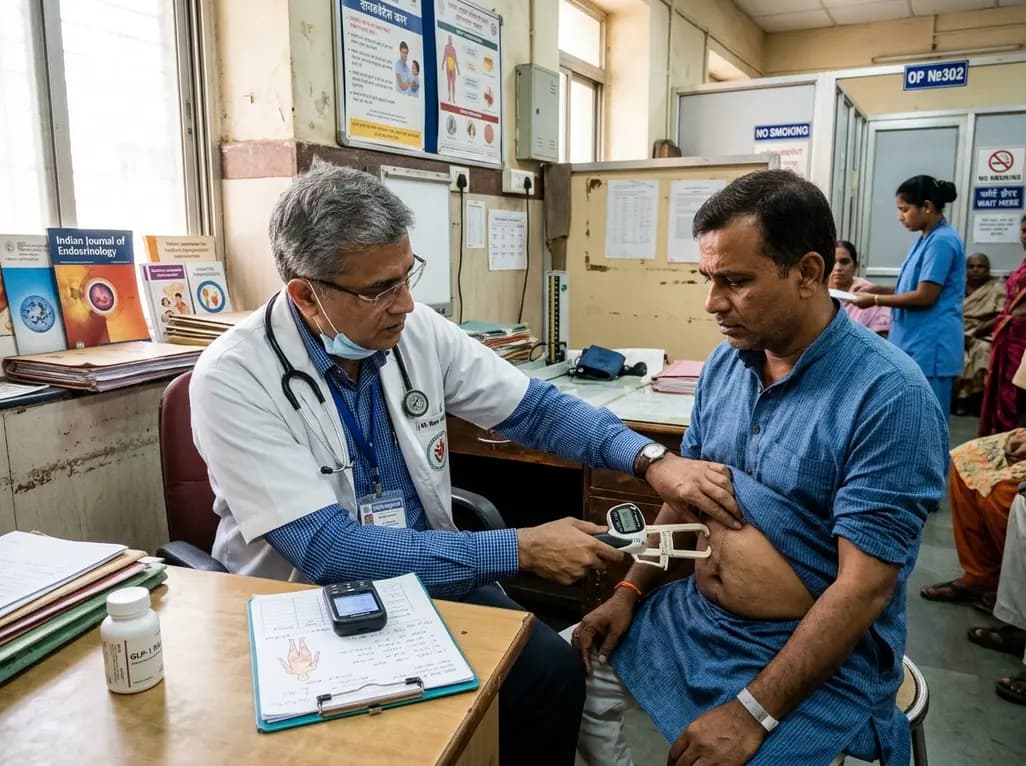
The rapid clinical uptake of GLP-1 therapies in India marks a major shift in contemporary diabetes and obesity management. However, endocrinologists emphasize that clinicians cannot measure treatment success by scale weight alone. Clinicians must evaluate holistic metabolic recovery, body composition changes, and organ protection to deliver meaningful patient care.
South Asian individuals present a distinct physiological profile known widely as the thin-fat Indian phenotype. Specifically, these patients often appear slender externally while harboring substantial visceral adiposity. In addition, they typically demonstrate significantly reduced skeletal muscle mass compared to Western cohorts. Consequently, Indian patients develop type 2 diabetes and metabolic complications at lower body mass index levels. Furthermore, these metabolic dysfunctions frequently manifest at notably younger chronological ages. Sedentary modern routines, irregular meal timings, and carbohydrate-dense diets intensify these physiological vulnerabilities. Therefore, clinicians cannot simply apply standard Western prescribing guidelines to domestic clinical practice. Western body mass index thresholds often fail to capture hidden visceral fat and ectopic adiposity. For this reason, healthcare professionals must examine waist circumference and waist-to-height ratios during routine visits. Practitioners must also recognize that adipose tissue frequently accumulates within the liver, pancreas, and skeletal muscles. Ultimately, tailored clinical protocols enable physicians to detect metabolic distress before overt disease emerges. By recognizing this unique phenotype early, doctors can provide personalized interventions that truly safeguard long-term health. In addition, early clinical intervention shields vital organs from irreversible structural deterioration.
Because modern GLP-1 receptor agonists induce powerful appetite suppression, daily caloric intake drops dramatically. For instance, a patient daily intake may plummet abruptly from 2,000 calories down to 1,200 calories. If pre-existing nutrient reserves are inadequate, severe nutritional deficits can rapidly occur. Therefore, comprehensive nutritional assessment must precede the very first dose. Indian diets frequently supply insufficient daily protein, which heightens the clinical danger of sarcopenia during active therapy. Clinicians must systematically evaluate bone mineral density, overall hydration, and total body fat distribution before prescribing. In addition, practitioners should perform functional evaluations, such as handgrip dynamometry and chair-rise capability. When overall food intake contracts, the nutrient density of every remaining meal becomes critically important. Consequently, certified clinical nutritionists should guide patients toward appropriate macronutrient and micronutrient consumption from day one. Clinicians must specifically ensure sufficient dietary intake of bioavailable protein, calcium, and vitamin D. Furthermore, maintaining proper daily hydration prevents common mild gastrointestinal complaints and sudden fatigue. Thus, incorporating structured dietary planning ensures patient safety while maximizing therapeutic efficacy throughout treatment. Moreover, routine dietary reviews help patients sustain their nutritional discipline over extended periods.
A major concern during rapid weight reduction is the unintended loss of skeletal muscle tissue. However, Dr. Shashank Joshi highlights that declining muscle mass does not inevitably cause reduced physical performance. In fact, clinical research reveals that handgrip strength can improve even while total lean mass contracts. This positive paradox occurs primarily because the medication facilitates the elimination of ectopic muscular fat. Specifically, clearing intermuscular adipose tissue enhances motor unit activation and restores physiological muscle efficiency. South Asian individuals accumulate excess fat deposits within skeletal muscles, the liver, and the pancreas. Therefore, reducing this harmful ectopic fat improves functional strength and overall metabolic health. Nevertheless, physicians should not assume that physical strength preserves itself without deliberate effort. Patients must integrate progressive resistance training and structured strength exercises from the beginning of medical therapy. Moreover, clinicians should monitor objective functional parameters rather than relying solely on changes in lean volume. Regular evaluations of physical stamina ensure that patients achieve meaningful physiological improvements. Thus, preserving neuromuscular health remains a vital component of successful cardiometabolic disease management. Furthermore, regular functional evaluations reassure patients about their underlying physical resilience.
Successful deployment of GLP-1 therapies in India requires shifting clinical focus toward comprehensive health gains. Weight loss alone cannot define clinical victory if underlying metabolic organs remain compromised or neglected. Instead, physicians must prioritize liver fat reduction, renal preservation, and cardiovascular risk minimization. Dr. Joshi advocates transforming conventional weight management clinics into holistic metabolic wellness centers. Furthermore, routine monitoring must extend beyond simple glycemic indices and HbA1c values. Clinicians should evaluate urinary microalbumin excretion, comprehensive lipid profiles, and liver enzymes on a scheduled basis. In addition, postmenopausal women and older adults require careful surveillance of bone mineral density. Substantial weight loss can destabilize skeletal turnover, which increases osteopenia risk if left unmonitored. Therefore, clinicians must ensure adequate calcium supplementation alongside ongoing metabolic surveillance. When therapeutic protocols emphasize organ protection, patient adherence and treatment longevity improve substantially. Moreover, educating patients on these broader endpoints builds realistic expectations and reduces frustration over cosmetic plateaus. Consequently, holistic monitoring transforms medical therapy into a durable shield against long-term diabetic complications. In fact, systematic metabolic surveillance guarantees that medical therapies deliver their full therapeutic potential.
Managing treatment cessation represents another vital challenge in modern metabolic therapy. Dr. Joshi warns that abrupt medication termination frequently triggers severe appetite resurgence and subsequent weight rebound. Consequently, patients who discontinue treatment without guidance may lose both physical and glycemic improvements rapidly. Clinicians should establish tailored maintenance regimens or gradual de-escalation protocols based on individual goals. However, cost barriers, drug availability fluctuations, or personal choices often cause unexpected therapy interruptions. Therefore, healthcare teams must embed sustainable lifestyle habits from the very beginning of clinical management. Patients who develop consistent exercise routines and mindful eating patterns resist rebound weight gain far more successfully. In addition, healthcare facilities must establish multidisciplinary care teams combining endocrinologists, primary physicians, and nutritionists. Coordinated clinical guidance provides structured dietary counseling, exercise prescription, and close symptom monitoring. Furthermore, regular team follow-ups enable timely dose adjustments and minimize adverse gastrointestinal symptoms. Structured clinical collaboration ensures that patients transition smoothly between active treatment and long-term maintenance. Ultimately, multidisciplinary oversight empowers patients to sustain their metabolic gains even when pharmacological therapy ends. As a result, patients enjoy sustainable metabolic protection well after active pharmacotherapy concludes.
Q1: Why is the thin-fat Indian phenotype significant when initiating GLP-1 medications?
The thin-fat Indian phenotype describes individuals who appear lean externally but store elevated visceral fat alongside low skeletal muscle mass. Consequently, Indian patients develop metabolic disorders, including type 2 diabetes, at lower body mass index thresholds and younger ages. Standard foreign dosing guidelines may overlook these body composition differences. Therefore, clinicians must assess waist circumference, grip strength, and ectopic fat accumulation rather than relying solely on Western weight benchmarks.
Q2: How does muscle function remain preserved despite lean mass reduction during treatment?
Although patients frequently experience reductions in total lean muscle volume during therapy, their functional strength often improves or remains stable. This favorable paradox occurs because the medication promotes the rapid clearance of ectopic fat deposited within muscle tissues. Consequently, eliminating this intermuscular fat enhances neuromuscular coordination and boosts mechanical contractile efficiency. Clinicians must incorporate progressive resistance exercise and measure functional grip strength regularly to maintain these essential muscle benefits throughout active medical therapy.
Q3: What clinical strategies prevent significant weight regain after stopping GLP-1 therapy?
Sudden discontinuation of therapy often triggers substantial weight regain because suppressed hunger pathways rebound quickly. Therefore, physicians should never stop medications abruptly without establishing structured de-escalation protocols. Integrating resistance training, high-protein nutrition, and behavioral counseling from day one establishes permanent metabolic resilience. Furthermore, ongoing clinical monitoring and occasional low-dose maintenance therapy can stabilize metabolic markers. These proactive multidisciplinary measures help patients sustain their hard-won health gains if pharmacological treatment must be paused.
Disclaimer: This content is for informational and educational purposes only. It does not constitute medical advice or replace professional judgment. Refer to the latest local and national guidelines for clinical practice.
References

Read summarized clinical updates, watch expert medical content, and earn CME certifications right from your smartphone.
Open your smartphone camera to scan and install.





Indian patients present unique metabolic traits, including lower muscle mass and higher visceral adiposity at lower BMI levels. Endocrinologists urge moving past simple scale weight when prescribing GLP-1 receptor agonists, highlighting comprehensive nutritional assessments, muscle function, and organ protection.
Today

Public health experts urge policymakers to review rigorous clinical evidence before scaling up double fortified salt. With only half of India's anaemia cases stemming from iron deficiency, specialists highlight structural trial limitations, dietary diversity needs, and pending data from the SAMPADA national survey.
Today
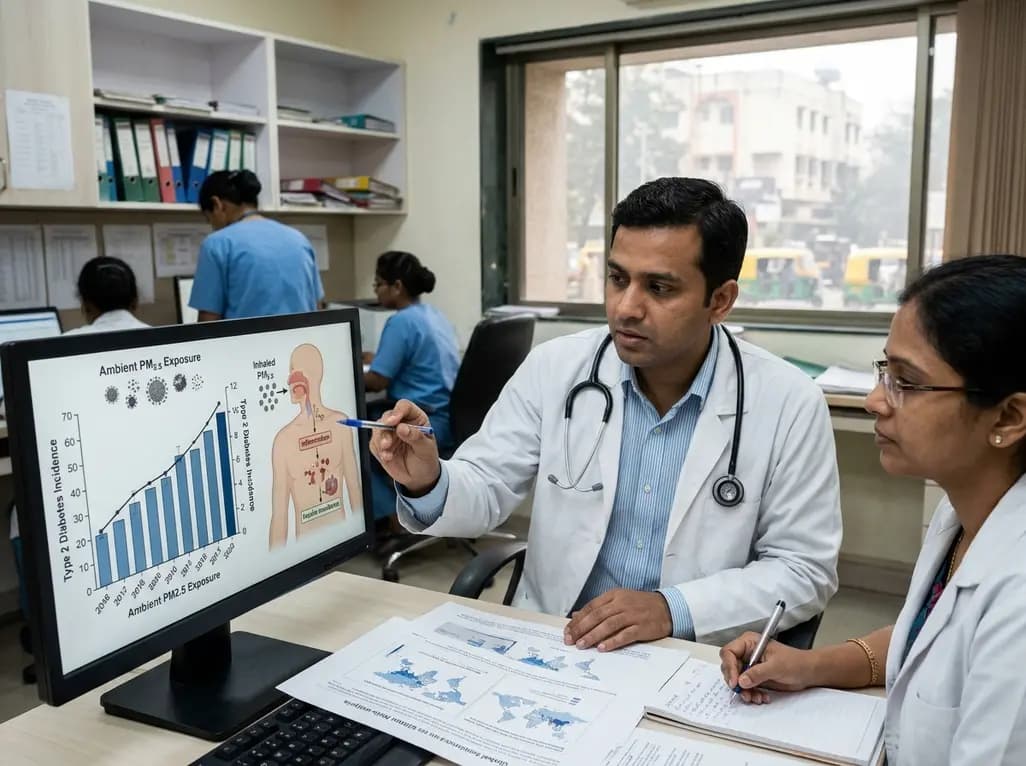
A landmark global umbrella review spanning 200 million participant observations reveals that long-term exposure to fine particulate matter significantly increases the risk of developing type 2 diabetes. Clinicians must now address environmental pollution within routine cardiometabolic prevention frameworks.
Today

A clinical overview of resveratrol supplementation in mitigating exercise-induced muscle damage. This narrative review explores physiological mechanisms, reductions in soreness markers like creatine kinase, dosage strategies, and bioavailability enhancements for sports medicine and nutrition practitioners.
Today

Fungal fermentation of quinoa proteins produces novel DPP-IV inhibitory peptides, including VPQNFA, demonstrating potent enzyme suppression in gut tissues and highlighting potential adjunctive dietary strategies for type 2 diabetes management.
Today
