.webp&w=384&q=75)

Loading, please wait...
Loading, please wait...
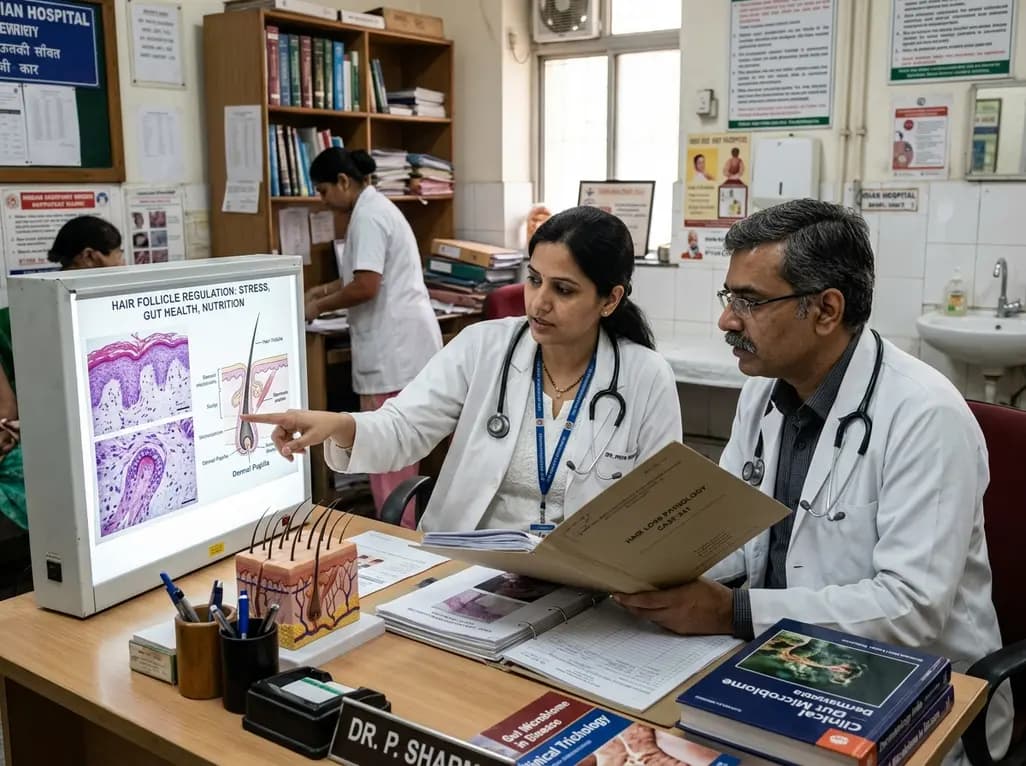
Managing hair loss in India requires a fundamental paradigm shift from superficial consumer remedies toward comprehensive internal health evaluation. Millions of individuals actively notice thinning hair, yet they frequently rely on topical oils, cosmetic shampoos, and unverified commercial products. Consequently, underlying systemic pathologies remain completely unaddressed. Hair follicles represent metabolically active mini-organs that dynamically reflect physiological equilibrium. Therefore, clinicians must treat progressive shedding not as an isolated cosmetic inconvenience, but as an important early clinical indicator of internal physiological strain.
Epidemiological data reveals that progressive thinning affects over 200 million individuals across diverse age groups nationwide. Furthermore, recent large-scale demographic surveys across Indian urban populations demonstrate a striking shift toward earlier clinical onset. Young adults in their early twenties increasingly present with advanced telogen effluvium and premature androgenetic alopecia. Traditional cultural attitudes often encourage external interventions, such as botanical extracts and hair oils, which delay formal clinical evaluations. As a result, patients present late in their disease trajectory after substantial follicular miniaturisation has already occurred.
Moreover, modern lifestyle transformations across metropolitan hubs have introduced unprecedented metabolic and environmental pressures. Sedentary routines, altered nutritional quality, high occupational demands, and erratic sleep schedules converge to disrupt cellular homeostasis. Because hair follicle epithelial cells display some of the highest turnover rates in human physiology, they exhibit rapid vulnerability to systemic metabolic fluctuations. Clinicians must therefore identify these broad systemic contributors during primary consultations to establish effective long-term treatment strategies.
Large observational datasets indicate that psychological stress accompanies more than 60% of clinical presentations in young adults. Chronic emotional and occupational stress triggers sustained activation of the hypothalamic-pituitary-adrenal axis. Consequently, persistent systemic elevations of cortisol directly compromise follicular stem cell activity and suppress local vascular perfusion. Elevated cortisol alters the extracellular matrix surrounding the dermal papilla, which accelerates the transition of hair follicles from the anagen growth phase into catagen regression.
In addition, acute stress upregulates local perifollicular neurogenic inflammation through the substance P pathway. Sensory nerve fibers surrounding the hair follicle release neuropeptides that provoke mast cell degranulation. This neurogenic inflammatory response damages the follicular microenvironment, precipitating acute telogen effluvium. Because psychological distress and alopecia often form a vicious self-perpetuating cycle, clinicians must systematically evaluate neuroendocrine strain. Implementing structured stress-reduction strategies alongside pharmacological therapy significantly enhances follicular recovery and halts progressive shedding.
Emerging scientific evidence highlights the fundamental role of the gut-skin-hair axis in follicular biology and immunomodulation. Clinical surveys indicate that gastrointestinal complaints, including persistent dysbiosis, hyperpermeability, and functional dyspepsia, occur in nearly 37% of individuals experiencing diffuse shedding. Intestinal inflammation impairs the active absorption of vital micronutrients required for robust keratin synthesis. Specifically, subclinical malabsorption diminishes systemic stores of elemental iron, zinc, essential amino acids, and B vitamins.
Furthermore, gastrointestinal dysbiosis promotes systemic low-grade endotoxemia through the translocation of circulating lipopolysaccharides. This systemic inflammatory cascade stimulates the release of pro-inflammatory cytokines, including tumor necrosis factor-alpha and interleukin-6. These circulating inflammatory mediators disrupt the hair cycle and provoke premature follicular apoptosis. Clinicians must therefore assess digestive health, dietary diversity, and mucosal integrity. Restoring balanced intestinal microflora through targeted nutritional interventions effectively optimizes systemic nutrient delivery to the dermal papilla.
Disrupted circadian rhythm represents another pivotal yet frequently overlooked driver of follicular pathology in modern practice. Hair follicle stem cells express peripheral circadian clock genes that synchronize the natural progression between anagen and telogen phases. Chronic sleep restriction, irregular shift work, and excessive nighttime blue light exposure dysregulate these intrinsic transcriptional rhythms. Consequently, desynchronized clock machinery impairs the proliferative capacity of matrix keratinocytes within the active bulb.
Additionally, inadequate slow-wave sleep reduces the nocturnal secretion of human growth hormone and nocturnal melatonin. Melatonin functions as a potent free-radical scavenger within follicular tissue, protecting dividing cells from local oxidative damage. When chronic sleep deprivation diminishes endogenous antioxidant defenses, reactive oxygen species accumulate in the dermal papilla microenvironment. Therefore, correcting sleep hygiene and restoring regular circadian cycles serves as a foundational therapeutic requirement in managing chronic diffuse hair shedding.
Clinicians must actively educate patients to move beyond superficial over-the-counter remedies and pursue structured medical diagnostics. Standard trichological evaluations should combine high-resolution trichoscopy with targeted laboratory panels to distinguish between patterned hair loss and metabolic telogen effluvium. Laboratory workups should evaluate complete blood counts, serum ferritin, total iron-binding capacity, thyroid-stimulating hormone, fasting insulin, and 25-hydroxyvitamin D levels.
Moreover, evaluating metabolic markers such as lipid profiles and fasting blood glucose helps identify subclinical insulin resistance. Hyperinsulinemia increases peripheral conversion of testosterone to dihydrotestosterone by downregulating sex hormone-binding globulin, which directly accelerates androgenetic alopecia. Through methodical diagnostic screening, practitioners can identify occult endocrine or inflammatory disorders early. This targeted diagnostic approach ensures that medical therapies directly address the root biochemical triggers rather than merely providing superficial cosmetic cover.
Effective management requires a comprehensive multimodal strategy that combines conventional pharmacological agents with lifestyle and metabolic rehabilitation. First-line medical therapies such as topical minoxidil and 5-alpha reductase inhibitors remain the cornerstone for stabilizing follicular miniaturisation. However, their clinical efficacy increases substantially when physicians concurrently correct underlying iron deficiencies, modulate gut health, and normalize thyroid function.
Furthermore, integrating dietary modifications rich in bioavailable proteins, anti-inflammatory phytonutrients, and essential fatty acids supports optimal hair shaft diameter. Physicians should also encourage daily physical activity to improve peripheral microcirculation and downregulate systemic inflammatory cytokines. By addressing both internal physiological drivers and local scalp biology, healthcare providers can deliver superior, long-lasting outcomes for patients presenting with complex hair thinning.
Q1: Why are topical hair products alone often ineffective for chronic hair shedding?
Topical cosmetic products only coat the external hair shaft and cannot alter the cellular machinery within the deep dermal papilla. Because chronic hair shedding frequently stems from internal physiological disruptions such as elevated cortisol, thyroid dysfunction, micronutrient deficiencies, or gut dysbiosis, successful treatment requires systemic medical evaluation and targeted internal therapy to restore normal follicular growth cycles.
Q2: How does psychological stress trigger sudden diffuse hair loss?
Severe psychological stress activates the hypothalamic-pituitary-adrenal axis, releasing high levels of cortisol and neuropeptides like substance P. These biochemical mediators trigger neurogenic inflammation around the hair bulb and prematurely push growing anagen follicles into the resting telogen phase. Approximately two to three months after the initial stressful trigger, these resting hairs detach, resulting in noticeable diffuse shedding.
Q3: What essential laboratory investigations should doctors order for progressive hair thinning?
A thorough diagnostic panel should include a complete blood count, serum ferritin, total iron-binding capacity, thyroid-stimulating hormone, and serum 25-hydroxyvitamin D. In addition, practitioners should assess fasting blood glucose, fasting insulin, and vitamin B12 levels to identify metabolic dysfunction, subclinical insulin resistance, or dietary malabsorption that may quietly accelerate follicular miniaturisation.
Disclaimer: This content is for informational and educational purposes only. It does not constitute medical advice or replace professional judgment. Refer to the latest local and national guidelines for clinical practice.
References

Read summarized clinical updates, watch expert medical content, and earn CME certifications right from your smartphone.
Open your smartphone camera to scan and install.





Managing hair loss in India requires shifting focus from superficial cosmetic products to addressing root physiological drivers. Clinical evidence shows that chronic stress, gut dysbiosis, circadian disruption, and nutritional deficits fundamentally dictate follicular health and hair cycle regulation.
last month

A comprehensive integrative multi-omic study combines NHANES epidemiology, Mendelian Randomization, and transcriptomic analysis to uncover complex causal associations, metabolic pathways, and novel machine learning diagnostic biomarkers linking gastric cancer and diabetes.
Today

India's national digital health service achieved a historic milestone of fifty crore virtual consultations. Notably, female patients account for over fifty-seven percent of utilisation, demonstrating improved healthcare accessibility for remote communities, chronic disease management, and primary triage.
Today
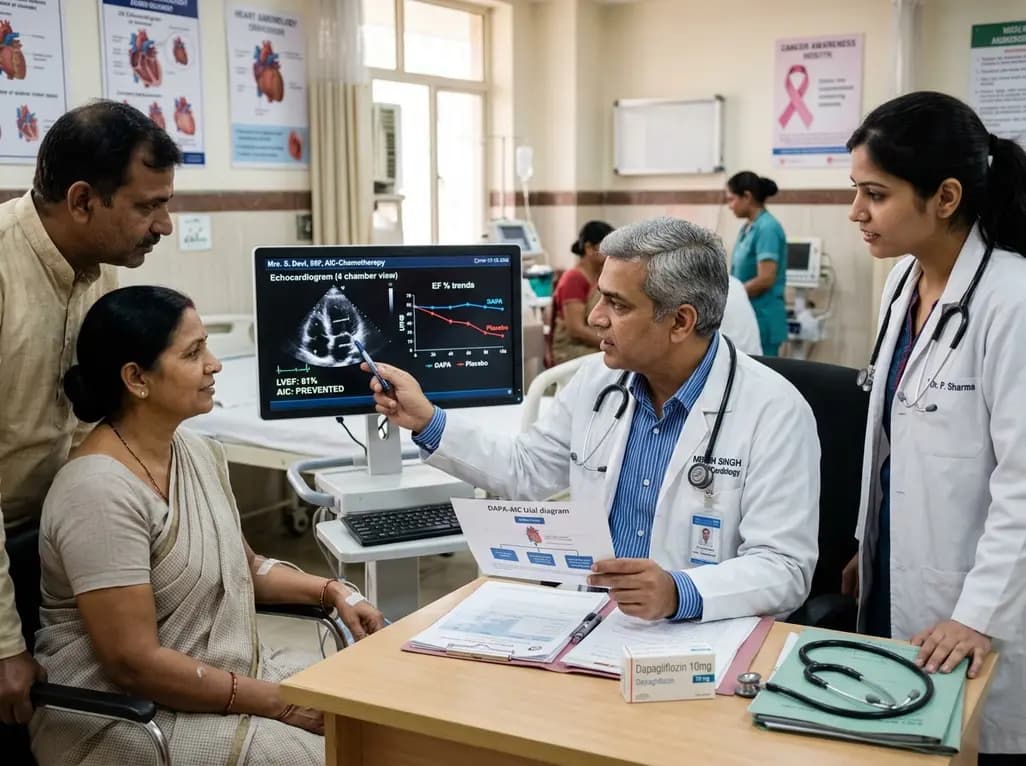
The phase II DAPA-AIC trial demonstrates that dapagliflozin 10 mg daily significantly preserves left ventricular ejection fraction compared to placebo over four months in adults undergoing anthracycline chemotherapy, highlighting a potential preventive strategy in cardio-oncology.
Today
A scoping review reveals severe gaps in long-term assistive technology provision following humanitarian emergencies. Addressing post-disaster rehabilitation requires systematic follow-up, workforce training, and integration into national health systems to sustain mobility and recovery.
Today
An interim propensity score-matched study comparing SASI vs OAGB demonstrates equivalent short- and mid-term outcomes. Both bariatric procedures achieved substantial excess weight loss and 100% medication-free blood glucose control at 18 months, underscoring the metabolic efficacy of both techniques.
Today
