.webp&w=384&q=75)

Loading, please wait...
Loading, please wait...

Bariatric specialists continually explore innovative metabolic techniques that deliver sustained weight reduction while minimizing chronic malabsorptive complications. When evaluating novel interventions such as SASI vs OAGB, clinicians seek robust comparative evidence on both weight reduction and glycemic durability. Single anastomosis sleeve-ileal bypass combines a restrictive vertical sleeve gastrectomy with a loop anastomosis between the gastric antrum and the ileum. Consequently, this anatomical design preserves partial physiological duodenal transit while accelerating distal ileal delivery of nutrients. In contrast, one-anastomosis gastric bypass creates a long gastric pouch connected to a jejunal loop, deliberately bypassing the proximal foregut. Both surgical configurations stimulate profound incretin secretion, specifically glucagon-like peptide-1, which rapidly improves systemic insulin resistance. However, metabolic surgery teams frequently debate the comparative weight loss efficacy and nutritional risks of both interventions. While surgeons widely perform one-anastomosis gastric bypass across modern surgical centers, single anastomosis sleeve-ileal bypass represents a promising hybrid alternative. Therefore, comparative prospective research is vital to determine whether this emerging technique matches established bypass benchmarks across clinical practices.
Evaluating bariatric interventions through observational data often introduces confounding factors such as baseline body mass index, age, and chronic comorbidities. To mitigate these significant selection biases, an interim multicenter observational study evaluated outcomes between single anastomosis sleeve-ileal bypass and one-anastomosis gastric bypass. Specifically, researchers implemented rigorous propensity score matching to balance baseline demographics, anthropometric measurements, and major medical comorbidities. The mid-term analysis included 208 patients who completed at least six months of postoperative follow-up, comprising 108 patients receiving sleeve-ileal bypass and 100 undergoing the one-anastomosis procedure. Experienced surgical teams performed all interventions using standardized laparoscopic or robotic surgical platforms. Furthermore, the investigators conducted inverse probability of treatment weighting using average treatment effect weights as an additional sensitivity analysis. This robust statistical design ensured reliable comparisons across the matched cohorts despite non-randomized treatment allocation. Although the initial study protocol anticipated an optimal sample size of 394 participants per treatment arm, patient recruitment remained below this statistical target. Therefore, the researchers noted that the interim evaluation remains underpowered, underscoring the absolute necessity for expanded sample sizes and prolonged clinical monitoring.
Anthropometric outcomes following metabolic surgery represent primary markers of long-term procedural success. In this matched cohort, researchers documented substantial weight reduction across both study groups throughout the follow-up window. Excess weight loss increased remarkably from 64.91% to 101.74% after one-anastomosis gastric bypass between short-term and mid-term follow-up intervals. Similarly, patients who underwent single anastomosis sleeve-ileal bypass achieved an increase in excess weight loss from 61.70% to 92.62%. After propensity score matching, the investigators detected no statistically significant differences in weight loss outcomes between the two interventions at 6, 12, or 18 months. Moreover, the metabolic benefits extended far beyond pure anthropometric improvements. By 18 months, all patients across both operational cohorts attained complete medication-free blood glucose control. Consequently, these clinical findings highlight the remarkable endocrine potency of both anatomical configurations in reversing metabolic dysfunction. Both operations accelerate nutrient delivery to the distal small bowel, thereby enhancing rapid postprandial secretion of insulin and satiety peptides. Thus, the comparative data confirm that the sleeve-ileal bypass produces mid-term glycemic remission equivalent to one-anastomosis bypass in appropriately selected candidates.
Postoperative safety remains the paramount concern when introducing newer bariatric techniques into clinical practice. During the reported short- and mid-term follow-up periods, the investigators observed no statistically significant differences in overall complication rates between the matched groups. Laparoscopic and robotic approaches provided excellent perioperative safety under the care of experienced surgical specialists. However, clinicians must maintain vigilance regarding the distinctive physiological mechanisms and delayed complications of each surgical design. One-anastomosis gastric bypass carries established risks of alkaline biliary reflux into the gastric pouch and esophagus, which occasionally requires revision. In addition, extensive bypass of the upper gastrointestinal tract can precipitate micronutrient malabsorption, including deficiencies in iron, ferritin, vitamin B12, and fat-soluble vitamins. Conversely, single anastomosis sleeve-ileal bypass permits dual enteric transit through both the pylorus and the ileostomy. While this dual pathway theoretically moderates severe micronutrient deficits, it introduces technical complexities regarding variable flow partitioning. Furthermore, clinicians must monitor sleeve-related complications, such as staple-line leaks, late sleeve dilatation, or persistent reflux disease. Therefore, comprehensive long-term surveillance remains essential to document late nutritional and structural outcomes across treated cohorts.
The findings of this comparative study offer significant clinical relevance for bariatric practice in India. South Asian populations exhibit a distinct metabolic phenotype characterized by severe central adiposity, severe insulin resistance, and elevated cardiovascular vulnerability at lower body mass index thresholds. Consequently, metabolic surgeons in India routinely manage complex type 2 diabetes mellitus among individuals presenting with moderate obesity. Procedures that deliver robust glycemic control without worsening nutritional vulnerability are exceptionally valuable in this unique clinical setting. Because micronutrient deficiencies like iron deficiency anemia are prevalent across the Indian population, procedures preserving partial physiological foregut absorption hold considerable appeal. The interim equivalence demonstrated between sleeve-ileal bypass and one-anastomosis bypass confirms that dual-pathway procedures are technically feasible and metabolically potent. Nevertheless, Indian bariatric specialists should interpret these interim findings with measured caution. Because the study did not achieve its target sample size, larger multicenter trials remain necessary before adopting sleeve-ileal bypass as a standard first-line surgical option. Therefore, multidisciplinary teams must continue prioritizing rigorous patient selection, routine biochemical monitoring, and comprehensive long-term nutritional supplementation.
Single anastomosis sleeve-ileal bypass combines a vertical sleeve gastrectomy with a side-to-side anastomosis between the gastric antrum and the distal ileum. Consequently, food empties through both the normal pyloric pathway and the ileal bypass. In contrast, one-anastomosis gastric bypass creates a long gastric pouch fully divided from the stomach and anastomosed to a loop of jejunum. Therefore, one-anastomosis bypass completely diverts food away from the duodenum and proximal small intestine.
Both procedures stimulate rapid resolution of hyperglycemia by accelerating distal nutrient delivery and prompting elevated postprandial glucagon-like peptide-1 release. In the propensity score-matched interim study, all patients in both procedural arms achieved complete, medication-free blood glucose control by 18 months of follow-up. Furthermore, this intense incretin stimulation improves peripheral insulin sensitivity and promotes sustained beta-cell function. Therefore, both techniques deliver exceptional metabolic control for patients living with poorly controlled type 2 diabetes.
Although bariatric procedures achieve profound metabolic improvements, surgical bypass of intestinal segments inevitably alters physiological nutrient absorption. One-anastomosis gastric bypass can impair absorption of iron, ferritin, calcium, and fat-soluble vitamins. While the bipartition in sleeve-ileal bypass allows partial duodenal passage, distal intestinal diversion can still cause subclinical nutritional depletion over time. Consequently, clinicians must schedule periodic laboratory evaluations, maintain individualized multivitamin supplementation, and monitor bone density to prevent chronic deficiency states in post-surgical patients.
Disclaimer: This content is for informational and educational purposes only and is not intended to serve as medical advice, diagnosis, or treatment. Professional medical judgment should always take precedence when interpreting and applying this information. Healthcare providers are advised to independently verify all clinical details and consider patient-specific factors when making treatment decisions. The opinions expressed reflect the current state of clinical research and are subject to revision as new evidence emerges. Refer to the latest local and national guidelines for clinical practice.
References

Read summarized clinical updates, watch expert medical content, and earn CME certifications right from your smartphone.
Open your smartphone camera to scan and install.





An interim propensity score-matched study comparing SASI vs OAGB demonstrates equivalent short- and mid-term outcomes. Both bariatric procedures achieved substantial excess weight loss and 100% medication-free blood glucose control at 18 months, underscoring the metabolic efficacy of both techniques.
Today
A comprehensive integrative multi-omic study combines NHANES epidemiology, Mendelian Randomization, and transcriptomic analysis to uncover complex causal associations, metabolic pathways, and novel machine learning diagnostic biomarkers linking gastric cancer and diabetes.
Today
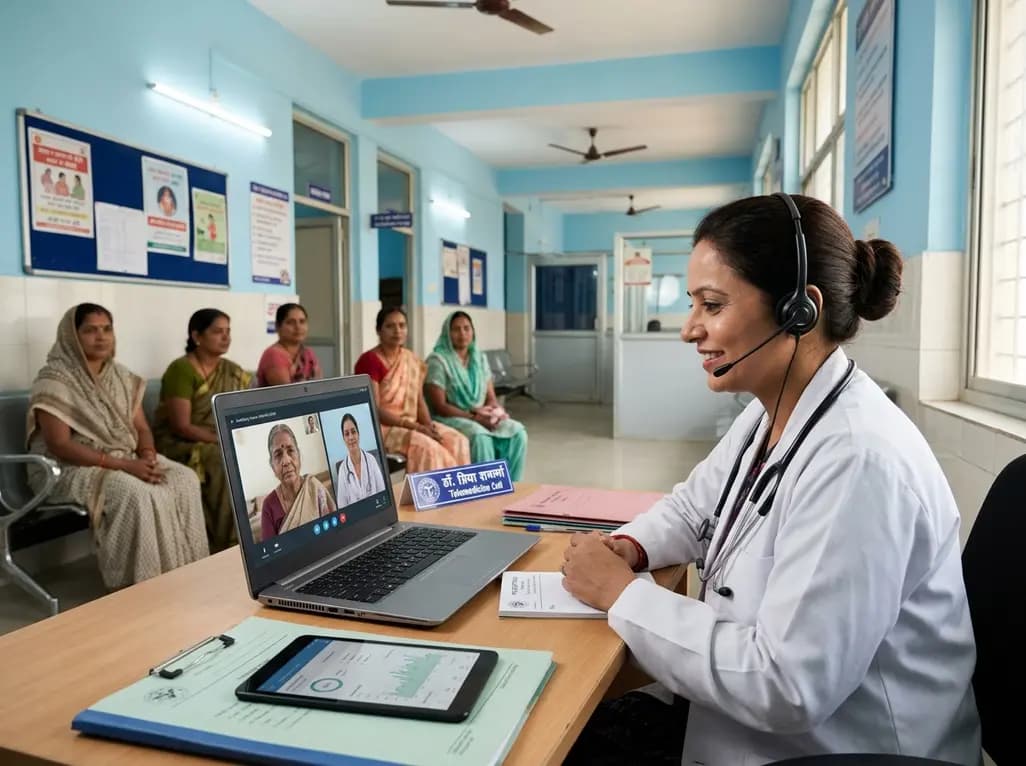
India's national digital health service achieved a historic milestone of fifty crore virtual consultations. Notably, female patients account for over fifty-seven percent of utilisation, demonstrating improved healthcare accessibility for remote communities, chronic disease management, and primary triage.
Today
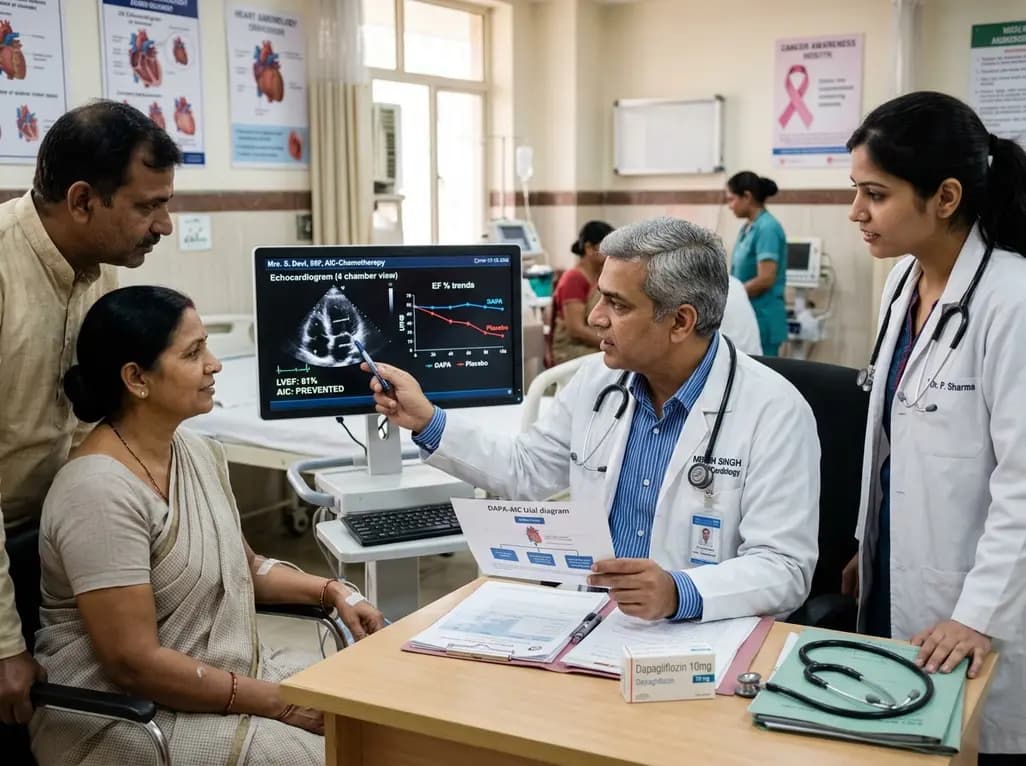
The phase II DAPA-AIC trial demonstrates that dapagliflozin 10 mg daily significantly preserves left ventricular ejection fraction compared to placebo over four months in adults undergoing anthracycline chemotherapy, highlighting a potential preventive strategy in cardio-oncology.
Today
A scoping review reveals severe gaps in long-term assistive technology provision following humanitarian emergencies. Addressing post-disaster rehabilitation requires systematic follow-up, workforce training, and integration into national health systems to sustain mobility and recovery.
Today
