.webp&w=384&q=75)

Loading, please wait...
Loading, please wait...
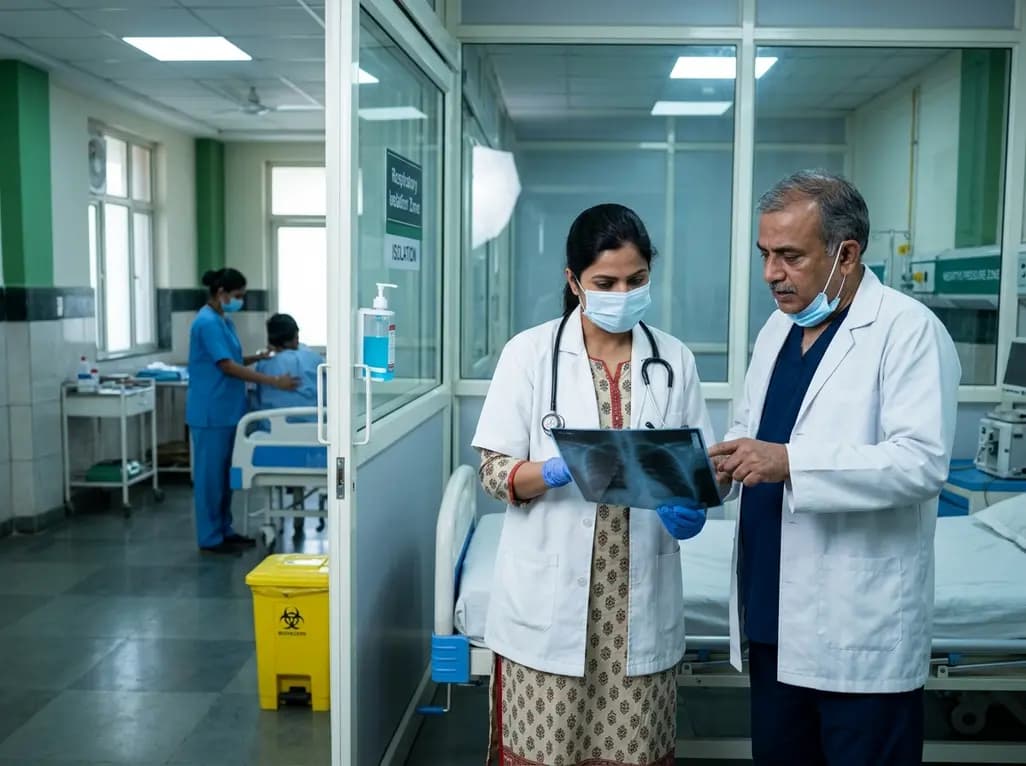
Recent reports from Russia confirmed that health authorities identified no secondary infections following the tragic death of a laboratory researcher in Siberia. The incident sparked widespread global scrutiny regarding suspected plague transmission within high-containment biosafety facilities. However, rigorous clinical and epidemiological investigations established that the fatal pneumonia had no direct connection to the worker's laboratory duties. For healthcare providers worldwide, the event offers a critical reminder of surveillance readiness, containment standards, and early management protocols for dangerous respiratory infections.
The incident occurred at the Irkutsk Research Anti-Plague Institute of Siberia, an established public health facility dedicated to monitoring dangerous zoonotic pathogens. A 28-year-old laboratory technician developed acute severe pneumonia and unfortunately died after rapid clinical deterioration. Consequently, regional authorities initiated comprehensive epidemic control measures to protect public health. Officials immediately isolated dozens of healthcare contacts and facility workers in the nearby town of Shelekhov. Furthermore, medical personnel placed a regional hospital ward under strict quarantine while epidemiological teams initiated diagnostic assessments.
Rospotrebnadzor, the Russian consumer health watchdog, conducted exhaustive molecular and microbiological examinations on biological specimens. Specifically, investigators evaluated whether exposure to laboratory strains of Yersinia pestis caused the fatal respiratory illness. Extensive laboratory assays confirmed that no pathogen linked to her professional research caused the patient's demise. In addition, health officers closely monitored colleagues and clinical contacts for ten days without identifying any secondary transmission. Therefore, regional administrators safely lifted quarantine orders for approximately sixty percent of the isolated individuals. Ultimately, this rapid response demonstrated the power of preemptive containment during high-consequence disease investigations.
Clinicians must remain vigilant whenever encountering patients with rapid-onset respiratory failure and potential biological exposure. The assessment of suspected plague transmission requires immediate classification of exposure risks and clinical presentations. Yersinia pestis primarily manifests in three distinct forms: bubonic, septicemic, and pneumonic disease. While flea bites typically transmit bubonic plague, pneumonic plague spreads through respiratory droplets or direct aerosol exposure. Therefore, healthcare providers must treat any unexplained fulminant pneumonia in laboratory staff as a medical emergency.
Initial symptoms often mimic community-acquired pneumonia or viral respiratory syndromes. Patients commonly present with high fever, chills, profound weakness, and productive cough. However, the condition deteriorates much faster than ordinary bacterial chest infections. Sputum may turn frankly bloody and watery within twenty-four hours. Consequently, physicians cannot wait for confirmatory microbiological cultures before instituting empiric therapy. Instead, medical teams should obtain blood and sputum samples rapidly under biosafety precautions. In addition, clinicians must administer appropriate parenteral antimicrobial agents immediately to prevent fatal outcomes. Delaying therapy beyond twenty-four hours dramatically increases mortality rates in primary pneumonic disease.
Understanding the underlying pathophysiology helps clinicians distinguish virulent plague infections from other causes of severe pneumonia. Once inhaled, Yersinia pestis bacilli enter the alveolar spaces and evade early host immune clearance. The bacteria utilize specialized virulence factors to suppress macrophage activity and destroy alveolar capillary membranes. Consequently, severe necrotizing bronchopneumonia and extensive pulmonary hemorrhage develop within hours. In contrast, standard bacterial pneumonia progresses more gradually and rarely produces rapid diffuse alveolar collapse.
Physicians must consider a broad differential diagnosis when evaluating acute respiratory distress in laboratory workers. For example, clinicians should evaluate Legionella pneumophila, Francisella tularensis, Bacillus anthracis, and acute viral pathogens such as influenza. Similarly, atypical viral agents like hantavirus and novel coronaviruses can trigger sudden pulmonary edema. In this Russian case, extensive diagnostic panels ruled out laboratory-acquired pathogens, highlighting how common pathogens can produce life-threatening pneumonia. Therefore, clinicians must avoid diagnostic anchoring during severe infectious presentations. Robust diagnostic algorithms should incorporate real-time polymerase chain reaction assays, blood cultures, and serological profiling. Ultimately, broad testing ensures accurate pathogen identification without compromising patient safety or clinical outcomes.
Laboratories handling Tier-1 biological select agents operate under stringent Biosafety Level 3 protocols to prevent accidental contamination. Facilities require negative air pressure, directional airflow, and certified high-efficiency particulate air filtration. Additionally, technical staff must utilize specialized personal protective equipment, including powered air-purifying respirators and protective outer suits. Standard operating procedures mandate immediate reporting whenever equipment malfunctions or accidental spills occur. However, human error and subtle aerosolization events can still pose theoretical exposure risks.
When a facility reports a suspected exposure, hospitals must execute rigid infection control protocols without delay. Emergency departments must isolate the patient in a dedicated airborne infection isolation room immediately. Furthermore, attending medical personnel must adhere strictly to airborne and droplet precautions, utilizing fit-tested N95 respirators. Close contacts require rapid epidemiological tracing and active fever surveillance for at least seven days. Moreover, clinical guidelines recommend chemoprophylaxis with oral doxycycline or ciprofloxacin for individuals with confirmed unprotected exposures. The Russian response followed these established principles by quarantining contacts until comprehensive negative testing permitted safe de-escalation. Thus, disciplined infection control shields healthcare systems from catastrophic outbreaks.
Although natural plague foci exist primarily in specific global geographic regions, Indian physicians must understand international surveillance dynamics. India maintains a historic connection to plague management following past outbreaks in Surat and Himachal Pradesh. Currently, the Integrated Disease Surveillance Programme tracks unexplained clusters of febrile illness across the subcontinent. Therefore, clinicians in emergency departments and intensive care units serve as the primary defensive shield against emerging threats.
Global connectivity means travel-related and laboratory-associated pathogen scares demand swift medical literacy. Clinicians encountering rapid respiratory failure in travelers or researchers must obtain detailed occupational and travel histories. Furthermore, healthcare teams must alert district surveillance officers immediately whenever encountering clusters of hemorrhagic pneumonia. Prompt notification mobilizes public health resources and initiates essential contact tracing protocols. In addition, Indian hospitals should maintain operational preparedness for Category A select agents through regular simulation drills. Early recognition and rapid therapeutic intervention with aminoglycosides like gentamicin remain cornerstones of clinical survival. Ultimately, transparent public reporting, as seen in the Irkutsk resolution, protects public trust and prevents unnecessary panic during infectious alerts.
Q1: What are the primary diagnostic tests used to identify or rule out Yersinia pestis?
Clinicians diagnose Yersinia pestis using rapid culture, microscopic examination, and molecular testing. Laboratory technicians perform Gram and Wayson staining on sputum or aspirates to visualize bipolar-staining rods. Furthermore, automated blood cultures and real-time polymerase chain reaction assays offer high sensitivity within hours. Serological testing, including passive hemagglutination, confirms antibody elevation in convalescent phases. These multi-tiered diagnostic protocols enable rapid, accurate differentiation between acute plague infection and severe community-acquired pneumonia.
Q2: What is the recommended treatment protocol for patients presenting with suspected pneumonic plague?
Physicians must initiate parenteral antimicrobial therapy immediately upon suspecting pneumonic plague without waiting for culture results. Intravenous gentamicin or streptomycin serves as first-line therapy according to global guidelines. Alternatively, doctors utilize intravenous doxycycline, ciprofloxacin, or levofloxacin when aminoglycosides are contraindicated. Clinicians administer treatment for ten to fourteen days while providing supportive critical care. Prompt intervention within twenty-four hours of symptom onset remains crucial to reduce mortality rates from nearly one hundred percent to manageable levels.
Q3: How should healthcare systems manage close contacts exposed to potential plague patients?
Public health teams place close contacts under strict active surveillance for seven days following potential exposure. Healthcare professionals monitor body temperatures twice daily and assess individuals for respiratory symptoms. Furthermore, asymptomatic close contacts should receive post-exposure antimicrobial prophylaxis with oral doxycycline or ciprofloxacin for seven days. If a contact develops fever or cough, clinicians must transfer them immediately to airborne isolation for diagnostic evaluation and parenteral treatment. Strict isolation and chemoprophylaxis effectively break transmission chains.
Disclaimer: This content is for informational and educational purposes only. It does not constitute medical advice or replace professional judgment. Refer to the latest local and national guidelines for clinical practice.
References

Read summarized clinical updates, watch expert medical content, and earn CME certifications right from your smartphone.
Open your smartphone camera to scan and install.





Following the death of a Siberian plague institute laboratory worker from unexplained pneumonia, Russian authorities confirmed no secondary cases among contacts. This incident highlights the clinical importance of rapid respiratory isolation, biosafety protocols, and differential diagnosis of acute severe pneumonia.
Today

A landmark biomonitoring study reveals that chronic pesticide exposure significantly alters buccal microRNA expression and increases micronucleus frequency in agricultural workers. These findings uncover actionable molecular signatures of oxidative stress, inflammation, and genomic instability.
Today
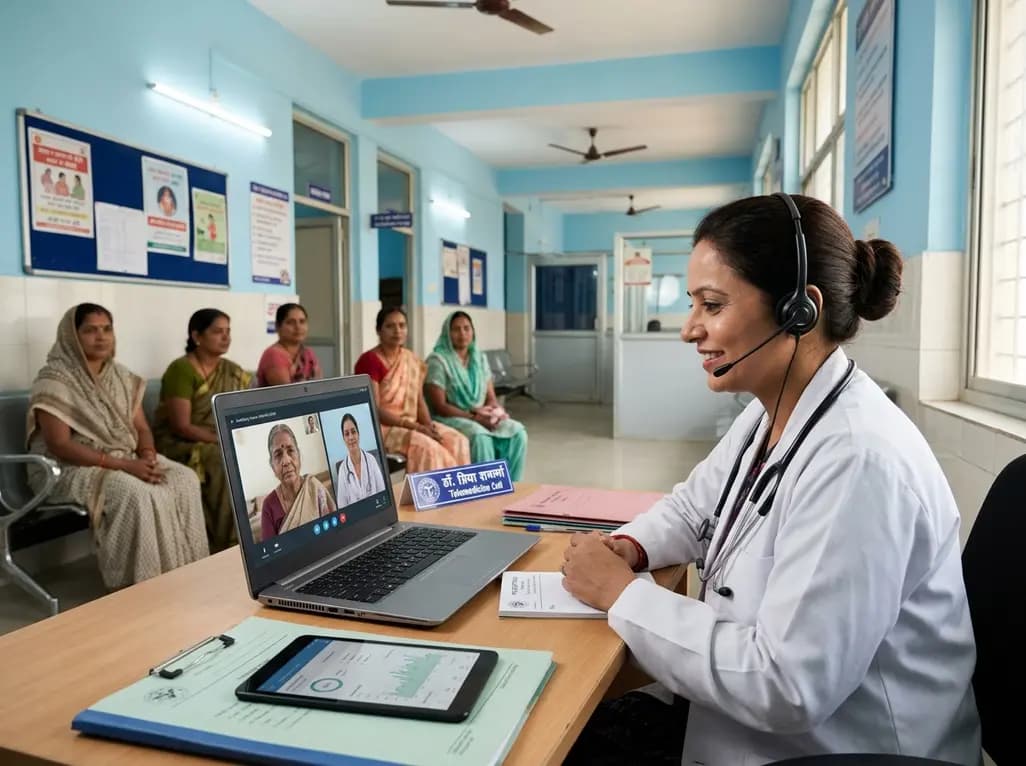
India's national digital health service achieved a historic milestone of fifty crore virtual consultations. Notably, female patients account for over fifty-seven percent of utilisation, demonstrating improved healthcare accessibility for remote communities, chronic disease management, and primary triage.
Today
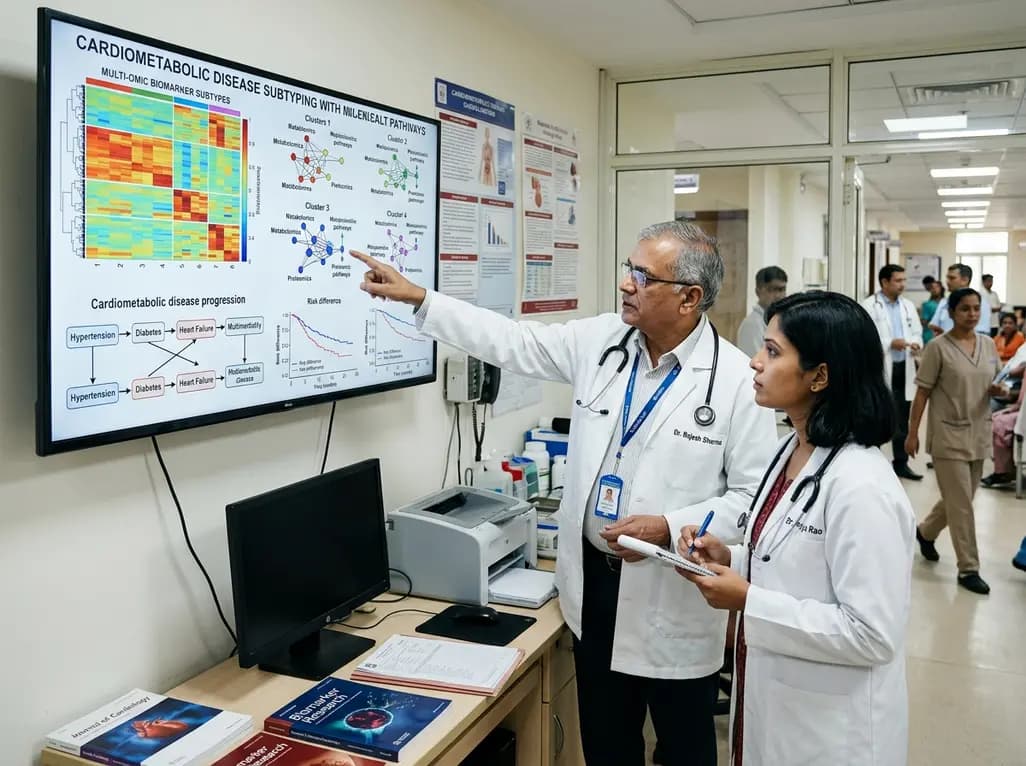
A large UK Biobank study identified four routine biomarker subtypes that predict cardiometabolic disease progression to multimorbidity. Integrating multi-state modelling, metabolomics, and proteomics revealed distinct biological pathways, offering new avenues for tailored clinical risk stratification.
Today

Dual-nanofiber interpenetrating network scaffolds combining silica and PLLA/gelatin nanofibers with sodium alginate achieve complementary mechanical stability, immunomodulatory M2 macrophage polarization, and enhanced osteogenesis for advanced bone repair.
Today

Researchers at IISER Berhampur have engineered a covalent organic framework immunosensor that detects urinary NGAL. This novel nanotechnology platform distinguishes diabetic nephropathy from other renal conditions, enabling rapid, minimally invasive stratification and earlier clinical intervention for patients.
Today
