.webp&w=384&q=75)

Loading, please wait...
Loading, please wait...
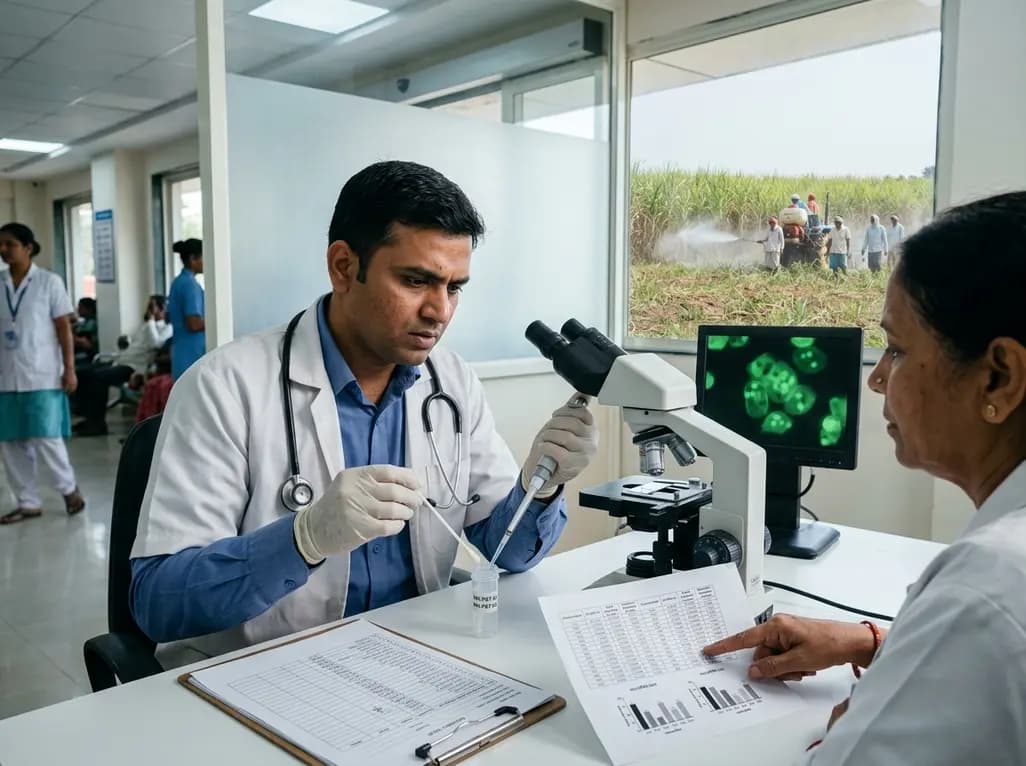
Occupational contact with agrochemicals represents a profound challenge for primary care and occupational medicine worldwide. In particular, chronic pesticide exposure causes silent cellular disturbances that precede clinically overt disease by many years. Agricultural laborers routinely handle organophosphates, carbamates, pyrethroids, and fungicides without adequate personal protective equipment. Consequently, these chemical agents generate continuous oxidative stress, systemic inflammation, and profound chromosomal alterations. Epigenetic modifications, especially altered microRNA expression, serve as immediate molecular intermediaries between initial environmental contact and ultimate tissue damage. MicroRNAs regulate gene networks that govern DNA repair, cell cycle checkpoints, and programmed cell death. Therefore, identifying specific microRNA patterns provides an objective window into subclinical toxicity. Non-invasive sampling methods now permit clinicians to detect these subtle epigenetic shifts before permanent end-organ damage manifests. As a result, researchers increasingly focus on accessible mucosal tissues to quantify molecular risk in rural worker populations. Furthermore, early detection enables targeted occupational interventions that can prevent chronic morbidity. Additionally, rural physicians frequently observe chronic metabolic, respiratory, and malignant conditions in these vulnerable workers. Thus, exploring non-invasive molecular signatures bridges the gap between basic toxicology and community health management.
A recent cross-sectional biomonitoring study examined 137 adult participants to clarify the molecular consequences of agrochemical handling. Specifically, the study divided participants into three distinct cohorts based on their workplace exposure history. The cohort included 34 putatively non-exposed controls, 41 indirectly exposed individuals living near agricultural zones, and 62 directly exposed agricultural workers. The investigators collected exfoliated buccal epithelial cells through a simple, painless oral swab. This mucosal tissue provides an ideal biospecimen because oral epithelium represents the primary portal of entry for airborne and ingested toxic particles. Furthermore, buccal cells exhibit high turnover and direct exposure to environmental xenobiotics. The team quantified micronucleus frequency to assess structural chromosome breakage and spindle apparatus dysfunction. Simultaneously, they utilized reverse transcription-quantitative polymerase chain reaction to analyze six specific microRNAs. These microRNAs included miR-21-5p, miR-34a-5p, miR-146a-5p, miR-155-5p, miR-126-3p, and miR-222-3p. Additionally, researchers performed rigorous statistical modeling, including hierarchical clustering, principal component analysis, and receiver operating characteristic curves. Notably, repeated 10-fold cross-validation confirmed the internal validity of these diagnostic signatures. Consequently, this multi-layered analytical framework yielded robust insights into epithelial genome integrity under persistent environmental stress.
The molecular profiling revealed striking divergence in microRNA expression between exposed workers and unexposed controls. Most notably, directly exposed agricultural workers exhibited substantial upregulation of miR-21-5p, miR-34a-5p, miR-146a-5p, miR-155-5p, and miR-222-3p. In contrast, levels of miR-126-3p decreased significantly within the directly exposed cohort. Each of these non-coding RNAs governs critical cellular survival pathways. For instance, miR-21-5p functions as a prominent oncomir that inhibits tumor suppressor genes and suppresses physiological apoptosis. Similarly, miR-155-5p and miR-146a-5p act as key immune modulators that orchestrate nuclear factor-kappa B inflammatory cascades. The marked elevation of miR-34a-5p indicates activated p53-dependent stress pathways in response to persistent genotoxic damage. Furthermore, miR-222-3p influences cell cycle progression by downregulating p27 cyclin-dependent kinase inhibitors. Conversely, the significant suppression of miR-126-3p undermines vascular endothelial integrity and compromises physiological tissue repair mechanisms. Logistic regression analysis demonstrated that this composite microRNA signature distinguished exposed farm workers from non-exposed controls with high sensitivity and specificity. Therefore, these molecular alterations reflect coherent, biological countermeasures against chronic agrochemical toxicity.
Pesticide mixtures continuously generate excessive reactive oxygen species within mammalian tissues. Consequently, free radicals overwhelm endogenous enzymatic defenses, including superoxide dismutase and glutathione peroxidase. This unmitigated oxidative stress causes single- and double-strand DNA breaks in vulnerable epithelial cells. When DNA repair mechanisms fail, misplaced chromosomal fragments or whole chromosomes lag behind during cell division. As a result, dividing basal cells form micronuclei, which serve as definitive morphological hallmarks of irreversible genomic instability. The study demonstrated that elevated micronucleus frequency closely correlated with the deregulated microRNA panel. Moreover, the simultaneous upregulation of pro-inflammatory microRNAs perpetuates a vicious cycle of sustained tissue inflammation. Persistent nuclear factor-kappa B signaling promotes chronic mutagenic pressure on oral mucosal layers. Thus, repetitive agrochemical exposure creates a permissive microenvironment for cellular transformation and accelerated senescence. In addition, indirect exposure also produced measurable, intermediate molecular disturbances, emphasizing that ambient drift creates tangible biological harm. Ultimately, these interconnected molecular pathways illustrate how chronic biochemical stress drives progressive chromosomal degradation.
These biomonitoring insights offer vital practical implications for physicians managing agricultural populations. In routine clinical settings, agricultural laborers rarely report acute poisoning symptoms during routine visits. Instead, chronic exposure manifests insidiously as vague fatigue, chronic airway inflammation, or dermatologic eruptions. However, subclinical DNA damage and epigenetic deregulation proceed silently beneath normal standard blood counts. Therefore, primary care practitioners and occupational health specialists must integrate thorough occupational exposure histories into annual adult evaluations. Clinicians should inquire specifically about personal protective equipment use, chemical mixing practices, and field re-entry intervals. Furthermore, non-invasive buccal epithelial testing could soon furnish community health centers with accessible point-of-care screening options. Identifying elevated micronuclei or dysregulated microRNAs enables early lifestyle and workplace interventions before malignant or degenerative diseases develop. Physicians should also counsel rural patients on proper dermal protection and respirators to reduce mucosal absorption. Additionally, public health authorities must leverage this molecular evidence to enforce stricter workplace safety regulations. Proactive surveillance ultimately preserves the long-term well-being of agricultural communities.
Buccal epithelial cells offer a non-invasive, accessible biospecimen for monitoring occupational chemical exposure. Because farm workers inhale and accidentally ingest agrochemical vapors, oral mucosal tissues sustain direct environmental insults. Furthermore, buccal cells exhibit rapid turnover and reflect acute as well as cumulative chromosomal alterations. Harvesting these cells requires only a gentle swab, eliminating the pain and complexity of venipuncture while delivering reliable cellular DNA and microRNA for molecular testing.
MicroRNAs function as crucial post-transcriptional regulators of cellular homeostasis, inflammation, and genetic stability. When chronic pesticide contact elevates oncogenic microRNAs like miR-21-5p and suppresses protective regulators like miR-126-3p, cells lose control over apoptosis and DNA repair. Consequently, unchecked oxidative stress and uncorrected mutations accumulate over time. This sustained epigenetic dysregulation significantly elevates the long-term risk of hematologic malignancies, solid tumors, neurodegenerative conditions, and chronic metabolic disorders in agricultural laborers.
Primary prevention requires rigorous occupational hygiene and consistent personal protective equipment usage during chemical handling. Agricultural workers must wear chemical-resistant nitrile gloves, impermeable coveralls, protective goggles, and certified vapor respirators. Additionally, farmers should practice proper post-application hand hygiene, observe field re-entry intervals, and avoid eating or smoking during application. Rural healthcare clinics should conduct regular biomonitoring education to encourage early symptom reporting and facilitate prompt clinical screening for vulnerable agricultural workers.
Disclaimer: This content is for informational and educational purposes only... Refer to the latest local and national guidelines for clinical practice.
References

Read summarized clinical updates, watch expert medical content, and earn CME certifications right from your smartphone.
Open your smartphone camera to scan and install.





A landmark biomonitoring study reveals that chronic pesticide exposure significantly alters buccal microRNA expression and increases micronucleus frequency in agricultural workers. These findings uncover actionable molecular signatures of oxidative stress, inflammation, and genomic instability.
Today

India's national digital health service achieved a historic milestone of fifty crore virtual consultations. Notably, female patients account for over fifty-seven percent of utilisation, demonstrating improved healthcare accessibility for remote communities, chronic disease management, and primary triage.
Today
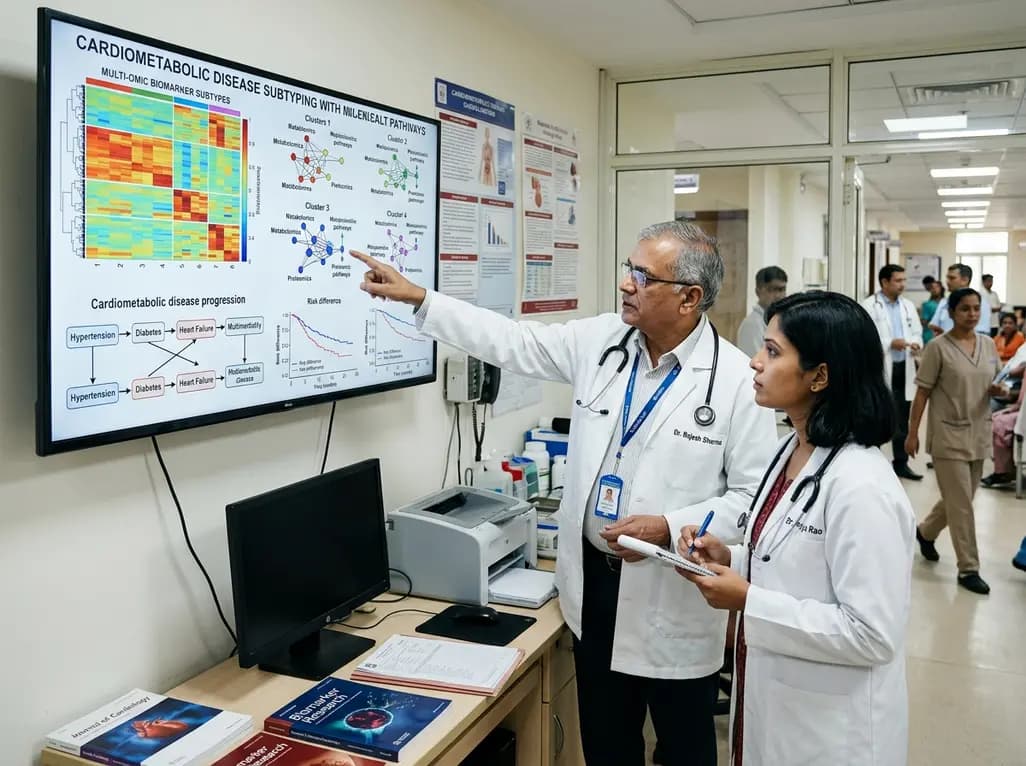
A large UK Biobank study identified four routine biomarker subtypes that predict cardiometabolic disease progression to multimorbidity. Integrating multi-state modelling, metabolomics, and proteomics revealed distinct biological pathways, offering new avenues for tailored clinical risk stratification.
Today
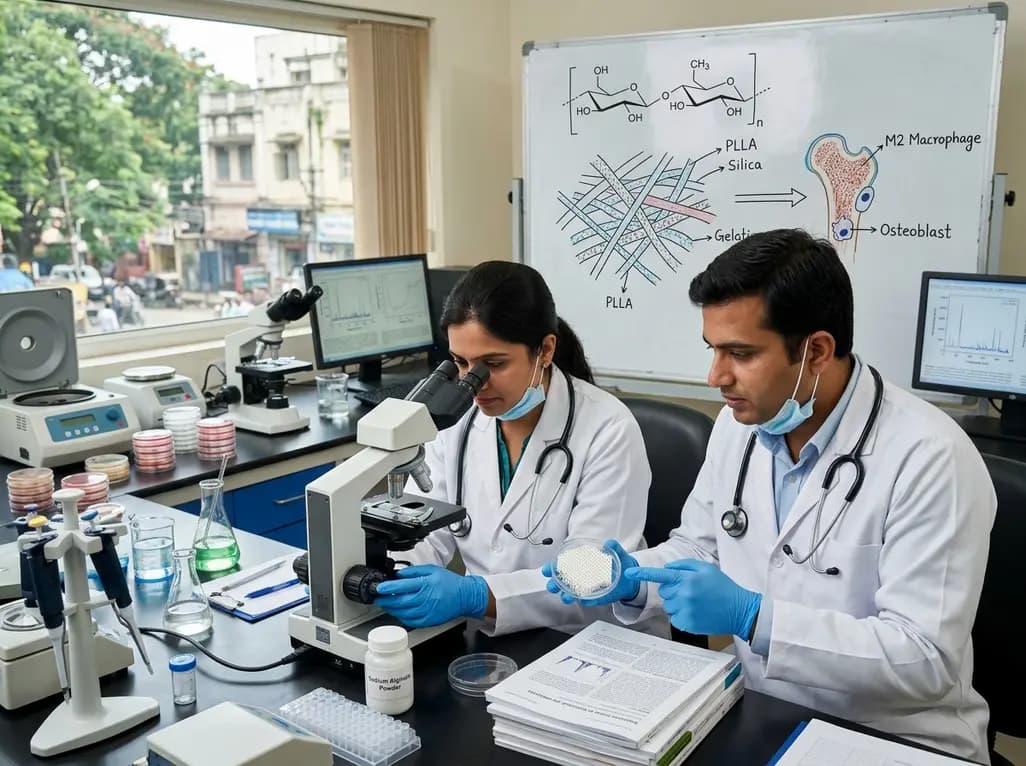
Dual-nanofiber interpenetrating network scaffolds combining silica and PLLA/gelatin nanofibers with sodium alginate achieve complementary mechanical stability, immunomodulatory M2 macrophage polarization, and enhanced osteogenesis for advanced bone repair.
Today
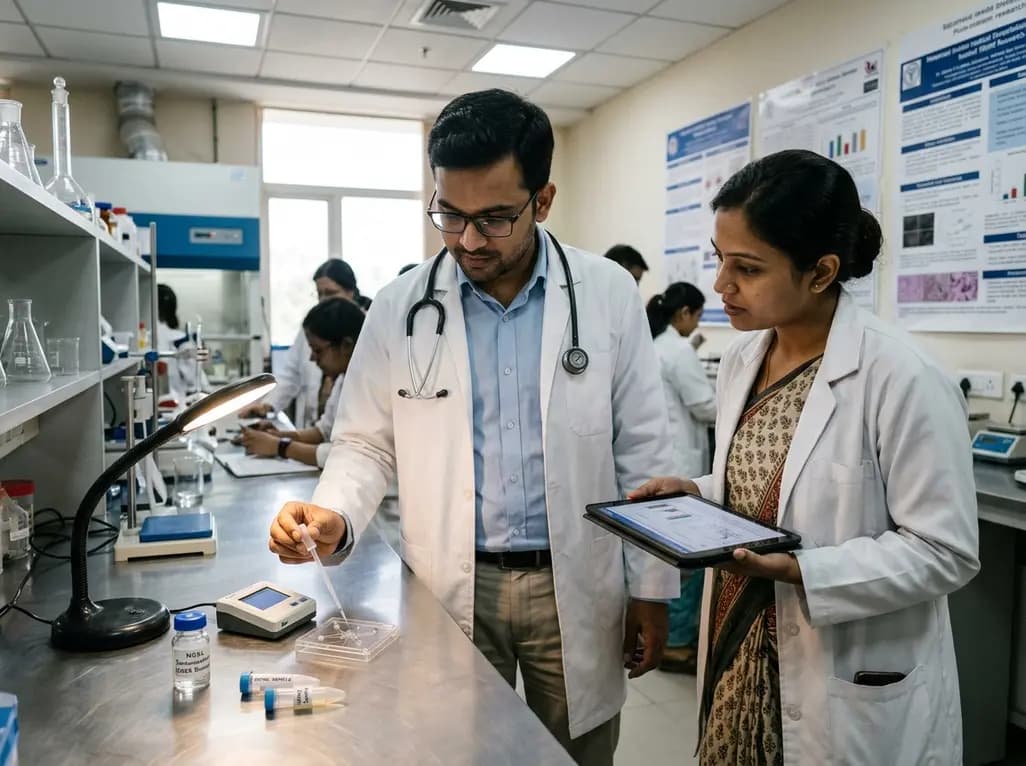
Researchers at IISER Berhampur have engineered a covalent organic framework immunosensor that detects urinary NGAL. This novel nanotechnology platform distinguishes diabetic nephropathy from other renal conditions, enabling rapid, minimally invasive stratification and earlier clinical intervention for patients.
Today
