.webp&w=384&q=75)

Loading, please wait...
Loading, please wait...

Acquired brain injury presents profound, lasting challenges for survivors, families, and healthcare systems. Although acute medical care stabilizes acute neurological insults, chronic cognitive sequelae often persist for decades. In clinical neurorehabilitation, clinicians frequently encounter subjective memory problems reported by patients during routine consultations. However, minimal evidence historically explained how these personal complaints correspond to formal neuropsychological test performance across long timeframes. A groundbreaking longitudinal study now clarifies this vital clinical relationship over a full decade, offering essential guidance for multidisciplinary practice.
Acquired brain injury arises from diverse etiologies, including traumatic brain injury, ischemic stroke, intracerebral hemorrhage, and hypoxic insults. In India and worldwide, brain trauma and vascular events contribute substantially to long-term neurological morbidity. Following the acute recovery phase, patients frequently describe persistent forgetfulness, mental fatigue, and difficulty organizing daily tasks. Unfortunately, healthcare providers sometimes dismiss these complaints when standard screening examinations appear unremarkable.
Subjective memory problems reflect a patient's lived experience of cognitive inefficiency in complex environments. Standardized psychometric evaluations occur within quiet, distraction-free rooms, which can mask subtle cognitive vulnerabilities. In contrast, everyday life demands rapid information processing, sustained attention, and simultaneous multitasking. Consequently, patients notice significant lapses that objective tests might fail to capture during brief clinical visits.
Furthermore, self-reported memory complaints often trigger emotional distress, anxiety, and social isolation. When individuals perceive that their mental faculties are deteriorating, their vocational confidence and interpersonal relationships suffer significantly. Therefore, clinicians must validate subjective experiences rather than relying exclusively on isolated laboratory metrics. Understanding this complex dynamic enables rehabilitation specialists to identify patients at risk of chronic psychological distress and functional decline.
The longitudinal study recruited thirty-nine adult patients with acquired brain injury from a dedicated rehabilitation unit. Researchers evaluated participants systematically at one year, two years, and ten years post-injury. The investigators utilized the 20-item Everyday Memory Questionnaire to measure subjective memory failures and related emotional distress in daily routines. Simultaneously, participants completed comprehensive neuropsychological batteries that probed distinct cognitive domains, including attention, executive function, and memory modalities.
At the one-year follow-up mark, statistical analyses revealed a notable clinical pattern. Specifically, self-reported distress related to memory problems correlated significantly with objective visual learning and memory performance. During this initial post-acute period, patients typically re-engage with independent living, driving, domestic navigation, and community navigation. Consequently, subtle visual memory deficits directly disrupt their ability to recognize landmarks, locate household possessions, and process visual spatial cues.
Because visual memory plays a foundational role in physical orientation and environmental safety, impairments in this domain cause immediate frustration. Patients actively notice these errors while attempting to rebuild their functional independence. Therefore, rehabilitation specialists should assess visual retention strategies early in the recovery continuum. Introducing visual mnemonics, structured spatial organization, and environmental modifications can alleviate early emotional burden.
As patients progressed to the two-year post-injury assessment, the nature of their subjective complaints shifted noticeably. At this stage, self-reported memory problems demonstrated a statistically significant correlation with objective auditory-verbal learning and memory. This transition reflects an important developmental milestone in the long-term rehabilitation pathway. During the second year, many survivors attempt to return to productive employment, academic pursuits, or broader social engagements.
These advanced societal activities rely heavily on spoken communication and verbal memory encoding. For example, workplace settings require individuals to listen to rapid instructions, retain verbal updates, and participate in meetings. When underlying auditory-verbal processing deficits exist, patients struggle to keep pace with dynamic conversations. Consequently, they experience frequent forgetfulness, miss vital conversational nuances, and misplace verbal instructions.
Moreover, this shift indicates that subjective awareness evolves alongside environmental complexity. In the immediate post-injury phase, physical and visual challenges dominate personal awareness. However, as individuals reintegrate into social networks, verbal communication becomes the primary benchmark of competency. Thus, neurorehabilitation clinicians must anticipate this transition during outpatient follow-up. Proactively training auditory compensation techniques can prevent workplace failure and interpersonal strain during this vulnerable reintegration period.
The most compelling finding of this decennial investigation emerged at the ten-year follow-up examination. A full decade after brain injury, self-reported distress related to memory problems remained significantly correlated with auditory-verbal learning and memory. This enduring association proves that cognitive deficits are not merely transient post-acute phenomena. Instead, auditory-verbal limitations persist as chronic drivers of psychological distress across the patient lifespan.
Human social life depends fundamentally on the rapid, reliable exchange of spoken language. When patients suffer from chronic verbal memory weaknesses, they struggle to sustain meaningful conversations with partners, children, and friends. Over time, these cumulative conversational failures generate profound feelings of vulnerability, inadequacy, and loneliness. Furthermore, chronic cognitive strain often precipitates depressive symptoms and emotional exhaustion in long-term survivors.
Additionally, this decade-long persistence underscores a critical blind spot in modern healthcare delivery. Most rehabilitation programs terminate services within months of the initial injury, leaving chronic survivors without specialized support. Because auditory-verbal difficulties continue to generate significant distress ten years later, healthcare systems must develop longitudinal neurorehabilitation models. Periodic cognitive checkups and community-based support groups can help patients manage verbal memory challenges across subsequent decades.
The longitudinal findings carry direct practical implications for neurologists, physiatrists, neurosurgeons, and mental health professionals. Traditionally, medical practitioners have viewed subjective cognitive complaints with skepticism, attributing them primarily to generalized neuroticism or depression. However, this study demonstrates that self-reported memory distress maps onto specific, measurable cognitive functions over time. Therefore, clinicians must treat patient self-assessments as clinically meaningful signals of underlying neurocognitive compromise.
To optimize patient outcomes, rehabilitation teams should implement dual assessment protocols that combine psychometric tests with standardized self-report inventories. Incorporating instruments such as the Everyday Memory Questionnaire allows clinicians to capture real-world functional disability alongside objective neuropsychological scores. Furthermore, identifying the precise domain driving patient distress enables therapists to tailor targeted therapeutic interventions. For instance, speech-language pathologists can focus on verbal retention strategies, while occupational therapists optimize visual cues.
In addition, clinicians must emphasize long-term psychoeducation for both patients and their families. Helping caregivers understand that verbal forgetfulness stems from organic neurological injury reduces interpersonal friction and unrealistic expectations. Similarly, teaching compensatory strategies—such as voice recordings, digital reminders, and structured conversational summaries—empowers patients to maintain social participation. Ultimately, bridging objective assessment with subjective patient experiences transforms neurorehabilitation into a holistic, enduring therapeutic partnership.
The Everyday Memory Questionnaire assesses how frequently individuals experience memory failures in routine daily activities. Clinicians evaluate pragmatic lapses, including forgetting conversations, misplacing everyday items, and missing appointments. Furthermore, the questionnaire captures the emotional distress that accompanies these cognitive failures. Consequently, this patient-reported metric bridges the gap between formal laboratory testing and real-world functional independence, offering vital insights for targeted long-term neurorehabilitation.
Auditory-verbal abilities allow individuals to process, interpret, and retain spoken language during interpersonal exchanges. Therefore, deficits in this domain directly disrupt conversational flow and social engagement. Patients frequently feel isolated, embarrassed, and frustrated when they cannot track verbal interactions with colleagues or family. In addition, persistent communication breakdowns undermine vocational functioning and personal self-efficacy. Consequently, unaddressed auditory-verbal impairments generate prolonged psychological distress and social withdrawal after brain trauma.
Clinicians should systematically combine standardized psychometric testing with structured patient questionnaires at every clinical follow-up. While objective batteries quantify distinct cognitive thresholds, subjective self-assessments capture practical difficulties and emotional distress. Moreover, discrepancies between these measures help clinicians detect reduced self-awareness or hidden psychological burdens. Thus, integrating both assessment modalities enables rehabilitation teams to formulate meaningful, patient-centered therapy goals that improve functional autonomy and quality of life.
Disclaimer: This content is for informational and educational purposes only... Refer to the latest local and national guidelines for clinical practice.
References
Östling AK et al. Self-assessed memory problems in everyday life in relation to assessed cognitive domains in neuropsychological tests: A longitudinal study of adult patients with acquired brain injury. Appl Neuropsychol Adult. 2026 Sep 29. doi: 10.1080/23279095.2026.2734319. PMID: 42808970.
van Rijsbergen MW, Mark RE, de Kort PL, Sitskoorn MM. Prevalence and profile of poststroke subjective cognitive complaints. J Stroke Cerebrovasc Dis. 2015;24(8):1823-1831.
Royle J, Lincoln NB. The Everyday Memory Questionnaire-revised: development of a 13-item scale. Disabil Rehabil. 2008;30(2):114-121.
Caldenhove S, Crutsen J, Winkens I, van Heugten C. Outcome measurement in neuropsychological rehabilitation research on adults with acquired brain injury. Neuropsychol Rehabil. 2020;30(8):1551-1582.

Read summarized clinical updates, watch expert medical content, and earn CME certifications right from your smartphone.
Open your smartphone camera to scan and install.





A landmark 10-year longitudinal study reveals how subjective memory problems evolve after acquired brain injury, linking early visual memory deficits and late auditory-verbal impairments to daily distress, emphasizing the need for comprehensive neurorehabilitation.
Today

Preclinical research reveals that the hydrophilic extract of the inner bran fraction of rice attenuates skeletal muscle proteolysis in protein-deficient rats, restoring glutathione and polyamine metabolites while downregulating Atrogin-1 and FoxO1 expression.
Today
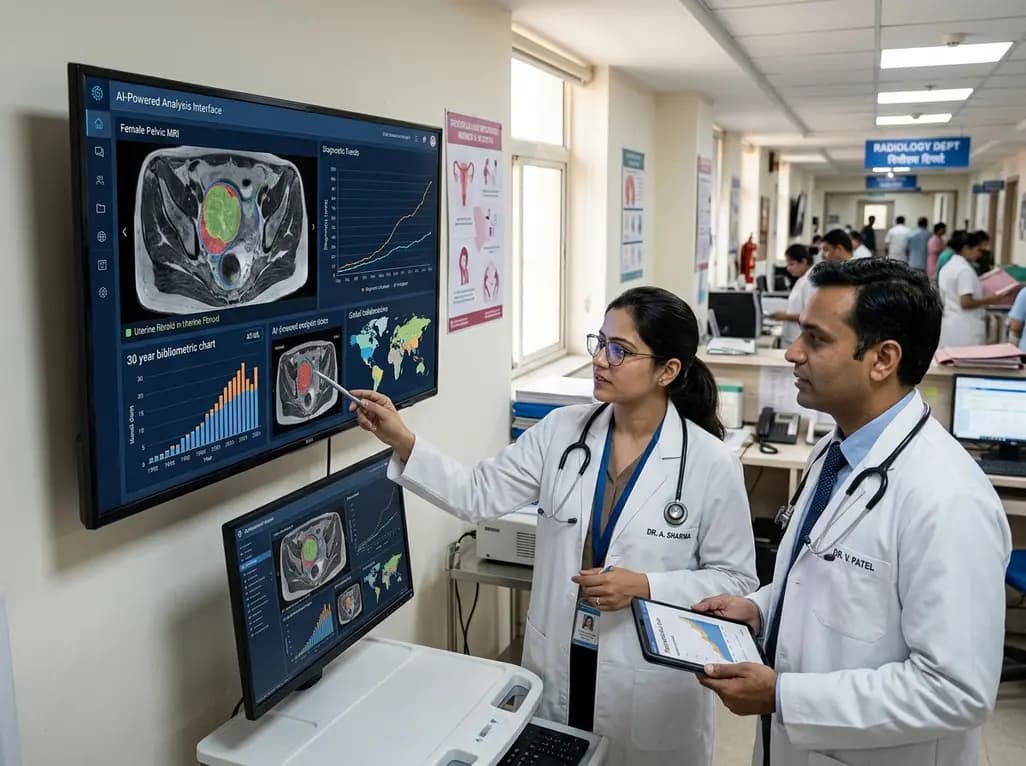
A 30-year bibliometric analysis highlights key research trends in AI in women's health from 1992 to 2024. Discover how evolving computational models, global institutional collaborations, and clinical decision support tools are shaping maternal, oncological, and reproductive care worldwide.
Today
A review of the Cone procedure for severe right atrioventricular valve insufficiency in atypical Ebstein anomaly following partial AVSD repair, emphasizing operative technique and ventricular recovery.
Today

A Level I trauma center study shows a brief bedside mental health intervention boosts 30-day follow-up screening adherence by 84% in nonviolent injury patients. However, outcomes for violence survivors reveal critical care gaps, underscoring the urgent need for specialized community violence intervention programs.
Today

Recent data from Karnataka reveals a threefold surge in genitourinary and renal deaths over ten years. Driven by uncontrolled diabetes, hypertension, and emerging lifestyle hazards, this epidemiological shift highlights an urgent need for proactive screening and multidisciplinary nephrology management in primary care.
Today
