.webp&w=384&q=75)

Loading, please wait...
Loading, please wait...
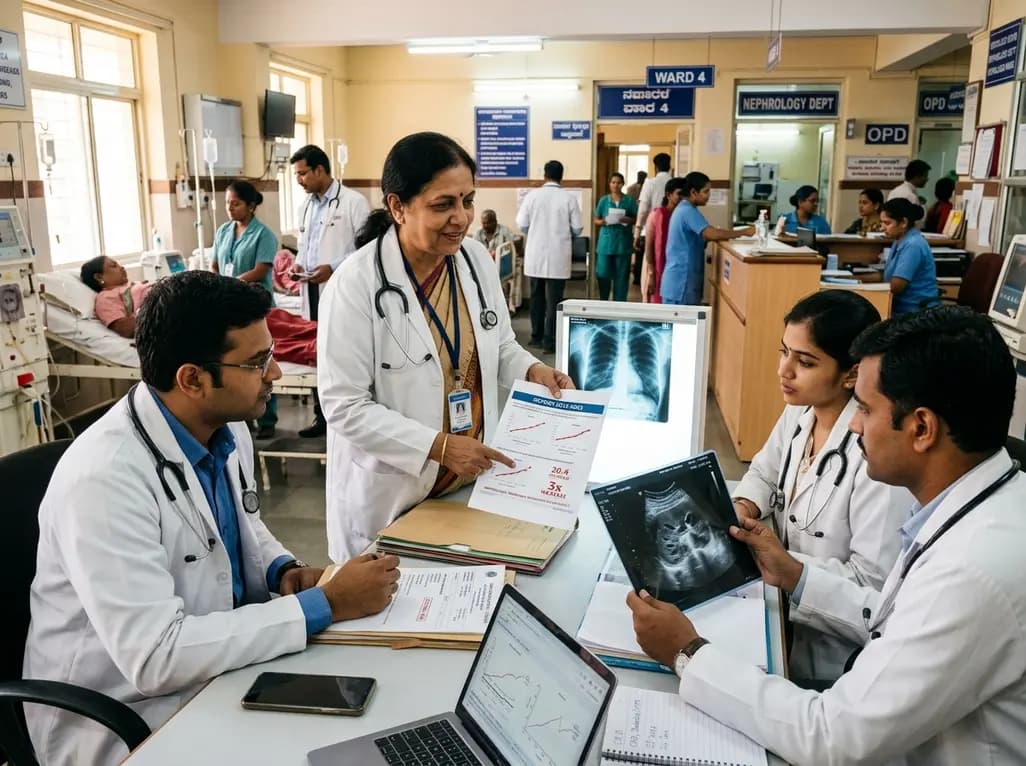
Recent public health surveillance reveals an alarming surge in chronic metabolic complications across southern India. Specifically, kidney disease mortality has more than tripled in Karnataka over the past decade. According to the latest Medical Certification of Cause of Death report, genitourinary fatalities climbed dramatically from 5,940 deaths in 2016 to 18,730 deaths in 2025. Meanwhile, total medically certified deaths expanded by only eight percent during the same observation window. Consequently, this disproportionate escalation establishes renal disorders as a critical priority for clinicians across Karnataka.
The state registry highlights a profound epidemiological transition in mortality patterns across urban and rural centers. Diseases of the genitourinary system now represent the third leading cause of medically certified mortality in Karnataka. In fact, these illnesses accounted for 11.8 percent of all certified deaths in 2025, trailing only circulatory and respiratory pathologies. Furthermore, renal failure constituted the primary driver within this classification, generating 14,960 deaths or nearly eighty percent of the category total. This single diagnosis caused 9.4 percent of all certified deaths across the state. In contrast, other disorders of the kidney and ureter accounted for 2,068 deaths. Notably, data indicates that the upward trajectory accelerated sharply after 2018. For instance, annual fatalities rose from 7,402 in 2019 to 9,884 in 2021, and further jumped to 13,569 in 2022. By 2024, the annual toll reached 17,689 certified cases. Although medical certification covers 28.2 percent of registered deaths, the upward trend reflects genuine population-level vulnerability. In addition, clinicians must recognize that diagnostic coding improvements do not diminish this clinical reality. Therefore, healthcare systems must acknowledge this expanding disease burden and strengthen secondary prevention frameworks across district clinics.
Metabolic comorbidities represent the underlying foundation of this escalating nephrological crisis. Leading nephrologists attribute this steep trajectory to widespread lifestyle transformations, uncontrolled hyperglycemia, and sustained hypertension. In particular, poor glycemic control inflicts progressive microvascular damage on the glomeruli. Clinical observations indicate that up to forty percent of individuals with diabetes eventually develop irreversible renal injury. Moreover, the expanding prevalence of type 2 diabetes across urban and rural demographics accelerates diabetic kidney disease. Arterial hypertension acts as a devastating cofactor, transmitting elevated pressures directly to the renal microvasculature. Consequently, untreated hypertensive patients experience progressive nephrosclerosis and accelerated functional decline. Meanwhile, weight gain and visceral adiposity compound these hemodynamic disturbances by inducing glomerular hyperfiltration. Additionally, late clinical presentation remains common because early renal impairment progresses silently without overt physical symptoms. Thus, primary care practitioners play an essential role in early detection. Clinicians must establish routine screening protocols, including annual urine albumin-to-creatinine ratios and estimated glomerular filtration rate assessments. Consequently, proactive monitoring allows physicians to identify microalbuminuria before irreversible tubulointerstitial fibrosis develops. As a result, early glycemic optimization substantially mitigates end-stage progression.
The intimate pathophysiological link between cardiac dysfunction and renal pathology creates a self-amplifying clinical dilemma. Impaired glomerular filtration directly impairs sodium excretion, triggering fluid retention and systemic volume overload. Consequently, persistent volume expansion aggravates systemic blood pressure and accelerates arterial stiffness. Concurrently, progressive kidney disease activates the renin-angiotensin-aldosterone axis, inducing myocardial remodeling and cardiac strain. Furthermore, existing cardiovascular disease reduces effective renal perfusion, which substantially worsens baseline renal impairment. Clinicians designate this bidirectional pathological deterioration as cardiorenal syndrome. Therefore, patients experiencing dual organ dysfunction confront significantly heightened hospital admission rates and premature cardiovascular mortality. In addition, chronic uremic toxicity stimulates persistent systemic inflammation, vascular calcification, and accelerated atherosclerosis. Physicians must accordingly adopt comprehensive therapeutic strategies that simultaneously preserve renal architecture and stabilize cardiac function. For example, sodium-glucose cotransporter-2 inhibitors and renin-angiotensin blockers provide robust dual organ protection. Nevertheless, implementing these evidence-based therapies demands vigilant monitoring of serum potassium and renal functional biomarkers. Moreover, regular follow-up visits help clinicians optimize diuretic dosing and maintain euvolemia. Thus, close collaboration between cardiologists and nephrologists remains crucial for achieving optimal clinical outcomes.
Mortality statistics demonstrate striking demographic and sex-based disparities in fatal outcomes. Men accounted for 9,530 renal failure deaths in Karnataka during 2025, whereas women accounted for 5,430 fatalities. This pronounced sex disparity reflects biological susceptibility, occupational exposures, and differences in healthcare-seeking behaviors. Furthermore, the registry data highlights severe age-related vulnerability. Individuals aged forty-five years and above accounted for 87.8 percent of all certified renal failure fatalities. Notably, the cohort aged seventy years and older endured the highest burden, registering 5,648 deaths or 37.7 percent. Aging kidneys exhibit progressive structural involution, including nephrosclerosis and diminished functional reserve. Consequently, elderly patients experience reduced physiological compensation when exposed to acute physiological insults, infections, or nephrotoxic medications. In addition, older adults frequently carry multiple chronic morbidities that exacerbate organ failure. Dehydration, medication interactions, and unrecognized acute kidney injury can rapidly precipitate end-stage renal disease in this demographic. Therefore, clinicians managing geriatric patients must exercise extreme caution when prescribing medications with renal clearance. Moreover, family physicians must ensure timely dosage adjustments for commonly prescribed drugs, including oral hypoglycemics and antimicrobials. Accordingly, vigilant geriatric care plans preserve functional independence and reduce catastrophic hospitalizations.
Beyond traditional metabolic drivers, emerging environmental and lifestyle practices contribute significantly to kidney damage. Expert nephrologists express profound concern over the unsupervised consumption of high-protein supplements and gym powders. Specifically, younger demographics frequently consume uncertified fitness products purchased through informal channels. Many of these unregulated formulations contain adulterants, anabolic steroids, or heavy metals that exert direct tubular toxicity. Consequently, vulnerable users face acute interstitial nephritis, toxic tubular necrosis, and accelerated chronic kidney failure. Moreover, indiscriminate over-the-counter usage of non-steroidal anti-inflammatory drugs exacerbates this emerging public health challenge. Patients regularly consume analgesics for musculoskeletal discomfort without professional medical supervision. These agents inhibit renal prostaglandin synthesis, thereby reducing glomerular perfusion and inducing acute kidney injury. In addition, unverified alternative medicines occasionally introduce toxic plant alkaloids or heavy metal contaminants into the circulation. Clinicians must therefore actively investigate dietary supplement use, herbal remedies, and analgesic habits during routine history taking. Hence, patient education regarding product authenticity and kidney safety forms an indispensable barrier against preventable toxic nephropathies. Furthermore, medical regulatory bodies must intensify oversight on commercial health formulations to eliminate hazardous compounds. As a result, heightened community awareness will safeguard young adults from silent, irreversible renal injury.
Q1: What explains the threefold increase in kidney disease deaths in Karnataka?
The dramatic increase stems primarily from the rising prevalence of uncontrolled diabetes, hypertension, and obesity across the state. In addition, suboptimal chronic disease management allows renal damage to progress silently to end-stage renal failure. Furthermore, improved medical certification documentation, an aging population, and unsupervised consumption of nephrotoxic gym supplements or over-the-counter analgesics contribute significantly to these escalating mortality figures among diverse patient cohorts.
Q2: Why are elderly patients disproportionately affected by renal failure mortality?
Aging kidneys naturally experience progressive nephron loss, vascular stiffening, and reduced glomerular filtration reserves. Consequently, older adults possess diminished physiological capacity to withstand acute metabolic stressors, severe infections, or dehydration. Moreover, elderly individuals often manage multiple chronic conditions simultaneously. Inappropriate dosing of renally cleared medications or unmonitored diuretic therapies can rapidly trigger irreversible acute-on-chronic kidney injury, leading to elevated mortality rates.
Q3: How do unsupervised protein supplements pose a risk to renal health?
Unregulated protein supplements often lack standardized quality testing and may contain undeclared toxins, heavy metals, or anabolic steroids. Additionally, excessive exogenous protein intake induces sustained glomerular hyperfiltration, creating intraglomerular hypertension and progressive structural stress. In vulnerable individuals, uncertified compounds trigger acute interstitial nephritis or toxic tubular necrosis. Therefore, consuming unverified supplements without medical supervision significantly elevates the risk of permanent kidney failure.
Disclaimer: This content is for informational and educational purposes only. It does not constitute medical advice or replace professional judgment. Refer to the latest local and national guidelines for clinical practice.
References

Read summarized clinical updates, watch expert medical content, and earn CME certifications right from your smartphone.
Open your smartphone camera to scan and install.





Recent data from Karnataka reveals a threefold surge in genitourinary and renal deaths over ten years. Driven by uncontrolled diabetes, hypertension, and emerging lifestyle hazards, this epidemiological shift highlights an urgent need for proactive screening and multidisciplinary nephrology management in primary care.
Today
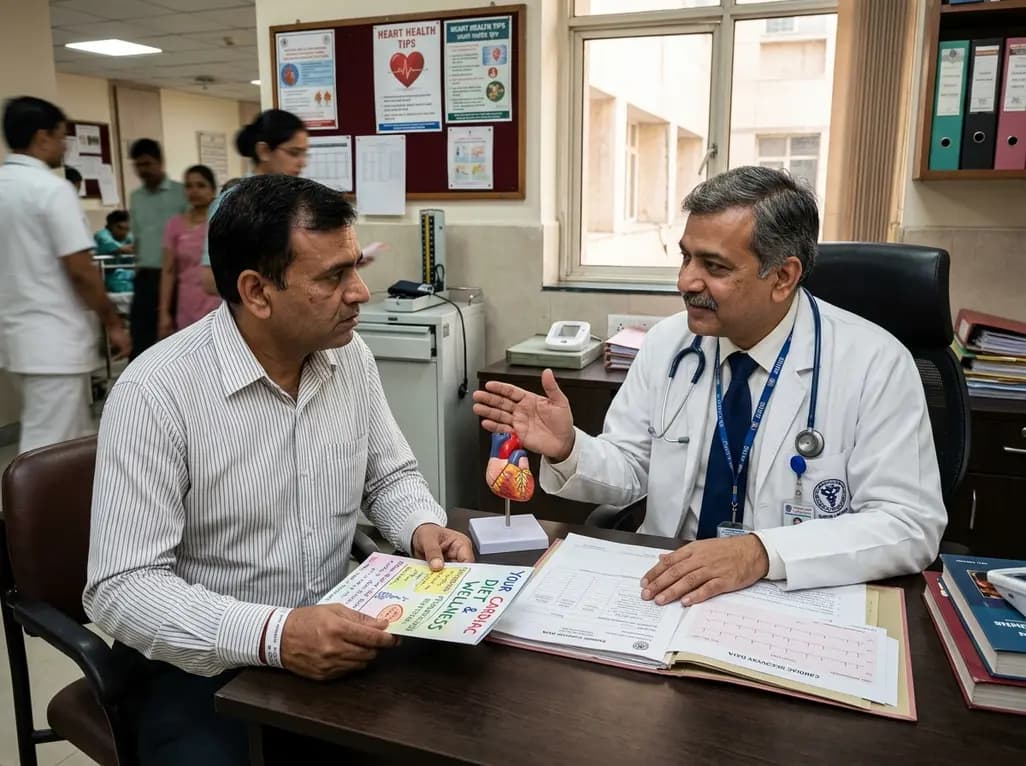
Cardiologists from premier institutes warn that viral diet trends like keto and intermittent fasting jeopardize cardiac recovery. Unsupervised dietary restriction can trigger electrolyte shifts, disrupt cardiovascular medications, and sabotage rehabilitation, necessitating personalized, physician-led nutrition.
Today
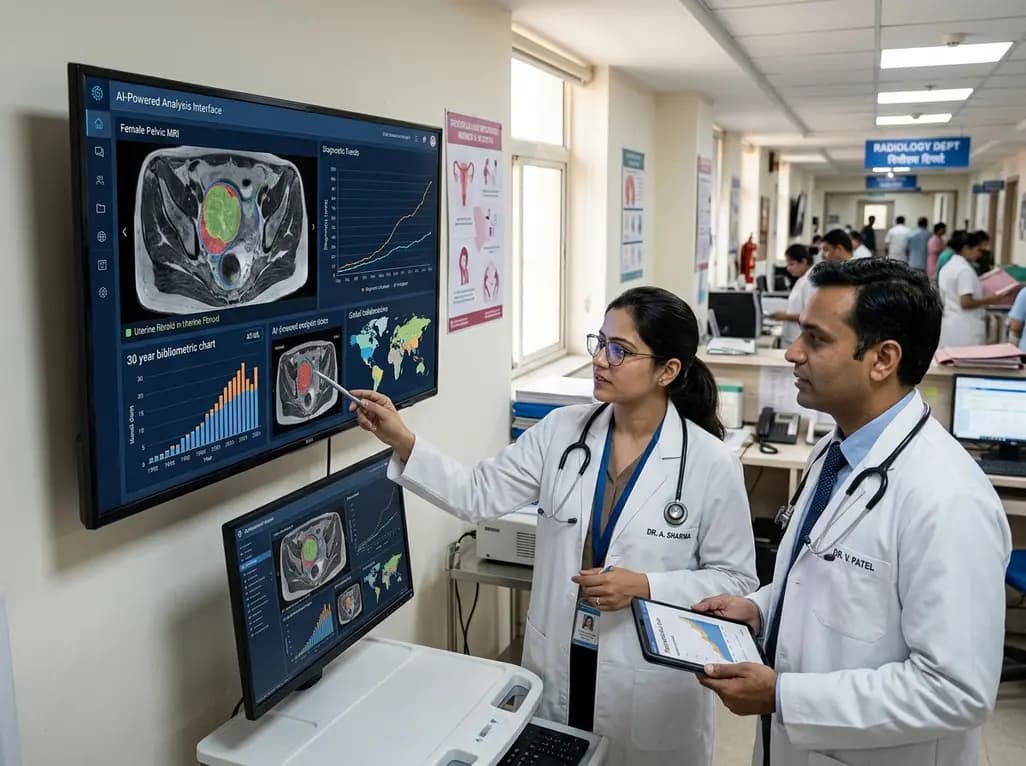
A 30-year bibliometric analysis highlights key research trends in AI in women's health from 1992 to 2024. Discover how evolving computational models, global institutional collaborations, and clinical decision support tools are shaping maternal, oncological, and reproductive care worldwide.
Today

A multicentre study in pediatric cardiac ICUs reveals that formalising lactation support—including developmental care protocols, family education, and feeding guidelines—significantly increases human milk volume and discharge breastfeeding rates for infants with congenital heart disease.
Today

A Level I trauma center study shows a brief bedside mental health intervention boosts 30-day follow-up screening adherence by 84% in nonviolent injury patients. However, outcomes for violence survivors reveal critical care gaps, underscoring the urgent need for specialized community violence intervention programs.
Today
