.webp&w=384&q=75)

Loading, please wait...
Loading, please wait...

Skeletal muscle wasting presents a major clinical challenge across malnutrition, prolonged bed rest, and advanced aging. During acute starvation, accelerated skeletal muscle proteolysis rapidly degrades functional muscle proteins to supply vital metabolic precursors. Although conventional medical nutrition focuses on total protein intake, novel functional fractions provide promising therapeutic possibilities. Preclinical models now illuminate specific grain components that regulate key catabolic signaling cascades. In this context, exploring bioactive plant extracts offers valuable strategies to protect functional lean mass.
Myocytes maintain a dynamic balance between continuous protein synthesis and regulated degradation. However, inadequate dietary protein rapidly shifts muscular metabolism toward pathological catabolism. Under nutritional stress, the muscle cell mobilizes endogenous proteins to support essential hepatic and cardiac functions. Consequently, sustained catabolic activation causes severe muscle wasting and progressive functional impairment.
Intracellular degradation depends heavily on the ubiquitin-proteasome system during muscle atrophy. Specifically, specialized E3 ubiquitin ligases tag key sarcomeric contractile elements for proteasomal destruction. The muscle-specific E3 ligase muscle atrophy F-box, designated as Atrogin-1 or MAFbx, plays a dominant role in this process. Furthermore, the upstream transcription factor forkhead box O1, or FoxO1, governs the transcription of these atrophic genes. When catabolic pathways activate FoxO1, the factor translocates to the nucleus and promotes Atrogin-1 expression. Therefore, elevated Atrogin-1 and FoxO1 mRNA levels indicate intense muscle proteolysis.
In Indian healthcare settings, protein-energy malnutrition and secondary sarcopenia affect numerous elderly and hospitalized individuals. Moreover, chronic illnesses frequently exacerbate muscle breakdown through systemic inflammation and metabolic acidosis. Understanding how targeted dietary elements suppress these proteolytic pathways is vital for clinical nutrition.
Rice processing typically removes the outer hull and bran layers to yield polished white grain. However, advanced milling technologies isolate the inner bran fraction of rice, or IBFR. This distinct layer concentrates diverse phytonutrients, polar lipids, and functional storage peptides. Recently, laboratory researchers evaluated whether consuming this inner bran fraction protects skeletal muscle tissue in rodent models.
Interestingly, adding the inner bran fraction to a standard diet did not alter total animal growth or food consumption. Instead, the experimental diet specifically increased the wet weight of the slow-twitch soleus muscle. Molecular analysis confirmed that this muscle hypertrophy stemmed directly from the suppression of skeletal muscle proteolysis. In addition, the supplemented animals exhibited significantly reduced Atrogin-1 mRNA transcription within their soleus myofibers.
These preliminary results proved that inner bran components dampen catabolic gene induction during regular feeding. Importantly, the supplement achieved these muscular improvements without causing excessive adipose deposition or adverse systemic reactions. Consequently, the research team sought to determine whether these benefits derived from water-soluble hydrophilic molecules or fat-soluble hydrophobic compounds.
To characterize the active fractions, investigators prepared an aqueous extract and a hexane extract from the inner bran. Hexane isolates hydrophobic lipids, whereas water extracts hydrophilic peptides, oligosaccharides, and polar micronutrients. Subsequently, researchers fed these respective extracts to rats receiving a low-protein, protein-deficient diet.
As expected, dietary protein deprivation produced rapid catabolic damage across the musculoskeletal system. The animals experienced significant soleus muscle wasting alongside dramatic surges in overall protein degradation. Furthermore, molecular testing revealed prominent upregulation of both Atrogin-1 and FoxO1 mRNA in untreated protein-deficient animals.
However, dietary supplementation with the aqueous extract successfully prevented this diet-induced muscular breakdown. Animals receiving the aqueous extract maintained soleus mass and suppressed proteolytic gene transcription. In sharp contrast, supplementation with the hexane extract failed to show any protective benefit against muscle loss. Consequently, this comparative experiment proved that the anti-proteolytic efficacy of inner bran resides exclusively within its hydrophilic fraction. Therefore, water-soluble components, rather than rice bran lipids, provide the essential bioactive signals that preserve skeletal muscle integrity during severe nutritional deficiency.
To uncover systemic biochemical pathways, researchers performed comprehensive plasma metabolomic profiling on the study cohorts. Severe protein deficiency disrupts circulating intermediary metabolism, skewing amino acid ratios and exhausting endogenous antioxidant reserves. Untreated protein-deficient animals exhibited extensive metabolic derangements alongside elevated markers of oxidative damage.
Remarkably, supplementation with the aqueous extract largely restored these circulating metabolic perturbations. Specifically, metabolomic analysis revealed significant recovery of key metabolites in the glutathione pathway. Glutathione serves as the principal intracellular antioxidant defense system within skeletal myofibers. When glutathione levels drop, accumulating reactive oxygen species trigger FoxO1 nuclear translocation and accelerate proteolysis. Therefore, restoring glutathione-related metabolites effectively shields muscle cells from oxidative catabolic signals.
Additionally, the metabolomic data demonstrated positive modulation of polyamine-related metabolites. Polyamines, including spermidine and putrescine, actively regulate protein synthesis, cellular survival, and autophagy balance. Thus, stabilizing polyamine pathways supports ribosomal stability while simultaneously curbing excessive protein breakdown. Consequently, through these synchronized metabolic actions, the hydrophilic inner bran extract establishes a protective biochemical environment that successfully mitigates pathological muscle wasting.
Peptidomic evaluations demonstrated that the aqueous inner bran extract contains numerous short-chain bioactive peptides. These functional peptides exert distinct regulatory effects on intracellular signaling pathways. In particular, the peptides suppress the transcriptional activation of FoxO1 and Atrogin-1/MAFbx within myocytes. By inhibiting FoxO1 nuclear translocation, the extract prevents ubiquitin ligase synthesis and spares myofibrillar structural proteins.
Furthermore, these findings carry practical implications for clinical nutrition in India. Indian diets frequently rely on polished white rice, which lacks these essential inner bran components. Meanwhile, elderly populations and convalescent patients exhibit high rates of sarcopenia and protein wasting. While whole grains supply insoluble fiber, specialized hydrophilic rice bran extracts offer concentrated bioactive peptides without digestive discomfort.
districtNevertheless, clinicians should view functional food fractions as adjuncts rather than replacements for complete nutrition. Medical teams must continue prioritizing adequate dietary protein intake and structured resistance training. Furthermore, clinicians require dedicated human clinical trials to establish therapeutic dosing, intestinal bioavailability, and safety profiles. Until human trials conclude, this research highlights the compelling therapeutic potential of rice bran peptides for preserving lean muscle mass.
The inner bran fraction suppresses muscle breakdown primarily through its water-soluble bioactive components. These hydrophilic compounds and short peptides downregulate the expression of the catabolic genes FoxO1 and Atrogin-1/MAFbx in skeletal muscle fibers. Additionally, the extract restores vital circulating metabolites linked to glutathione and polyamine pathways. This metabolic restoration significantly neutralizes cellular oxidative stress, which otherwise triggers proteasome-mediated degradation of structural muscle proteins during catabolic or protein-deficient states.
A protein-deficient diet rapidly depletes systemic amino acid pools required for vital visceral organ metabolism. In response to amino acid starvation, muscle cells activate intracellular catabolic pathways, particularly the ubiquitin-proteasome and autophagy systems. Transcription factors such as FoxO1 enter the myocyte nucleus and upregulate muscle-specific E3 ligases, including Atrogin-1. Consequently, these ligases tag myofibrillar proteins for rapid proteolytic degradation, which severely reduces skeletal muscle mass and functional physical capacity.
While these preclinical rodent findings provide compelling proof-of-concept, direct translation to humans requires rigorous validation. Rodent metabolic rates and protein turnover dynamics differ markedly from human physiology. However, because FoxO1 and Atrogin-1 signaling pathways are strictly conserved in human sarcopenia, hydrophilic rice bran fractions represent promising functional nutraceutical candidates. Future randomized controlled trials must determine the effective human dose, intestinal absorption kinetics, and long-term musculoskeletal benefits in clinical populations.
Disclaimer: This content is for informational and educational purposes only... Refer to the latest local and national guidelines for clinical practice.
References

Read summarized clinical updates, watch expert medical content, and earn CME certifications right from your smartphone.
Open your smartphone camera to scan and install.





Preclinical research reveals that the hydrophilic extract of the inner bran fraction of rice attenuates skeletal muscle proteolysis in protein-deficient rats, restoring glutathione and polyamine metabolites while downregulating Atrogin-1 and FoxO1 expression.
Today
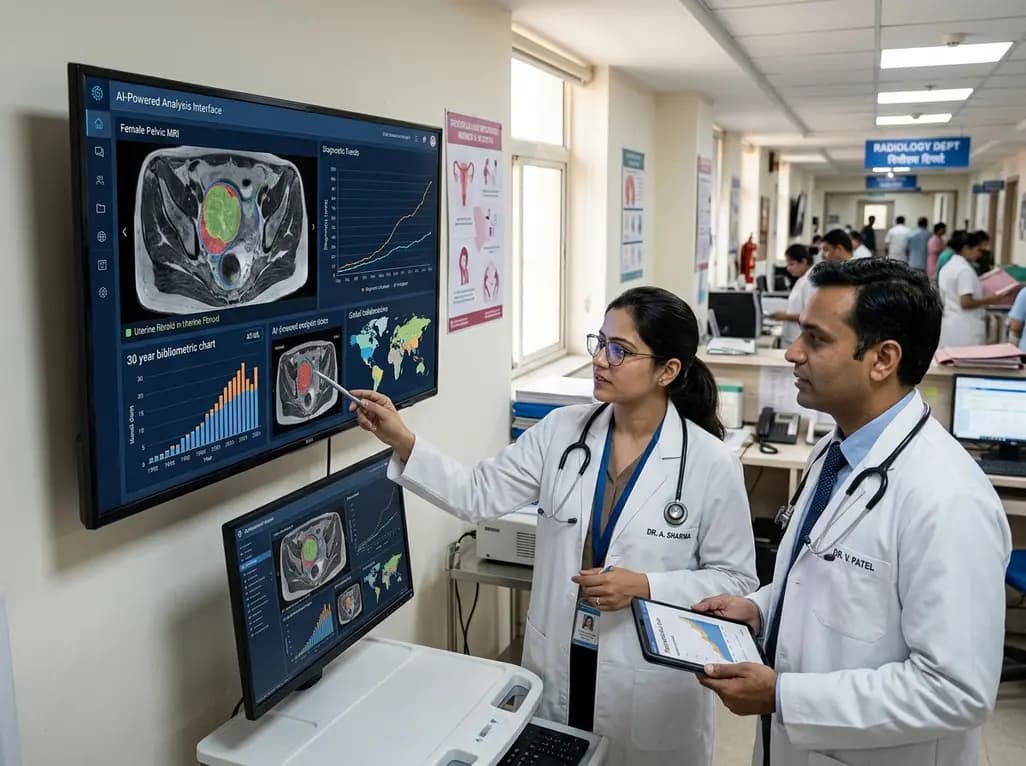
A 30-year bibliometric analysis highlights key research trends in AI in women's health from 1992 to 2024. Discover how evolving computational models, global institutional collaborations, and clinical decision support tools are shaping maternal, oncological, and reproductive care worldwide.
Today
Cardiologists from premier institutes warn that viral diet trends like keto and intermittent fasting jeopardize cardiac recovery. Unsupervised dietary restriction can trigger electrolyte shifts, disrupt cardiovascular medications, and sabotage rehabilitation, necessitating personalized, physician-led nutrition.
Today

A Level I trauma center study shows a brief bedside mental health intervention boosts 30-day follow-up screening adherence by 84% in nonviolent injury patients. However, outcomes for violence survivors reveal critical care gaps, underscoring the urgent need for specialized community violence intervention programs.
Today
Recent data from Karnataka reveals a threefold surge in genitourinary and renal deaths over ten years. Driven by uncontrolled diabetes, hypertension, and emerging lifestyle hazards, this epidemiological shift highlights an urgent need for proactive screening and multidisciplinary nephrology management in primary care.
Today
