.webp&w=384&q=75)

Loading, please wait...
Loading, please wait...
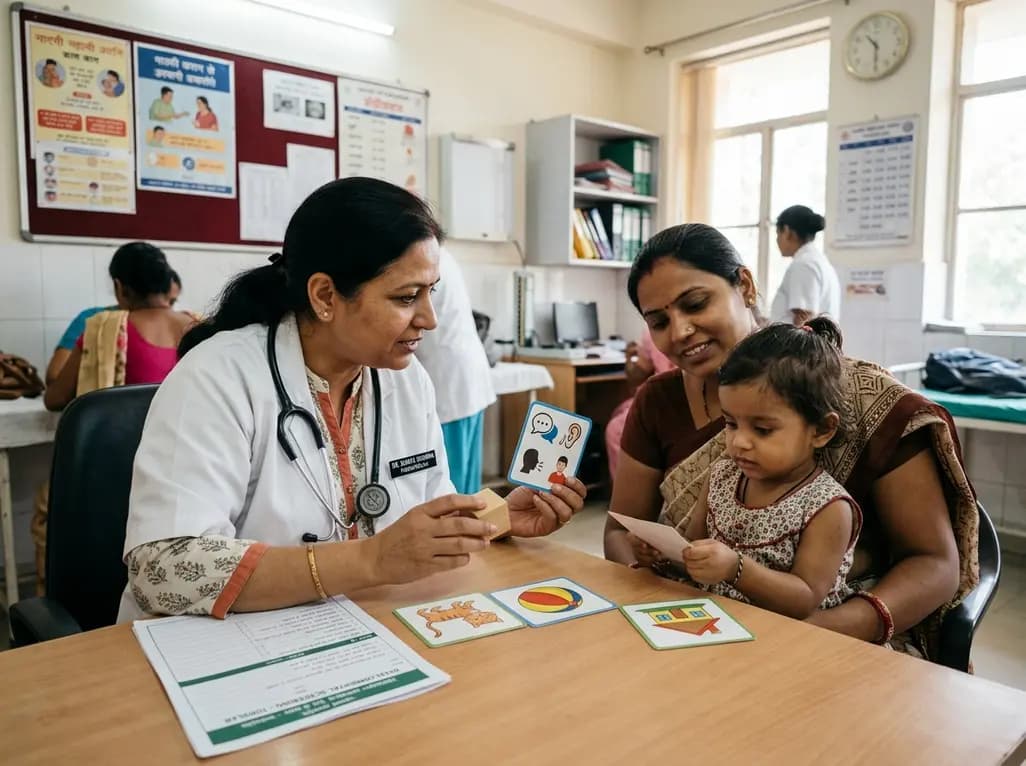
Early childhood development represents a sensitive and dynamic window for lifelong communication, cognitive ability, and social adaptation. Consequently, routine speech and language screening during the second and third years of life provides an indispensable clinical opportunity. When pediatricians identify developmental communication vulnerabilities promptly, they can implement targeted interventions before secondary behavioral or educational challenges emerge. However, differentiating between temporary delays and persistent neurodevelopmental disorders remains a significant challenge for primary care physicians. Normal speech emergence shows considerable natural variability among healthy toddlers. Therefore, clinicians must carefully distinguish transient expressive late talking from true developmental language impairment. A major scoping review by Price and colleagues evaluated screening methodologies across worldwide healthcare systems. Their analysis showed that early surveillance programs evaluate two-year-old toddlers far more often than three-year-olds. Furthermore, conventional screening practices frequently restrict evaluation to basic single-word vocabularies. In diverse primary care settings, standardized developmental tracking prevents missed diagnostic windows. As a result, implementing evidence-based surveillance frameworks has become an urgent health priority for clinicians managing early childhood development.
The scoping review identified 101 distinct studies examining 114 unique screening tools and methodologies for toddlers. Notably, researchers discovered that most screening tools concentrate predominantly on expressive language milestones. Specifically, these protocols prioritize measuring isolated vocabulary counts and the emergence of two-word combinations. In contrast, tools rarely evaluate receptive language capabilities, communicative intent, or social pragmatic gestures during early surveillance. Furthermore, when screening instruments assess speech production skills, they typically evaluate conversational intelligibility rather than specific articulation errors. Indirect screening methods, particularly parent-completed questionnaires, constitute the most common format across outpatient practices. Caregiver questionnaires provide obvious advantages, such as low delivery cost and rapid administration. However, parental reporting introduces subjective variance and potential misinterpretation across differing health literacy levels. Direct observational examinations provide standardized clinical accuracy, yet they require specialized training and extended consultation times. Therefore, clinicians who rely exclusively on brief expressive checklists risk overlooking receptive delays and subtle phonological impairments. Adopting multidimensional assessment approaches offers a more accurate representation of early toddler communication ability.
A major concern highlighted in the scoping review is the severe underreporting of psychometric quality among screening instruments. Specifically, many tools in routine clinical use lack robust validation regarding sensitivity, specificity, and positive predictive value. Consequently, healthcare providers frequently deploy instruments without sufficient verification of their diagnostic precision. Elevated false-positive rates generate parental anxiety and overburden specialized pediatric therapy centers with unnecessary evaluations. Conversely, false-negative outcomes delay vital therapeutic interventions during sensitive stages of neural development. In addition, published studies infrequently report which healthcare cadres administer screening assessments. In many ambulatory clinics, community health workers or nursing staff perform screenings without formal standardized training. When administrative protocols lack calibration, user variability inevitably undermines screening reliability. Furthermore, few available instruments undergo psychometric validation within multilingual populations. In countries like India, children regularly acquire multiple languages concurrently at home. Standard monolingual screening tools often misinterpret normative multilingual code-switching as speech delay. Therefore, healthcare leaders must prioritize rigorous psychometric validation and cultural adaptation of early screening instruments.
Developmental surveillance often diminishes after toddlers reach two years of age and master initial first words. Nevertheless, communication demands expand dramatically between thirty-six and forty-seven months of age. During this period, healthy children rapidly develop grammatical syntax, narrative conversation, and articulation clarity. Unfortunately, the scoping review revealed that significantly fewer screening tools target three-year-old children compared to younger toddlers. Because clinical evaluations drop off during this phase, milder phonological disorders and developmental language disorders often remain undetected. Consequently, affected children frequently present to pediatric specialists only after experiencing academic struggles in kindergarten settings. At that later juncture, entrenched communication difficulties may provoke chronic behavioral frustration, social anxiety, and academic setbacks. Moreover, delayed identification necessitates longer and more intensive speech-language therapy. Primary care physicians must therefore maintain proactive developmental vigilance past the second birthday. Routine surveillance at thirty-six months allows clinicians to identify stuttering, sound substitutions, and syntactic formulation difficulties. Ultimately, evaluating expressive complexity and conversational clarity beyond first words ensures that vulnerable children receive timely, transformative intervention.
Implementing structured developmental monitoring into fast-paced outpatient workflows requires feasible and standardized protocols. Pediatricians, general practitioners, and family physicians should integrate communication checks into scheduled well-child and vaccination visits. First, clinics can distribute validated caregiver questionnaires before the physical examination. In Indian healthcare contexts, clinicians can utilize adapted tools like the Trivandrum Development Screening Chart alongside parent questionnaires. Second, doctors must directly evaluate toddler communication behaviors throughout the consultation. Specifically, practitioners should observe joint attention, reciprocal gaze, and the child's response to verbal instructions. Clinicians should also listen actively to spontaneous vocalizations and assess whether unfamiliar listeners understand the child's speech. Furthermore, primary care physicians must perform prompt otoscopic examinations to exclude middle-ear effusion. When a toddler fails a standardized screener, physicians should avoid passive observation or delay. Instead, doctors must coordinate immediate multidisciplinary referrals to certified speech-language pathologists and developmental pediatricians. In addition, providers should counsel parents on interactive home language practices, including shared reading. Structured surveillance empowers primary care teams to safeguard early child neurodevelopment efficiently.
At twenty-four months, primary red flags include an expressive vocabulary of fewer than fifty words and an absence of spontaneous two-word phrases. In addition, children who fail to imitate verbal sounds, demonstrate poor eye contact, or do not respond consistently to their name require prompt diagnostic attention. Clinicians should also investigate difficulties in following simple two-step instructions. Immediate referral for formal developmental evaluation remains essential whenever these clinical warning signs emerge.
Parent-report questionnaires provide an efficient, cost-effective screening approach that captures child communication across natural domestic environments over extended periods. Consequently, these instruments minimize clinic-induced shyness or behavioral resistance during pediatric visits. However, caregiver questionnaires depend heavily on parental literacy, observational objectivity, and cultural expectations. In contrast, direct clinician-administered evaluations offer objective, standardized measurements of speech sound production and receptive skills, although direct testing requires greater professional expertise and extended consultation time.
Bilingual toddlers often distribute their vocabulary and grammatical knowledge across two or more spoken languages. Therefore, evaluating only a single language can lead clinicians to mistakenly overdiagnose speech delay. Universal and culturally sensitive screening ensures that healthcare providers assess total conceptual vocabulary across all spoken tongues. Furthermore, systematic screening identifies true underlying language disorders that persist across both languages, rather than typical cross-linguistic variations. This comprehensive approach avoids unnecessary referrals while protecting child development.
Disclaimer: This content is for informational and educational purposes only. It is not intended to be a substitute for professional medical advice, diagnosis, or treatment. Always seek the advice of your physician or other qualified health provider with any questions you may have regarding a medical condition. Refer to the latest local and national guidelines for clinical practice.
References

Read summarized clinical updates, watch expert medical content, and earn CME certifications right from your smartphone.
Open your smartphone camera to scan and install.





A scoping review of 114 speech and language screening tools for toddlers aged 2-3 years highlights critical gaps in psychometric reporting, receptive language evaluation, and tools for 3-year-olds, emphasizing the need for comprehensive developmental surveillance in primary care.
Today

A crossover study demonstrates that locally deployed large language models with exact-match knowledge augmentation significantly elevate outpatient prescription review accuracy to 97.2%, curbing hallucinations and securing patient data without requiring complex cloud infrastructure.
Today
A new scoping review protocol systematically maps global evidence on how climatic shifts, ambient heat, and pollution impact human fertility. Discover key physiological mechanisms, clinical preconception strategies, and critical public health alignments under Sustainable Development Goals 3 and 13.
Today
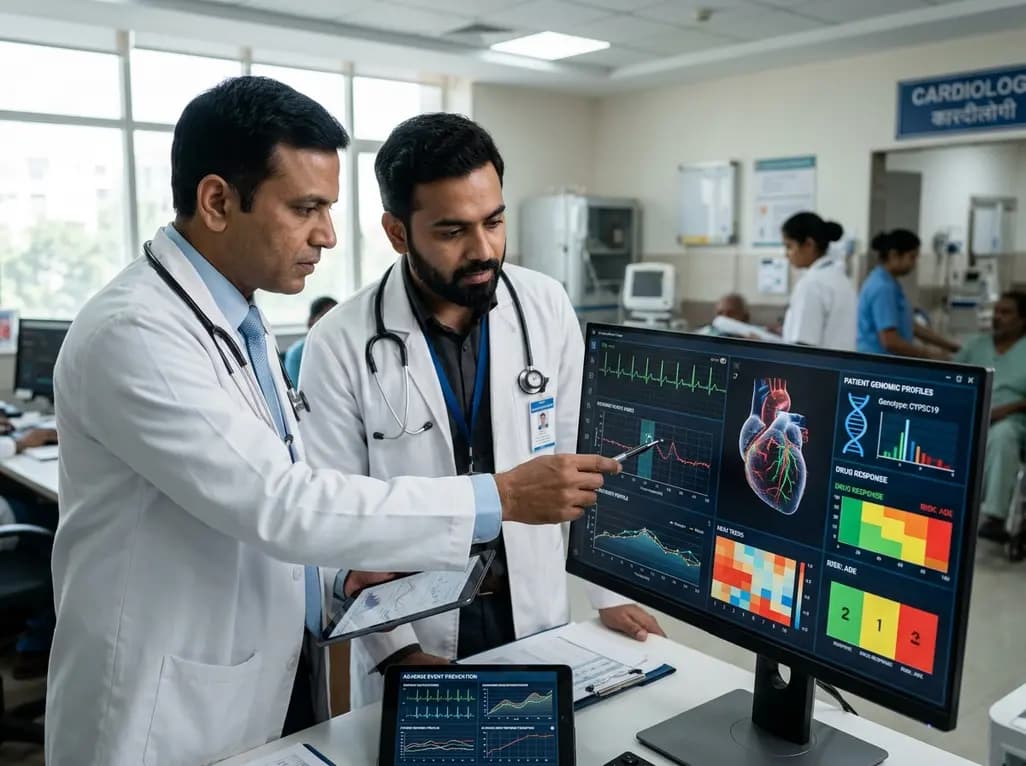
Pharmacogenomics and artificial intelligence are revolutionizing cardiology by tailoring therapies to individual genetic profiles and clinical data, reducing adverse drug events, and improving cardiovascular patient outcomes.
Today
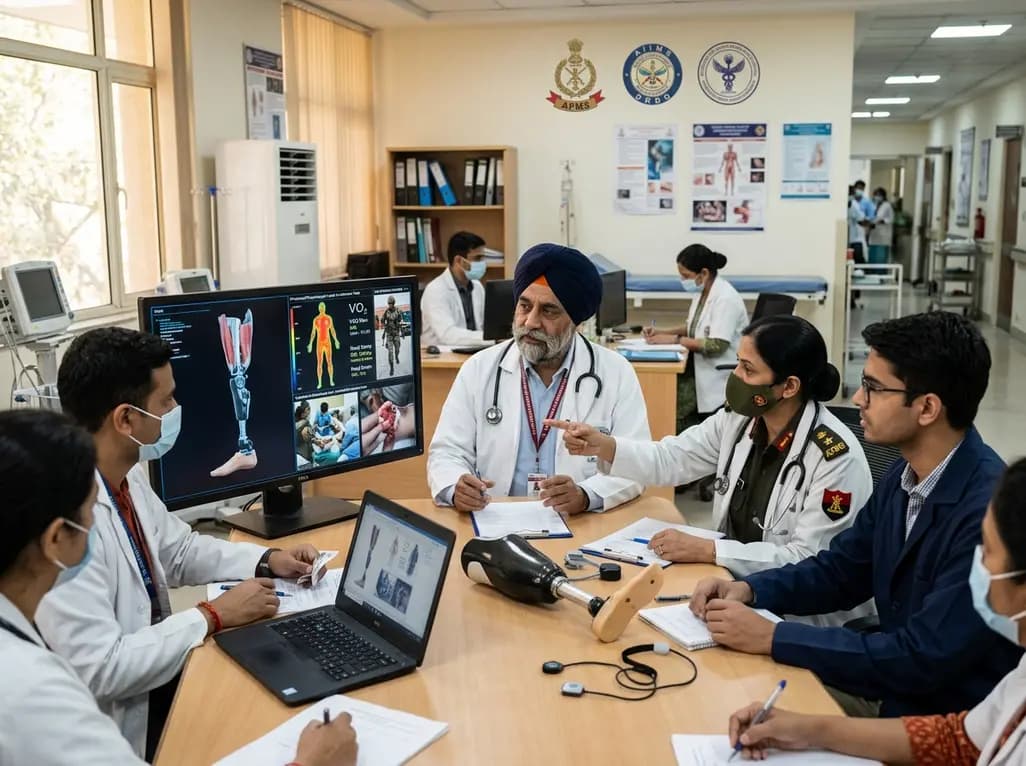
India's premier scientific bodies have joined the Armed Forces Medical Services to solve unique physiological and operational challenges faced by soldiers. The national collaboration covers combat casualty care, artificial intelligence diagnostics, bionic prosthetics, and extreme-environment physiological resilience.
Today
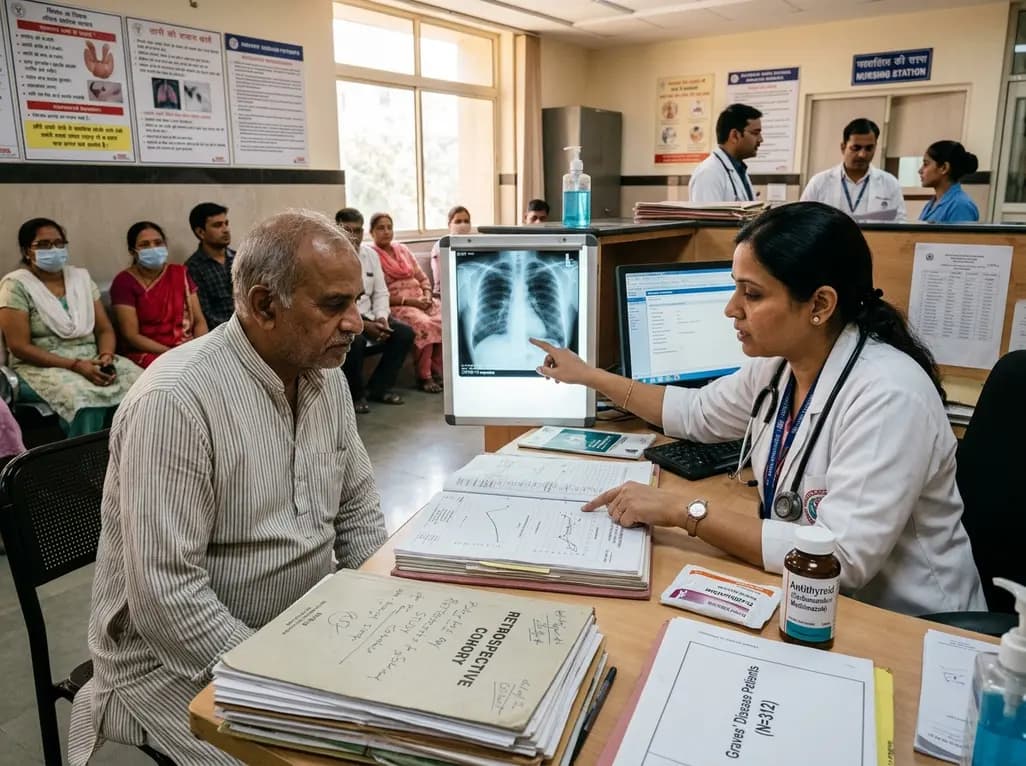
A retrospective cohort study evaluates the short- and long-term impacts of SARS-CoV-2 infection on patients with Graves' disease receiving antithyroid drug therapy, highlighting thyroid status destabilization, clinical symptom exacerbations, and post-viral sequelae.
Today
