.webp&w=384&q=75)

Loading, please wait...
Loading, please wait...

The global pandemic has revealed complex interactions between respiratory viral infections and systemic autoimmune conditions. In particular, understanding the relationship between Graves' disease and COVID-19 is essential for practicing physicians managing thyrotoxicosis. When patients with autoimmune endocrine disorders contract viral pathogens, their clinical trajectory often shifts unexpectedly. Therefore, clinicians must carefully evaluate how systemic inflammation alters thyroid hormone equilibrium. This article reviews recent clinical evidence regarding the short-term and persistent effects of viral infection on treated Graves' disease cohorts.
Autoimmune thyroid conditions require delicate immunological balance to maintain euthyroidism during medical therapy. However, systemic infections readily perturb this delicate regulatory equilibrium. When severe acute respiratory coronavirus 2 enters host cells, it stimulates intense immune pathways. Consequently, circulating inflammatory cytokines surge across vascular beds and reach glandular targets. Moreover, thyroid tissue expresses substantial quantities of angiotensin-converting enzyme 2 receptors. As a result, direct viral interaction and indirect cytokine-mediated cascades jointly affect glandular architecture. Recent clinical studies demonstrate that patients on antithyroid drugs frequently experience disease instability following viral exposure. Furthermore, retrospective analyses show that infection triggers abrupt hormonal fluctuations in previously well-controlled individuals. Clinicians observe significant increases in thyroid autoantibody activity alongside fluctuating hormone concentrations during acute illness. In addition, patients often report rapid resurgence of thyrotoxic symptoms like palpitations, excessive perspiration, and sleep disruption. Understanding these interconnected immunological pathways helps endocrinologists anticipate clinical volatility. Therefore, physicians must remain alert when managing infected individuals who carry pre-existing autoimmune endocrine diagnoses.
The acute phase of infection introduces profound physiological stress that alters thyroid hormone metabolism. Specifically, clinicians observe significant deviations in circulating free thyroxine and free triiodothyronine levels during active viral illness. Although some patients develop transient non-thyroidal illness syndrome, others experience true thyrotoxic exacerbations. Furthermore, paired biochemical analyses in infected cohorts reveal that viral illness impairs stable antithyroid drug control. As a result, circulating triiodothyronine to thyroxine ratios shift noticeably in affected patients. Cytokines such as interleukin-6 disrupt peripheral deiodinase activity and damage follicular cell integrity. Consequently, preformed thyroid hormones leak into the circulation, compounding receptor-mediated hypersecretion. Moreover, patients with elevated baseline thyrotropin receptor antibodies demonstrate higher vulnerability to acute hormonal spikes. Thus, clinicians encounter diagnostic ambiguity when distinguishing destructive thyroiditis from classic Graves' relapse. In addition, tachycardia and pyrexia from viral fever can mask underlying hyperthyroid progression. Therefore, doctors must perform serial biochemical tests rather than relying solely on clinical impressions. Timely identification of genuine hormonal surges prevents dangerous arrhythmias and metabolic decompensation in outpatient settings.
Beyond the acute infection, many patients struggle with persistent health issues known as long COVID. Notably, individuals with underlying thyroid autoimmunity report a higher prevalence of prolonged post-viral exhaustion. However, clinicians often face significant challenges when differentiating long COVID symptoms from uncontrolled hyperthyroidism. Patients describe chronic fatigue, cognitive impairment, muscular weakness, and heat intolerance that persist for months. Furthermore, questionnaire-based cohort evaluations demonstrate that persistent symptoms negatively impact daily productivity and overall quality of life. In addition, autoimmune dysregulation may linger long after viral clearance, perpetuating low-grade systemic inflammation. As a result, thyroid autoantibodies remain elevated in a substantial subset of infected patients. Consequently, these individuals face prolonged recovery trajectories and require extended clinical surveillance. Doctors must carefully evaluate whether ongoing fatigue stems from autonomic dysfunction or inadequate hormone regulation. Moreover, psychological distress frequently accompanies these prolonged physical symptoms, creating additional therapeutic hurdles. Therefore, physicians should implement structured multidisciplinary follow-up protocols to monitor both metabolic recovery and mental wellbeing over time.
Managing antithyroid medications requires proactive dose titration when viral infections destabilize clinical control. Initially, physicians should verify compliance because acute illness often disrupts daily medication schedules. However, genuine increases in thyroid hormone synthesis necessitate tailored pharmacological adjustments. Specifically, increasing the dose of carbimazole or methimazole helps regain biochemical control in patients showing overt relapses. In addition, doctors frequently prescribe beta-blockers like propranolol to manage acute hyperadrenergic manifestations during the infection. Furthermore, clinicians must monitor hepatic function and complete blood counts with exceptional diligence. Systemic viral infections and antithyroid drugs can both cause hepatotoxicity and transient neutropenia. As a result, distinguishing drug side effects from viral manifestations requires systematic clinical vigilance. Moreover, clinicians should schedule repeat thyroid function tests every four to six weeks during medication titration. Thus, close biochemical tracking prevents overshooting into drug-induced hypothyroidism. Consequently, proactive dose adjustments ensure steady recovery and protect the patient's cardiovascular system from sustained thyrotoxic stress.
Outpatient care models must integrate proactive strategies to manage post-viral endocrine vulnerability effectively. First, physicians should educate patients about potential symptom flares following respiratory infections. In addition, healthcare teams must provide clear guidelines regarding when to seek immediate medical reassessment. For instance, worsening palpitations, unexpected weight loss, or severe heat intolerance warrant prompt laboratory evaluation. Furthermore, primary care clinicians and endocrinologists should establish seamless communication channels for rapid referral. Routine post-infection reviews must combine biochemical screening with structured symptom questionnaires. Consequently, clinicians can identify both subclinical thyrotoxic flares and lingering post-viral complications at early stages. Moreover, addressing patient anxiety through empathetic communication improves medication adherence and reduces emotional distress. As a result, comprehensive care pathways minimize hospital admissions and prevent severe complications like thyroid storm. Therefore, standardized outpatient follow-up protocols represent an indispensable tool for clinicians managing autoimmune thyroid diseases. Adopting these multidisciplinary methods ensures comprehensive support for patients navigating the complexities of post-viral recovery.
SARS-CoV-2 directly targets thyroid follicular tissue through angiotensin-converting enzyme 2 receptors. Additionally, systemic hyperinflammation triggers a surge of inflammatory cytokines such as interleukin-6 and tumor necrosis factor-alpha. Consequently, these mediators stimulate immune dysregulation and disrupt thyroid autoantibody homeostasis. As a result, previously stable patients may experience acute release of thyroid hormones, immune destruction, or sudden relapse of receptor stimulation. Clinicians must recognize that viral infection acts as a potent trigger for endocrine instability.
Clinicians should obtain serum free thyroxine and thyroid-stimulating hormone levels four to six weeks following acute viral illness. However, if patients develop new cardiovascular symptoms or severe tremor, physicians must test endocrine levels immediately. Furthermore, repeat testing at three months helps verify sustained biochemical stability after dose adjustments. Therefore, systematic laboratory surveillance prevents overt toxicosis and protects patients against cardiovascular compromise during recovery from viral illness.
Differentiating these conditions requires combined objective biochemical assessment and detailed clinical symptom tracking. For example, long COVID predominantly features profound physical exhaustion, brain fog, and postural tachycardia without biochemical changes. In contrast, thyrotoxic relapse typically demonstrates elevated free triiodothyronine, suppressed thyrotropin, weight loss, and marked heat intolerance. Consequently, doctors must avoid adjusting antithyroid medications purely based on subjective fatigue without recent confirmatory thyroid hormone panels.
Disclaimer: This content is for informational and educational purposes only... Refer to the latest local and national guidelines for clinical practice.
References

Read summarized clinical updates, watch expert medical content, and earn CME certifications right from your smartphone.
Open your smartphone camera to scan and install.





A retrospective cohort study evaluates the short- and long-term impacts of SARS-CoV-2 infection on patients with Graves' disease receiving antithyroid drug therapy, highlighting thyroid status destabilization, clinical symptom exacerbations, and post-viral sequelae.
Today
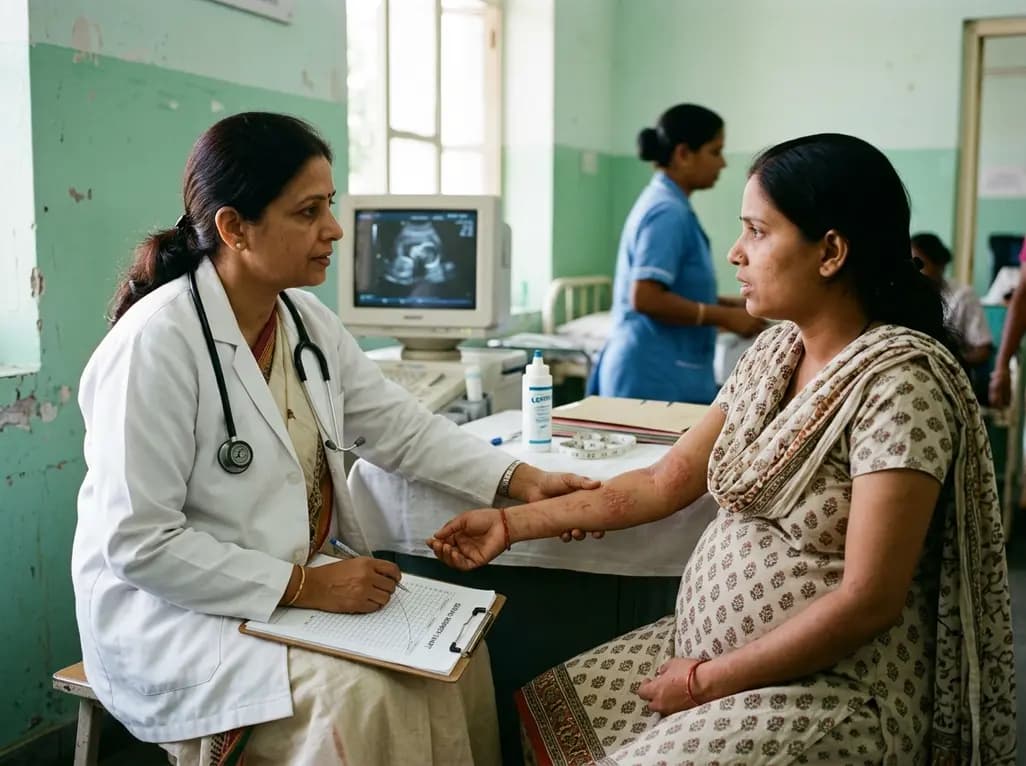
A comprehensive meta-analysis of over 278,000 women demonstrates that maternal atopic dermatitis significantly increases risks of premature rupture of membranes and low birth weight. Discover essential clinical insights on disease mechanisms, serial antenatal growth monitoring, and safe therapeutic interventions.
Yesterday

Pharmacogenomics and artificial intelligence are revolutionizing cardiology by tailoring therapies to individual genetic profiles and clinical data, reducing adverse drug events, and improving cardiovascular patient outcomes.
Today
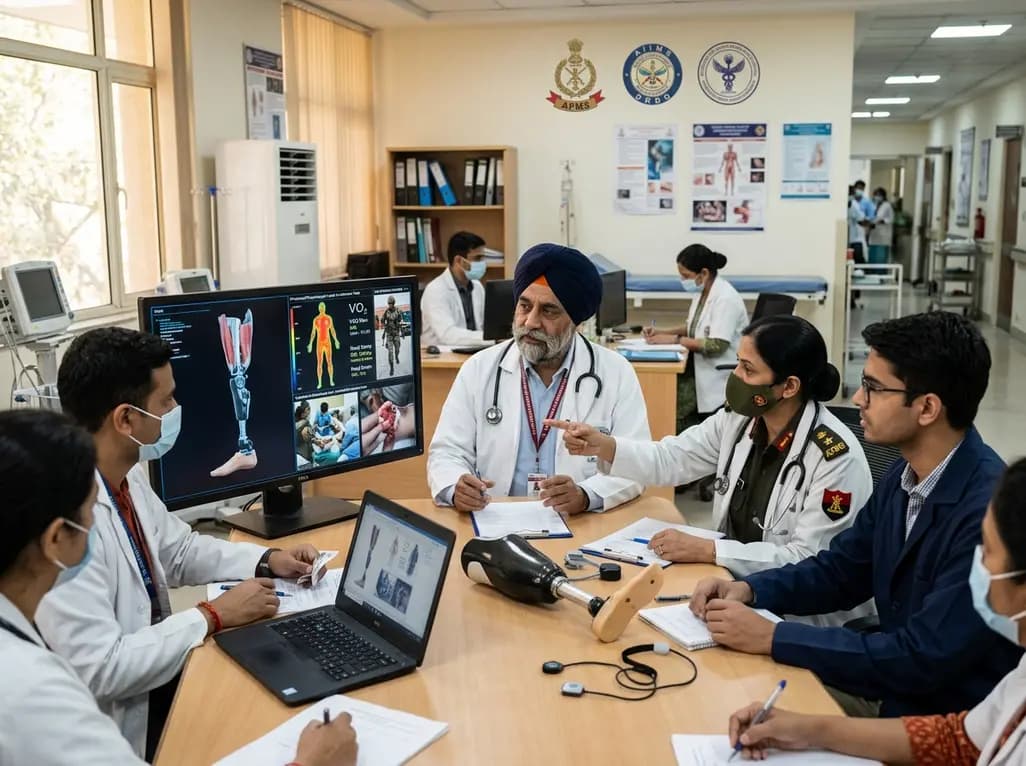
India's premier scientific bodies have joined the Armed Forces Medical Services to solve unique physiological and operational challenges faced by soldiers. The national collaboration covers combat casualty care, artificial intelligence diagnostics, bionic prosthetics, and extreme-environment physiological resilience.
Today

Over 60 international public health researchers have advised FSSAI to mandate front-of-pack warning labels for any packaged product high in even one critical nutrient: sugar, saturated fat, or sodium. This reform counters phased rollouts to accelerate consumer protection and address India's chronic disease burden.
Today
