.webp&w=384&q=75)

Loading, please wait...
Loading, please wait...

Across modern reproductive healthcare, clinicians observe noticeable shifts in human fecundity alongside accelerating ecological disruptions. Growing epidemiological data link adverse exposures to diminished reproductive potential in both men and women. Consequently, understanding how environmental factors and fertility intersect has become an urgent clinical priority worldwide. Emerging evidence indicates that volatile climatic shifts, ambient air pollution, and endocrine-disrupting chemicals impair biological fecundity. However, the existing biomedical evidence remains widely dispersed across diverse geographic populations, clinical settings, and study designs. Furthermore, clinicians often struggle to translate fragmented epidemiological observations into practical guidance for prospective parents. While demographic choices influence fertility rates, biological determinants driven by ecological degradation demand rigorous investigation. In response, researchers have launched comprehensive evidence syntheses to systematically map global reproductive hazards. Therefore, consolidating diverse datasets enables reproductive endocrinologists and urologists to recognize preventable external threats. By examining these systemic exposures, medical teams can better contextualize unexplained subfertility within vulnerable populations.
Rising global temperatures and intensified heatwaves present quantifiable physiological challenges to gamete production. Spermatogenesis serves as a remarkably sensitive biological process requiring scrotal temperatures several degrees below core body heat. Consequently, sustained ambient heat exposure overwhelms natural scrotal thermoregulation and triggers severe intracellular oxidative stress. When ambient temperatures surpass physiological comfort thresholds, testicular tissues experience mitochondrial membrane destabilization. As a result, germ cells undergo accelerated apoptosis, precipitating oligospermia, asthenospermia, and abnormal morphological variations. In addition, elevated thermal stress impairs sperm chromatin condensation, causing marked increases in nuclear DNA fragmentation. Female reproductive physiology exhibits comparable vulnerability to extreme ambient heat. Prolonged hyperthermia disrupts follicular recruitment, alters ovarian steroidogenesis, and impairs oocyte quality during vital developmental stages. Furthermore, maternal thermal strain compromises endometrial perfusion, potentially impeding blastocyst implantation and elevating early miscarriage rates. Therefore, fertility specialists must routinely evaluate environmental thermal exposures when investigating unexplained reproductive failure.
Atmospheric contamination represents another major pathway linking degraded environments to reproductive impairment. Fine particulate matter, ground-level ozone, and nitrogen oxides readily penetrate deep pulmonary alveoli and enter systemic circulation. Consequently, these microscopic pollutants induce chronic vascular inflammation and endothelial dysfunction throughout pelvic organs. In men, particulate exposure correlates strongly with suppressed testosterone synthesis and compromised seminal parameters. Moreover, inhaled pollutants alter DNA methylation patterns in developing sperm, introducing deleterious epigenetic alterations that disrupt embryogenesis. Similarly, women residing in densely polluted urban areas demonstrate accelerated depletion of functional ovarian reserve. Clinical studies reveal reduced anti-Müllerian hormone concentrations and lower antral follicle counts among chronically exposed individuals. In addition, synthetic endocrine disruptors like phthalates and bisphenols mimic endogenous sex steroids, blunting gonadotropin receptor sensitivity and disrupting menstrual regularity. Therefore, persistent environmental toxicant mixtures produce additive detriments that undermine reproductive success across communities.
Addressing the dispersed nature of reproductive environmental research requires rigorous methodological architecture. To resolve this challenge, investigators established a structured scoping review protocol to map global evidence linking environmental exposures to reproductive outcomes. The research team designed a comprehensive search strategy encompassing premier biomedical databases, including PubMed, Embase, Web of Science, and the Cochrane Library. By adhering to the Preferred Reporting Items for Systematic Reviews and Meta-Analyses extension for Scoping Reviews guidelines, the authors maintain methodological transparency. Furthermore, the protocol incorporates standardized screening tools through Covidence, utilizing independent paired reviewers to minimize selection bias. Methodological quality across heterogeneous study designs receives systematic appraisal via validated Joanna Briggs Institute critical appraisal checklists. Importantly, this review evaluates diverse clinical metrics, ranging from seminal biomarkers to clinical pregnancy rates. Thus, this structured methodology synthesizes contradictory findings, identifies geographic knowledge voids, and illuminates critical epidemiological gaps to guide future interventional reproductive research.
Translating complex environmental epidemiology into patient-centered clinical practice remains essential for contemporary fertility management. Clinicians routinely evaluate genetic and lifestyle factors while overlooking ambient occupational and environmental exposures. However, integrating systematic environmental screening into routine preconception consultations provides tangible clinical benefits. Practitioners should routinely question patients regarding occupational heat burdens, domestic plastic utilization, and residential air quality. Furthermore, medical teams can encourage couples to monitor local air quality indices and utilize certified particulate air filtration during high-smog periods. In addition, recommending non-toxic personal care items and reducing ultra-processed dietary intake minimizes cumulative endocrine-disrupting exposures. Clinicians can also advise male patients to mitigate scrotal hyperthermia by adjusting occupational habits and avoiding restrictive clothing. Meanwhile, prescribing targeted antioxidant therapies helps counteract background oxidative stress within developing gametes. Therefore, proactive lifestyle counseling empowers couples undergoing natural conception or assisted reproductive therapies.
Protecting human fecundity demands broad structural interventions that extend beyond clinic consultation rooms. Environmental reproductive degradation illustrates the direct intersection between human physiological survival and planetary sustainability. Specifically, global research syntheses directly advance Sustainable Development Goal 3, which promotes universal good health, and Sustainable Development Goal 13, which mandates climate action. As industrial emissions and urban heat islands intensify, vulnerable communities face disproportionate burdens of reproductive failure. Consequently, healthcare professionals must advocate for progressive environmental policies that restrict hazardous chemicals and curb greenhouse emissions. Moreover, collaborative research networks must investigate how environmental exposures interact with socioeconomic disparities in global fertility rates. By actively participating in environmental health discussions, medical societies can guide institutional guidelines and municipal environmental protection standards. In conclusion, preserving human reproductive potential requires synchronized action across clinical medicine, governmental regulation, and global environmental stewardship.
Elevated ambient temperatures impair gametogenesis through oxidative stress and cellular hyperthermia. In males, scrotal heat disrupts delicate testicular thermoregulation, causing mitochondrial dysfunction, sperm DNA fragmentation, and reduced sperm concentration and motility. In females, severe thermal stress impairs oocyte maturation, alters ovarian hormone secretion, and reduces endometrial blood flow. Consequently, heatwaves and prolonged thermal exposures diminish natural conception rates and increase the risk of early pregnancy loss.
Fine particulate matter under 2.5 microns, nitrogen dioxide, sulfur dioxide, and ground-level ozone pose substantial threats to human gametes. Once inhaled, these micro-pollutants induce systemic vascular inflammation and generate destructive reactive oxygen species. Recent molecular investigations demonstrate that prolonged exposure induces epigenetic alterations, specifically abnormal sperm DNA methylation. Additionally, these airborne toxicants reduce functional ovarian reserve in women and compromise implantation success during assisted reproductive cycles.
Patients planning pregnancy can actively limit environmental risks through targeted behavioral adjustments. Prospective parents should minimize exposure to synthetic plastics containing phthalates and bisphenols, choose fresh organic produce when possible, and filter household drinking water. Furthermore, monitoring local air quality indices and using high-efficiency particulate air purifiers indoors helps reduce toxic inhalation. Lastly, men should avoid prolonged heat sources, including saunas, tight apparel, and heated automobile seats.
Disclaimer: This content is for informational and educational purposes only. It is not intended to substitute for professional medical advice, diagnosis, or treatment. Refer to the latest local and national guidelines for clinical practice.
References

Read summarized clinical updates, watch expert medical content, and earn CME certifications right from your smartphone.
Open your smartphone camera to scan and install.





A new scoping review protocol systematically maps global evidence on how climatic shifts, ambient heat, and pollution impact human fertility. Discover key physiological mechanisms, clinical preconception strategies, and critical public health alignments under Sustainable Development Goals 3 and 13.
Today
A crossover study demonstrates that locally deployed large language models with exact-match knowledge augmentation significantly elevate outpatient prescription review accuracy to 97.2%, curbing hallucinations and securing patient data without requiring complex cloud infrastructure.
Today
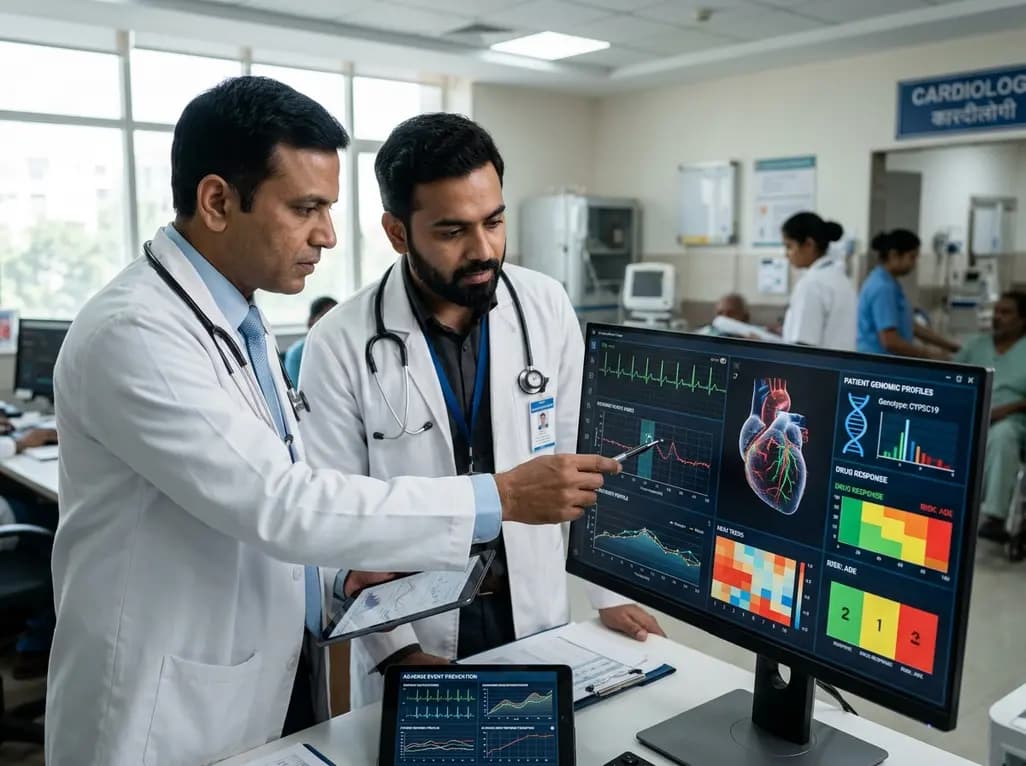
Pharmacogenomics and artificial intelligence are revolutionizing cardiology by tailoring therapies to individual genetic profiles and clinical data, reducing adverse drug events, and improving cardiovascular patient outcomes.
Today
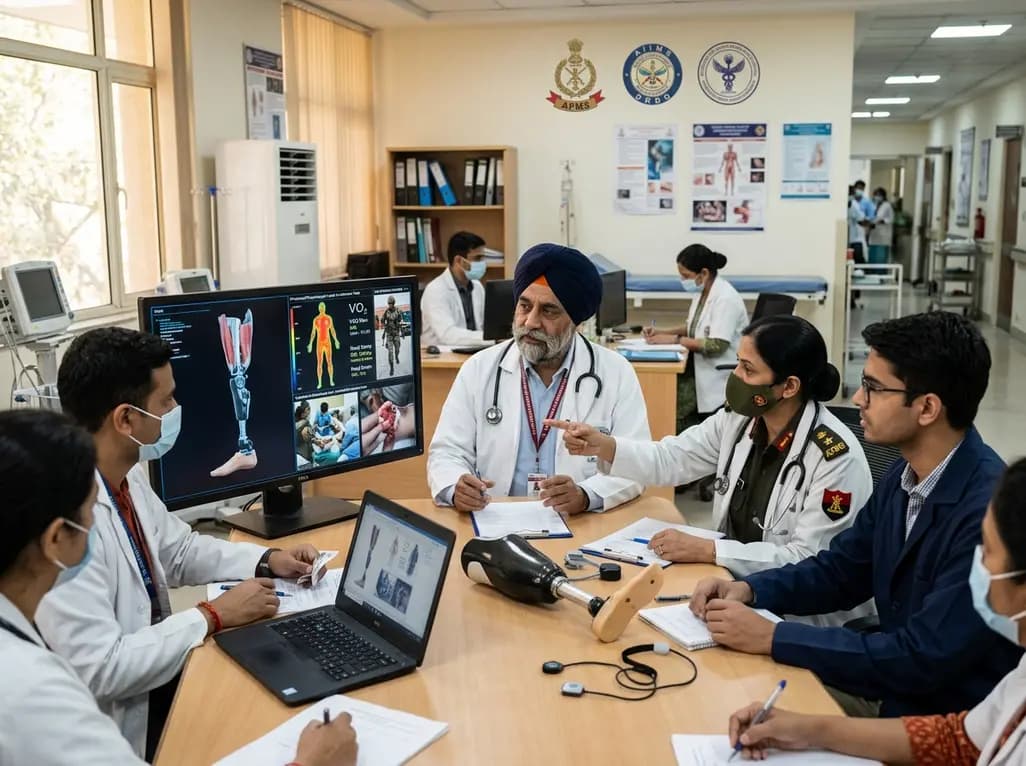
India's premier scientific bodies have joined the Armed Forces Medical Services to solve unique physiological and operational challenges faced by soldiers. The national collaboration covers combat casualty care, artificial intelligence diagnostics, bionic prosthetics, and extreme-environment physiological resilience.
Today
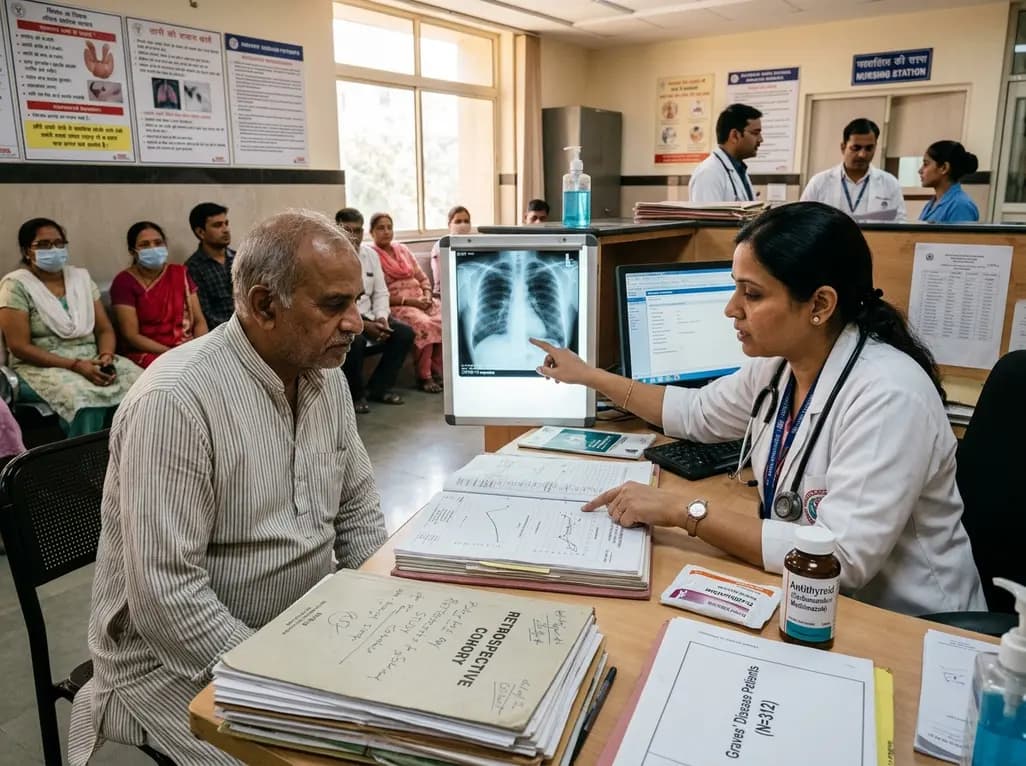
A retrospective cohort study evaluates the short- and long-term impacts of SARS-CoV-2 infection on patients with Graves' disease receiving antithyroid drug therapy, highlighting thyroid status destabilization, clinical symptom exacerbations, and post-viral sequelae.
Today
