

Loading, please wait...
Loading, please wait...

Adolescent mental health remains an urgent priority across primary care and psychiatry practices worldwide. Recent epidemiologic data highlight an intricate relationship between sleep quality and suicide among school-aged youth. Clinicians frequently encounter teenagers presenting with chronic exhaustion, erratic sleep schedules, and concurrent emotional distress. However, medical professionals often view insomnia merely as a secondary symptom of underlying depression. Consequently, early opportunities for targeted suicide prevention frequently go unnoticed during routine consultations. A comprehensive cross-sectional investigation evaluated 20,055 Chinese adolescents across five representative provinces. The investigators analyzed how multidimensional sleep parameters correlate with suicidal ideation, suicidal planning, and suicide attempts. Remarkably, the authors controlled for key confounding variables, including demographic factors, baseline depression, and anxiety severity. Their findings confirm that sleep deficits independently drive distinct psychological vulnerabilities. Therefore, addressing sleep disruptions provides a crucial therapeutic window for timely intervention. Healthcare providers must recognize that disrupted sleep actively deteriorates emotional regulation. By prioritizing adolescent rest patterns, clinicians can establish earlier safeguards against catastrophic self-harm.
To capture the clinical nuance of sleep pathology, researchers evaluated the seven dimensions of the Pittsburgh Sleep Quality Index. These components encompass subjective sleep quality, sleep latency, sleep duration, sleep efficiency, sleep disturbances, hypnotic drug use, and daytime dysfunction. In this cohort of over twenty thousand adolescents, 10.5 percent reported suicidal ideation. Furthermore, 7.9 percent formulated explicit suicide plans, and 5.0 percent engaged in actual suicide attempts. Multinomial logistic regression analysis demonstrated that shortened sleep duration and recurrent sleep disturbances exhibited consistent associations across all three suicidal outcomes. Specifically, adolescents experiencing frequent nocturnal awakenings or inadequate rest faced heightened vulnerability toward self-harm. In contrast, other sleep dimensions demonstrated selective associations with specific phases of suicidal progression. Moreover, chronic sleep fragmentation impairs daytime executive functioning and problem-solving capacity during interpersonal conflict. When adolescents lack restorative slumber, psychological distress amplifies rapidly. Thus, clinicians cannot rely on a single total sleep score. Instead, physicians must assess each sleep dimension independently to detect subtle warning signs early.
Suicidal behavior represents a progressive spectrum rather than an isolated clinical event. Interestingly, the study revealed marked divergences in how individual sleep parameters interact with distinct stages of suicidality. While abbreviated sleep duration and nocturnal awakenings correlated with ideation, planning, and attempts alike, hypnotic drug use showed an alarming specificity. Specifically, the consumption of sedative and hypnotic medications maintained a significant association exclusively with suicide attempts. This targeted correlation persisted even after fully adjusting for concurrent depressive symptoms and generalized anxiety. Consequently, this observation carries profound clinical significance for prescribing physicians in pediatric and primary care environments. Adolescents taking hypnotic agents may suffer from refractory insomnia that resists standard behavioural interventions. Alternatively, the availability of prescription sedatives provides an accessible, lethal means for impulsive self-poisoning during acute distress. Furthermore, pharmacological agents can alter neurocognitive inhibition, thereby facilitating the transition from suicidal thoughts to lethal actions. Physicians must exercise extreme vigilance when evaluating sleep complaints in vulnerable adolescents. Clinicians should consistently audit prescription access and discuss medication safety with parents.
Circadian preference exerts a profound impact on neurodevelopment and behavioral health during adolescence. In the study cohort, 21.3 percent of the youth demonstrated a distinct morning chronotype. Epidemiological analysis revealed that morningness functioned as a partial moderator in the relationship between specific sleep problems and suicide behaviours. In other words, a biological preference for earlier waking and morning activity provided a protective psychological buffer against self-harm. Conversely, evening chronotypes often encounter chronic circadian misalignment, commonly described as social jetlag. Adolescents with evening preferences must wake early for rigorous academic schedules, which induces cumulative sleep debt and emotional irritability. Furthermore, late-night wakefulness exposes vulnerable adolescents to unmonitored screen time and isolation when social support remains unavailable. In contrast, morning-oriented individuals maintain more synchronous physiological rhythms and healthier daylight exposure. This circadian alignment supports regular neurotransmitter regulation and stabilizes emotional coping mechanisms. Consequently, identifying adolescent chronotype provides clinicians with valuable prognostic insight. Doctors can actively utilize chronotherapeutic education to reinforce stabilizing diurnal rhythms in high-risk teenagers.
Primary care physicians occupy the front line of adolescent healthcare, making routine sleep screening indispensable. In clinical practice, practitioners should incorporate structured sleep assessments alongside standard psychiatric evaluations. Specifically, clinicians must query total sleep duration, sleep onset latency, frequent nocturnal awakenings, and daytime dysfunction. When an adolescent reports persistent insomnia, doctors must directly evaluate suicidal ideation and implicit intent. Moreover, family physicians must investigate any history of over-the-counter or prescribed hypnotic medication use. Inquiring about sedative use can alert practitioners to imminent self-harm risk that standard screenings might miss. Whenever feasible, physicians should recommend cognitive behavioural therapy for insomnia as the first-line intervention rather than prescribing hypnotic drugs. Non-pharmacological treatments resolve adolescent sleep disturbances effectively without introducing poisoning hazards. In addition, practitioners should prescribe minimal quantities and mandate strict parental dispensing oversight whenever sedatives prove clinically necessary. Educating families regarding sleep hygiene and morning sunlight exposure establishes a sustainable foundation for emotional resilience. Through proactive circadian assessments, clinicians can dismantle the dangerous pathway leading to suicidal crisis.
Poor sleep impairs prefrontal cortex function, which reduces impulse control and diminishes cognitive problem-solving abilities. Consequently, sleep-deprived teenagers experience amplified emotional distress, severe mood dysregulation, and persistent hopelessness. Over time, these combined deficits impair adaptive coping mechanisms, dramatically increasing the likelihood that passive ideation escalates into life-threatening suicidal behavior.
Hypnotic drug use indicates severe, chronic insomnia that often resists behavioural coping mechanisms and fuels desperation. Furthermore, these pharmacological sedatives may lower behavioral inhibition, facilitating impulsive actions during acute crises. Critically, access to prescription sleep medications provides immediate lethal means for intentional self-poisoning, making close parental supervision and restricted dispensing essential.
Clinicians should encourage gradual sleep-phase advances by scheduling morning natural sunlight exposure and eliminating nocturnal blue-light stimulation. Additionally, doctors must counsel families to maintain consistent sleep-wake schedules throughout weekends. Implementing cognitive behavioural therapy for insomnia and teaching stress-reduction techniques can effectively realign circadian physiology, thereby protecting against depressive symptoms and self-harm.
Disclaimer: This content is for informational and educational purposes only. It is not intended to be a substitute for professional medical advice, diagnosis, or treatment. Always seek the advice of your physician or other qualified health provider with any questions you may have regarding a medical condition. Never disregard professional medical advice or delay in seeking it because of something you have read on this website. Refer to the latest local and national guidelines for clinical practice.
References

Read summarized clinical updates, watch expert medical content, and earn CME certifications right from your smartphone.
Open your smartphone camera to scan and install.





A study of 20,055 adolescents reveals distinct links between seven sleep quality dimensions and suicide behaviours. While short sleep and disturbances raise risk across all stages, hypnotic use correlates solely with attempts. Morning chronotype partially moderates these risks, offering vital preventive guidance.
Today

A validated natural language processing pipeline leverages clinical notes and intermediate annotations to identify risky alcohol use across surgical patients, offering automated preoperative risk stratification.
Today

The GESS-AEEM consensus establishes a clear clinical implementation framework for testosterone therapy in postmenopausal women with hypoactive sexual desire disorder, focusing on transdermal dosing, precise laboratory monitoring, and safety communication.
Yesterday
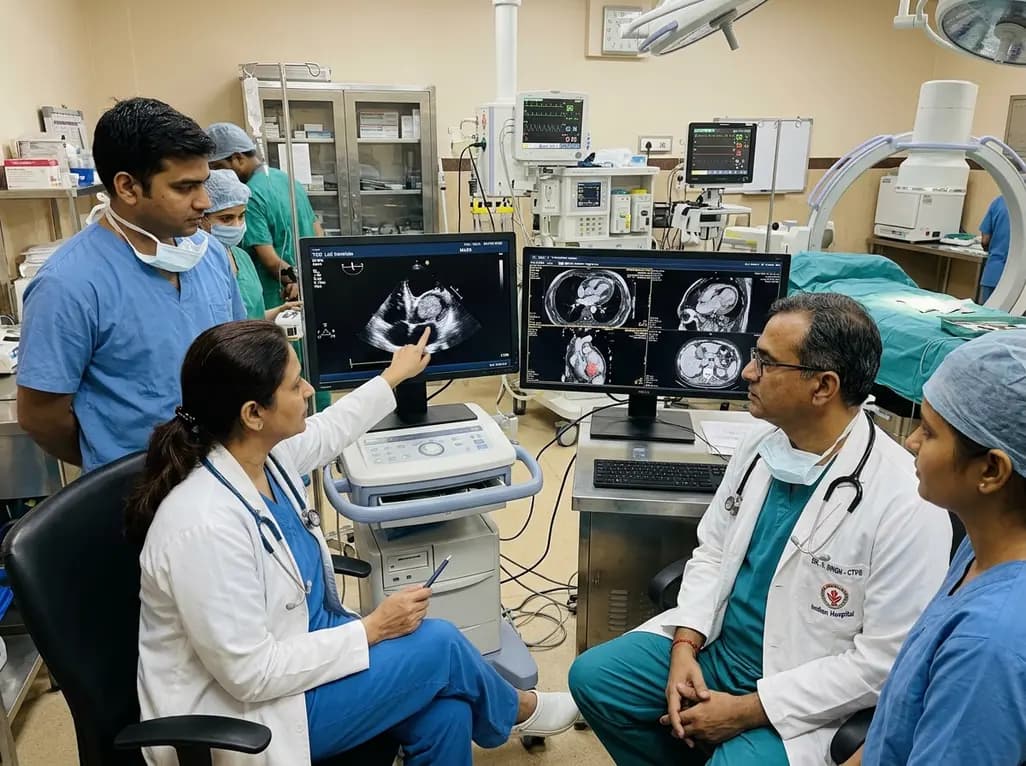
A rare case of an asymptomatic left ventricular hemangioma highlights the vital role of multimodal imaging in differentiating vascular tumors from thrombus. Complete surgical resection under transesophageal echocardiography guidance prevents thromboembolism and delivers optimal outcomes.
Today

A landmark study evaluates long-term quality of life in adolescents and adults with brachial plexus birth injury. Severe functional limitation and limited access to care significantly worsen outcomes, underscoring the urgent need for persistent, multidisciplinary management across adult healthcare transitions.
Today

An analysis of 1,000 posts by macro- and mega-influencers on Instagram and TikTok revealed that 78.5% contained nutrition misinformation, while only 24% of creators held valid credentials. This article examines the clinical risks of viral dietary fads and provides actionable guidance for healthcare professionals.
Today
