

Loading, please wait...
Loading, please wait...

Digital platforms have reshaped how modern society consumes dietary information and wellness advice. Millions of individuals now consult algorithm-driven social feeds rather than licensed healthcare providers. Unfortunately, pervasive nutrition misinformation dominates these visual ecosystems, threatening population-level metabolic health. While digital media offers educational reach, unregulated content creators frequently broadcast deceptive claims to trusting audiences. For practicing physicians and clinical dietitians, navigating these pervasive myths represents a major clinical challenge. Therefore, understanding the mechanics of digital dietary falsehoods is critical for optimizing patient outcomes and restoring evidence-based clinical guidance.
Recent empirical research paints a disturbing picture of health communication across prominent social media channels. In an extensive evaluation of content from top macro- and mega-influencers on Instagram and TikTok, investigators discovered that 78.5% of analyzed posts contained false or misleading nutrition claims. These influential creators command enormous followings, broadcasting unsubstantiated advice to tens of millions of users daily. Furthermore, proprietary platform algorithms prioritize sensationalism, emotional outrage, and conflict over scientific accuracy. Consequently, provocative dietary declarations routinely gain greater visibility than nuanced, peer-reviewed nutritional science.
Moreover, this algorithm-driven exposure normalizes unscientific habits among vulnerable consumers. Users encounter repetitive assertions advocating severe caloric deprivation, unverified herbal concoctions, and miraculous metabolic resets. In many instances, influencers oversimplify complex biochemical pathways to pitch immediate cures for systemic ailments. Therefore, patients increasingly enter medical consultations holding rigid, unscientific convictions regarding food and metabolism. When viral algorithms prioritize engagement metrics over physiological accuracy, digital platforms transform into engines of public health confusion.
A key driver of online nutritional inaccuracy is the conspicuous absence of authentic professional qualifications among viral influencers. Evidence reveals that only 24% of influential nutrition creators possess verified credentials from accredited academic institutions. Instead, many creators cite questionable certificates obtained from unaccredited, commercial online programs that lack standardized clinical training. These unvetted certifications grant individuals an unearned veneer of scientific authority. Consequently, untrained creators frequently dispense clinical recommendations without comprehending the biochemical risks they impose on naive followers.
Furthermore, pervasive financial conflicts of interest compound this credentialing crisis. Content creators routinely monetize their digital platforms by promoting branded dietary supplements, detox teas, and commercial meal plans. Because these creators operate outside statutory healthcare regulations, they face virtually no penalties for making fraudulent therapeutic claims. In contrast, licensed dietitians and medical doctors must adhere to strict ethical guidelines prohibiting false commercial promises. As a result, commercialized influencers continue to exploit algorithmic reach, monetizing public insecurity while actively undermining legitimate clinical care.
Deceptive nutrition messaging relies heavily on sophisticated psychological manipulation to captivate audiences. Qualitative analyses reveal that influencers consistently utilize fearmongering, chemophobia, and conspiratorial rhetoric to discredit conventional food sources. For example, creators frequently demonize common ingredients such as seed oils, gluten, and pasteurized milk, asserting falsely that they cause chronic inflammation and cellular damage. Additionally, influencers aggressively promote healthism, an ideology that treats optimal wellness as a personal moral duty. Under this moralized framework, physical illness is portrayed as an individual failure rather than a biological reality.
Simultaneously, content creators advance absolutist dietary doctrines that divide foods into strictly pure or toxic categories. These rigid classifications appeal to individuals seeking quick solutions to complex health concerns. Creators also exploit romanticized naturalistic fallacies, asserting that unrefined or primitive diets possess miraculous therapeutic value. However, these simplistic narratives ignore socioeconomic realities, cultural contexts, and biological diversity. Consequently, vulnerable consumers absorb intense dietary guilt and food anxiety, which often triggers severe eating disturbances and social isolation.
The real-world repercussions of unverified nutritional trends extend directly into medical outpatient departments and acute wards. For instance, patients managing chronic metabolic conditions like type 2 diabetes increasingly discard evidence-based pharmacotherapies in favor of extreme online protocols. Influencers frequently claim that intermittent fasting, alkaline water, or raw food cleanses cure insulin resistance completely. Consequently, treating physicians observe severe diabetic ketoacidosis, unpredictable glycemic fluctuations, and accelerated microvascular end-organ damage among previously stable individuals.
Furthermore, pervasive wellness content directly correlates with rising rates of orthorexia nervosa, especially among adolescent populations. Young patients frequently internalize rigid food avoidance behaviors, resulting in micronutrient deficiencies, hormonal disruptions, and bone mineral density loss. In cardiology clinics, physicians report alarming spikes in LDL cholesterol among individuals adopting extreme high-fat, carnivore diets endorsed by social media personalities. As a result, premature cardiovascular morbidity rises steadily. Therefore, healthcare providers must treat viral dietary claims as serious clinical risk factors rather than benign social trends.
Combatting online dietary misinformation requires healthcare professionals to transform their clinical communication practices. First, doctors should routinely ask nonjudgmental questions regarding patients' social media information sources during consultations. Rather than reacting defensively to patient queries, clinicians must validate curiosities while methodically explaining why extreme online claims lack empirical support. Additionally, clinical practices should provide accessible, culturally relevant dietary brochures that directly refute widespread digital myths. This constructive dialogue fosters patient trust, strengthening therapeutic adherence.
Moreover, medical professionals must establish an active presence across modern digital channels. When certified dietitians and physicians produce concise, engaging video content, they directly counteract pseudoscientific wellness narratives. Professional medical associations should also offer practical digital literacy training to equip clinicians with effective communication techniques. Concurrently, regulatory authorities must enforce strict advertising standards and hold technology companies accountable for promoting deceptive healthcare content. Ultimately, uniting empathetic in-office counseling with assertive digital health advocacy offers the strongest defense against viral nutrition falsehoods.
Clinicians should routinely incorporate open-ended nutritional inquiries during patient interviews. When individuals present with rigid dietary restrictions, unverified supplement regimens, or unrealistic expectations of rapid cure, providers should explore their digital information sources. By evaluating whether patients follow social media trends rather than scientific guidelines, clinicians can gently address unsubstantiated advice. This proactive dialogue establishes therapeutic trust while guiding patients toward evidence-based dietary behaviors.
Social media algorithms maximize user engagement, metric retention, and watch time by prioritizing sensational and emotionally provocative content. Consequently, posts that exploit fear, promote miracle weight-loss solutions, or vilify common ingredients generate rapid shares and heated comments. In contrast, nuanced, evidence-based nutrition science rarely triggers high emotional arousal. Therefore, commercial algorithms inadvertently amplify alarming dietary misinformation while burying accurate, peer-reviewed dietary advice beneath viral commercial trends.
Regulatory bodies worldwide, including the Advertising Standards Council of India, have introduced mandatory disclosure rules for digital health influencers. Under these frameworks, creators must transparently disclose commercial endorsements and possess verified professional qualifications before issuing medical or nutritional advice. However, enforcement remains challenging across millions of short-form videos. Consequently, medical associations advocate for stricter platform accountability and algorithmic transparency to prevent harmful commercial health fraud from reaching vulnerable consumers.
Disclaimer: This content is for informational and educational purposes only... Refer to the latest local and national guidelines for clinical practice.
References

Read summarized clinical updates, watch expert medical content, and earn CME certifications right from your smartphone.
Open your smartphone camera to scan and install.





An analysis of 1,000 posts by macro- and mega-influencers on Instagram and TikTok revealed that 78.5% contained nutrition misinformation, while only 24% of creators held valid credentials. This article examines the clinical risks of viral dietary fads and provides actionable guidance for healthcare professionals.
Today

The GESS-AEEM consensus establishes a clear clinical implementation framework for testosterone therapy in postmenopausal women with hypoactive sexual desire disorder, focusing on transdermal dosing, precise laboratory monitoring, and safety communication.
Yesterday
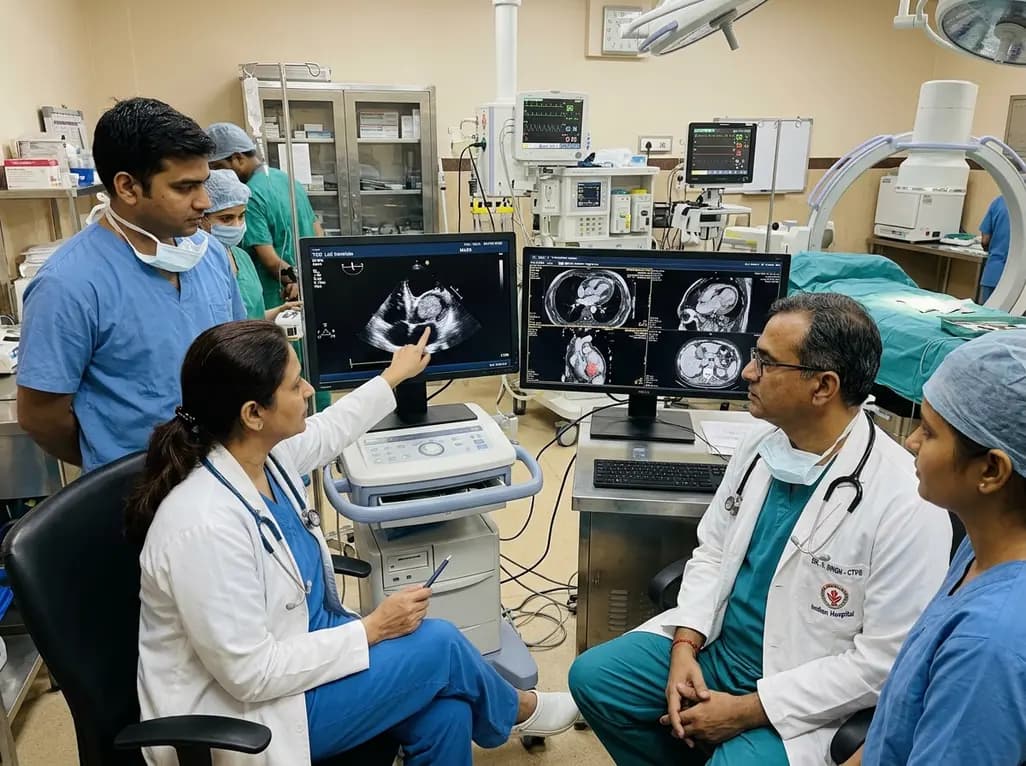
A rare case of an asymptomatic left ventricular hemangioma highlights the vital role of multimodal imaging in differentiating vascular tumors from thrombus. Complete surgical resection under transesophageal echocardiography guidance prevents thromboembolism and delivers optimal outcomes.
Today

Intervertebral disc degeneration is a primary driver of chronic low back pain. Emerging evidence highlights reactive oxygen species and redox imbalance as central mechanisms. Targeted antioxidant strategies and biomaterial delivery systems offer promising disease-modifying therapies for spine health.
Today

A prospective UK Biobank study of 118,724 adults reveals that high dietary anthocyanidin intake reduces incident autoimmune hypothyroidism risk by 25%. Multi-omic data link these flavonoids to improved lipidomic profiles and reduced inflammation, highlighting promising nutritional strategies for thyroid health.
Today
