.webp&w=384&q=75)

Loading, please wait...
Loading, please wait...

Recent clinical evidence highlights that sarcopenia in lipedema is a significant but often overlooked complication in women with progressive adipose tissue disorders. Although lipedema primarily involves disproportionate fat accumulation, its impact on skeletal muscle health is profound. Consequently, identifying muscle loss early is essential for maintaining mobility and quality of life in these patients.
A cross-sectional observational study recently evaluated 48 women diagnosed with lower-extremity lipedema. These participants had a mean age of 47.2 years and an average BMI of 33.0 kg/m². Researchers utilized ultrasonographic rectus femoris thickness and handgrip strength to assess muscle integrity. Furthermore, they measured physical performance through the Five Times Sit-to-Stand Test and walking speed assessments.
The study results revealed that sarcopenia affected 33.3% of the participants. Moreover, 14.6% of these women were classified as having severe sarcopenia. Patients identified with this condition exhibited significantly lower rectus femoris thickness compared to those without it. This finding suggests that chronic adipose inflammation may directly contribute to localized muscle atrophy.
Functional limitations were also highly evident among the sarcopenic group. Specifically, these women demonstrated a much slower walking speed and reduced leg strength. This decline in mobility highlights the clinical necessity of screening for muscle dysfunction during routine lipedema assessments. Therefore, clinicians should look beyond fat volume and focus on preserving functional capacity. Additionally, resistance training and nutritional support should be tailored to the patient's specific disease stage.
In the Indian clinical context, distinguishing lipedema from general obesity is vital. Many patients may be misdiagnosed, leading to ineffective weight-loss strategies that do not address underlying muscle weakness. However, implementing targeted rehabilitation can help mitigate these risks. Ultimately, a multidisciplinary approach is required to manage the complex interplay between adipose expansion and muscle loss.
Research indicates that approximately 33.3% of women with lipedema may also suffer from sarcopenia, with nearly 15% experiencing severe muscle loss.
Sarcopenia in these patients leads to reduced muscle thickness in the thighs and a significant decrease in walking speed, which can impair overall mobility and daily activities.
Disclaimer: This content is for informational and educational purposes only. It does not constitute professional medical advice, diagnosis, or treatment. Always seek the advice of your physician or other qualified healthcare provider with any questions you may have regarding a medical condition. Refer to the latest local and national guidelines for clinical practice.
References
Ozbek IC et al. Prevalence of sarcopenia and its functional correlates in women with lower-extremity lipedema: A cross-sectional observational study. Phlebology. 2026 May 08. doi: 10.1177/02683555261451570. PMID: 42102393.
Beltran K, Herbst KL. New Characterization of Lipedema Stages: Focus on Pain, Water, Fat and Skeletal Muscle. nih.gov. 2025.
Lipedema Foundation. First Look Report on Lipedema Prevalence and Comorbidities. 2025.

Read summarized clinical updates, watch expert medical content, and earn CME certifications right from your smartphone.
Open your smartphone camera to scan and install.





A cross-sectional study identifies a 33.3% prevalence of sarcopenia in women with lipedema, correlating with reduced muscle thickness and slower walking spe...
5 months ago
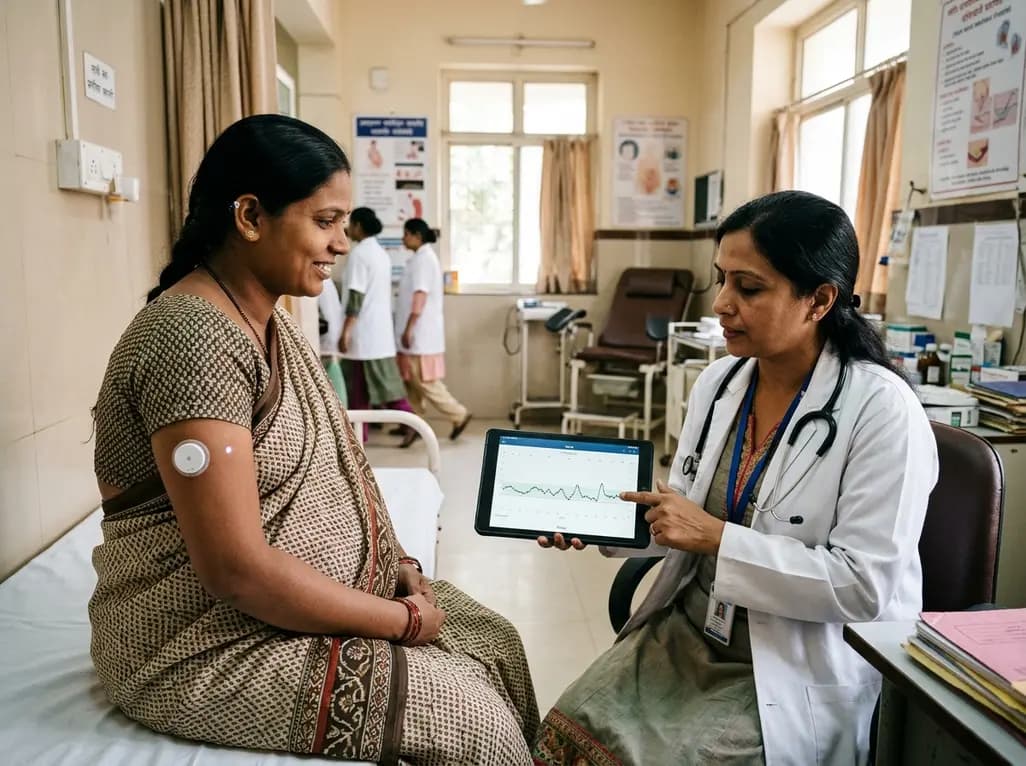
A prospective multicenter trial demonstrates that a 15-day factory-calibrated continuous glucose monitoring system provides high analytical accuracy (MARD ~7.7%) and safety in pregnant women with gestational diabetes mellitus.
Today

Recent research reveals distinct protein secretion profiles and morphometric shifts between euploid and aneuploid human blastocysts cultured in an advanced 3D endometrial platform, opening new avenues for non-invasive embryo assessment.
Today
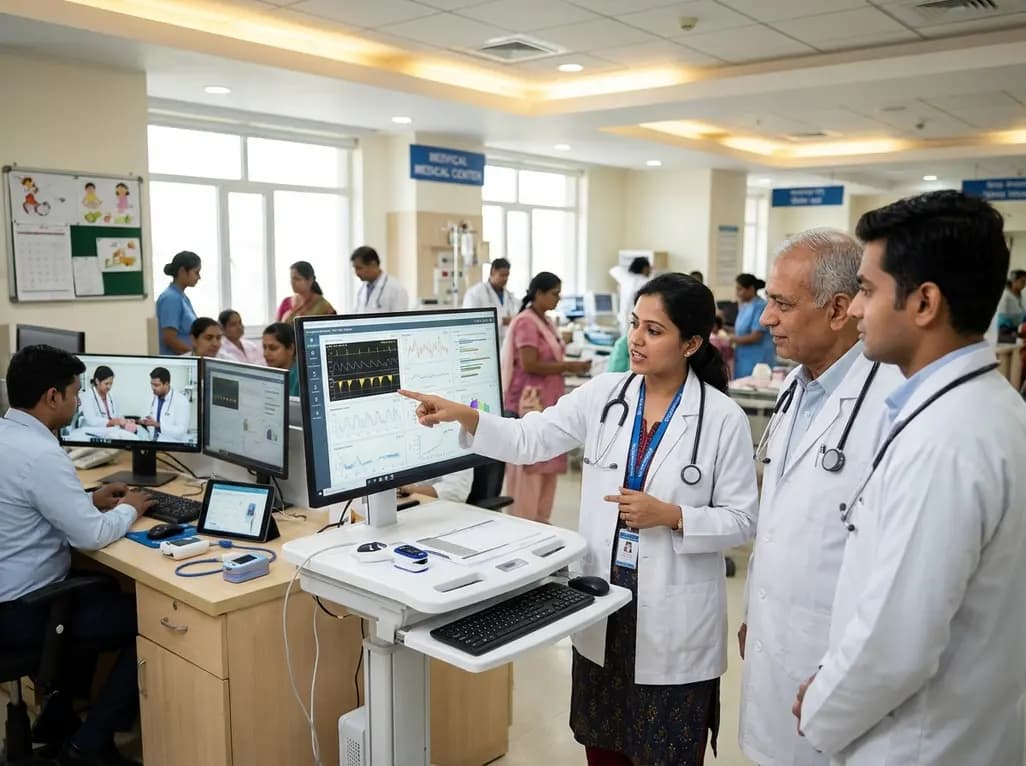
A landmark study details how an enterprise pediatric remote patient management model expanded from a single cardiology pilot to 16 diverse specialty programs by combining centralized digital operations with specialty clinical leadership.
Yesterday
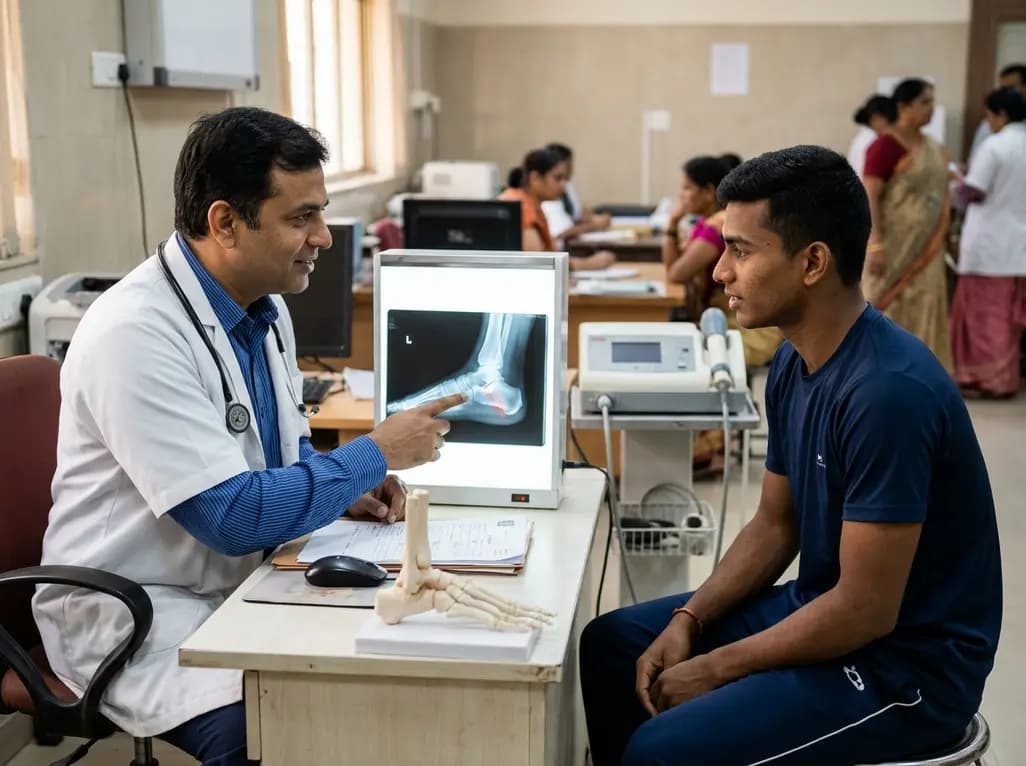
A collegiate hurdler with a 2-year neglected Degan type III anterior process calcaneus fracture achieved complete pain resolution and bony bridging using focused extracorporeal shock wave therapy, returning to competition without invasive surgery.
Today
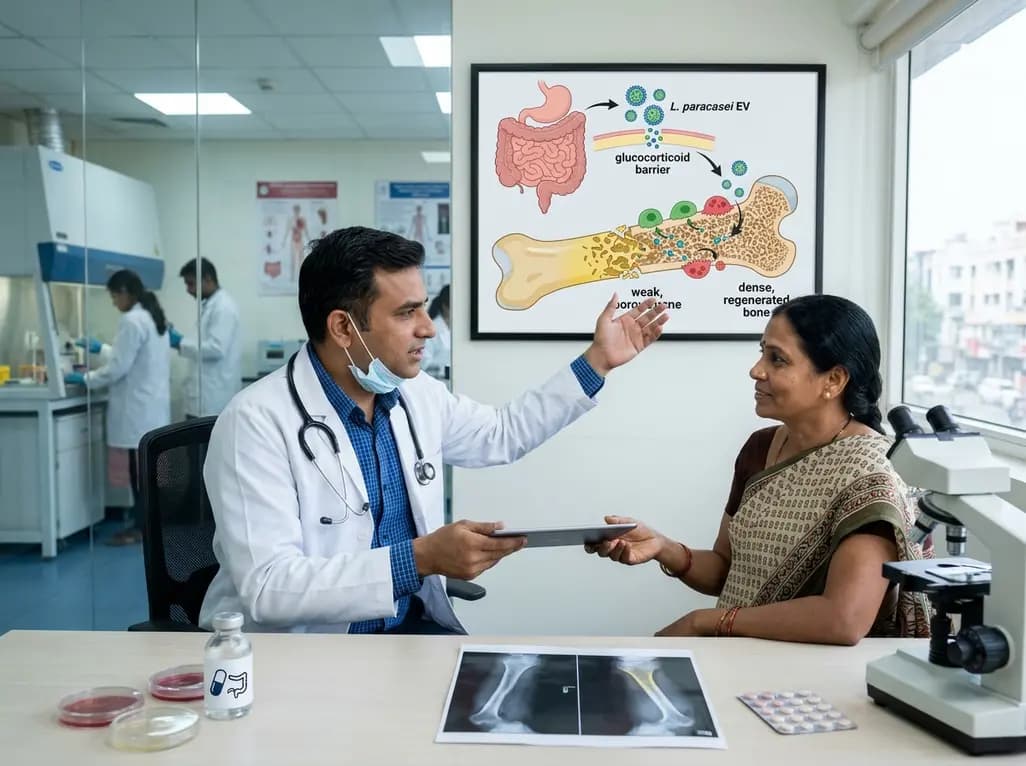
A novel oral nanoplatform using Lacticaseibacillus paracasei-derived extracellular vesicles delivers alendronate, reversing glucocorticoid-induced bone loss and restoring gut-immune-bone homeostasis.
Today
