

Loading, please wait...
Loading, please wait...

Gestational diabetes mellitus creates considerable maternal-fetal risks, because hyperglycemia promotes macrosomia, preeclampsia, and preterm delivery. Consequently, maintaining optimal maternal glycemic control is essential during antenatal care. Emerging clinical evidence indicates that utilizing CGM in gestational diabetes provides real-time insights that intermittent capillary fingersticks cannot match. A prospective multicenter trial evaluated a factory-calibrated continuous glucose monitoring system across fifteen days, demonstrating excellent clinical accuracy and safety in pregnancy.
Managing glycemic fluctuations during pregnancy presents significant clinical challenges. Maternal insulin resistance rises progressively during the second and third trimesters, which provokes pronounced postprandial glucose surges. Conventional fingerstick self-monitoring captures only intermittent static measurements across the day. Therefore, it frequently misses asymptomatic nocturnal hypoglycemia as well as post-meal glycemic spikes. Unchecked maternal hyperglycemia drives excess fetal insulin production, accelerating fetal fat accumulation and delivery complications.
Furthermore, frequent capillary blood sampling places substantial emotional and physical stress on expectant mothers. Many pregnant women find repetitive finger punctures painful and disruptive, which diminishes testing compliance. In contrast, continuous glucose sensors deliver real-time data, trend arrows, and automated threshold alerts. These dynamic tools empower patients to make timely lifestyle adjustments. In addition, obstetricians and diabetologists gain access to complete ambulatory glucose profiles for precise treatment titration. By addressing glycemic swings promptly, clinicians can reduce neonatal intensive care admissions, large-for-gestational-age births, and hypertensive disorders. Recent trials show that continuous monitoring optimizes perinatal metabolic health, making sensor technology an invaluable asset in obstetric medicine.
To assess sensor reliability in pregnancy, investigators conducted a prospective, multicenter, open-label trial. The trial enrolled sixty pregnant women across specialized medical centers. Notably, ninety-five percent of the cohort had gestational diabetes mellitus, while pre-existing type 1 diabetes represented three point three percent and type 2 diabetes accounted for one point seven percent. This composition closely mirrors real-world obstetric cohorts where gestational diabetes constitutes the vast majority of pregnancy hyperglycemia cases.
Each participant wore two continuous glucose sensors simultaneously, with one sensor applied to each upper arm for up to fifteen days. Researchers obtained paired venous reference blood values using a clinical Biosen C-line GP+ analyzer. This rigorous setup permitted direct comparisons between interstitial glucose data and reference laboratory measurements. Over fifteen days, investigators gathered two thousand nine hundred and one matched sensor-reference data pairs. Specifically, left-arm sensors contributed one thousand four hundred and fifty-one pairs, whereas right-arm sensors generated one thousand four hundred and fifty pairs. Consequently, the study provided comprehensive, high-density analytical evidence evaluating sensor accuracy, reproducibility, and bilateral arm performance.
The trial demonstrated remarkable analytical accuracy across primary clinical endpoints. Specifically, the overall mean absolute relative difference reached seven point seventy-two percent for left-arm sensors and seven point sixty-six percent for right-arm sensors. In clinical diabetes technology, a mean absolute relative difference below ten percent indicates superior analytical precision. Thus, these findings verify that the sensor performs accurately within the tight physiological targets mandated in antenatal care.
Additionally, the investigators examined the standardized twenty-twenty agreement rate. This metric defines the percentage of sensor values falling within twenty percent of venous reference values at glucose levels above one hundred milligrams per deciliter, or within twenty milligrams per deciliter at lower levels. The left-arm sensors achieved a twenty-twenty agreement rate of ninety-six point six percent, while the right-arm sensors achieved ninety-six point eight percent. DTS error grid analysis showed that nearly all readings fell within clinically acceptable zones A and B. Crucially, sensor performance remained stable across both arms throughout the fifteen-day duration. These results prove that factory calibration provides dependable data without requiring capillary fingerstick calibrations.
Beyond analytical precision, clinical implementation of digital wearable devices depends heavily on patient comfort and safety. Pregnant women frequently experience heightened skin sensitivity, peripheral fluid retention, and altered microcirculation, which can undermine sensor adhesion. Fortunately, the trial recorded no serious adverse device-related reactions or severe skin complications across the fifteen-day study window.
Participants tolerated upper-arm placement extremely well, reporting minimal insertion discomfort and low adhesive irritation. Moreover, the factory-calibrated design removed the burden of performing multiple daily fingerstick calibrations. Expectant mothers often face substantial fatigue while balancing prenatal appointments, diet records, and capillary testing. Therefore, passive, continuous tracking improves monitoring compliance and supports positive lifestyle changes. Participants also appreciated real-time directional trend arrows, which helped them connect specific meals with immediate glucose excursions. Consequently, the sensor proved safe, physically unobtrusive, and easy to use during pregnancy. Clinicians can confidently recommend these factory-calibrated systems without fearing significant contact dermatitis, premature sensor detachment, or excessive patient distress.
Continuous glucose monitoring yields actionable data that standard laboratory tests cannot provide. International guidelines recommend maintaining maternal glucose levels between sixty-three and one hundred and forty milligrams per deciliter for over seventy percent of the day. Concurrently, clinicians aim to keep time above range below twenty-five percent and minimize hypoglycemia below four percent.
Because the factory-calibrated system maintained a mean absolute relative difference below eight percent, clinicians can confidently rely on its readings to guide nutrition therapy, physical activity, and medical treatment. For example, when postprandial excursions persist following carbohydrate intake, physicians can promptly adjust diet plans or initiate pharmacotherapy. Similarly, continuous trend arrows alert patients to impending hypoglycemia, enabling timely carbohydrate ingestion. Furthermore, digital data sharing allows multidisciplinary teams to review ambulatory glucose profiles remotely between prenatal consultations. This proactive approach prevents sustained fetal exposure to maternal hyperglycemia, thereby reducing risks of neonatal hypoglycemia, macrosomia, and childhood metabolic complications.
The findings of this multicenter trial provide strong clinical support for expanding continuous monitoring in obstetric care. Historically, clinicians used continuous sensors primarily in pregnant women with type 1 diabetes due to established protocols. However, gestational diabetes affects a much larger population and contributes significantly to adverse pregnancy outcomes.
Therefore, validating a 15-day factory-calibrated sensor with sub-eight-percent mean absolute relative difference represents an important step forward. Obstetricians and diabetologists can deploy continuous sensors knowing they deliver precise, dependable measurements. In high-volume clinics and resource-conscious healthcare systems, reliable sensors can also reduce unnecessary hospital visits. In addition, digital logs enhance telemedicine consultations and facilitate individualized patient counseling. As clinical guidelines evolve, continuous glucose monitoring is positioned to become a central component of gestational diabetes management. Ultimately, continuous data empowers clinicians and mothers to achieve strict glycemic goals safely, optimizing both maternal and neonatal health.
Factory calibration eliminates the requirement for painful daily capillary fingerstick tests to calibrate the sensor. This feature significantly enhances maternal compliance and eliminates user calibration errors, which can compromise reading accuracy. Furthermore, factory-calibrated sensors operate reliably immediately after warm-up. Pregnant women receive continuous, accurate glucose readings with minimal daily interruption, which reduces diabetes-related stress and allows them to focus effectively on dietary management and prenatal health.
Continuous glucose monitoring provides rich real-time trend data that static fingerstick tests miss, substantially reducing the daily need for skin pricks. However, clinicians still advise confirmatory capillary blood tests if sensor readings do not match clinical symptoms, or during sudden rapid glycemic swings. In addition, fingersticks remain necessary if sensor displacement occurs or when managing acute hypoglycemic episodes before adjusting insulin dosages.
International obstetric consensus guidelines recommend that pregnant women maintain their interstitial glucose levels between sixty-three and one hundred and forty milligrams per deciliter for greater than seventy percent of the day. Additionally, clinicians aim to keep time above range below twenty-five percent and restrict maternal hypoglycemia below sixty-three milligrams per deciliter to under four percent, thereby minimizing adverse perinatal risks such as fetal macrosomia and neonatal hypoglycemia.
Disclaimer: This content is for informational and educational purposes only and should not be considered medical advice. Always consult a qualified healthcare professional regarding any medical condition or treatment. Refer to the latest local and national guidelines for clinical practice.
References

Read summarized clinical updates, watch expert medical content, and earn CME certifications right from your smartphone.
Open your smartphone camera to scan and install.





A prospective multicenter trial demonstrates that a 15-day factory-calibrated continuous glucose monitoring system provides high analytical accuracy (MARD ~7.7%) and safety in pregnant women with gestational diabetes mellitus.
Today
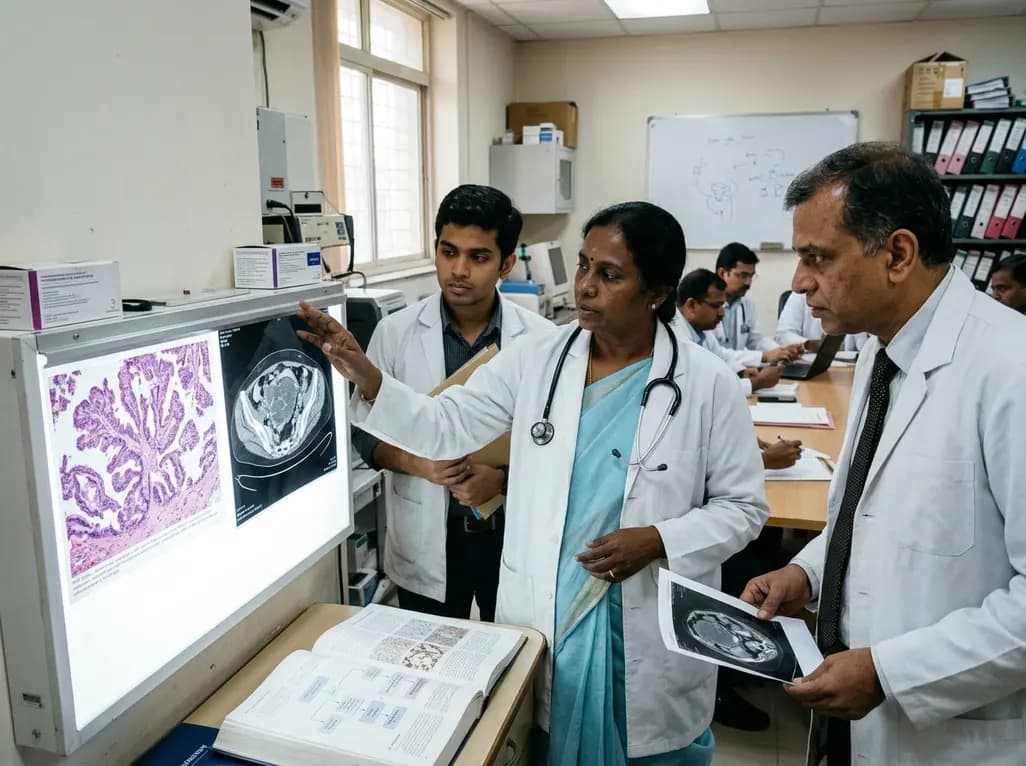
A rare presentation of cervical villoglandular adenocarcinoma metastasizing to the ovary mimicked a borderline ovarian tumor. Multimodal testing with immunohistochemistry and HPV16 DNA confirmed metastatic origin, guiding optimal surgical and chemoradiotherapy intervention.
Today
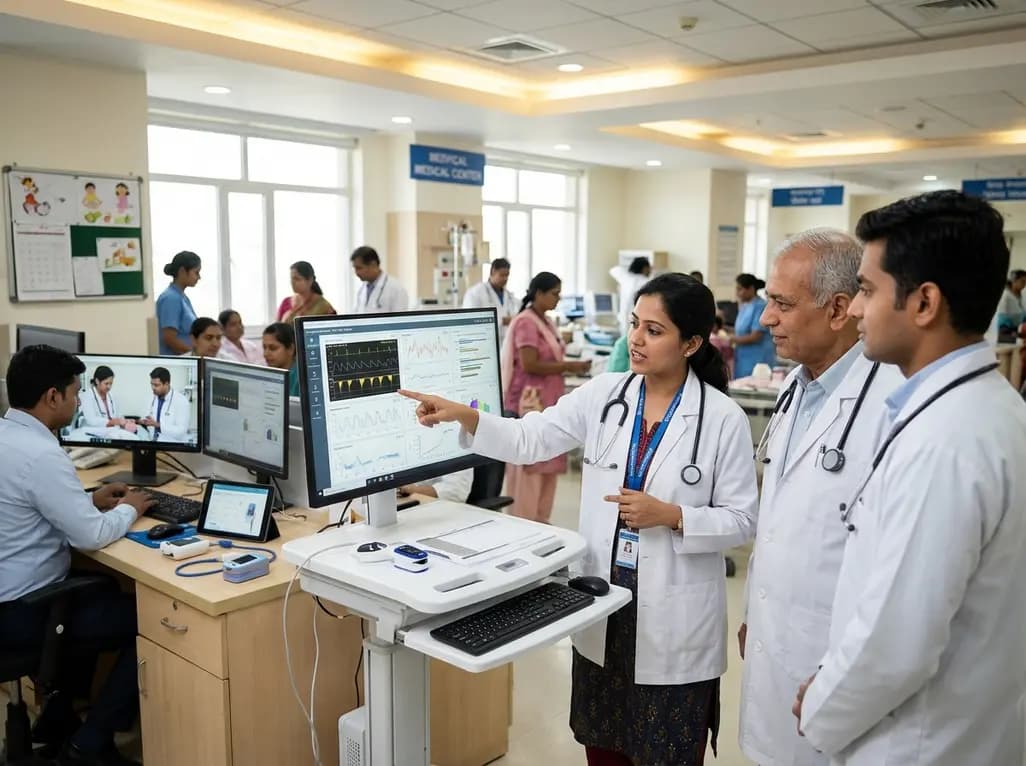
A landmark study details how an enterprise pediatric remote patient management model expanded from a single cardiology pilot to 16 diverse specialty programs by combining centralized digital operations with specialty clinical leadership.
Yesterday
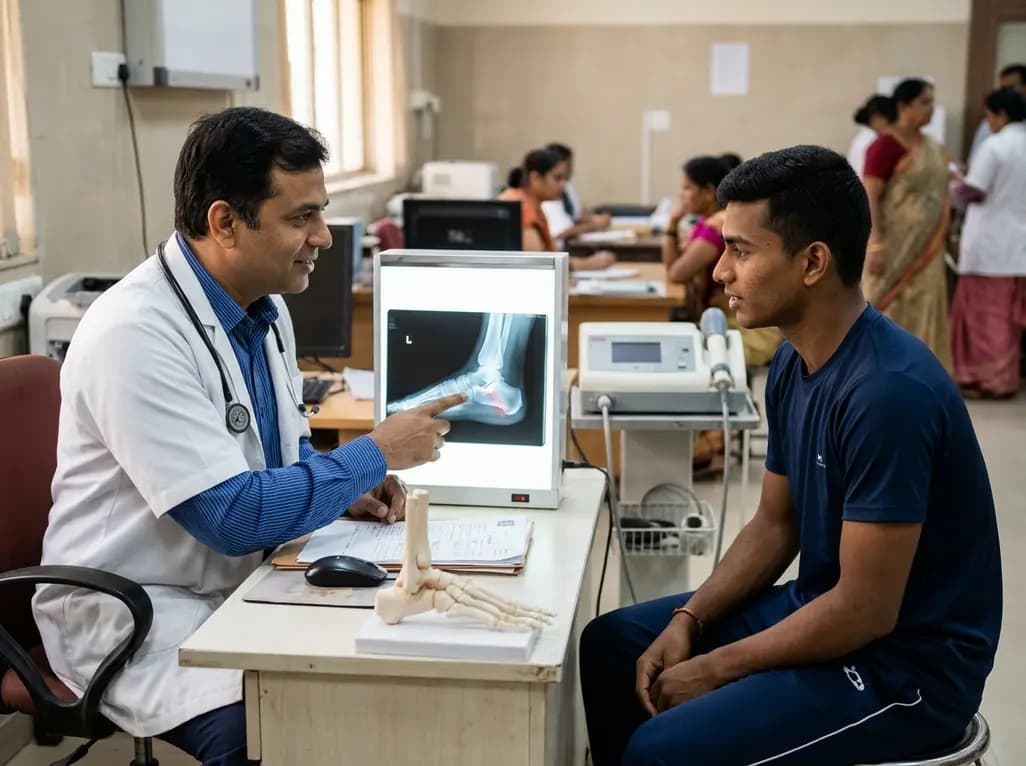
A collegiate hurdler with a 2-year neglected Degan type III anterior process calcaneus fracture achieved complete pain resolution and bony bridging using focused extracorporeal shock wave therapy, returning to competition without invasive surgery.
Today
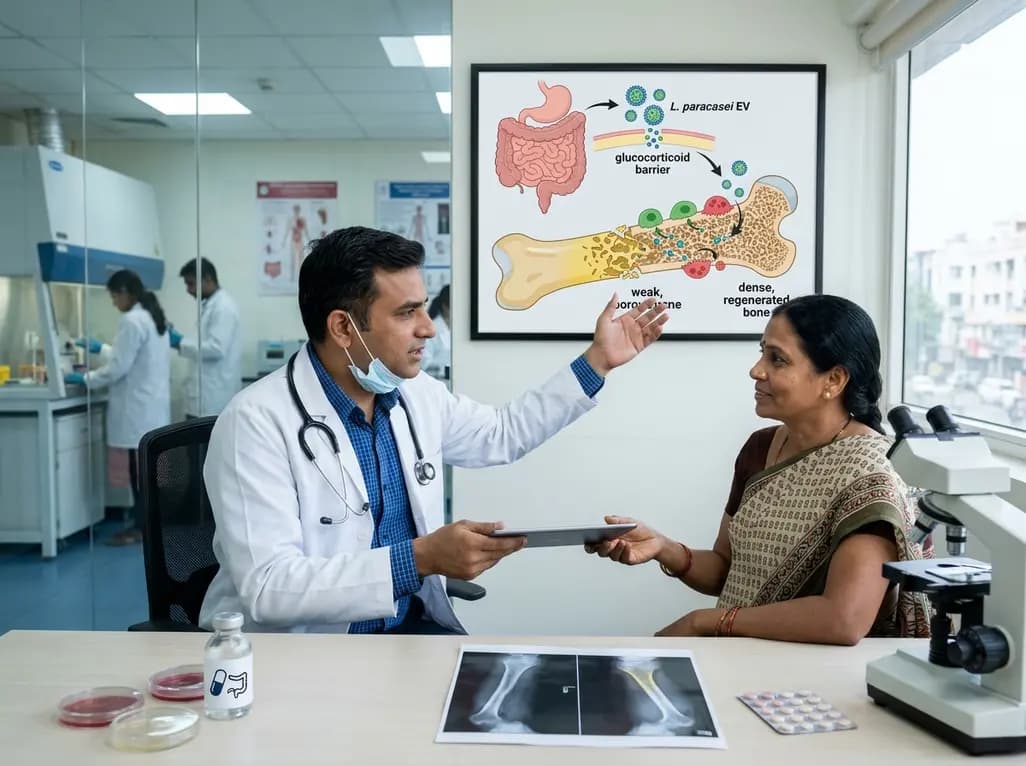
A novel oral nanoplatform using Lacticaseibacillus paracasei-derived extracellular vesicles delivers alendronate, reversing glucocorticoid-induced bone loss and restoring gut-immune-bone homeostasis.
Today
