

Loading, please wait...
Loading, please wait...

Glucocorticoids serve as the cornerstone of anti-inflammatory and immunosuppressive therapies worldwide. However, chronic therapy frequently triggers glucocorticoid-induced osteoporosis, precipitating rapid bone microarchitectural deterioration and elevated fracture vulnerability. Although oral bisphosphonates represent the standard first-line treatment, severe mucosal irritation and extremely low gastrointestinal bioavailability restrict their long-term clinical utility. Furthermore, prolonged steroid exposure disrupts gut microbial diversity and drives systemic immune dysregulation. Consequently, modern rheumatology and endocrinology demand therapeutic strategies that restore skeletal strength while actively rehabilitating intestinal and immune balance.
Prolonged glucocorticoid administration alters skeletal homeostasis through several interconnected pathological pathways. Most notably, high-dose steroids stimulate osteoblast and osteocyte apoptosis while concurrently extending osteoclast survival. Glucocorticoids directly suppress Wnt/beta-catenin signaling, which profoundly diminishes osteogenic lineage differentiation in bone marrow stromal cells. In addition, glucocorticoids impair active duodenal calcium absorption and increase renal calcium wasting. Therefore, patients experience progressive loss of trabecular microarchitecture, often within the initial months of starting therapy. Beyond these direct skeletal insults, emerging evidence reveals that chronic steroid exposure severely disrupts the delicate intestinal mucosal barrier. As a result, microbial dysbiosis develops, marked by an excessive expansion of pathogenic bacteria such as Proteobacteria. This intestinal imbalance triggers the translocation of microbial endotoxins into systemic circulation, sparking chronic low-grade inflammation. Furthermore, elevated inflammatory cytokines augment osteoclastogenesis through enhanced RANKL signaling pathways. Conventional oral bisphosphonates such as alendronate effectively target osteoclasts, but they fail to address underlying gut dysbiosis or immune dysfunction. Consequently, contemporary clinical management requires multimodal interventions capable of decoupling steroid-induced bone breakdown from gut-derived inflammatory cascades.
To resolve these pharmacokinetic and mucosal hurdles, researchers engineered LpEVs@ALN as an innovative biomimetic nanoplatform. Specifically, the team harvested natural extracellular vesicles from Lacticaseibacillus paracasei and loaded them with therapeutic alendronate. These probiotic-derived nanovesicles possess an intrinsic lipid bilayer that maintains membrane integrity across hostile gastrointestinal environments. Under harsh acidic conditions mimicking gastric fluid, the vesicular bilayer shields alendronate from premature degradation and minimizes gastric mucosal contact. Moreover, the formulation demonstrates superior epithelial compatibility, avoiding the severe erosive damage that free bisphosphonates typically produce. Once the nanoplatform encounters the neutral-to-alkaline milieu of the small intestine, it exhibits sustained alendronate release. Therefore, this targeted release profile prevents sudden mucosal saturation while markedly extending local residence time. Furthermore, the outer vesicular components actively interact with intestinal epithelial cells to facilitate cellular uptake. Consequently, LpEVs@ALN overcomes the dismal gastrointestinal bioavailability that historically plagues standard oral alendronate regimens. By merging targeted drug delivery with the inherent biological virtues of beneficial probiotics, this delivery vector provides a sophisticated blueprint for modern oral pharmacotherapy.
At the cellular level, dexamethasone exerts catastrophic inhibitory effects on bone marrow stromal cells. It dramatically represses alkaline phosphatase activity, downregulates runt-related transcription factor 2, and arrests mineralized matrix deposition. However, treatment with LpEVs@ALN systematically rescues these suppressed progenitor cells from glucocorticoid-induced senescence. In experimental assays, the nanocomplex significantly augmented alkaline phosphatase expression, confirming the restoration of early osteogenic commitment. Furthermore, quantitative alizarin red staining demonstrated robust recovery of extracellular matrix mineralization. The nanoplatform outperformed free alendronate across all osteogenic markers, indicating that vesicular packaging confers independent cellular benefits. Mechanistically, probiotic extracellular vesicles deliver specific microRNAs, bioactive lipids, and chaperone proteins that modulate intracellular stress cascades. Consequently, the nanocarrier mitigates dexamethasone-induced oxidative stress and prevents mitochondrial collapse within pre-osteoblasts. In addition, the sustained intracellular release of alendronate dampens aberrant pro-resorptive signaling loops without causing cellular cytotoxicity. Therefore, LpEVs@ALN preserves mesenchymal lineage fidelity and re-establishes healthy osteoblastic function, laying the foundation for durable structural bone regeneration.
To validate physiological efficacy in vivo, investigators evaluated LpEVs@ALN using established zebrafish models of glucocorticoid-induced osteoporosis. Chronic dexamethasone exposure in these models induces severe craniofacial osteopenia, suppresses scale mineral regeneration, and impairs locomotor performance. Remarkably, oral administration of LpEVs@ALN restored cranial bone mineral density and stimulated robust de novo bone synthesis. Furthermore, the treated cohorts exhibited rapid ontogenetic scale regeneration, displaying densely calcified circuli and restored matrix morphology. Systemic evaluation demonstrated that the nanoplatform rebalanced critical bone turnover readouts, notably elevating alkaline phosphatase while suppressing RANKL levels. Moreover, behavioral tracking revealed that treated specimens regained normal shoaling cohesion and swift swimming velocity, reflecting profound functional recovery. In addition, tissue analysis documented a marked decline in systemic oxidative stress indices and malondialdehyde concentrations. These skeletal enhancements significantly surpassed the modest improvements recorded with bare alendronate monotherapy. Thus, systemic bioavailability combined with vesicular bioactive components yields superior structural and biomechanical outcomes under unrelenting glucocorticoid exposure.
The most groundbreaking revelation of the LpEVs@ALN platform lies in its capacity to rehabilitate the gut-immune-bone axis. Deep microbiome sequencing revealed that chronic glucocorticoid administration drastically reduces microbial richness while promoting an overgrowth of opportunistic Proteobacteria. However, oral LpEVs@ALN administration completely restructured the taxonomic landscape, re-establishing microbial richness and restoring protective short-chain fatty acid-producing flora. Concurrently, high-throughput transcriptomic sequencing of regenerating skeletal tissues uncovered widespread reprogramming of inflammatory and osteogenic gene networks. The nanoplatform effectively shut down steroid-driven interleukin-1-beta and tumor necrosis factor signaling cascades, while upregulating pro-osteogenic signaling modules. In addition, integrated correlation analyses definitively tied the enrichment of specific commensal taxa to elevated skeletal mineral content and dampened systemic inflammatory cytokines. Consequently, these findings verify that skeletal health depends intimately on microbial equilibrium and gut mucosal barrier integrity. By simultaneously healing mucosal dysbiosis and suppressing osteoclast-mediated bone breakdown, the nanoplatform achieves true inter-organ synergy, presenting an unprecedented therapeutic paradigm for managing steroid-induced skeletal fragility.
Glucocorticoids compromise the integrity of the intestinal epithelial barrier by disrupting tight junction proteins and reducing protective mucin secretion. Consequently, luminal toxins and bacteria leak across the gut lining, provoking persistent mucosal immune activation. This chronic inflammatory state alters the luminal microenvironment, driving the rapid overgrowth of pathogenic Proteobacteria while depleting beneficial short-chain fatty acid-producing commensals that normally support skeletal and immune homeostasis.
Conventional oral alendronate exhibits extremely low oral bioavailability, with less than one percent absorbed past the intestinal mucosa. Furthermore, unabsorbed drug molecules irritate the gastric and esophageal lining, frequently precipitating chemical esophagitis, severe gastric erosions, and ulceration. Clinicians must enforce strict fasting and upright posture protocols, which ultimately reduces long-term therapeutic compliance among patients who already suffer from complex chronic medical conditions.
Probiotic extracellular vesicles offer distinct biophysical advantages over living probiotic organisms, including enhanced stability, precise dosing control, and zero risk of live-bacterial translocation. Furthermore, these lipid nanovesicles easily withstand gastric acidity and encapsulate hydrophilic therapeutic drugs like alendronate. Consequently, they deliver bioactive bacterial metabolites directly to mucosal and immune cells without provoking systemic bacteremia, rendering them uniquely safe for immunocompromised patients receiving chronic steroid therapy.
Disclaimer: This content is for informational and educational purposes only... Refer to the latest local and national guidelines for clinical practice.
References
Ruan J et al. Probiotic Extracellular Vesicles Enable Oral Alendronate Therapy for Glucocorticoid-Induced Osteoporosis. Adv Healthc Mater. 2026 Oct 25. doi: undefined. PMID: 42926358.
Buckley L, Humphrey MB. 2017 American College of Rheumatology Guideline for the Prevention and Treatment of Glucocorticoid-Induced Osteoporosis. Arthritis Rheumatol. 2017;69(8):1521-1534.
Schepper JD, Collins F, Rios-Arce ND, et al. Involvement of the gut microbiota and barrier function in glucocorticoid-induced osteoporosis. J Bone Miner Res. 2020;35(4):801-815.
Schett G, David JP. The immunosphere of bone: immunological regulation of skeletal biology. Nat Rev Immunol. 2021;21(4):233-247.

Read summarized clinical updates, watch expert medical content, and earn CME certifications right from your smartphone.
Open your smartphone camera to scan and install.





A novel oral nanoplatform using Lacticaseibacillus paracasei-derived extracellular vesicles delivers alendronate, reversing glucocorticoid-induced bone loss and restoring gut-immune-bone homeostasis.
Today

A study in JAMIA Open shows lightweight open-source reasoning LLMs achieve up to 95% sensitivity and accelerate evidence synthesis screening by nearly twentyfold, presenting a cost-effective, scalable AI solution for biomedical research and systematic reviews.
Yesterday
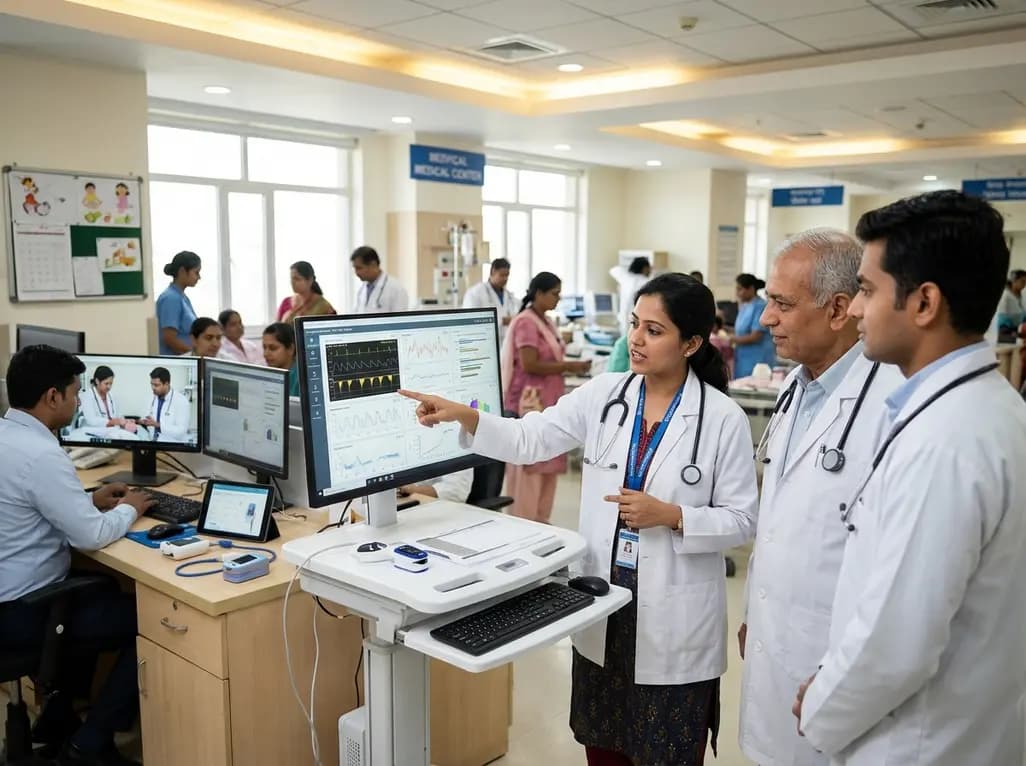
A landmark study details how an enterprise pediatric remote patient management model expanded from a single cardiology pilot to 16 diverse specialty programs by combining centralized digital operations with specialty clinical leadership.
Yesterday

A comparative review of tension band wiring and intramedullary screw fixation in thumb metacarpophalangeal arthrodesis, evaluating union rates, hardware complications, and clinical outcomes.
Yesterday
A real-world trial evaluating a near-infrared spectroscopy noninvasive glucose monitoring device in adults with type 2 diabetes demonstrated a combined MAD/MARD of 16.3 across 2,616 paired readings, highlighting its clinical feasibility.
Today
