.webp&w=384&q=75)

Loading, please wait...
Loading, please wait...
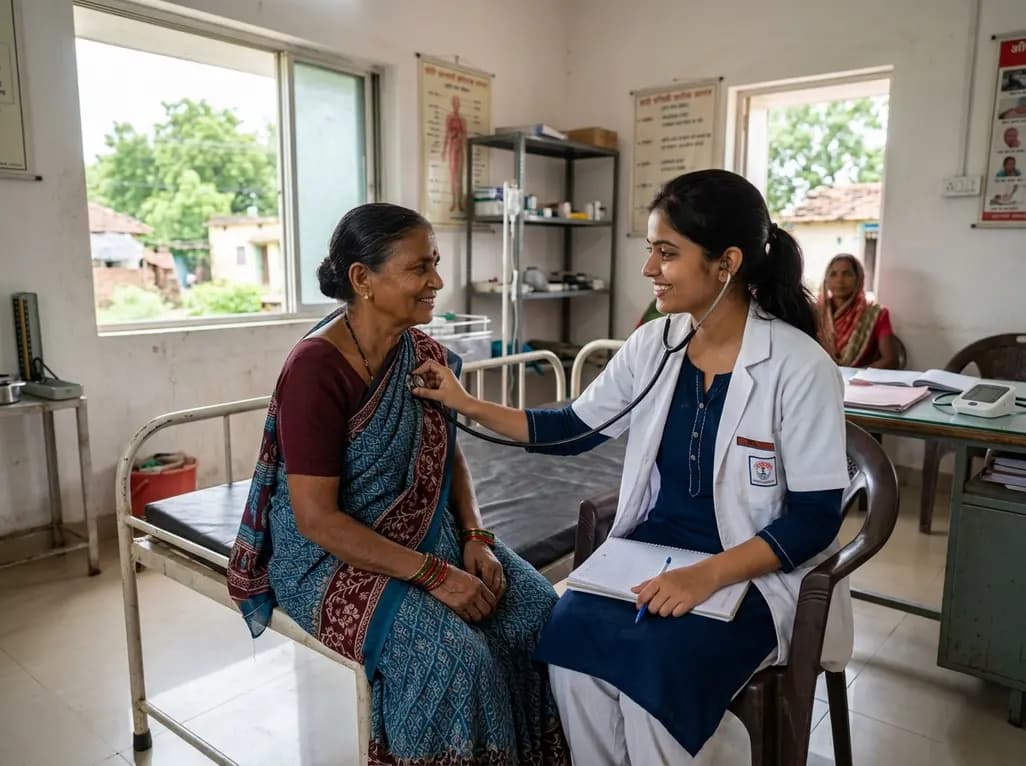
Physician shortages in non-metropolitan regions represent a pressing challenge for global healthcare systems. To tackle this geographical disparity, medical educators increasingly turn toward experiential learning opportunities during undergraduate training. A structured rural clinical clerkship can transform how future doctors view public healthcare facilities and rural practice. A landmark pre-post interventional study evaluated the Public Hospital Clinical Clerkship Program (PHCCP) among clinical medical students in South Korea. The results demonstrated a marked positive shift in student attitudes toward public health careers. Consequently, integrating immersive rural rotations early in medical training provides an effective blueprint for strengthening regional healthcare systems worldwide, including across India's evolving medical education framework.
The geographical maldistribution of healthcare professionals persistently threatens universal health coverage. Urban centers often attract a disproportionate share of medical graduates because they offer perceived professional prestige, advanced diagnostic infrastructure, and greater financial incentives. Conversely, rural and underserved hospitals regularly struggle with chronic understaffing and limited specialist coverage. This imbalance ultimately deepens healthcare inequities between metropolitan and remote populations.
Medical educators recognize that classroom lectures alone cannot dismantle deeply ingrained biases against public sector service. Therefore, early experiential exposure serves as a crucial catalyst for cognitive and professional development. When trainees interact directly with rural communities, they develop empathy and understand the social determinants of health. Moreover, hands-on clinical training in resource-limited environments fosters clinical independence and resourceful decision-making. As a result, a well-structured rural clinical clerkship bridges the gap between theoretical knowledge and community reality. By engaging directly with diverse patient demographics, students gain practical confidence. Furthermore, these immersive experiences dispel misconceptions regarding public hospital infrastructure, demonstrating that rural clinical medicine offers immense personal satisfaction, comprehensive clinical breadth, and profound societal value.
The investigated Public Hospital Clinical Clerkship Program evaluated the impact of a dedicated two-week immersive rotation across underserved public hospitals. The research examined fifth- and sixth-year medical students from five prominent medical schools in South Korea during the 2023 and 2024 academic years. Specifically, the curriculum combined structured clinical observation, direct mentoring from seasoned public hospital physicians, and active engagement with community health outreach initiatives.
Before entering the rural clinical rotation, participants completed detailed baseline surveys measuring their perceptions of public healthcare and their future practice intentions. During the two-week program, mentors provided individualized guidance, demonstrated patient management strategies, and shared personal reflections on rural medical careers. In addition, trainees participated in multidisciplinary community care, observing how regional medical centers coordinate local health interventions. Immediately following program completion, researchers administered post-intervention questionnaires to quantify shifts in student perspectives and overall program satisfaction. The study team used paired t-tests to evaluate pre- and post-clerkship score differences across both participant cohorts. Notably, the program design emphasized active reflection, allowing trainees to reconcile initial apprehensions with real-world clinical practice.
The study yielded statistically significant positive shifts across all evaluated metrics in both academic cohorts. In total, the paired pre- and post-program analyses evaluated 24 students from the 2023 cohort and 36 students from the 2024 cohort. Following their two-week rural clinical rotations, students exhibited significantly increased intentions to work in public hospital settings and non-metropolitan areas.
Furthermore, post-clerkship evaluations revealed substantial improvements in student perceptions of public healthcare quality, workplace culture, and professional value. Trainees reported high satisfaction scores regarding the program structure, particularly commending dedicated physician mentorship and community engagement modules. Initially, many students harbored concerns regarding professional isolation and inadequate clinical support in rural facilities. However, direct interaction with dedicated mentors and appreciative rural patients effectively mitigated these anxieties. Consequently, the experiential learning model successfully altered career trajectories, encouraging future physicians to consider public sector practice as a viable, rewarding pathway. These empirical outcomes confirm that even brief, high-intensity clinical immersions can generate lasting positive attitudes toward public health service.
The findings from this South Korean study offer compelling insights for healthcare policymakers globally, particularly within the Indian healthcare context. India faces comparable workforce distribution challenges, with a severe concentration of specialist physicians in urban tertiary care hubs. Consequently, rural primary health centres, community health centres, and district hospitals frequently encounter acute shortages of skilled medical professionals.
To address this critical gap, the National Medical Commission introduced progressive curricular reforms, such as the compulsory District Residency Programme for postgraduate trainees and the Family Adoption Programme for undergraduate medical students. These initiatives share fundamental pedagogical principles with the South Korean clerkship model. By exposing trainees to community healthcare delivery and district hospital dynamics, these programs dismantle urban-centric biases. Moreover, hands-on clinical exposure in rural India helps students appreciate the unique epidemiological profiles of underserved communities. However, the South Korean findings emphasize that exposure alone is insufficient; high-quality mentorship and structured clinical observation are essential to foster positive attitudes. When health authorities support rural hospitals with adequate teaching faculty and educational resources, students view rural healthcare as an enriching professional environment rather than a compulsory obligation.
To replicate the success of the Public Hospital Clinical Clerkship Program, academic institutions and healthcare authorities must implement structured, supportive educational policies. First, medical curricula should integrate early, non-metropolitan clinical clerkships into core training rather than treating them as optional electives. Early exposure allows students to form positive attitudes before finalizing specialty choices.
Second, institutions must establish formalized faculty development initiatives for rural clinical preceptors. Dedicated mentorship emerged as a decisive factor influencing student satisfaction and career intentions. Therefore, training rural clinicians in effective teaching strategies, constructive feedback, and career counseling will amplify program impact. Third, policymakers should pair educational immersion with tangible practice incentives. Providing modern hospital infrastructure, robust housing accommodations, loan repayment programs, and fast-track career advancement for rural practitioners significantly enhances retention rates. Finally, longitudinal research must monitor whether post-clerkship career intentions translate into long-term rural physician retention. By aligning competency-based medical education with public healthcare priorities, health systems can establish a resilient, equitably distributed medical workforce that serves all segments of society.
A rural clinical clerkship influences medical students by providing direct exposure to community healthcare challenges and positive physician role models. Trainees observe the broad clinical diversity and strong patient-doctor relationships characteristic of rural practice. This hands-on experience dispels misconceptions about professional isolation and resource scarcity. Consequently, students develop greater confidence, professional empathy, and an increased willingness to pursue future careers in underserved public healthcare facilities.
The South Korean study aligns closely with Indian reforms such as the District Residency Programme and Family Adoption Programme introduced by the National Medical Commission. Both approaches emphasize immersive community and district hospital postings to address physician maldistribution. Furthermore, both models demonstrate that structured clinical mentoring and direct community interactions foster greater appreciation for public sector healthcare delivery among emerging medical professionals.
An effective public hospital clerkship requires structured clinical observation, proactive faculty mentorship, and active engagement with community health services. Additionally, host institutions must provide adequate logistical support, including secure accommodations and protected teaching time for preceptors. When programs integrate reflective debriefing sessions and multidisciplinary team exposure, medical students gain a holistic understanding of public healthcare systems and patient care pathways.
Disclaimer: This content is for informational and educational purposes only and should not be considered medical, diagnostic, or legal advice. Refer to the latest local and national guidelines for clinical practice.
References

Read summarized clinical updates, watch expert medical content, and earn CME certifications right from your smartphone.
Open your smartphone camera to scan and install.





A new study reveals that a two-week rural clinical clerkship in public hospitals significantly improves medical students' perceptions of public healthcare and strengthens their career intentions to work in underserved non-metropolitan areas.
4 weeks back

A bioengineered oral nanozyme microsupplement converts pathological ROS into a protective polydopamine hydrogel shield. By curbing neutrophil extracellular traps and balancing T cells, this platform outperforms standard 5-ASA in preclinical colitis models, opening new paths for sustained remission.
Today
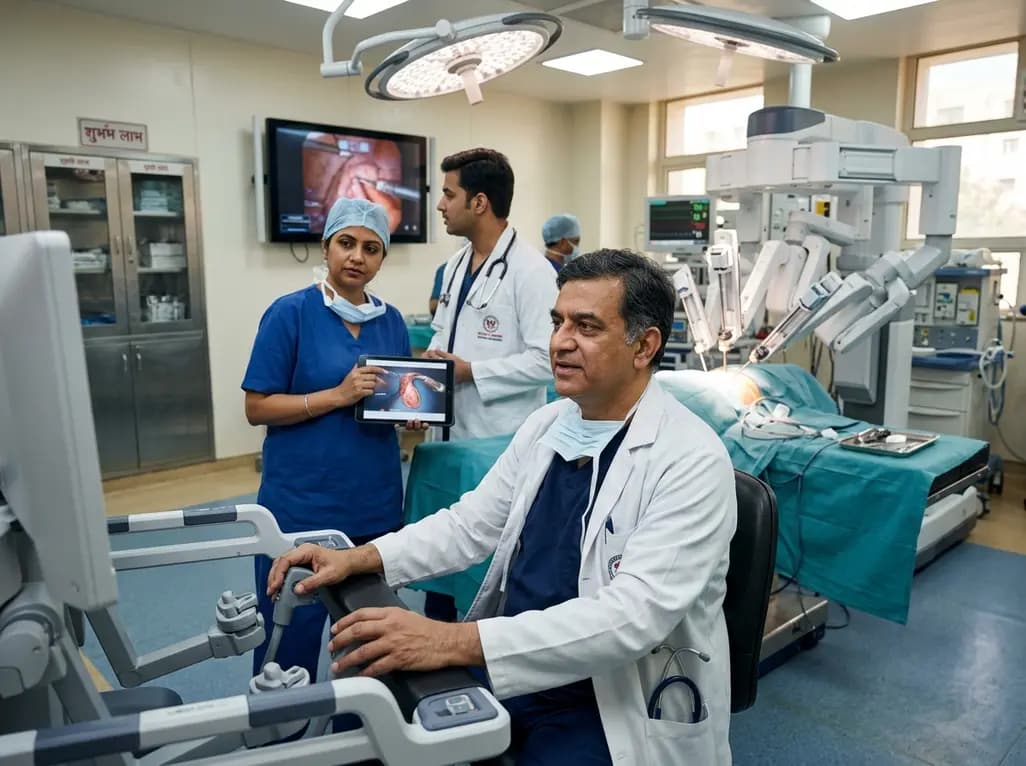
India experiences an exponential rise in robotic-assisted procedures, with Delhi NCR leading system installations and clinical volume. Discover how multidisciplinary surgical adoption, remote telesurgery breakthroughs, and standardized international consensus guidelines are shaping surgical care nationwide.
Today
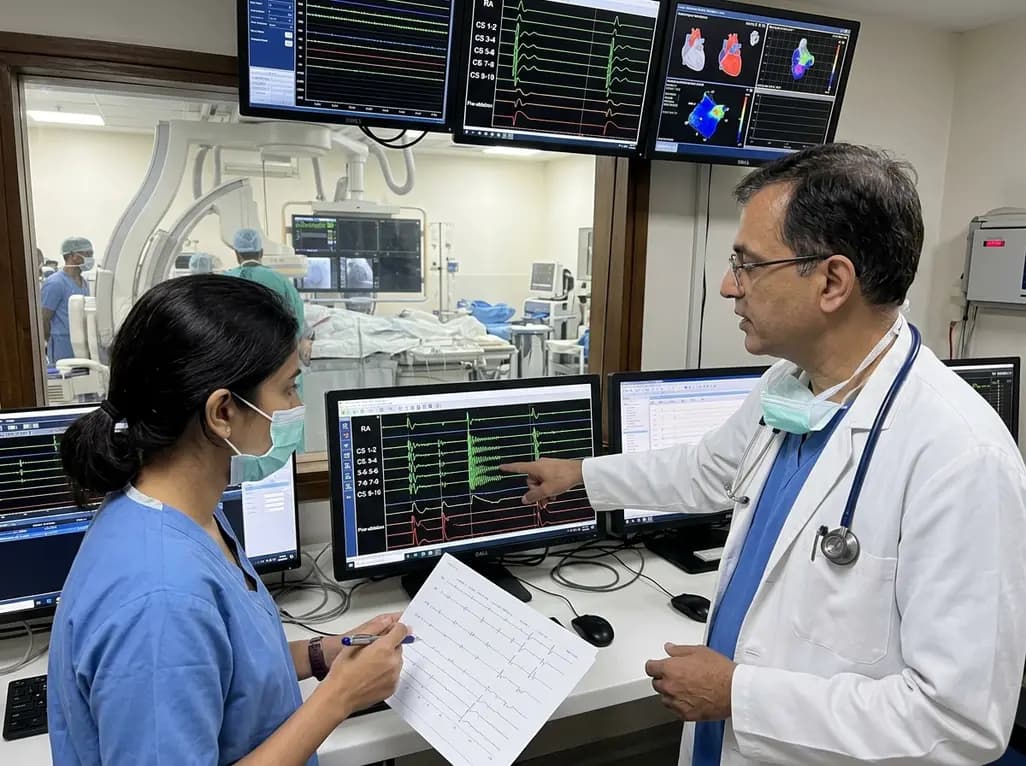
Radiofrequency catheter ablation of the cavotricuspid isthmus successfully terminates typical atrial flutter. This article reviews the mechanisms driving coronary sinus electrogram changes, wavefront activation pathways, and clinical criteria to verify bidirectional block during electrophysiology studies.
Today
A study comparing four knee flexion strength tests after ACL reconstruction using hamstring tendon autografts reveals marked variability in limb symmetry indices. Clinicians must recognize that different strength testing modalities yield divergent return-to-sport clearance rates.
Today
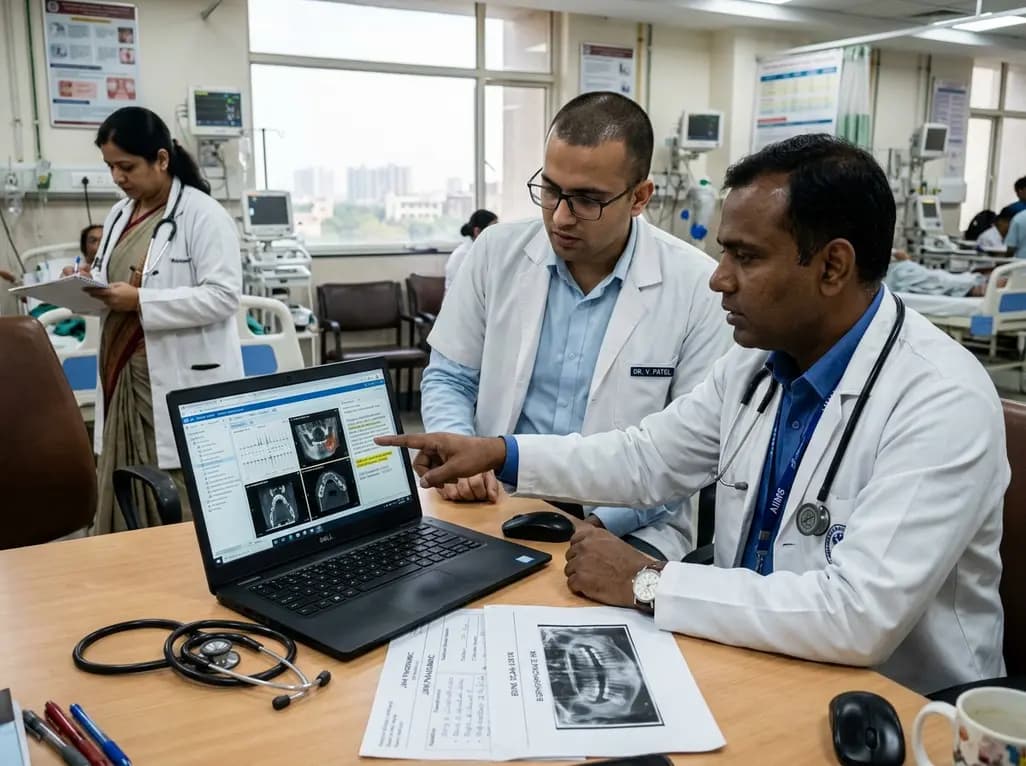
A breakthrough study leverages natural language processing to accurately identify incident medication-related osteonecrosis of the jaw and track antiresorptive drug holidays from clinical narratives in electronic health records, advancing osteoporosis pharmacovigilance and dental safety.
Yesterday
