.webp&w=384&q=75)

Loading, please wait...
Loading, please wait...

Ulcerative colitis presents a formidable clinical challenge characterized by chronic relapsing inflammation and progressive mucosal ulceration. Neutrophil infiltration and excessive reactive oxygen species production represent central hallmarks of active colonic pathology. Although existing therapies offer acute symptomatic relief, sustained maintenance without systemic toxicity remains an unmet need. Recently, researchers developed an innovative oral nanozyme microsupplement designed to provide sustained daily disease control. This biomaterial concurrently scavenges destructive free radicals and halts pathological neutrophil activation in inflamed tissue.
During active ulcerative colitis flares, circulating neutrophils migrate aggressively into the colonic mucosa. Once positioned within the epithelial barrier, these activated immune cells release web-like chromatin structures termed neutrophil extracellular traps. Although these networks initially function to neutralize invading microbes, their uncontrolled extrusion perpetuates extensive tissue necrosis and microvascular thrombosis. Furthermore, excess trap structures trigger severe oxidative stress by stimulating neighboring phagocytes to discharge cytotoxic reactive oxygen species. Consequently, local mucosal defenses collapse, allowing luminal antigens and enteric pathogens to invade deeper submucosal layers. Traditional anti-inflammatory agents frequently fail to suppress this destructive cascade because they primarily target downstream cytokines rather than upstream neutrophil dynamics. In addition, standard oral formulations clear rapidly from the bowel during diarrheal episodes, preventing adequate therapeutic exposure at damaged mucosal sites. Therefore, clinical researchers have long sought targeted platforms capable of selectively silencing neutrophil extracellular traps. By addressing this fundamental driver of mucosal destruction, clinicians could fundamentally shift inflammatory bowel disease treatment toward durable mucosal restitution. Such targeted inhibition could prevent recurrent disease flares and reduce reliance on systemic immunomodulators.
To overcome standard pharmacologic limitations, investigators synthesized an oral nanozyme microsupplement that harnesses local oxidative pathology. Specifically, this platform integrates a cobalt-aluminum layered double hydroxide nanozyme intercalated with the autophagy inhibitor chloroquine and combined with dopamine monomers. When the formulation reaches the inflamed intestinal lumen, the catalase-mimetic layered double hydroxide catalytically converts toxic hydrogen peroxide into molecular oxygen. Importantly, this catalytic reaction simultaneously triggers the in situ polymerization of dopamine into a robust polydopamine hydrogel layer. This newly formed bioadhesive polymer acts as a protective mechanical shield that adheres tightly to denuded colonic mucosa. Because the hydrogel resists rapid peristaltic clearance, it significantly extends the local retention time of the encapsulated therapeutic agents. Furthermore, the oxygen-evolving catalytic cycle rapidly quenches mucosal hypoxia, which typically fuels aggressive inflammatory cascades. As a result, the platform neutralizes local oxidative stress while physically shielding fragile crypt architecture from luminal friction and digestive enzymes. Consequently, this unique bio-responsive mechanism transforms dangerous reactive oxygen species into a therapeutic, self-assembling barrier, providing continuous physical and biochemical protection.
Beyond its surface-protective capabilities, the oral nanozyme microsupplement directly modulates intracellular neutrophil machinery. After reaching the inflamed epithelium, migrating neutrophils efficiently internalize the chloroquine-loaded layered double hydroxide nanoparticles. Transcriptomic profiling via RNA sequencing demonstrates that the internalized chloroquine selectively halts autophagic flux within these granulocytes. Notably, autophagy inhibition upregulates endogenous catalase gene expression and markedly enhances peroxisomal antioxidant function. Consequently, neutrophils replenish their intracellular antioxidant capacity, which effectively suppresses the signaling triggers necessary for trap extrusion. By preventing trap release, the platform curtails the release of cytotoxic histones, myeloperoxidase, and neutrophil elastase into the lamina propria. Furthermore, halting trap generation removes potent damage-associated molecular patterns that continuously stimulate neighboring sentinel cells. Laboratory analyses confirmed that preventing neutrophil extracellular trap formation protected colonic epithelial monolayers from apoptosis and maintained transepithelial electrical resistance. Therefore, the formulation does not merely mask symptoms; instead, it fundamentally reprograms neutrophil inflammatory phenotypes at the molecular level, aborting tissue injury before cellular destruction occurs.
The downstream immunological benefits of suppressing neutrophil extracellular traps extend throughout the gut-associated lymphoid tissue. In inflamed colonic tissue, extracellular traps typically polarize resting macrophages toward an aggressive M1 inflammatory phenotype. However, intervention with the nanozyme platform reduced M1 macrophage polarization significantly from 29.5% to 17.9%. In addition, the treatment markedly dampened naive helper T cell differentiation toward pathogenic Th17 lineages. Most strikingly, the colonic Th17 to regulatory T cell ratio plunged from a destructive 8.68 down to a balanced 1.31. This dramatic immunological reset fostered a pro-resolving microenvironment that favored tissue remodeling over persistent immune-mediated cytolysis. In established murine models of ulcerative colitis, this microsupplement accelerated complete mucosal healing, renewed goblet cell populations, and preserved crypt architecture. Crucially, comparative preclinical analyses demonstrated that the platform outperformed the frontline clinical maintenance drug 5-aminosalicylic acid. The nanozyme achieved superior reductions in colon shortening, disease activity scores, and inflammatory biomarker concentrations without causing systemic organ toxicity or undesirable weight loss.
Dysbiosis represents both a consequence and an instigator of chronic colonic inflammation in patients with ulcerative colitis. Pathological reactive oxygen species oxidize the gut lumen, creating an environment that favors facultative anaerobes and harmful Enterobacteriaceae. By converting reactive oxygen species into physiological oxygen and restoring mucosal barrier integrity, the nanozyme platform effectively rebalances the gut microbiome. Beneficial obligate anaerobes, including short-chain fatty acid producers, expand significantly following treatment, while opportunistic pathogens decline. This restored microbial equilibrium further reinforces the gut barrier through the endogenous production of protective metabolites like butyrate. For gastroenterologists in regions with rising inflammatory bowel disease incidence, such biomimetic oral therapies hold tremendous translational promise. Routine daily administration of an adhesive, non-toxic microsupplement could eliminate the need for frequent biologic escalation or high-dose corticosteroids. However, future clinical translation will require comprehensive human phase trials to establish pharmacokinetics, dosing schedules, and long-term biocompatibility in diverse patient cohorts, paving the way for next-generation gastroenterological therapeutics.
The microsupplement exploits high concentrations of reactive oxygen species present exclusively within inflamed mucosal lesions. When the catalase-mimetic layered double hydroxide encounters localized hydrogen peroxide, it catalyzes oxygen release, which instantly initiates dopamine polymerization into polydopamine. This in situ hydrogel exhibits strong catechol-mediated mucoadhesive properties, enabling it to coat ulcerated tissue securely while resisting rapid fecal transit and diarrhea.
Neutrophils depend heavily on autophagic flux to generate neutrophil extracellular traps during chronic mucosal inflammation. When the nanozyme delivers chloroquine directly into neutrophils, it halts this autophagic pathway. Consequently, the cells upregulate peroxisomal catalase activity and boost antioxidant reserves. This intracellular shift prevents trap extrusion, drastically diminishing tissue necrosis, barrier degradation, and downstream inflammatory cytokine release in the colon.
In preclinical murine models, the nanozyme microsupplement demonstrated significantly superior therapeutic efficacy compared to standard 5-aminosalicylic acid. It achieved deeper mucosal healing, restored crypt architecture more completely, and normalized the mucosal Th17 to regulatory T cell ratio much more effectively. Furthermore, its catalytic self-assembly and prolonged tissue retention provided durable anti-inflammatory protection without requiring high, frequent dosing.
Disclaimer: This content is for informational and educational purposes only and should not be construed as medical advice or replace professional clinical judgment. Diagnostic and treatment decisions must always be made by a qualified healthcare professional based on individual patient evaluation and current clinical standards. Refer to the latest local and national guidelines for clinical practice.
References

Read summarized clinical updates, watch expert medical content, and earn CME certifications right from your smartphone.
Open your smartphone camera to scan and install.





A bioengineered oral nanozyme microsupplement converts pathological ROS into a protective polydopamine hydrogel shield. By curbing neutrophil extracellular traps and balancing T cells, this platform outperforms standard 5-ASA in preclinical colitis models, opening new paths for sustained remission.
Today

India experiences an exponential rise in robotic-assisted procedures, with Delhi NCR leading system installations and clinical volume. Discover how multidisciplinary surgical adoption, remote telesurgery breakthroughs, and standardized international consensus guidelines are shaping surgical care nationwide.
Today
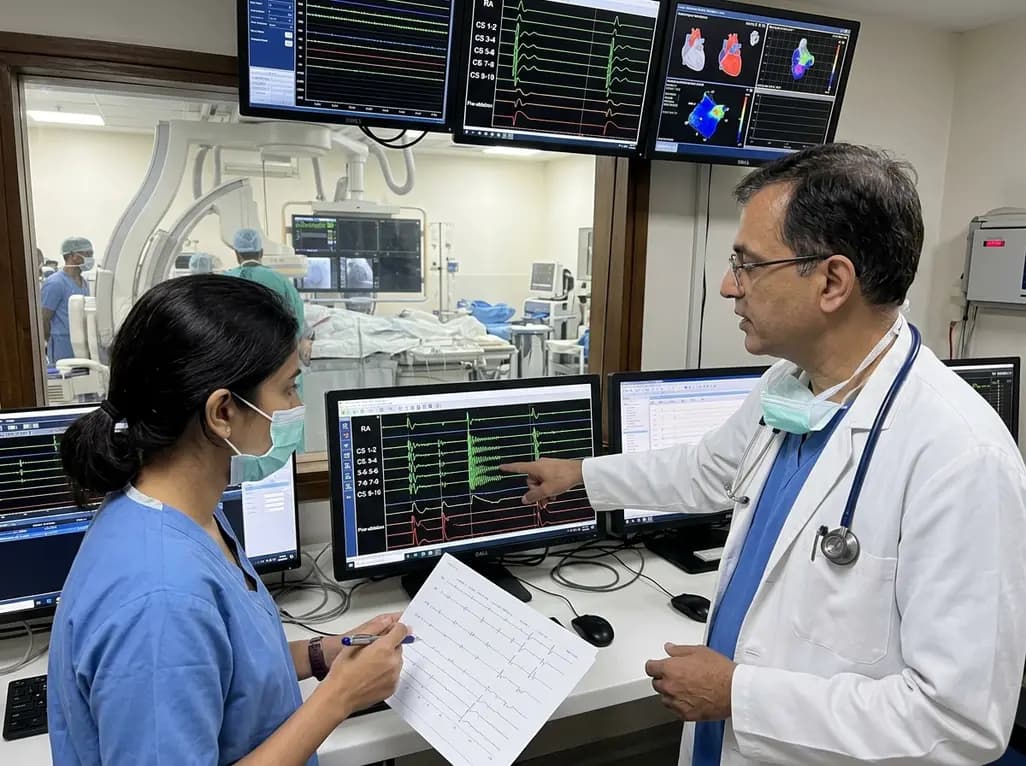
Radiofrequency catheter ablation of the cavotricuspid isthmus successfully terminates typical atrial flutter. This article reviews the mechanisms driving coronary sinus electrogram changes, wavefront activation pathways, and clinical criteria to verify bidirectional block during electrophysiology studies.
Today
A study comparing four knee flexion strength tests after ACL reconstruction using hamstring tendon autografts reveals marked variability in limb symmetry indices. Clinicians must recognize that different strength testing modalities yield divergent return-to-sport clearance rates.
Today
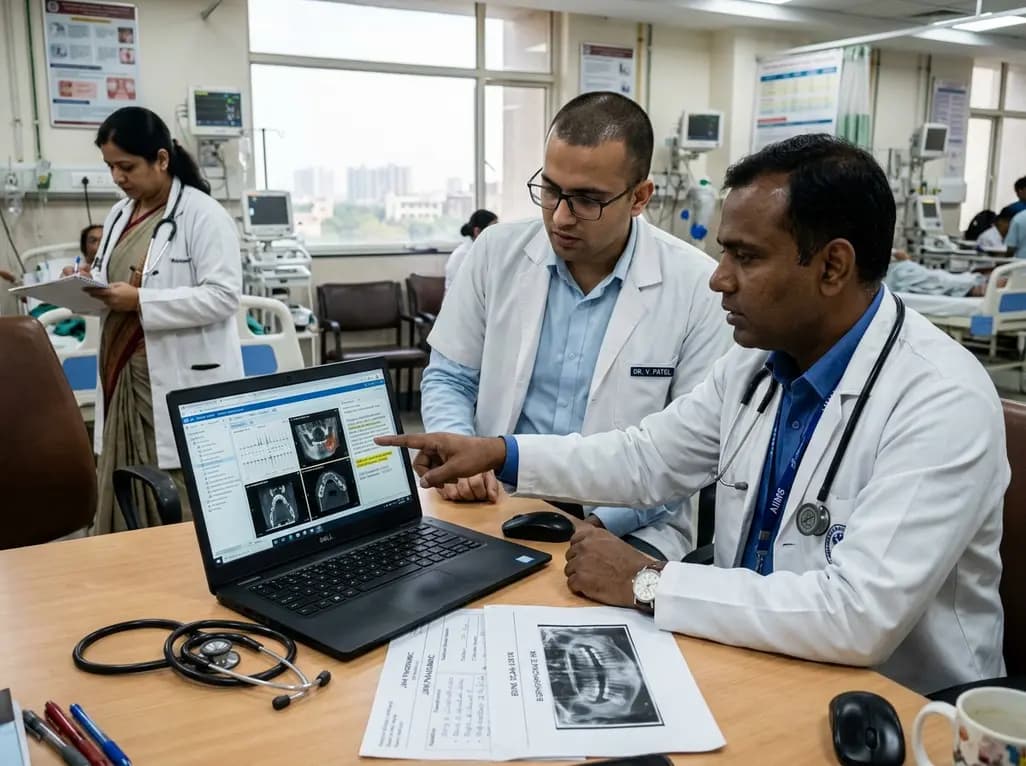
A breakthrough study leverages natural language processing to accurately identify incident medication-related osteonecrosis of the jaw and track antiresorptive drug holidays from clinical narratives in electronic health records, advancing osteoporosis pharmacovigilance and dental safety.
Yesterday
