.webp&w=384&q=75)

Loading, please wait...
Loading, please wait...
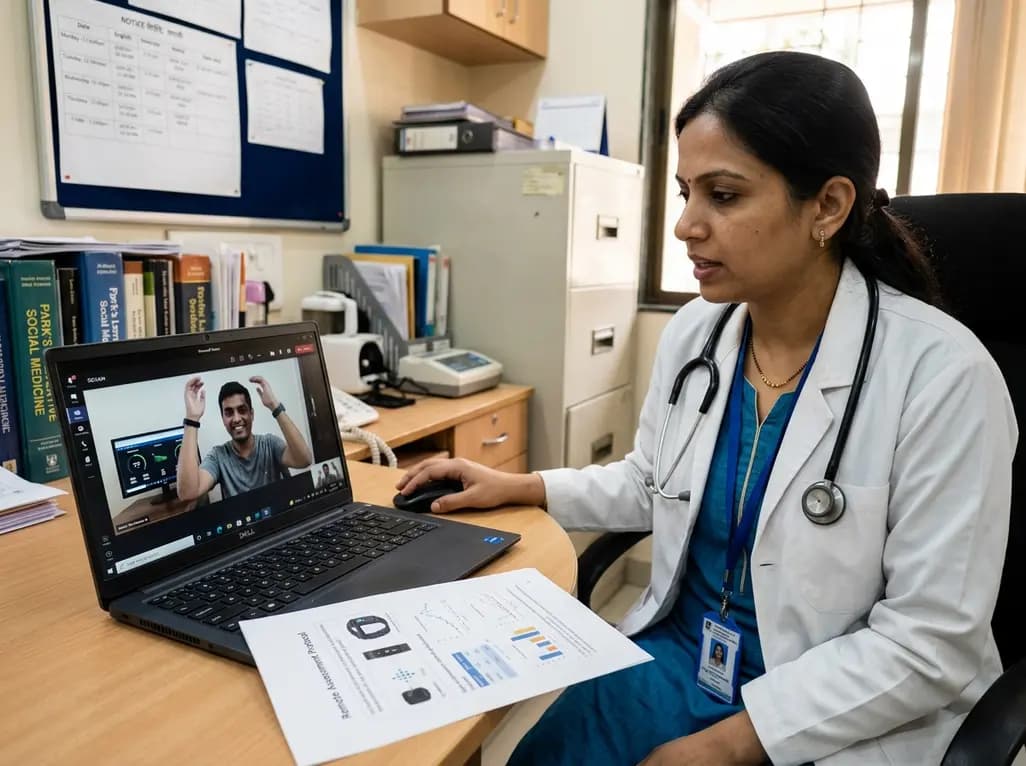
Adults diagnosed with neurodevelopmental conditions often encounter persistent barriers to comprehensive physical healthcare. Evaluating physical function in autism represents a crucial yet historically overlooked dimension of adult clinical management. While social and communicative characteristics dominate diagnostic attention, neuromotor challenges significantly influence daily living, independent function, and long-term vitality. Adults on the autism spectrum experience higher rates of metabolic conditions, sedentary lifestyle patterns, and premature functional decline. Consequently, innovative digital health strategies and wearable tracking technologies provide unprecedented avenues to evaluate motor capacity remotely, bridging critical healthcare accessibility gaps for vulnerable populations.
Clinicians frequently recognize that motor abnormalities, including coordination difficulties, postural instability, and altered gait dynamics, emerge early in neurodevelopment. However, these motor characteristics frequently persist into adulthood, where they can severely constrain physical activity participation. Because regular physical activity protects against cardiometabolic disease, motor difficulties compound existing systemic health risks. Furthermore, impaired balance directly elevates the risk of accidental falls, resulting in soft-tissue injuries, fractures, and secondary fear of movement.
Unfortunately, standard adult medical consultations rarely include structured physical performance screenings. Adults on the autism spectrum frequently encounter sensory overload in clinical waiting rooms, transportation barriers, and communication hurdles during conventional in-person visits. As a result, subtle deficits in lower-extremity power and dynamic balance remain undiagnosed until acute functional decline or significant injury occurs. Therefore, clinicians require adaptable, standardized assessment pathways that accommodate individual sensory and environmental needs while capturing accurate functional metrics.
Telehealth platforms present a transformative solution to improve clinical access for neurodivergent populations. By evaluating physical function in autism within familiar domestic settings, clinicians eliminate travel distress and reduce sensory-induced anxiety. Remote assessments enable clinicians to observe genuine motor capabilities in naturalistic environments rather than artificial, high-stress clinic environments.
Moreover, virtual platforms allow multidisciplinary teams, including physical therapists, neurologists, psychiatrists, and primary care physicians, to collaborate seamlessly. Patients can perform validated motor tasks while secure video systems record performance metrics for detailed kinematic review. Clinicians can provide real-time verbal cues, adjust task complexity, and evaluate safety without requiring the patient to navigate complex clinical facilities. When combined with wearable activity monitors, remote telehealth assessments generate rich, longitudinal data streams. These integrated digital tools empower healthcare providers to deliver continuous, patient-centered care that aligns closely with personal lifestyle demands.
Standardized physical testing must remain reliable and safe when translated into virtual environments. The validated study protocol deploys established functional assessments, including the Five Times Sit-to-Stand test and the 30-Second Sit-to-Stand test, to quantify lower-limb muscular power and functional endurance. In addition, balance testing protocols examine static balance and single-leg stance performance under both eyes-open and eyes-closed conditions. These tests isolate visual, vestibular, and proprioceptive contributions to postural equilibrium, highlighting specific functional deficits.
Alongside structured performance testing, participants wear continuous activity trackers, such as research-grade wrist devices, for two consecutive weeks. Wearable devices capture objective daily step counts, sedentary duration, and activity intensity patterns in real-time. Clinicians can correlate real-world ambulation metrics with baseline functional tests to detect how laboratory performance translates into everyday life. Furthermore, standardized patient-reported outcome measures, such as the PROMIS physical function surveys, capture personal perceptions of mobility and self-care independence.
Establishing robust psychometric properties represents a vital requirement for any novel remote assessment protocol. Researchers examine construct validity by testing predefined hypotheses against established benchmarks, including daily step volume, lower-extremity outcome measures, fall screening surveys, and systemic comorbidity indices. Demonstrating that virtual scores align with validated health indicators ensures that remote evaluations measure true physiological capacity rather than technological familiarity.
Additionally, multiple independent raters evaluate video-recorded performance sessions using intraclass correlation coefficients to establish interrater and intrarater reliability. High scoring concordance confirms that remote performance criteria remain consistent across different healthcare examiners. Crucially, the protocol prioritizes equity by analyzing racial and ethnic disparities in functional performance, physical activity levels, and overall quality of life. Evaluating whether demographic factors moderate clinical outcomes helps prevent systemic bias and ensures that digital interventions benefit diverse patient cohorts equally.
The integration of virtual functional testing carries profound implications for routine clinical practice across multiple medical disciplines. Primary care physicians, neurologists, and psychiatrists can routinely identify subclinical physical decline during annual virtual wellness visits. Early detection of balance instability or reduced muscular endurance allows timely referral to specialized physical therapy before debilitating falls occur.
Furthermore, objective activity tracking enables personalized exercise prescriptions tailored to specific physical limitations and sensory preferences. Because adults with neurodevelopmental conditions experience elevated rates of cardiovascular disease, diabetes, and musculoskeletal disorders, preserving physical function directly enhances metabolic health. Multidisciplinary healthcare teams can utilize remote monitoring data to titrate interventions, provide positive behavioral feedback, and encourage sustainable physical habits. Ultimately, this scalable approach democratizes physical rehabilitation and optimizes preventive health outcomes.
As digital health infrastructures expand globally, remote assessment protocols will likely become standard components of comprehensive adult care. Future research must evaluate the longitudinal efficacy of remote physical interventions based on these diagnostic protocols. Machine learning algorithms and automated computer vision could eventually track kinematic angles during home video assessments, reducing clinician scoring burden and improving measurement precision.
Moreover, expanding these remote frameworks to incorporate occupational, cognitive, and nutritional monitoring will foster holistic healthcare delivery. Integrating family members, caregivers, and community support systems into virtual platforms further enhances therapeutic adherence and psychosocial well-being. By validating reliable, accessible, and culturally responsive digital health tools, healthcare systems can ensure that adults on the autism spectrum receive equitable, life-long support tailored to their evolving physical needs.
Adults with autism often face sensory sensitivities, communication hurdles, and transportation challenges that hinder routine clinic attendance. Remote assessments allow healthcare providers to evaluate balance, muscle power, and gait within familiar home environments. This virtual approach reduces anxiety, removes geographic barriers, and provides objective functional data. Consequently, clinicians can identify fall risks and physical decline early to deliver timely, targeted interventions.
Clinicians use validated functional tests adapted for video platforms, including the Five Times Sit-to-Stand and the 30-Second Sit-to-Stand tests. Additionally, standing balance and single-leg stance tests are conducted with eyes open and eyes closed to evaluate postural stability. These simple, low-equipment assessments allow clinicians to measure lower-extremity strength and balance while ensuring patient safety at home.
Wearable devices capture continuous, real-world objective data, such as daily step counts, movement intensity, and sedentary periods over extended intervals. While virtual functional tests evaluate specific physical capacities at a single moment, wearable monitors reveal everyday mobility patterns. Correlating functional capacity with actual lifestyle activity helps clinicians design realistic, personalized exercise regimens and monitor long-term cardiometabolic health.
Disclaimer: This content is for informational and educational purposes only... Refer to the latest local and national guidelines for clinical practice.
References
Nunez-Gaunaurd A et al. Remote Assessment of Physical Function and Physical Activity in Adults With Autism Spectrum Disorder: Protocol for Feasibility, Validity, and Reliability Study. JMIR Res Protoc. 2026 Aug 31. doi: 10.2196/86020. PMID: 42673582.
Tovin MM, Núñez-Gaunaurd A. Implementation of Peer-Assisted Physical Activity Via Telehealth for Adults on the Autism Spectrum: A Mixed Methods Feasibility Study. Phys Ther. 2024;104(4):pzae005. doi: 10.1093/ptj/pzae005.
Nunez-Gaunaurd A, Tovin M. Promoting Physical Activity Through Telehealth, Peer Support, and Wearables: A Pilot Randomized Controlled Trial Among Adults with Autism Spectrum Disorder. J Dev Phys Disabil. 2024;36(5):921-947. doi: 10.1007/s10882-024-09951-x.

Read summarized clinical updates, watch expert medical content, and earn CME certifications right from your smartphone.
Open your smartphone camera to scan and install.





A study protocol investigates remote assessment of physical function and physical activity in adults with autism spectrum disorder. The research assesses feasibility, construct validity, rating reliability, and racial and ethnic health disparities using telehealth and wearable technology.
4 weeks back
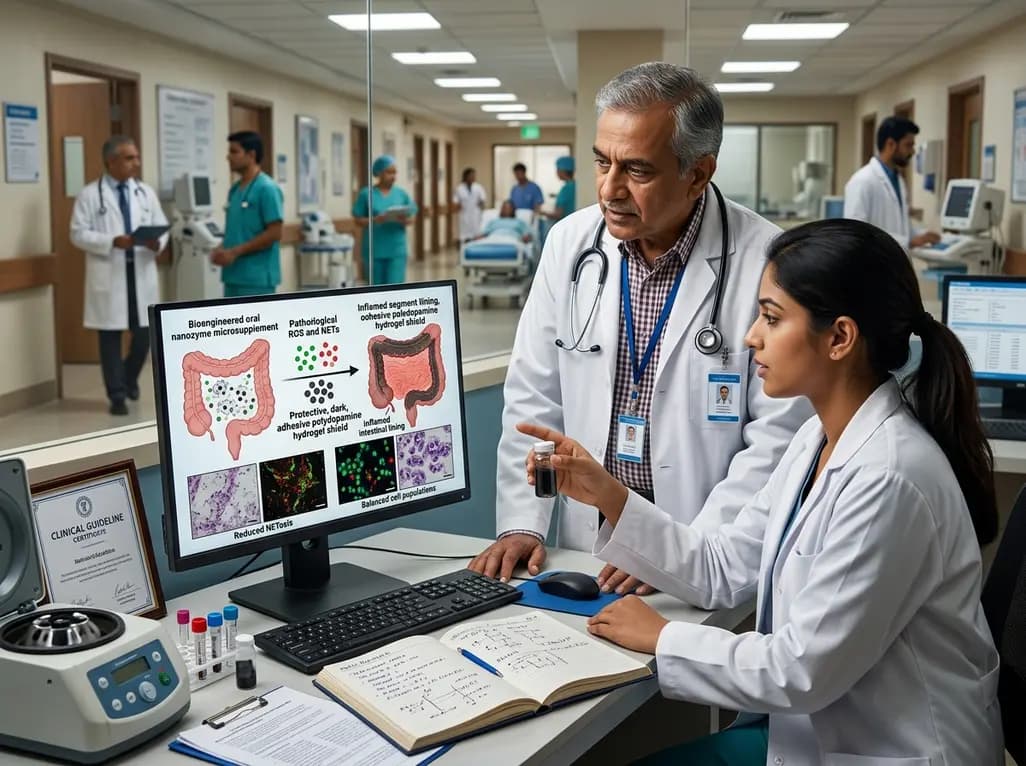
A bioengineered oral nanozyme microsupplement converts pathological ROS into a protective polydopamine hydrogel shield. By curbing neutrophil extracellular traps and balancing T cells, this platform outperforms standard 5-ASA in preclinical colitis models, opening new paths for sustained remission.
Today
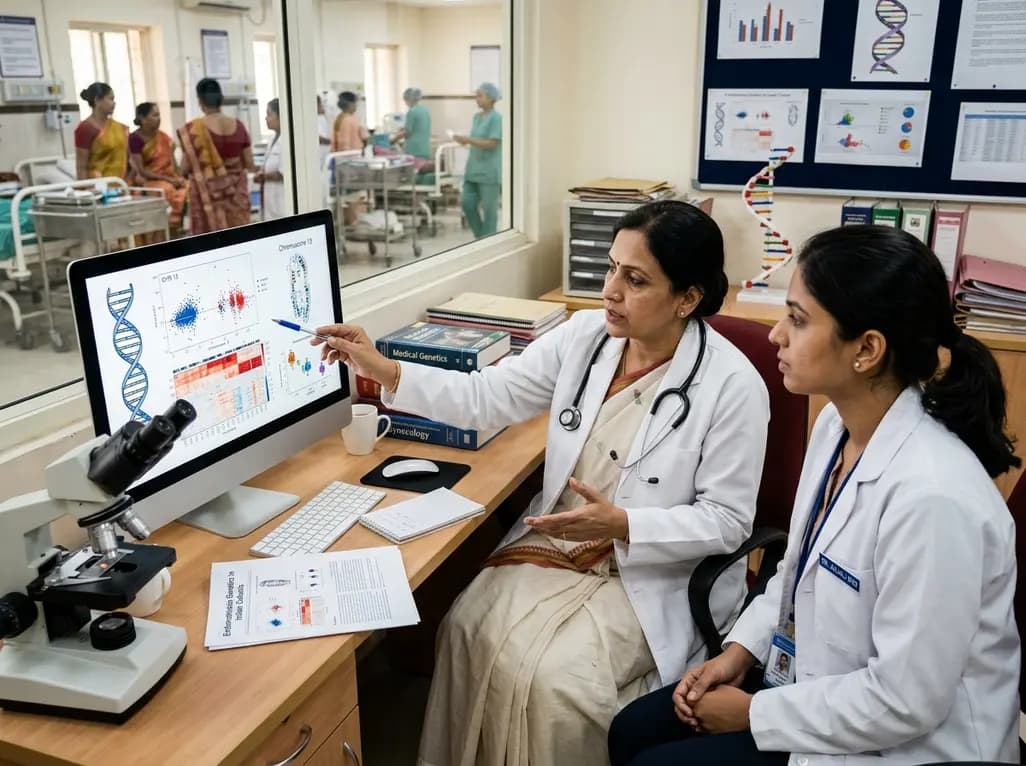
Endometriosis affects millions of women across India, yet diagnostic delays frequently exceed five years. Recent multi-centre genomic research has identified 21 novel genetic regions, notably on chromosome 13, establishing crucial population-specific insights to transform clinical screening and therapeutic strategies.
Today
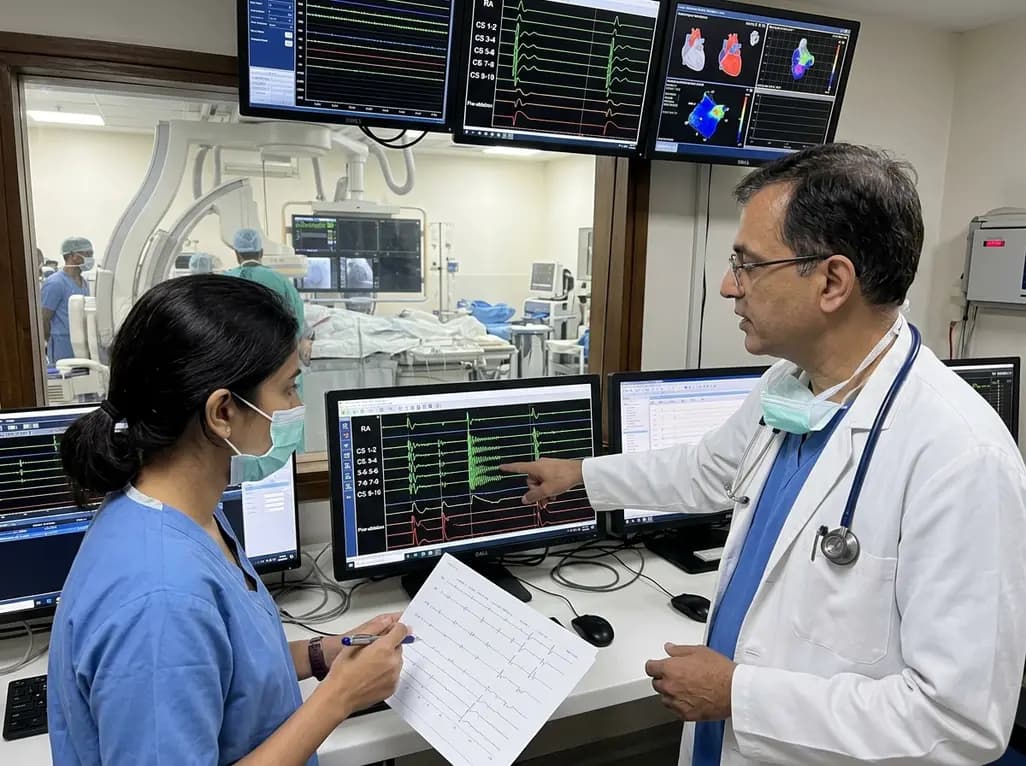
Radiofrequency catheter ablation of the cavotricuspid isthmus successfully terminates typical atrial flutter. This article reviews the mechanisms driving coronary sinus electrogram changes, wavefront activation pathways, and clinical criteria to verify bidirectional block during electrophysiology studies.
Today
A study comparing four knee flexion strength tests after ACL reconstruction using hamstring tendon autografts reveals marked variability in limb symmetry indices. Clinicians must recognize that different strength testing modalities yield divergent return-to-sport clearance rates.
Today
A breakthrough study leverages natural language processing to accurately identify incident medication-related osteonecrosis of the jaw and track antiresorptive drug holidays from clinical narratives in electronic health records, advancing osteoporosis pharmacovigilance and dental safety.
Yesterday
