.webp&w=384&q=75)

Loading, please wait...
Loading, please wait...

Attention-deficit/hyperactivity disorder represents one of the most frequently identified neurodevelopmental conditions worldwide. Consequently, psychiatric and pediatric evaluations heavily rely on behavioural reports from educational settings. Recent epidemiological data highlight that an ADHD diagnosis does not occur in a vacuum. Instead, local classroom factors and regional academic pressures directly modulate identification patterns. Understanding how structural educational settings influence diagnostic pathways helps clinicians interpret behavioural referrals with greater nuance and diagnostic precision.
Epidemiological investigations demonstrate that macro-level school environments strongly correlate with clinical referral rates. Specifically, a nationwide cohort study from South Korea analyzed how regional classroom sizes and private tutoring density altered diagnostic numbers. Clinicians often assume that classroom disorder increases with class size, thereby prompting more clinical evaluations. However, the data revealed an unexpected inverse relationship across broader age groups. As student-to-teacher ratios and class sizes expanded, overall rates of new diagnoses actually decreased. Therefore, physical classroom congestion might impair a teacher's ability to identify inattentive behaviours. When teachers manage crowded rooms, they frequently prioritize urgent disciplinary disruption over subtle attentional deficits. As a result, quiet children who struggle with executive dysfunction may escape clinical detection entirely. Furthermore, high student density exhausts teacher bandwidth, which reduces proactive communication with parents regarding subtle learning impairments. Consequently, fewer students receive referrals to developmental pediatricians or child psychiatrists. These findings emphasize that lower diagnostic numbers do not indicate lower clinical prevalence. Instead, overcrowded classrooms may simply mask neurodivergent symptoms and delay essential interventions. Clinicians must therefore account for school environments during developmental assessments.
In South Korea, private academies—known locally as hagwons—play a massive role in child and adolescent routines. The researchers evaluated the density of private educational facilities per ten thousand residents across distinct municipalities. Surprisingly, regions with a higher density of private classes exhibited significantly lower rates of formal diagnostic reports. Moreover, this negative correlation was especially pronounced in socioeconomically disadvantaged and lower-educated districts. Private tutoring centres often enforce rigid academic discipline and rigorous after-school schedules. Consequently, struggling students in these facilities may face strict behavioral correction rather than structured clinical evaluation. In addition, private tutors generally lack specialized training in neurodevelopmental conditions and developmental psychology. Because these instructors focus primarily on academic test scores, they rarely recognize inattention as a medical pathology. Furthermore, families residing in lower-educated districts often face cultural stigma surrounding psychiatric diagnoses and mental healthcare. Therefore, parents may interpret inattention as poor discipline or academic laziness rather than seeking psychiatric consultations. As a result, private educational saturation can inadvertently suppress necessary clinical referrals. Medical practitioners evaluating children from intensive academic environments should actively probe academic routines outside regular school hours.
Although older students demonstrated reduced identification in larger classrooms, early childhood educational settings revealed the exact opposite trend. Specifically, higher student-to-class ratios in kindergartens correlated with a marked increase in diagnostic referrals. Furthermore, this positive association peaked primarily in the highest-educated districts. Young children naturally exhibit variable levels of motor activity, impulse control, and emotional regulation. In crowded kindergarten classrooms, hyperactive behaviors become immediately disruptive and difficult to manage. Consequently, early childhood educators quickly notice physical agitation, aggressive outbursts, and social conflicts during group play. In affluent and highly educated districts, parents maintain heightened vigilance regarding neurodevelopmental milestones and school performance. Therefore, when preschool teachers flag disruptive behaviors, these parents rapidly seek specialist evaluations. Moreover, educated families possess greater financial resources and private healthcare access, facilitating rapid neuropsychiatric testing. In contrast, inattentive symptoms in older adolescents remain quiet and easily obscured in larger secondary school classes. Hence, age and developmental stage fundamentally alter how classroom density shapes clinical detection. Healthcare providers must recognize that classroom stress unmasks hyperactivity in early childhood while obscuring pure inattention in older students.
These epidemiological insights provide crucial diagnostic takeaways for practicing pediatricians, child psychiatrists, and family physicians. Clinicians cannot assume that an absence of school complaints rules out attention deficits. When assessing a child from a crowded school, clinicians must specifically ask about quiet daydreaming and academic disorganization. Furthermore, clinicians must gather behavioural observations from multiple environments, including home, school, and extracurricular activities. Diagnostic rating scales completed by single teachers in crowded classrooms may yield false-negative results for inattentive symptoms. In addition, physicians must remain mindful of socioeconomic gradients and local cultural expectations. In highly competitive educational environments, parents may attribute executive deficits solely to lack of effort. Conversely, teachers in overcrowded preschools might misinterpret normal developmental restlessness as severe pathology. Therefore, thorough neurodevelopmental histories require clinicians to differentiate true functional impairment from classroom-induced behavioral stress. Standardized clinical interviews, cognitive profiling, and longitudinal follow-ups help minimize these regional referral biases. Ultimately, healthcare professionals must act as objective evaluators who look beyond subjective teacher thresholds.
While the primary study analyzed South Korean registry data, these findings hold substantial relevance for other nations, including India. In India, urban classrooms frequently accommodate forty to sixty students per section. In addition, supplementary coaching institutes and private tuition centres dominate the daily lives of Indian school children. Consequently, teachers in large Indian classrooms struggle with severe bandwidth limitations, frequently prioritizing academic syllabus completion over behavioural monitoring. Under such high-density conditions, quiet students with inattentive neurodevelopmental traits remain largely undetected. Conversely, teachers often label hyperactive children as disruptive or disobedient without considering a referral for developmental evaluation. Furthermore, intense parental academic pressure across developing economies can obscure clinical symptoms until major academic failure occurs. Cultural stigma surrounding mental health diagnoses often compounds this diagnostic delay. Therefore, Indian clinicians evaluating academic struggles must proactively question parents about home study habits and sustained attention. Healthcare systems must build stronger collaboration between community educators and developmental specialists. Structured school-based screening programs can help bridge this gap and reduce regional detection disparities.
Addressing diagnostic disparities requires comprehensive public health initiatives and educational reforms. Educational authorities should establish formal mental health literacy programs for primary and secondary school educators. When teachers understand neurodivergent presentations, they can identify subtle inattentive signs regardless of classroom crowding. Furthermore, educational boards must establish standardized referral protocols to eliminate subjective screening biases. Schools should also integrate trained educational counselors and school psychologists within campus settings. In addition, community health centers should offer accessible developmental screenings for families in socioeconomically disadvantaged districts. Health systems must simultaneously foster public awareness campaigns to de-stigmatize childhood psychiatric conditions. Through coordinated multi-tiered systems of support, schools can provide individualized behavioral accommodations before psychiatric crises occur. Clinicians, educators, and policymakers must collaborate closely to ensure equitable healthcare access for every struggling child.
Classroom size significantly affects teacher bandwidth and observation capabilities. In large primary or secondary classrooms, teachers often overlook quiet, inattentive symptoms, reducing clinical referrals. Conversely, in overcrowded kindergarten settings, motor hyperactivity causes severe disruption, prompting educators to refer young children for psychiatric assessment much earlier.
Private tutoring facilities prioritize strict academic discipline and test performance over student mental wellbeing. Tutors often lack professional training to recognize neurodivergence, frequently framing inattention as laziness or poor discipline. Furthermore, parents in these areas may experience stigma, avoiding clinical consultations in favor of intensified academic drilling.
Clinicians must gather comprehensive multi-informant reports from parents, several teachers, and direct clinical observations. Physicians should not interpret an absence of school complaints as an absence of disorder. Objective psychometric testing, detailed developmental histories, and evaluating impairment across multiple settings help eliminate educational environmental biases.
Disclaimer: This content is for informational and educational purposes only and should not be considered medical advice. Always consult qualified healthcare professionals for diagnosis and treatment decisions. Refer to the latest local and national guidelines for clinical practice.
References

Read summarized clinical updates, watch expert medical content, and earn CME certifications right from your smartphone.
Open your smartphone camera to scan and install.





A nationwide South Korean study reveals that classroom size and private tutoring density inversely correlate with ADHD diagnosis rates, while kindergarten crowding boosts early referrals. Learn the clinical implications for practice.
Today
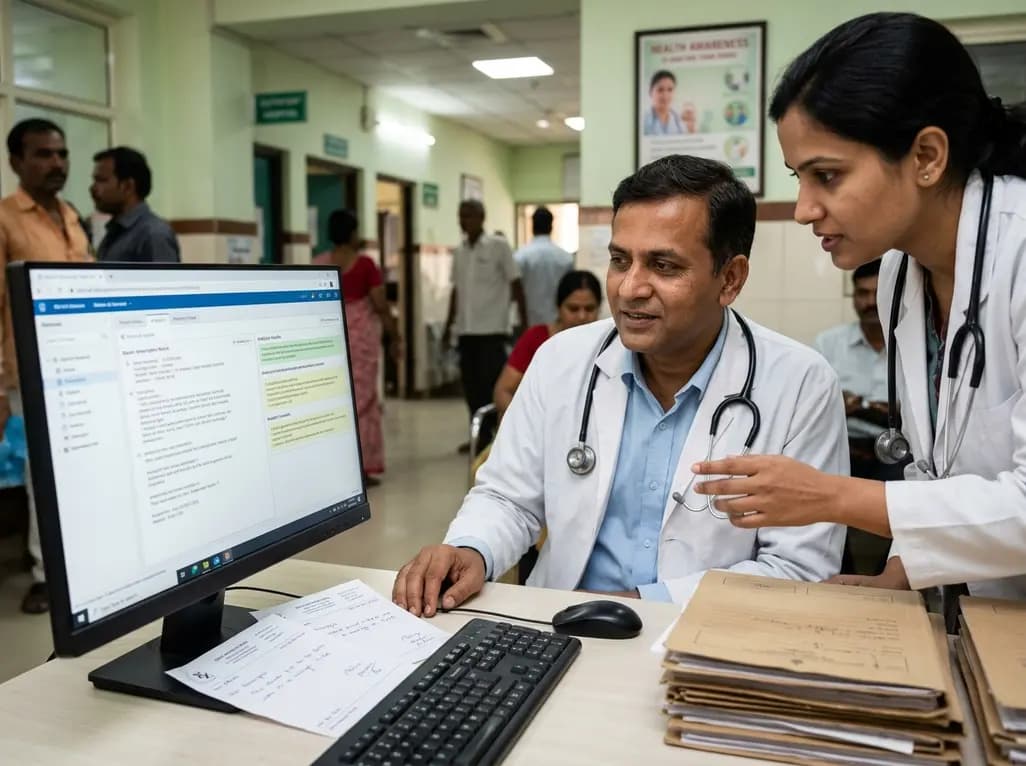
A crossover study demonstrates that locally deployed large language models with exact-match knowledge augmentation significantly elevate outpatient prescription review accuracy to 97.2%, curbing hallucinations and securing patient data without requiring complex cloud infrastructure.
Today
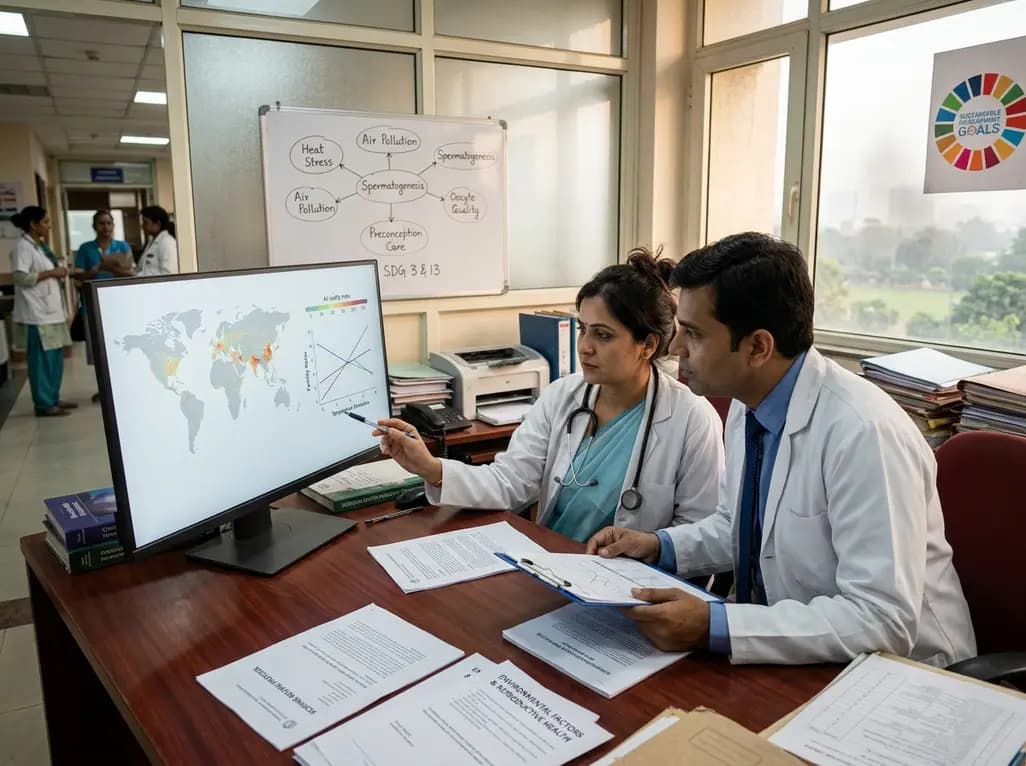
A new scoping review protocol systematically maps global evidence on how climatic shifts, ambient heat, and pollution impact human fertility. Discover key physiological mechanisms, clinical preconception strategies, and critical public health alignments under Sustainable Development Goals 3 and 13.
Today

Pharmacogenomics and artificial intelligence are revolutionizing cardiology by tailoring therapies to individual genetic profiles and clinical data, reducing adverse drug events, and improving cardiovascular patient outcomes.
Today
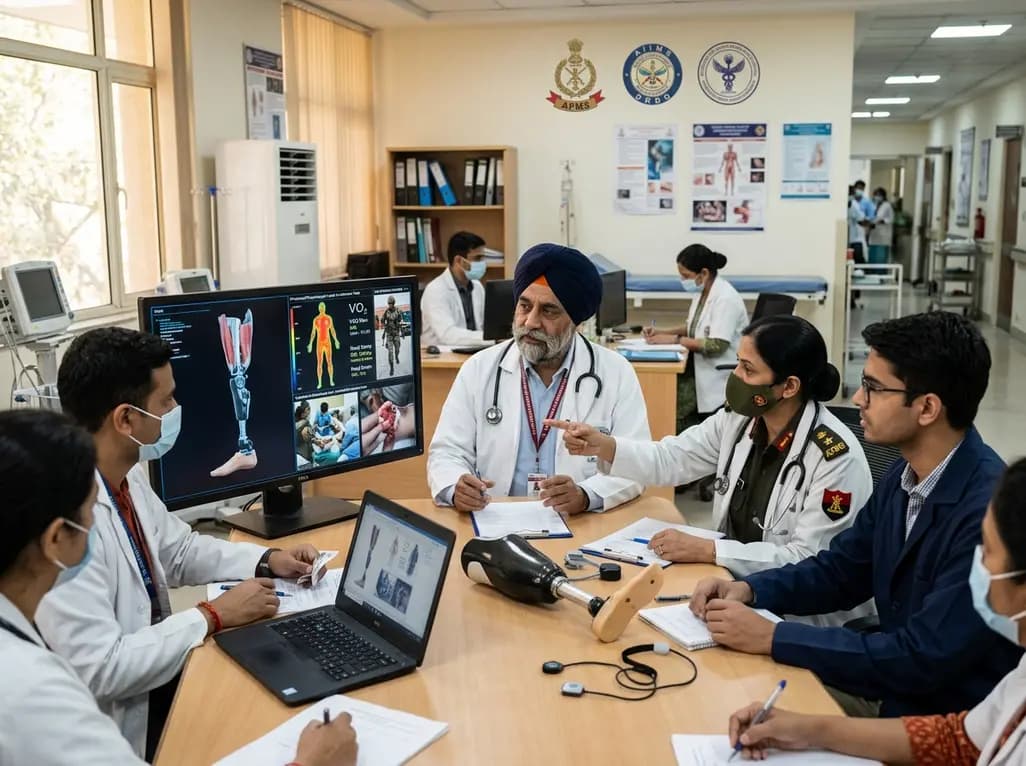
India's premier scientific bodies have joined the Armed Forces Medical Services to solve unique physiological and operational challenges faced by soldiers. The national collaboration covers combat casualty care, artificial intelligence diagnostics, bionic prosthetics, and extreme-environment physiological resilience.
Today
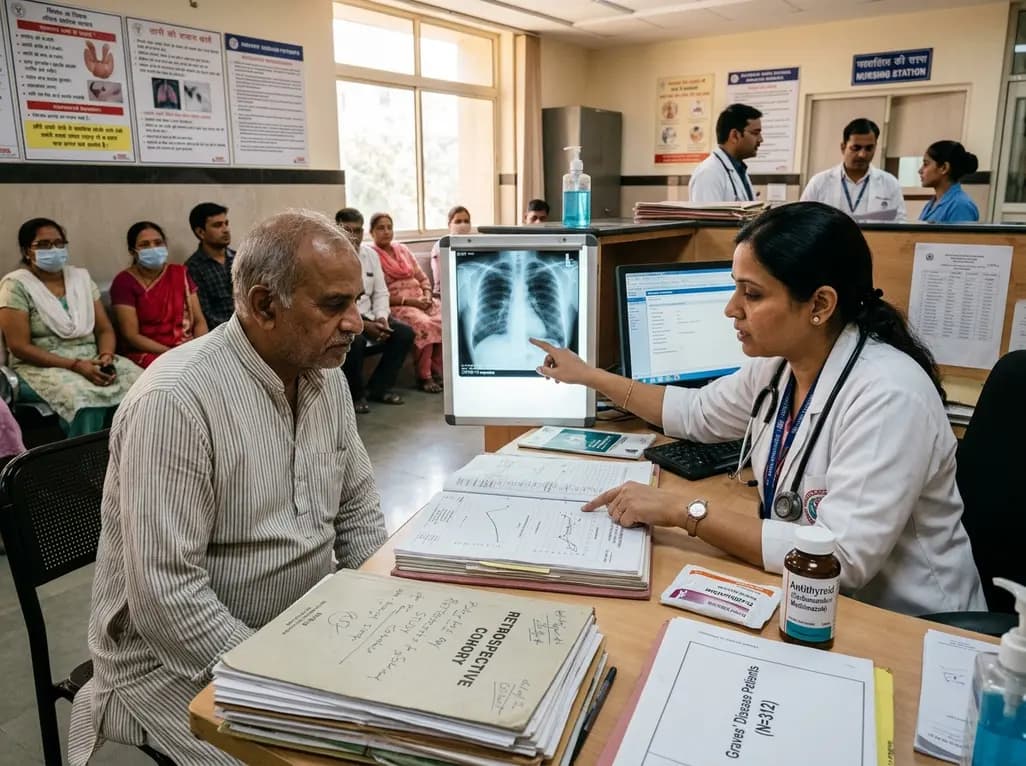
A retrospective cohort study evaluates the short- and long-term impacts of SARS-CoV-2 infection on patients with Graves' disease receiving antithyroid drug therapy, highlighting thyroid status destabilization, clinical symptom exacerbations, and post-viral sequelae.
Today
