

Loading, please wait...
Loading, please wait...

Vestibular disorders present a persistent and disabling diagnostic challenge across primary care and specialty outpatient clinics. Patients suffering from chronic dizziness, balance instability, and positional vertigo often endure significant impairment in daily activities, occupational productivity, and psychological well-being. Although exercise-based therapy is a gold standard, structured vestibular rehabilitation remains markedly underprescribed by general practitioners. Long referral wait times, geographical disparities, and a scarcity of specialized physical therapists frequently hinder timely care. To overcome these substantial barriers, digital therapeutic interventions have emerged as an accessible alternative. A comprehensive prospective study evaluated the nationwide rollout of Vertigo Training, an internet-based program designed to deliver self-directed exercise therapy. The real-world results offer compelling evidence regarding therapeutic effectiveness, symptom reduction, and the persistent challenges of patient adherence in routine practice.
Controlled clinical trials provide vital initial validation, but real-world evidence demonstrates whether interventions succeed across heterogeneous patient populations. In the nationwide Dutch cohort, researchers evaluated 2156 individuals experiencing vestibular symptoms lasting at least one month. The participant cohort mirrored typical outpatient demographics, showing a median age of 60 years and a female predominance of 66 percent. The primary evaluation relied on the validated Vertigo Symptom Scale-Short Form, which captures autonomic arousal and vestibular symptom severity. Over three months, the median symptom score dropped substantially from 17 to 11 points. Furthermore, 63 percent of evaluable participants achieved clinically meaningful treatment success, defined as a reduction of three points or greater. These improvements confirm that digital delivery preserves therapeutic potency outside highly monitored trial environments. Consequently, digital platforms can effectively extend access to evidence-based vestibular compensation protocols for diverse patient groups who lack immediate access to specialized clinics.
Understanding which patient phenotypes experience optimal recovery enables clinicians to triage digital interventions appropriately. Multivariable logistic regression revealed distinct predictive factors associated with favorable therapeutic outcomes. Interestingly, participants presenting with higher baseline symptom scores showed greater likelihoods of treatment success. This finding suggests that individuals with pronounced daily disability experience perceptible functional gains when guided through progressive habituation and gaze stabilization exercises. Additionally, a self-reported diagnosis of benign paroxysmal positional vertigo correlated strongly with positive clinical responses. Individuals with benign paroxysmal positional vertigo exhibited a 70 percent higher probability of recovery compared to other vestibular conditions. Patients with vestibular neuritis also comprised a large proportion of users, benefiting substantially from central vestibular adaptation. Therefore, clinicians can confidently recommend digital exercise platforms to patients suffering from common peripheral vestibulopathies, particularly when symptoms produce substantial functional distress at initial presentation.
Despite robust symptom relief among responders, the real-world investigation underscored significant attrition across the digital pathway. Program engagement declined rapidly after registration, with only 43 percent of participants progressing past the first week into week two. Moreover, full adherence to the recommended daily exercise frequency averaged only 13 percent across the entire cohort. This precipitous drop-off reflects common behavioral barriers encountered in digital health therapies. When dizziness provokes acute discomfort, patients frequently avoid movement unless clinicians provide reassurance and education. Without active clinical accountability, patients may discontinue therapy prematurely, mistaken in the belief that initial symptom exacerbation signals harm. Consequently, while standalone self-management offers broad scalability, hybrid or blended pathways that combine digital exercises with regular primary care follow-up remain critical to sustaining patient commitment and optimizing long-term balance recovery.
Primary care physicians stand on the front lines of vertigo management, where time constraints often complicate thorough therapy counseling. Integrating internet-based vestibular rehabilitation into routine general practice can relieve healthcare backlogs and avoid excessive pharmacotherapy. In many clinical settings, practitioners inappropriately manage chronic dizziness with vestibular sedatives such as cinnarizine or betahistine, which can impede natural central compensation. Digital rehabilitation platforms provide structured alternative regimens that actively retrain the central nervous system through habituation, gaze stabilization, and balance re-education. Clinicians can introduce these web-based interventions during initial consultations, validating patient symptoms while encouraging active participation. Furthermore, structured digital education reassures patients that transient dizziness during head movement is a normal, therapeutic element of neurological recovery. By embedding clear digital pathways into primary care, providers can empower patients toward self-directed functional rehabilitation safely and systematically.
For neurologists and otolaryngologists, digital exercise platforms represent a valuable step-down or adjunct therapeutic modality. Specialist centers frequently encounter patients with lingering post-acute vestibulopathy, persistent postural-perceptual dizziness, or residual unsteadiness after successful canalith repositioning. While complex vestibular pathologies demand specialized diagnostic testing, internet-based vestibular rehabilitation can manage stable peripheral deficits effectively. Specialty practices can utilize digital software to provide continuous exercise regimens while reserving direct physical therapy consultations for refractory cases. Moreover, digital platforms facilitate objective tracking of symptom trajectories through standardized online questionnaires. When patients show stagnant progress or worsening scores on digital surveillance, specialists can promptly intervene with diagnostic re-evaluations or personalized vestibular physiotherapy. Thus, digital therapeutics create an efficient triage hierarchy, streamlining specialty resources for individuals requiring advanced neuro-otological diagnostics.
The nationwide implementation of Vertigo Training establishes a precedent for global healthcare systems seeking cost-effective management of vestibular disorders. Future iterations of digital therapy must incorporate behavioral nudges, automated reminders, and interactive gamification to counteract high dropout rates. Clinicians and software developers should collaborate to embed wearable sensors and smartphone motion trackers that evaluate exercise precision in real time. In developing healthcare environments, digital balance therapies hold tremendous promise for bridging geographic distances and resource deficits. As digital health reimbursement frameworks mature, integrating clinician dashboards with electronic medical records will allow primary physicians to monitor adherence seamlessly. Ultimately, combining proven neurophysiological exercise principles with accessible telecommunication infrastructure will demystify vertigo management, improve functional outcomes, and reduce the individual and socioeconomic burdens associated with chronic imbalance.
Patients suffering from peripheral vestibular disorders, including post-acute vestibular neuritis and stable unsteadiness, derive substantial benefit from digital programs. In particular, individuals presenting with higher baseline symptom severity and those with benign positional vertigo experience pronounced symptomatic relief. However, clinicians must first exclude central neurological red flags, such as acute stroke or cerebellar lesions, before recommending self-directed digital balance regimens.
Clinicians evaluate therapeutic progress using validated functional metrics such as the Vertigo Symptom Scale-Short Form or the Dizziness Handicap Inventory. In routine clinical monitoring, a reduction of three points or greater on the Vertigo Symptom Scale indicates clinically meaningful recovery. Additionally, physicians should assess functional benchmarks, including improved gait confidence, reduced fall risk, and resumption of daily occupational and domestic tasks.
Digital rehabilitation serves as an adjunct rather than an absolute substitute for mechanical repositioning maneuvers in active benign paroxysmal positional vertigo. Clinicians should perform definitive bedside repositioning, such as the Epley maneuver, to clear otoconial debris from the semicircular canals. Subsequently, internet-based exercise programs assist recovery by addressing residual unsteadiness, motion sensitivity, and secondary central compensation deficits effectively.
Disclaimer: This content is for informational and educational purposes only and is not intended as medical advice. Healthcare professionals should make clinical decisions based on individual patient assessment and prevailing clinical guidelines. Refer to the latest local and national guidelines for clinical practice.
References

Read summarized clinical updates, watch expert medical content, and earn CME certifications right from your smartphone.
Open your smartphone camera to scan and install.





A nationwide prospective study demonstrates that internet-based vestibular rehabilitation significantly relieves vertigo and balance symptoms in real-world primary care, though clinician support is key to sustaining long-term user engagement.
Today

Mayo Clinic trials and real-world datasets show GLP-1 receptor agonists improve left ventricular remodeling, reduce intracardiac filling pressures, decrease hospitalizations by 34%, and lower geriatric fall risks in patients with obesity and heart failure, delivering notable clinical and economic benefits.
Today
A usability study evaluated CareCheck, an mHealth caregiver risk screening tool for gynecologic oncology settings. Demonstrating high usability with a MAUQ score of 6.49 out of 7, the digital tool helps clinicians identify physical, psychological, and social risks among family caregivers to improve support.
Today
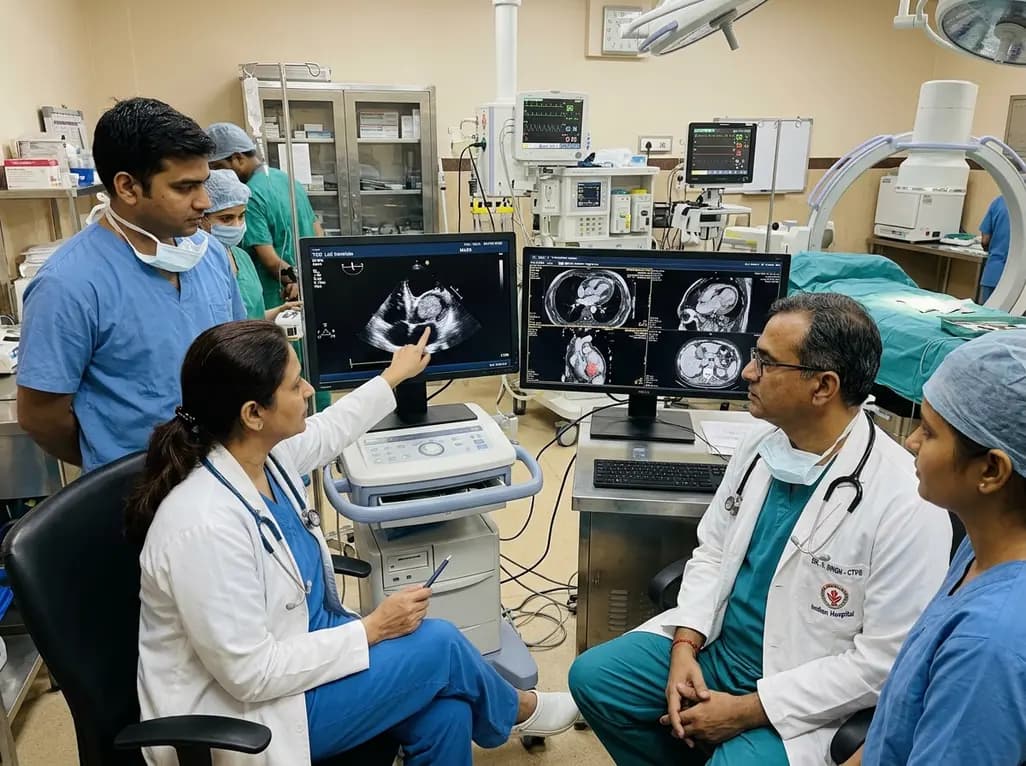
A rare case of an asymptomatic left ventricular hemangioma highlights the vital role of multimodal imaging in differentiating vascular tumors from thrombus. Complete surgical resection under transesophageal echocardiography guidance prevents thromboembolism and delivers optimal outcomes.
Today

A landmark study evaluates long-term quality of life in adolescents and adults with brachial plexus birth injury. Severe functional limitation and limited access to care significantly worsen outcomes, underscoring the urgent need for persistent, multidisciplinary management across adult healthcare transitions.
Today

An analysis of 1,000 posts by macro- and mega-influencers on Instagram and TikTok revealed that 78.5% contained nutrition misinformation, while only 24% of creators held valid credentials. This article examines the clinical risks of viral dietary fads and provides actionable guidance for healthcare professionals.
Today
