

Loading, please wait...
Loading, please wait...
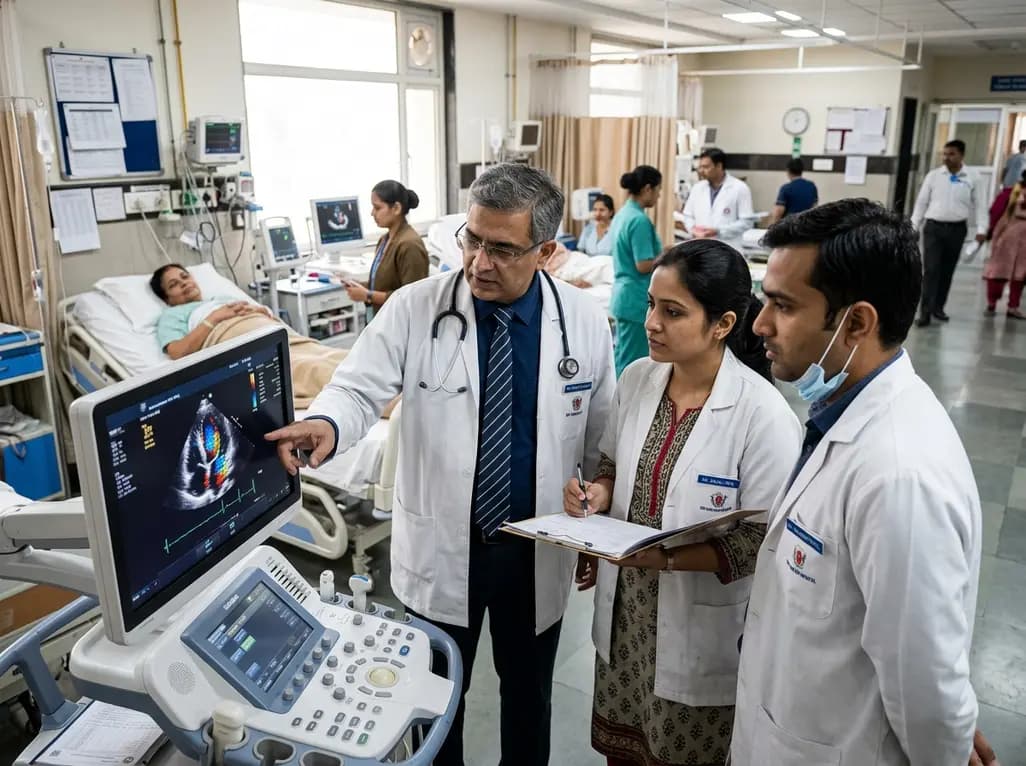
Recent clinical trials highlight an exciting paradigm shift at the intersection of metabolic management and cardiovascular medicine. Clinicians increasingly evaluate the therapeutic role of GLP-1 drugs in heart failure among patients presenting with comorbid obesity. Emerging evidence indicates that glucagon-like peptide-1 receptor agonists provide profound benefits extending beyond glycemic control. Specifically, recent analyses presented by Mayo Clinic researchers reveal meaningful structural and hemodynamic improvements across different phenotypes of myocardial dysfunction. In addition, these pharmacological advances demonstrate measurable benefits in healthcare costs, functional mobility, and geriatric independence. Therefore, internal medicine specialists and cardiologists must examine how these incretin mimetics alter progressive ventricular remodeling.
Heart failure with reduced ejection fraction represents a progressive syndrome characterized by impaired left ventricular systolic function. Historically, clinicians prioritized traditional guideline-directed medical therapies to arrest adverse cardiac remodeling in this vulnerable population. However, recent data presented at the ObesityWeek congress demonstrate that GLP-1 receptor agonists also foster significant myocardial recovery. Investigators evaluated 146 obese patients receiving either semaglutide or tirzepatide alongside 237 matched controls over twelve months. Consequently, patients on incretin therapy demonstrated markedly greater improvements in left ventricular size, geometry, and global systolic function compared to non-users. Moreover, exploratory two-year follow-up data demonstrated sustained improvements in left ventricular ejection fraction and cardiac chamber dimensions. These structural enhancements occurred alongside substantial weight reduction among treated participants. Nevertheless, careful statistical modeling demonstrated that ventricular benefits persisted after adjusting for total kilograms lost. Thus, researchers concluded that these agents directly exert favorable myocardial effects beyond mere weight loss. Furthermore, clinicians observed marked decreases in ventricular end-systolic and end-diastolic volumes, confirming true geometric reverse remodeling. Therefore, these observational findings provide compelling preliminary evidence that incretin mimetics bolster failing left ventricles in patients facing severe systolic dysfunction.
While reduced ejection fraction presents severe clinical challenges, heart failure with preserved ejection fraction represents an equally prevalent diagnostic dilemma. Patients with preserved ejection fraction display stiff myocardial walls, leading to pathologically elevated intracardiac pressures during physical exertion. A landmark Mayo Clinic randomized trial published in Nature Medicine evaluated eighty-one adults with obesity and preserved ejection fraction receiving weekly semaglutide or placebo. Researchers directly measured resting and exercise intracardiac hemodynamics via invasive catheterization over fifty-two weeks. Consequently, participants receiving semaglutide experienced a dramatic reduction in exercise pulmonary capillary wedge pressure compared with placebo recipients. Specifically, exercise filling pressures fell by approximately ten millimeters of mercury in the active treatment arm. Furthermore, more than half of semaglutide-treated patients achieved complete hemodynamic remission of their heart failure syndrome. In contrast, placebo patients exhibited worsening cardiac congestion and elevated exertional pressures. Therefore, targeted incretin therapy directly mitigates exertional dyspnea by relieving left atrial and pulmonary venous congestion. In addition, treated participants demonstrated substantial improvements in standard exercise tolerance tests and validated symptom inventories. Thus, reversing mechanical filling abnormalities translates directly into tangible clinical relief during routine physical activities.
Understanding the distinct pathophysiology linking metabolic dysfunction and myocardial stiffness remains essential for contemporary clinical practitioners. Obesity induces systemic low-grade inflammation, epicardial adipose tissue expansion, coronary microvascular endothelial dysfunction, and progressive interstitial fibrosis. Fortunately, GLP-1 drugs in heart failure counter these maladaptive pathways through both direct and indirect molecular mechanisms. First, GLP-1 receptor activation significantly suppresses pro-inflammatory cytokine expression, attenuating systemic vascular oxidative stress. Second, incretin therapies substantially reduce epicardial adipose tissue volume, thereby relieving external mechanical constriction on the ventricles. In addition, these agents enhance myocardial energetic efficiency by optimizing substrate utilization and reducing toxic lipid intermediate accumulation within cardiomyocytes. Interestingly, investigators confirmed that favorable changes in cardiac remodeling and filling pressures remain statistically significant after controlling for overall weight loss. This observation strongly implies that direct cardioprotective signaling pathways contribute to the observed hemodynamic gains. Moreover, enhanced natriuresis and favorable neurohormonal modulation decrease systemic vascular resistance, unloading the failing ventricles. Consequently, these multi-target biological effects justify viewing incretin receptor agonists as authentic cardioprotective therapies rather than simple weight-management agents. Integrating these insights helps cardiologists optimize therapeutic regimens for complicated multimorbid individuals.
The expanding clinical role of incretin mimetics inevitably prompts crucial discussions surrounding economic sustainability and healthcare resource allocation. High medication acquisition costs often create formidable hurdles for public health agencies and private insurance payers worldwide. Nevertheless, comprehensive real-world evidence presented by health economists reveals notable downstream financial offsets associated with long-term therapy. Investigators tracked medical expenditures and healthcare utilization patterns among more than 171,000 nondiabetic adults receiving tirzepatide over eighteen months. Importantly, monthly healthcare spending remained stable among treated individuals while rising steadily across matched untreated controls. In addition, patients receiving active therapy demonstrated a 7 percent reduction in emergency visits and hospitalizations within six months. Furthermore, this acute care reduction expanded to 18 percent at one year and reached 34 percent by eighteen months. Consequently, substantial reductions in acute cardiovascular decompensation and emergency hospitalizations significantly offset baseline drug acquisition costs. Independent economic analyses also confirm that improved worker productivity and reduced workplace absenteeism generate meaningful indirect financial savings. Similarly, lower incidence rates of catastrophic cardiovascular events reduce intensive care admissions and costly emergency interventions. Thus, long-term therapeutic investment produces measurable economic durability across both institutional and outpatient healthcare environments.
Older patients living with obesity and chronic cardiovascular disease frequently face accelerated functional decline and progressive frailty. Impaired physical mobility and skeletal muscle weakness often precipitate recurrent accidental falls, fractures, and severe disability. Fortunately, a massive two-year longitudinal study involving more than 122,000 seniors without baseline mobility impairments revealed encouraging geriatric benefits. Investigators compared older adults taking GLP-1 therapies against those receiving standard metformin therapy for metabolic indications. Remarkably, patients on incretin agonists experienced a 13 percent reduction in falls and a 37 percent decrease in new-onset wheelchair dependence. While observational studies cannot establish definitive causality, these outcomes strongly suggest that enhanced cardiovascular reserve and weight reduction preserve ambulatory independence. Furthermore, maintaining mobility directly prevents downstream complications such as deep vein thrombosis, pressure ulcers, and prolonged hospitalization. For Indian clinicians managing complex elderly patients with cardiometabolic diseases, these findings support a holistic, proactive treatment approach. Clinicians should nevertheless monitor older patients carefully to avoid rapid sarcopenic muscle loss alongside fat reduction. Combining pharmacotherapy with adequate dietary protein and structured resistance exercise maximizes functional recovery. Additionally, routine geriatric gait assessments should accompany medication titration to guarantee functional autonomy.
Q1: How do GLP-1 receptor agonists improve left ventricular function in patients with heart failure?
GLP-1 receptor agonists promote reverse myocardial remodeling by decreasing systemic inflammation, reducing epicardial fat volume, and improving microvascular endothelial function. Consequently, these medications relieve ventricular wall stress, decrease left ventricular chamber enlargement, and improve systolic ejection fraction. Clinical trials demonstrate that these structural improvements persist even after researchers statistically control for total body weight loss, indicating direct cardioprotective cellular mechanisms.
Q2: Can GLP-1 therapies induce hemodynamic remission in heart failure with preserved ejection fraction?
Yes, recent randomized clinical data demonstrate that semaglutide significantly lowers resting and exercise pulmonary capillary wedge pressures by nearly ten millimeters of mercury. In clinical trials, more than half of treated patients achieved hemodynamic remission of heart failure. By relieving microvascular dysfunction and systemic congestion, these medications dramatically reduce exertional dyspnea and enhance physical functional capacity in obese individuals.
Q3: How do GLP-1 medications influence hospitalization rates and healthcare spending over time?
Real-world health economic studies show that long-term GLP-1 therapy stabilizes monthly healthcare costs and substantially lowers hospital admissions. Specifically, patients receiving tirzepatide demonstrated a 34 percent reduction in emergency department visits and inpatient hospitalizations after eighteen months of continuous therapy. Consequently, these dramatic reductions in acute medical utilization help offset medication acquisition costs while simultaneously improving workplace productivity and overall economic output.
Disclaimer: This content is for informational and educational purposes only. It does not constitute medical advice or replace professional judgment. Refer to the latest local and national guidelines for clinical practice.
References

Read summarized clinical updates, watch expert medical content, and earn CME certifications right from your smartphone.
Open your smartphone camera to scan and install.





Mayo Clinic trials and real-world datasets show GLP-1 receptor agonists improve left ventricular remodeling, reduce intracardiac filling pressures, decrease hospitalizations by 34%, and lower geriatric fall risks in patients with obesity and heart failure, delivering notable clinical and economic benefits.
Today

A usability study evaluated CareCheck, an mHealth caregiver risk screening tool for gynecologic oncology settings. Demonstrating high usability with a MAUQ score of 6.49 out of 7, the digital tool helps clinicians identify physical, psychological, and social risks among family caregivers to improve support.
Today
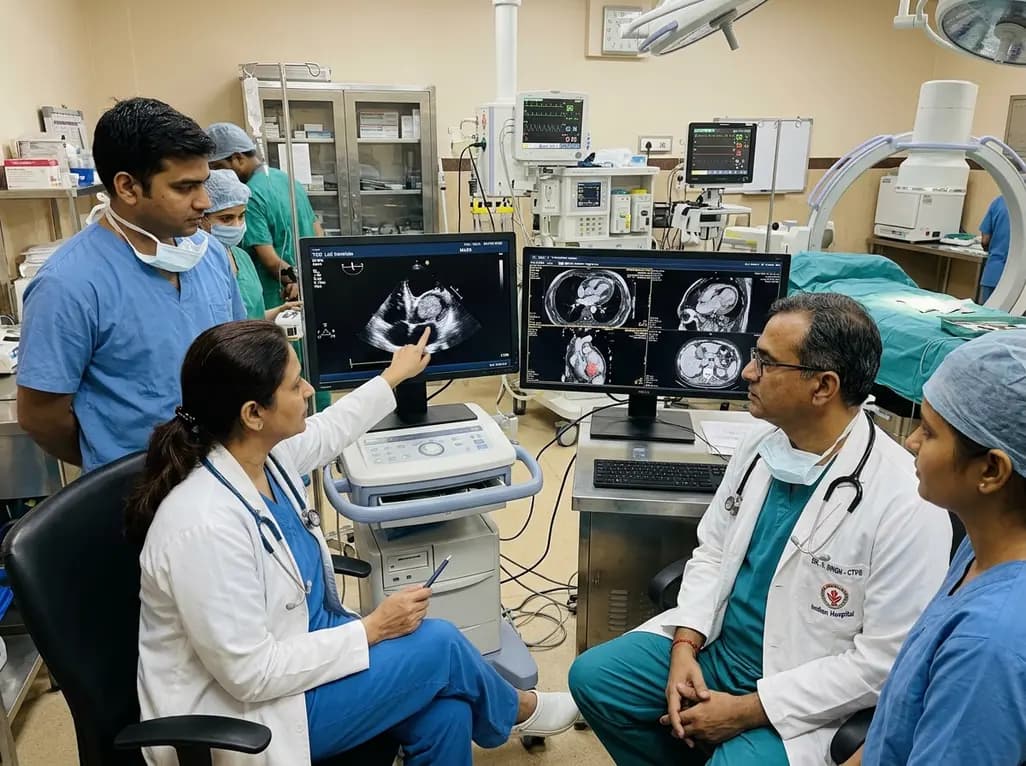
A rare case of an asymptomatic left ventricular hemangioma highlights the vital role of multimodal imaging in differentiating vascular tumors from thrombus. Complete surgical resection under transesophageal echocardiography guidance prevents thromboembolism and delivers optimal outcomes.
Today

A landmark study evaluates long-term quality of life in adolescents and adults with brachial plexus birth injury. Severe functional limitation and limited access to care significantly worsen outcomes, underscoring the urgent need for persistent, multidisciplinary management across adult healthcare transitions.
Today

An analysis of 1,000 posts by macro- and mega-influencers on Instagram and TikTok revealed that 78.5% contained nutrition misinformation, while only 24% of creators held valid credentials. This article examines the clinical risks of viral dietary fads and provides actionable guidance for healthcare professionals.
Today
