

Loading, please wait...
Loading, please wait...
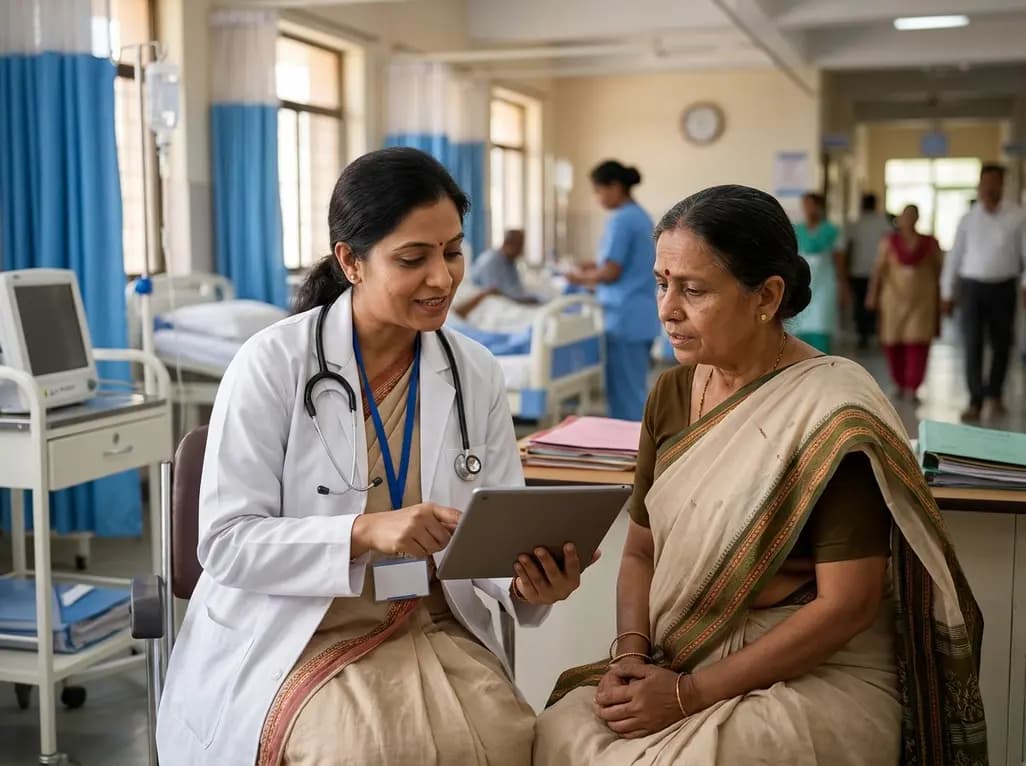
Providing sustained home care to women with gynecologic malignancies places immense physical, emotional, and social strain on their relatives. Despite this reality, modern health systems seldom evaluate informal care partners during routine cancer appointments. Implementing a validated caregiver risk screening tool offers a practical digital mechanism to identify vulnerable family members before severe burnout occurs.
Gynecologic malignancies such as ovarian, cervical, and endometrial cancers impose significant emotional and physiological trauma on patients and families. Consequently, family caregivers often assume round-the-clock responsibilities that include symptom monitoring, medication schedules, transportation, and home nursing care. Although these informal partners provide vital assistance, they frequently neglect their own preventive health appointments and mental wellbeing. Furthermore, prolonged distress can compromise the caregiver's functional health and weaken their overall caregiving capacity. In developing healthcare ecosystems, this informal support structure is critical because formal institutional care remains financially out of reach for many households. Nevertheless, busy clinical oncology teams routinely focus exclusively on direct patient care. Therefore, healthcare providers lack systematic workflows to capture emerging distress signals, social strain, or physical exhaustion among accompanying family members. Without early identification, unmanaged caregiver burnout eventually triggers medical complications, psychological morbidity, and frequent treatment non-adherence. Because caregiver stability directly impacts patient outcomes, oncology clinicians must integrate comprehensive family assessments into standard cancer consultations.
To overcome systemic evaluation gaps, researchers developed CareCheck as a mobile health application designed for rapid risk identification. This caregiver risk screening tool systematically assesses multidimensional indicators, including physical fatigue, emotional vulnerability, financial strain, and coping deficits. During a structured usability trial conducted at a major academic cancer center, investigators evaluated fifty-six family caregivers alongside trained clinical staff. Specifically, participants accessed the platform through tablet devices in outpatient waiting areas, while some completed telephone-administered assessments. Additionally, staff members from an integrated caregiver support center evaluated how smoothly the digital platform interfaced with routine nursing workflows. Quantitative findings revealed exceptional user reception, with participants generating a mean Mobile Health App Usability Questionnaire score of 6.49 out of 7. Moreover, qualitative interviews confirmed that family members appreciated the intuitive digital interface and clear instructional prompts. Most participants completed the entire risk inventory within minutes while waiting for the patient’s clinical review. Consequently, the tool demonstrated that routine digital screening is feasible without disrupting high-volume outpatient clinical activities.
Successful mHealth deployment requires complete harmony with daily hospital operations and staff expectations. During the trial, trained healthcare staff highlighted that digital screening tools must communicate directly with existing electronic health records. Otherwise, disconnected mobile assessments risk generating clinical silos that burden already busy oncology teams. Furthermore, staff respondents recommended automating risk stratification algorithms so that high-risk family members immediately trigger targeted clinical responses. For instance, when a family member reports severe psychological distress or sudden social isolation, the application can alert clinical social workers, psycho-oncologists, or palliative care navigators. In addition, providers emphasized that pre-screening preparation is essential for elderly caregivers who might possess limited digital literacy. Providing flexible pathways, including staff-assisted tablet entry or hybrid telephone evaluations, ensures equitable access across diverse patient demographics. Ultimately, clinicians noted that objective risk scoring removes conversational ambiguity, allowing care teams to discuss caregiver stress with empathy, efficiency, and clinical precision.
Beyond assisting clinicians, digital screening platforms serve as valuable self-reflection instruments for family members. Many caregivers actively suppress their own physical pain and anxiety, believing that acknowledging personal fatigue diminishes their devotion to the patient. However, completing a structured questionnaire encourages individuals to objectively recognize their cumulative distress. Consequently, this self-awareness helps caregivers validate their emotional challenges rather than suffering in isolation. Moreover, the CareCheck application connects users with targeted educational guidance and self-management modules tailored to their specific risk categories. For example, individuals reporting financial distress receive institutional navigation guidance, while those struggling with symptom monitoring access disease-specific educational materials. Therefore, the digital platform acts as both a diagnostic screen and an interactive health education vehicle. By fostering proactive problem-solving, digital tools empower family members to establish healthy boundaries and seek timely respite. Thus, digital empowerment transforms passive, exhausted family members into informed, resilient care partners who can sustain long-term patient support.
While this pilot study evaluated CareCheck within an academic comprehensive cancer center, its findings offer profound clinical lessons globally. In resource-constrained healthcare settings, where oncology clinics manage hundreds of patients daily, manual psychosocial assessments are nearly impossible. Therefore, automated digital screening presents a scalable, cost-effective avenue to triage caregiver vulnerability across large patient volumes. However, health systems must adapt digital interfaces to accommodate regional languages, low broadband penetration, and varying baseline digital literacy. Furthermore, health leaders must recognize that screening alone is insufficient; hospitals must establish defined referral pathways to address identified vulnerabilities. Palliative care teams, community health workers, and patient advocacy organizations can form a collaborative safety net to deliver supportive counseling and practical aid. In conclusion, integrating digital tools like CareCheck into gynecologic oncology practice closes a critical gap in cancer care delivery. By protecting the health and dignity of informal caregivers, modern oncology services safeguard both the patient and the dedicated family ecosystem that supports them.
CareCheck is an mHealth platform designed to evaluate caregiver health risks in gynecologic oncology clinics. Specifically, the tool assesses multidimensional vulnerabilities, including emotional distress, physical fatigue, and social burdens. By measuring these factors through digital questionnaires, CareCheck promotes self-awareness among family members. Furthermore, the application assists oncology clinicians in identifying high-risk caregivers early, allowing healthcare teams to deliver targeted psychosocial interventions and supportive hospital resources efficiently.
Severe caregiver distress frequently impairs the primary support structure of cancer patients. When family caregivers experience burnout, anxiety, or illness, their ability to manage complex oral medications, track acute side effects, and coordinate hospital visits drops significantly. Consequently, patients face an elevated risk of treatment interruptions, medical errors, and unexpected emergency visits. Therefore, supporting caregiver wellbeing directly improves patient treatment adherence, safety, and long-term quality of life.
Integrating digital tools into high-volume outpatient clinics requires overcoming several workflow and technological barriers. Specifically, electronic screening tools must interface directly with hospital records to prevent disjointed clinical documentation. Additionally, healthcare providers must assist caregivers who have limited digital literacy or lack personal mobile devices. Finally, busy clinics must establish clear referral pathways, ensuring that staff can promptly connect distressed caregivers with social workers, counselors, or community support programs.
Disclaimer: This content is for informational and educational purposes only. It is not intended to be a substitute for professional medical advice, diagnosis, or treatment. Always seek the advice of your physician or another qualified health provider with any questions you may have regarding a medical condition. Refer to the latest local and national guidelines for clinical practice.
References

Read summarized clinical updates, watch expert medical content, and earn CME certifications right from your smartphone.
Open your smartphone camera to scan and install.





A usability study evaluated CareCheck, an mHealth caregiver risk screening tool for gynecologic oncology settings. Demonstrating high usability with a MAUQ score of 6.49 out of 7, the digital tool helps clinicians identify physical, psychological, and social risks among family caregivers to improve support.
Today
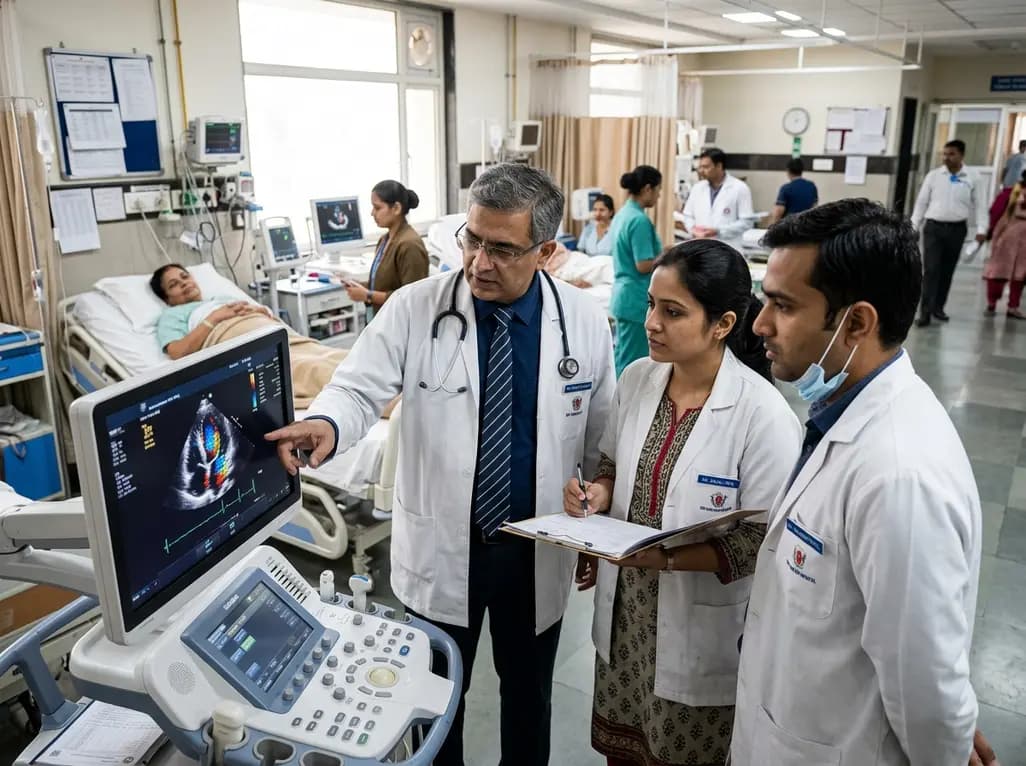
Mayo Clinic trials and real-world datasets show GLP-1 receptor agonists improve left ventricular remodeling, reduce intracardiac filling pressures, decrease hospitalizations by 34%, and lower geriatric fall risks in patients with obesity and heart failure, delivering notable clinical and economic benefits.
Today
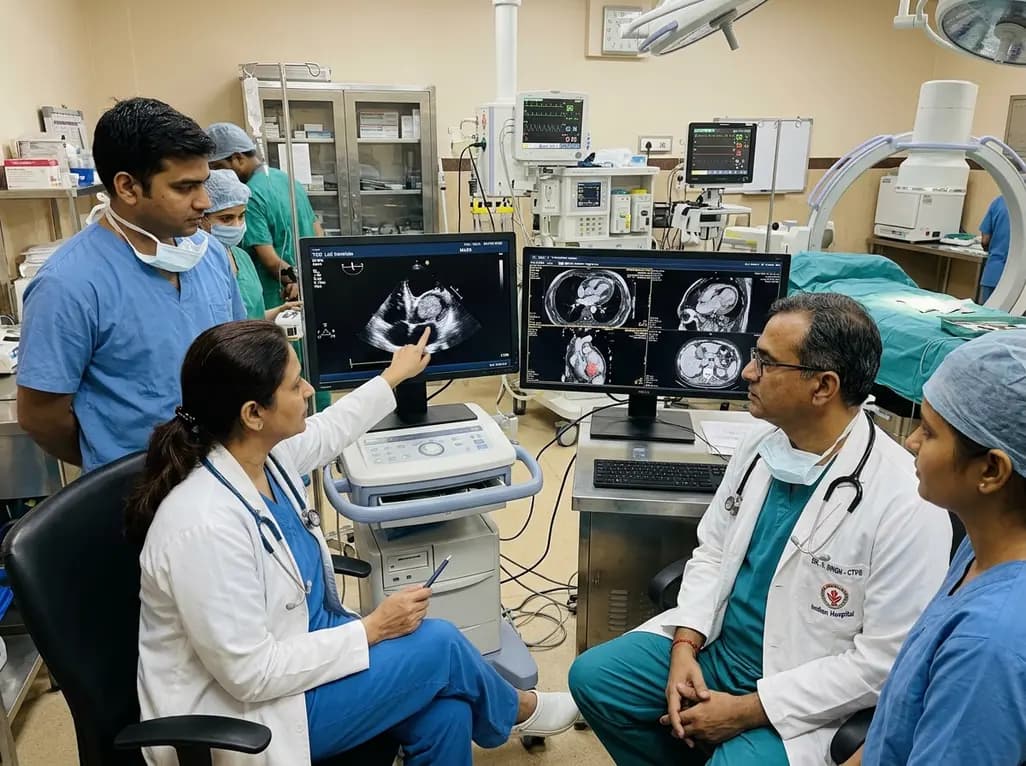
A rare case of an asymptomatic left ventricular hemangioma highlights the vital role of multimodal imaging in differentiating vascular tumors from thrombus. Complete surgical resection under transesophageal echocardiography guidance prevents thromboembolism and delivers optimal outcomes.
Today
A landmark study evaluates long-term quality of life in adolescents and adults with brachial plexus birth injury. Severe functional limitation and limited access to care significantly worsen outcomes, underscoring the urgent need for persistent, multidisciplinary management across adult healthcare transitions.
Today
An analysis of 1,000 posts by macro- and mega-influencers on Instagram and TikTok revealed that 78.5% contained nutrition misinformation, while only 24% of creators held valid credentials. This article examines the clinical risks of viral dietary fads and provides actionable guidance for healthcare professionals.
Today
