

Loading, please wait...
Loading, please wait...

Secondary trigeminal neuralgia poses a significant diagnostic challenge for clinicians. Intracranial benign neoplasms, particularly posterior fossa epidermoids, represent a critical cause of secondary paroxysmal facial pain. Although classical trigeminal neuralgia typically arises from neurovascular conflict in older individuals, epidermoid cysts predominantly affect younger adults. These congenital lesions develop from displaced ectodermal inclusions during early embryogenesis and expand silently along basal cisterns. Historically, neurosurgical series focused primarily on gross tumor excision, operative nuances, and recurrence prevention. However, comprehensive evaluations of functional pain outcomes and distinct phenotypic presentations remained limited.
Recently, landmark evidence from a fifteen-year single-center study analyzed 147 patients harboring cerebellopontine angle epidermoids. Among these patients, 30.6% presented with severe, drug-refractory trigeminal neuralgia. The cohort exhibited an equal gender distribution and an average symptom duration exceeding two years. By evaluating post-treatment pain freedom, this research demonstrates that microvascular tumor extirpation effectively abolishes excruciating craniofacial pain. Consequently, medical practitioners must maintain heightened clinical vigilance when young individuals present with severe, refractory facial shocks.
A major breakthrough from recent investigations is the clinical comparison between isolated facial neuralgia and pain presenting with associated deficits. Notably, isolated trigeminal neuralgia occurred in 55.6% of symptomatic patients. Patients in the isolated cohort presented at a noticeably younger mean age of 30.4 years compared to 37.6 years in patients with deficits. Furthermore, isolated neuralgia strongly correlated with smaller tumor size, measuring under four centimeters in 68% of cases. Conversely, patients presenting with neurological deficits frequently harbored larger lesions exceeding four centimeters in diameter.
Additionally, isolated pain presentations rarely exhibited brainstem distortion, mass effect, or long tract signs. Smaller tumors confined their impact locally, sparing neighboring cranial nerves such as the facial and vestibulocochlear nerves. Importantly, patients with isolated symptoms experienced significantly fewer operative complications, documented at 20% compared to 50% in patients with neurological deficits. Therefore, recognizing isolated paroxysmal facial pain as an early phenotypic marker enables prompt intervention. Timely detection prevents progressive tumor expansion into complex skull-base corridors and substantially reduces surgical morbidity.
The divergent phenotypic manifestations strongly suggest distinct underlying pathophysiological mechanisms between patient subsets. In patients presenting with isolated trigeminal neuralgia, minimal mechanical displacement of the cisternal nerve root occurs. Instead, persistent chemical irritation appears to serve as the primary inciting factor for severe lancinating pain. Posterior fossa epidermoids continuously shed desquamated epithelial keratin, cholesterol crystals, and irritating fatty acids into the subarachnoid space. Consequently, leakage of these caustic chemical products induces sterile, chronic arachnoiditis surrounding the trigeminal root entry zone. This persistent local neuroinflammation destabilizes axonal membranes and triggers intense, spontaneous paroxysmal pain.
In contrast, patients presenting with multimodal neurological deficits experience substantial physical mass effect. As the slow-growing epidermoid cyst attains large dimensions, it progressively encases, distorts, and stretches multiple cranial nerves. Moreover, brainstem displacement and direct distortion of basilar arterial perforators impair local microcirculation, resulting in cranial neuropathies, ataxia, and pyramidal signs. Thus, mechanical compression dominates the advanced clinical picture. Understanding these dual pathological pathways—chemical irritation versus mechanical distortion—explains why relatively small lesions frequently provoke excruciating, pharmacologically resistant pain.
Microsurgical resection represents the cornerstone of management for secondary trigeminal neuralgia caused by posterior fossa epidermoids. Surgeons routinely access the cerebellopontine angle via retrosigmoid craniotomies to debulk tumor matrix and inspect the nerve root. In this landmark cohort, surgical teams achieved gross or near-total tumor resection in 97.8% of patients. Crucially, surgeons must balance complete extirpation against the risk of cranial nerve injury. Because the epithelial capsule frequently adheres to delicate brainstem structures, leaving microscopic fragments is significantly safer than risking severe neurological deficits.
Remarkably, postoperative pain freedom reached exceptional rates among treated patients. Overall, facial pain improved in all 45 patients postoperatively. Specifically, complete pain freedom without medication, defined as Barrow Neurological Institute grade I, occurred in 93.3% of individuals. The remaining 6.7% experienced manageable residual pain classified as grades II and III. For patients with persistent or recurrent neuralgic pain, adjuvant stereotactic Gamma Knife radiosurgery offered a dependable salvage approach. Importantly, long-term surveillance revealed zero tumor recurrences, establishing microsurgical decompression as an extraordinarily durable intervention.
To corroborate single-center outcomes, investigators conducted a PRISMA-guided systematic review analyzing 191 cases across six international series. The pooled literature confirmed uniformly high rates of surgical pain relief, reinforcing the efficacy of surgical resection. However, the analysis revealed considerable variation regarding concomitant microvascular decompression, with usage rates swinging between 0% and 100%. While some neurosurgeons routinely place Teflon felt between offending arterial loops and the nerve, others avoid foreign materials when cyst removal provides sufficient decompression. Careful intraoperative inspection must ultimately guide the decision to transpose adjacent neurovascular contacts.
Finally, these collective insights underscore vital clinical implications for practicing physicians. Young patients presenting with typical trigeminal neuralgia must not receive an presumptive diagnosis of idiopathic disease without comprehensive neuroimaging. Because epidermoid tumors are avascular, non-contrast computed tomography scans frequently misinterpret them as benign arachnoid cysts or cerebrospinal fluid spaces. Therefore, physicians must obtain high-resolution magnetic resonance imaging, specifically including diffusion-weighted sequences. Early radiological recognition permits prompt neurosurgical referral, ensuring durable pain freedom before permanent neurological deficits develop.
Young adults presenting with classic paroxysmal facial pain frequently exhibit secondary etiologies rather than classic neurovascular conflict. Posterior fossa lesions, particularly benign epidermoid cysts, can trigger severe lancinating pain even before gross neurologic deficits manifest. Consequently, prompt contrast-enhanced magnetic resonance imaging remains essential to identify underlying structural pathologies before extensive anatomical compression develops.
Microsurgical cyst excision removes the physical compression and eliminates chronic chemical irritation caused by keratin accumulation. By dissecting the cyst capsule away from the cisternal trigeminal root, surgeons achieve rapid sensory decompression. Furthermore, this intervention yields high rates of pain relief, offering durable symptom control without routinely requiring primary destructive procedures.
When microscopic capsular remnants adhere tenaciously to delicate brainstem structures, aggressive resection risks cranial nerve morbidity. Therefore, clinicians utilize adjuvant Gamma Knife radiosurgery to manage refractory or recurrent pain postoperatively. Focused radiation targets the residual lesion or root entry zone effectively, stabilizing disease progression while maintaining facial sensorimotor integrity and functional patient independence.
Disclaimer: This content is for informational and educational purposes only, does not constitute medical advice, and should not be relied upon as a substitute for professional healthcare consultation, diagnosis, or treatment. Always consult a qualified physician or healthcare provider regarding any medical condition or before making healthcare decisions. The views expressed herein represent current literature and evidence-based consensus, which may evolve over time. Refer to the latest local and national guidelines for clinical practice.
References

Read summarized clinical updates, watch expert medical content, and earn CME certifications right from your smartphone.
Open your smartphone camera to scan and install.





A fifteen-year study evaluates 45 patients with posterior fossa epidermoids presenting with trigeminal neuralgia, revealing distinct phenotypes between isolated pain and neurological deficits, high surgical pain freedom (93.3% BNI-I), and critical implications for early diagnosis.
Today

A 2026 cohort study in Turku University Hospital reveals that specialist palliative care for end-stage liver disease dramatically reduces emergency department visits in the final month of life (48.8% vs 74.1%) and prevents deaths in acute tertiary wards, supporting early integration in decompensated cirrhosis.
Today

A recent survey reveals significant gaps in antenatal providers' adherence to pregnancy oral health guidelines despite positive attitudes. Integrating regular oral screenings, clinician education, and interprofessional dental referrals during prenatal care is crucial to prevent adverse pregnancy outcomes.
Today

A cross-sectional study in Bangladesh demonstrates that an explainable stacking ensemble machine learning model achieves 98.37% accuracy in cardiovascular disease detection. Using local clinical and behavioral data, the model highlights cholesterol, rhythm abnormalities, and blood pressure as leading predictors.
Today
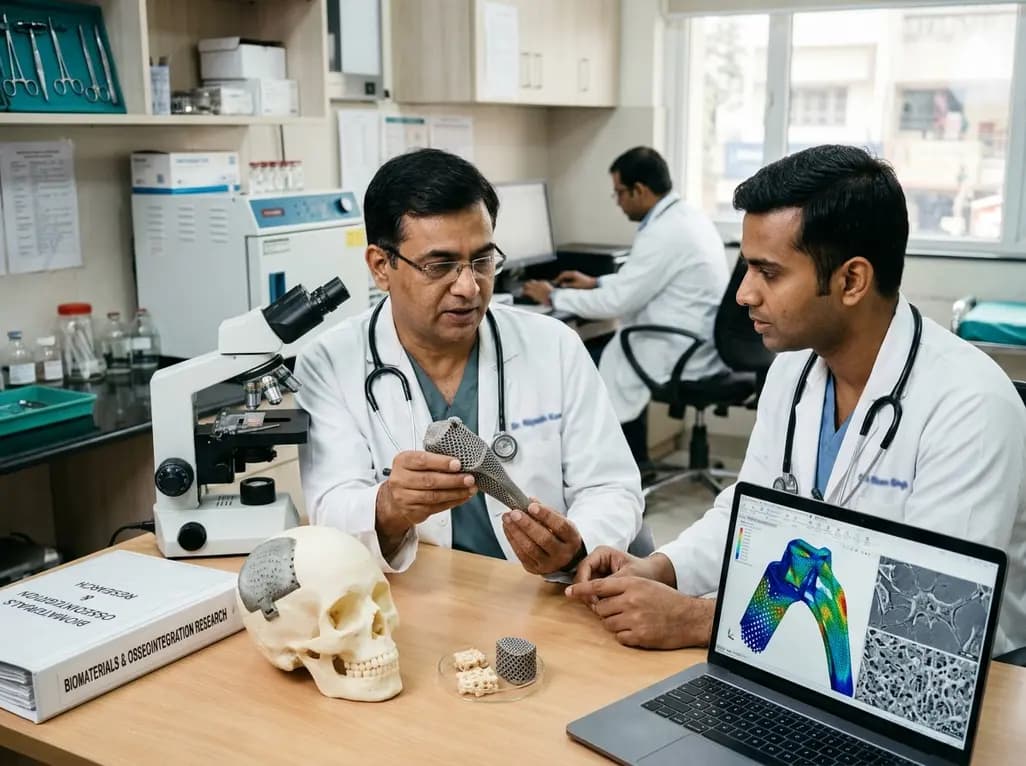
Laser-based powder bed fusion of Ti6Al4V enables custom orthopedic implants. Recent research reveals that heat treatment modulates ductility and wettability, while surface powder morphology drives mesenchymal cell attachment, highlighting crucial design factors for long-term osseointegration.
Today
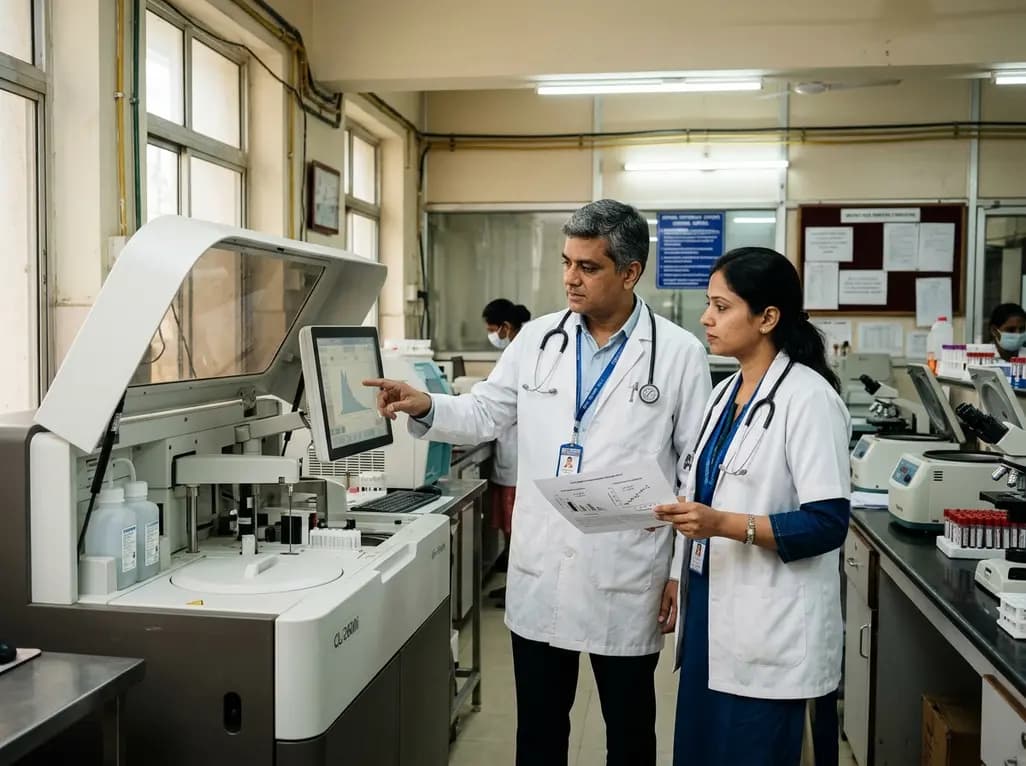
A multicenter study evaluated the CL-2600i immunochemistry analyzer across 640 serum samples, testing endocrinology, infectious disease serology, sepsis markers, and fertility panels. The system demonstrated high analytical trueness, repeatable results with CVs under 5%, and strong correlation with routine platforms.
Today
