

Loading, please wait...
Loading, please wait...

End-stage liver disease presents a formidable challenge for healthcare systems worldwide. Patients routinely endure severe physical distress, recurrent neuropsychiatric complications, and frequent hospitalizations. Historically, clinicians have directed therapeutic efforts primarily toward disease-modifying interventions and organ replacement. However, many individuals with decompensated cirrhosis cannot undergo liver transplantation due to medical contraindications, rapid clinical decline, or donor scarcity. Consequently, patients often experience fragmented end-of-life care marked by repeated emergency visits and invasive interventions. Introducing specialist palliative care alongside standard hepatology treatment provides a compassionate, evidence-based solution. This integrative model alleviates refractory physical symptoms and addresses psychosocial suffering. Recent evidence highlights how supportive teams substantially optimize healthcare utilization during terminal disease stages.
Patients suffering from end-stage liver disease experience a relentless symptom burden that frequently exceeds many advanced malignancies. Common debilitating complications include refractory ascites, fluctuating hepatic encephalopathy, spontaneous bacterial peritonitis, profound sarcopenia, intractable pruritus, and painful muscle cramps. Consequently, these distressing clinical manifestations drive disproportionate health care utilization, leading to repeated emergency department visits and prolonged acute hospital admissions. A recent retrospective cohort study evaluated 122 adult patients with decompensated liver disease who died in 2023 at Turku University Hospital. The patient cohort, with a mean age of 67.4 years and 71% male representation, demonstrated remarkably intense acute care contact. During their final six months of life, 88.5% of these individuals visited the emergency department at least once. In addition, 77.9% required tertiary-level inpatient care during that same interval. These figures underscore the extreme clinical volatility of decompensated cirrhosis. Without structured supportive care pathways, emergency departments inevitably become the default safety net for crisis management.
Despite the profound symptom burden associated with cirrhosis, access to specialist palliative care remains disappointingly restricted across clinical hepatology centers. In the evaluated Finnish cohort, only 33.6% of patients ever received specialist supportive care consultations before their death. Furthermore, the median consultation window was merely 38 days prior to death. This delayed referral timeline reveals that clinicians often involve palliative teams solely as a terminal measure rather than an early intervention. Nevertheless, even limited exposure yielded substantial clinical benefits during the final month of life. Specifically, patients who accessed specialist palliative care had significantly fewer emergency department visits during their final thirty days compared to non-referred patients (48.8% vs. 74.1%, p = 0.008). This notable reduction illustrates that timely advance care planning can preempt acute medical crises. When multidisciplinary teams actively educate caregivers and coordinate outpatient interventions, preventable emergency presentations drop substantially. Thus, structured supportive consultations effectively replace chaotic hospital escalations with deliberate, compassionate interventions.
The location where a patient dies represents a vital indicator of end-of-life care quality and resource appropriateness. In the evaluated hospital cohort, profound differences emerged between patients who received specialist supportive care and those managed with standard acute protocols. Among non-palliative care patients, 45.7% died inside acute tertiary-care hospital wards, and 6.2% passed away in the emergency department. In stark contrast, none of the patients enrolled in specialist supportive care died in either acute hospital setting. Instead, 82.9% of individuals receiving dedicated palliative support died peacefully within an inpatient palliative care unit. Furthermore, home deaths occurred in 27.2% of non-referred patients and 4.9% of referred patients. Primary care ward deaths accounted for 19.8% in the non-referred group and 12.2% in the palliative group. Transitioning patients to dedicated palliative units ensures continuous pain control, emotional support, and family presence without the noisy disruptions of acute resuscitation bays. Therefore, specialist palliative integration prevents distressing deaths in high-intensity tertiary settings.
Several entrenched institutional and cultural hurdles historically impede early supportive care referrals for patients facing chronic hepatic decompensation. First, the unpredictable trajectory of cirrhosis creates clinical ambiguity. Patients frequently rebound from severe decompensating episodes before experiencing sudden fatal declines. Consequently, hepatologists often struggle to establish an accurate prognostic timeline, delaying supportive care discussions until death appears imminent. Second, many clinicians and patients mistakenly equate palliative care solely with hospice and comfort care. They assume that a supportive referral implies abandoning active, disease-directed medical treatments. However, contemporary guidelines from major hepatology societies emphasize that supportive care must run concurrently with active therapies, including liver transplant evaluations. In addition, liver specialists frequently lack formal training in structured communication tools and specialized symptom palliation, such as prescribing non-nephrotoxic analgesics. Overcoming these barriers requires widespread educational initiatives that reframe supportive care as an essential pillar of comprehensive hepatology management. When clinicians normalize concurrent palliative care, patients experience lower anxiety and fewer crisis-driven admissions.
In India, the burden of end-stage liver disease continues to climb rapidly, driven by alcohol use, metabolic dysfunction-associated steatohepatitis, and chronic viral hepatitis. Most tertiary hospitals operate under intense bed pressure, leaving minimal capacity for prolonged terminal admissions. Consequently, families frequently encounter catastrophic out-of-pocket healthcare expenses when managing terminal hepatic failure within high-cost intensive care units. Introducing structured palliative care pathways early during decompensated cirrhosis provides an urgent, cost-effective remedy for Indian healthcare facilities. Gastroenterologists, internists, and primary care physicians must cultivate core competencies in primary palliative care. Key priorities include proactive advance care planning, caregiver education, and aggressive outpatient symptom relief. Moreover, establishing regional community hospice networks and home-based palliative programs can alleviate the overwhelming strain on tertiary teaching hospitals. Telemedicine consultations can also bridge geographic divides, ensuring rural patients receive specialized symptom guidance without traveling extensive distances. By adopting proactive referral triggers, Indian clinicians can ensure humane, patient-centered care while optimizing critical acute resources.
Clinicians should initiate specialist palliative care early in the disease trajectory, ideally upon the first hospitalization for hepatic decompensation or when transplant ineligibility becomes apparent. Furthermore, patients experiencing refractory ascites, recurrent encephalopathy, or intractable pain benefit immediately from collaborative care. Waiting until the final weeks of life restricts the therapeutic advantages of advance care planning, whereas concurrent early integration significantly optimizes symptom control, reduces acute distress, and guides families through complex prognostic uncertainties.
Yes, patients listed for liver transplantation can and should receive concurrent palliative care. Palliative medicine does not require the cessation of curative or restorative treatments. Instead, supportive specialists focus on alleviating debilitating physical symptoms, easing psychological stress, and supporting caregivers during the challenging pre-transplant waiting period. Consequently, this collaborative approach improves overall functional status, enhances quality of life, and ensures patients remain physically and emotionally resilient while awaiting donor organ availability.
Specialist palliative care significantly decreases emergency department utilization by proactively addressing anticipated clinical complications before they escalate into acute medical crises. Palliative teams establish comprehensive home-management protocols, educate caregivers regarding early warning signs, and clarify individualized goals of care. As demonstrated in recent cohort findings, cirrhosis patients receiving specialized supportive consultations experienced substantially fewer emergency admissions during their final month of life, effectively avoiding chaotic, distressing interventions in tertiary emergency facilities.
Disclaimer: This content is for informational and educational purposes only... Refer to the latest local and national guidelines for clinical practice.
References

Read summarized clinical updates, watch expert medical content, and earn CME certifications right from your smartphone.
Open your smartphone camera to scan and install.





A 2026 cohort study in Turku University Hospital reveals that specialist palliative care for end-stage liver disease dramatically reduces emergency department visits in the final month of life (48.8% vs 74.1%) and prevents deaths in acute tertiary wards, supporting early integration in decompensated cirrhosis.
Today

A recent survey reveals significant gaps in antenatal providers' adherence to pregnancy oral health guidelines despite positive attitudes. Integrating regular oral screenings, clinician education, and interprofessional dental referrals during prenatal care is crucial to prevent adverse pregnancy outcomes.
Today
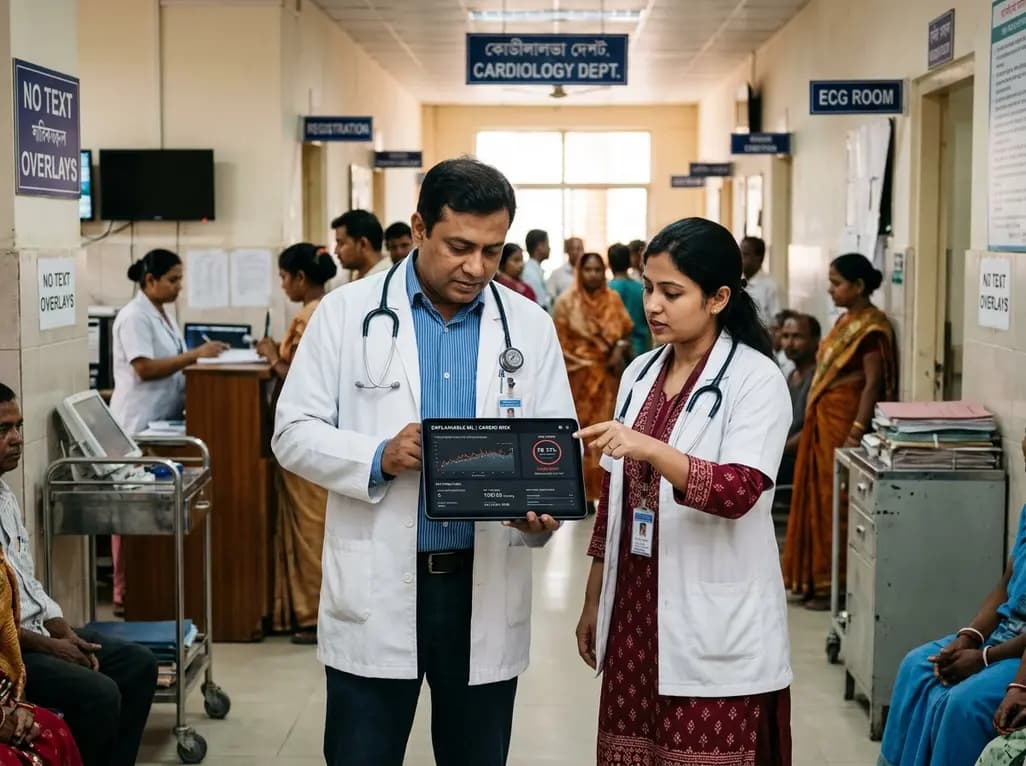
A cross-sectional study in Bangladesh demonstrates that an explainable stacking ensemble machine learning model achieves 98.37% accuracy in cardiovascular disease detection. Using local clinical and behavioral data, the model highlights cholesterol, rhythm abnormalities, and blood pressure as leading predictors.
Today
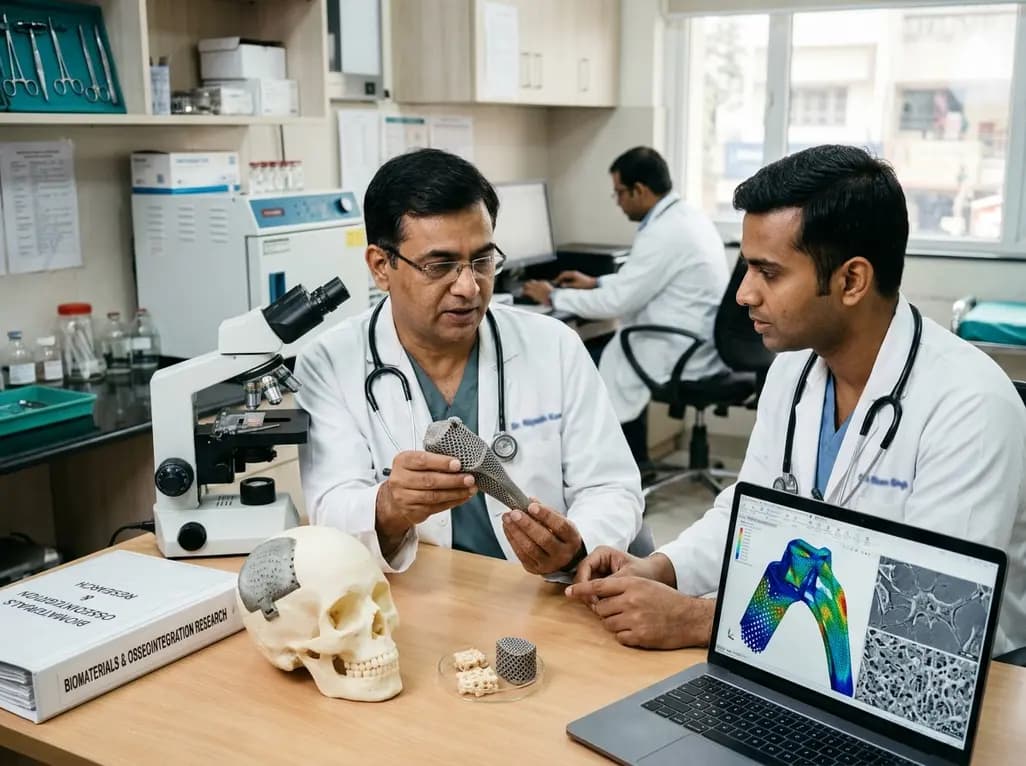
Laser-based powder bed fusion of Ti6Al4V enables custom orthopedic implants. Recent research reveals that heat treatment modulates ductility and wettability, while surface powder morphology drives mesenchymal cell attachment, highlighting crucial design factors for long-term osseointegration.
Today
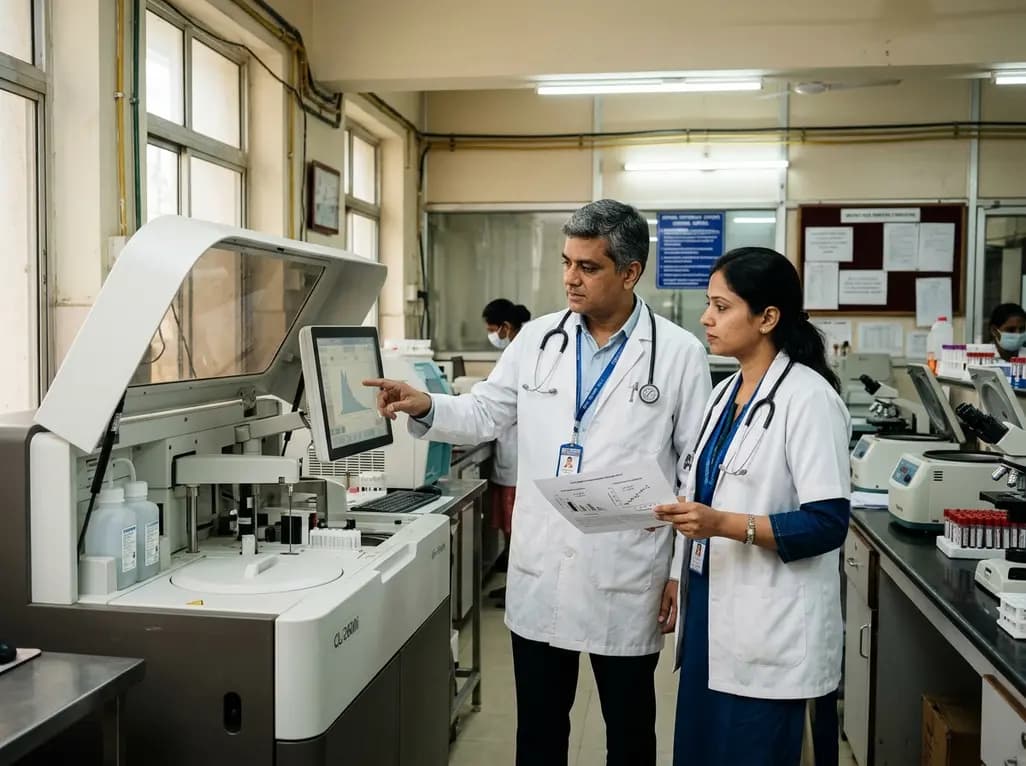
A multicenter study evaluated the CL-2600i immunochemistry analyzer across 640 serum samples, testing endocrinology, infectious disease serology, sepsis markers, and fertility panels. The system demonstrated high analytical trueness, repeatable results with CVs under 5%, and strong correlation with routine platforms.
Today
