

Loading, please wait...
Loading, please wait...

Maintaining maternal wellness requires holistic approaches, yet clinicians frequently overlook dentition during routine prenatal visits. Optimizing oral health during pregnancy directly protects both the expectant mother and the developing fetus from avoidable systemic complications. However, clinical implementation often lags significantly behind evidence-based national directives. A recent Australian survey revealed that while healthcare workers value dental care, few antenatal providers actively follow clinical guidance. Consequently, pregnant women frequently miss crucial preventative examinations, dietary advice, and early periodontal therapy. Addressing this systemic disparity demands an understanding of provider practices and systematic multidisciplinary coordination across clinical settings.
Clinical guidelines explicitly recommend routine oral examinations, maternal counselling, and dental referrals across gestation. Nevertheless, substantial implementation gaps persist among frontline antenatal clinicians. In a recent cross-sectional survey evaluating Australian antenatal care providers across Tasmania, researchers discovered that only 37.8% of respondents demonstrated baseline awareness of established oral health recommendations. Furthermore, merely 8.1% of clinicians reported high familiarity with specific directive details. Although most providers exhibited positive attitudes toward maternal dental welfare, only 33.3% consistently adhered to formal screening protocols. Consequently, these findings highlight a profound disconnect between supportive clinical intentions and daily practice realities. Midwives, nurses, and obstetricians frequently express strong support for oral care, yet systemic hurdles impede regular screening. In addition, the survey identified targeted oral health education as an indispensable predictor of guideline familiarity. Providers who completed structured perinatal dental training displayed significantly greater confidence during clinical examinations. Therefore, health systems must bridge the persistent translation divide through institutional standardisation, regular continuing education, and automated clinical prompts that remind clinicians during early gestation.
Elevated systemic progesterone and estrogen levels induce significant gingival vascular alterations during pregnancy. Consequently, pregnant women display heightened vulnerability to inflammatory periodontal diseases, including pyogenic granulomas and pregnancy gingivitis. When maternal oral hygiene deteriorates, pathogenic subgingival bacteria, such as Porphyromonas gingivalis, proliferate rapidly. Moreover, chronic periodontitis triggers the hematogenous dissemination of inflammatory cytokines, including tumor necrosis factor-alpha and interleukin-6, into the fetoplacental unit. As a result, unchecked maternal periodontal disease correlates strongly with adverse obstetric outcomes, such as preterm birth, preeclampsia, and low birth weight. Additionally, high maternal salivary counts of Streptococcus mutans facilitate early vertical colonization in neonates, substantially elevating pediatric dental caries risk later in childhood. Therefore, promoting oral health during pregnancy directly addresses preventable perinatal morbidity while improving long-term pediatric outcomes. Routine maternal checkups provide an exceptional window of opportunity where antenatal clinicians can spot gingival bleeding, counsel on fluoridated dentifrice, and arrange timely interventions. Ultimately, dental evaluations represent an essential component of comprehensive prenatal assessment rather than an elective postpartum consideration.
Despite recognizing dental importance, antenatal care providers encounter formidable operational barriers that prevent routine oral health evaluation. First, consultation time constraints force obstetricians and midwives to prioritize acute obstetric concerns, such as gestational hypertension and fetal growth monitoring. Consequently, clinicians rarely find sufficient time to examine oral cavities or discuss dental hygiene practices. Second, antenatal professionals frequently report inadequate undergraduate dental training, which produces profound diagnostic uncertainty and apprehension. Providers fear recommending procedures that might inadvertently compromise fetal safety. For instance, many clinicians mistakenly believe that local anesthetics, diagnostic dental radiographs, and tooth extractions carry significant fetal hazards. In contrast, major medical consensus statements confirm that dental diagnostics and therapeutic procedures remain completely safe throughout all trimesters. Third, fragmented communication channels between obstetric teams and private dental practices exacerbate referral inertia. Because independent dental directories rarely synchronize with public antenatal registries, clinicians struggle to navigate external referral pathways. Thus, structural siloing leaves vulnerable pregnant patients without affordable, accessible professional dental care throughout their pregnancies.
Overcoming existing guideline implementation barriers requires simple, standardized clinical screening tools within routine antenatal workflows. Frontline maternity staff can seamlessly incorporate a brief three-question oral screening protocol during initial booking visits. Specifically, clinicians should ask whether the woman experiences gum bleeding, suffers from tooth pain, or has visited a dentist within the past year. Furthermore, visual inspection of maternal gingiva and teeth requires less than two minutes during basic physical assessments. If an expectant mother exhibits gingival swelling, caries, or neglected hygiene, clinicians must arrange immediate dental referral. Additionally, antenatal staff should provide evidence-based hygiene education early in gestation. Clinicians must advise women to brush twice daily using fluoridated toothpaste, clean interdental spaces, and rinse with water following morning sickness episodes to neutralize gastric acids. Moreover, maternal health clinics should distribute standardized educational brochures highlighting gestational dental safety. When healthcare teams embed visual dental reminders and automated order prompts directly into electronic medical records, compliance rates among providers improve markedly.
Sustainable improvements in maternal oral health depend heavily on cohesive interprofessional collaboration between dental practitioners, obstetricians, and midwives. Health organizations must dismantle professional isolation by establishing bidirectional referral protocols and shared electronic medical health records. For example, joint clinical pathways allow obstetric clinicians to refer high-risk pregnant patients to affiliated dental clinics rapidly and securely. In return, treating dental professionals can report periodontal therapy details directly back to the primary antenatal care team. Furthermore, institutional leaders must integrate comprehensive perinatal oral health modules into nursing, midwifery, and medical postgraduate curricula. Ongoing professional development workshops can reinforce provider confidence and dispel persistent clinical misconceptions regarding gestational medications and radiographic safety. Importantly, policymakers must address public financial disparities by subsidizing preventive dental services within maternal public healthcare programs. In countries like India, expanding maternal health schemes to cover perinatal dental cleaning and restorations would drastically decrease systemic barriers. Ultimately, unifying antenatal care and oral healthcare creates an integrated safety net that elevates maternal well-being and neonatal vitality.
Yes, diagnostic and restorative dental treatments are safe throughout pregnancy. Local anesthetics with epinephrine, diagnostic radiographs using abdominal shielding, scaling, and tooth extractions do not harm fetal development. Delaying essential dental care increases systemic infection risks and maternal discomfort. Although the second trimester provides the most comfortable positioning, emergency interventions for oral pain or active infections should proceed immediately, regardless of gestational age.
Chronic maternal periodontitis triggers local inflammatory responses and bacteremia. Circulating periodontopathogens and pro-inflammatory mediators, such as interleukin-6 and prostaglandin E2, penetrate the placental barrier and maternal circulation. Consequently, this systemic cascade induces uterine muscle contractions, cervical ripening, and placental dysfunction. These pathological processes significantly increase maternal risks of developing preeclampsia, preterm delivery, and low birth weight infants. Maintaining optimal periodontal health substantially reduces maternal systemic inflammatory burden.
Antenatal clinicians must advise pregnant patients experiencing morning sickness not to brush their teeth immediately following vomiting. Gastric acid temporarily softens enamel, making teeth vulnerable to mechanical erosion from toothbrushes. Instead, patients should immediately rinse their mouths with tap water or a diluted sodium bicarbonate solution to neutralize residual oral acidity. Patients can resume gentle toothbrushing thirty minutes later using fluoridated toothpaste to remineralize tooth surfaces effectively.
Disclaimer: This content is for informational and educational purposes only and does not constitute medical advice or establish a doctor-patient relationship. Qualified healthcare professionals should make all clinical decisions. Refer to the latest local and national guidelines for clinical practice.
References

Read summarized clinical updates, watch expert medical content, and earn CME certifications right from your smartphone.
Open your smartphone camera to scan and install.





A recent survey reveals significant gaps in antenatal providers' adherence to pregnancy oral health guidelines despite positive attitudes. Integrating regular oral screenings, clinician education, and interprofessional dental referrals during prenatal care is crucial to prevent adverse pregnancy outcomes.
Today

Recent discoveries reveal that cardiomyocyte subpopulations produce autonomic signalling molecules like catecholamines and acetylcholine. This intrinsic paracrine machinery coordinates cardiac conduction and rhythm, offering innovative therapeutic avenues for arrhythmias and progressive heart failure.
Today
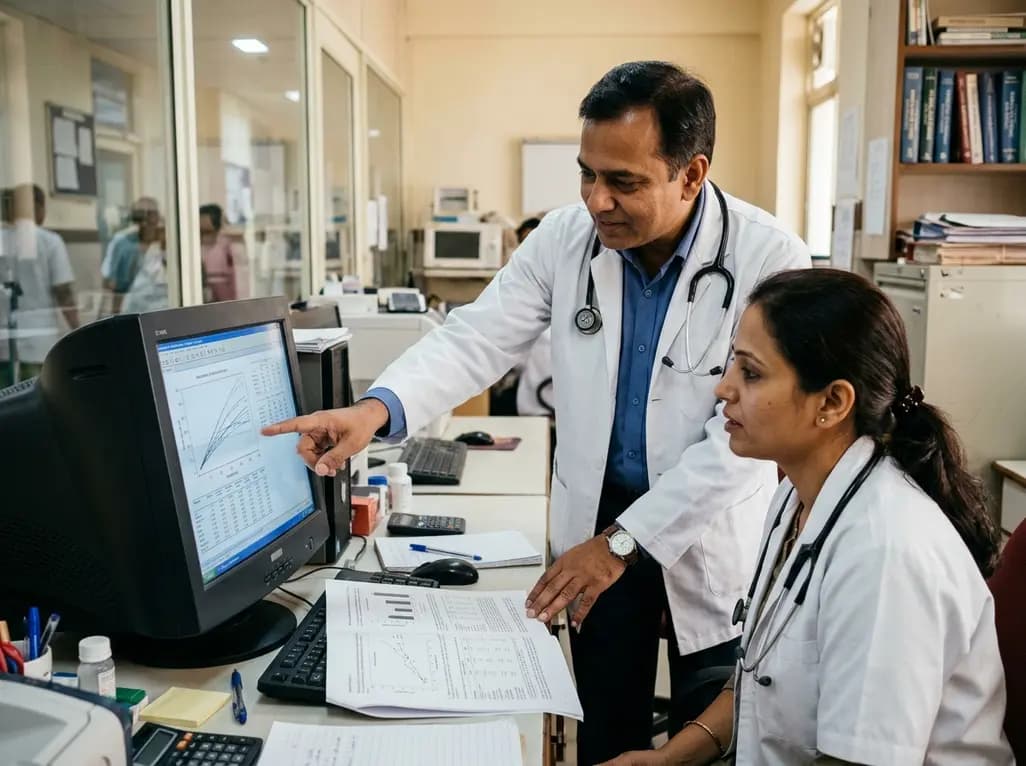
A patient-based simulation study reveals that conventional 10% bias in mean normal prothrombin time causes up to 19.2% clinical reclassification in warfarin therapy. Restricting bias to ±2.5% eliminates major INR discrepancies, urging diagnostic laboratories to tighten analytical verification thresholds.
Today
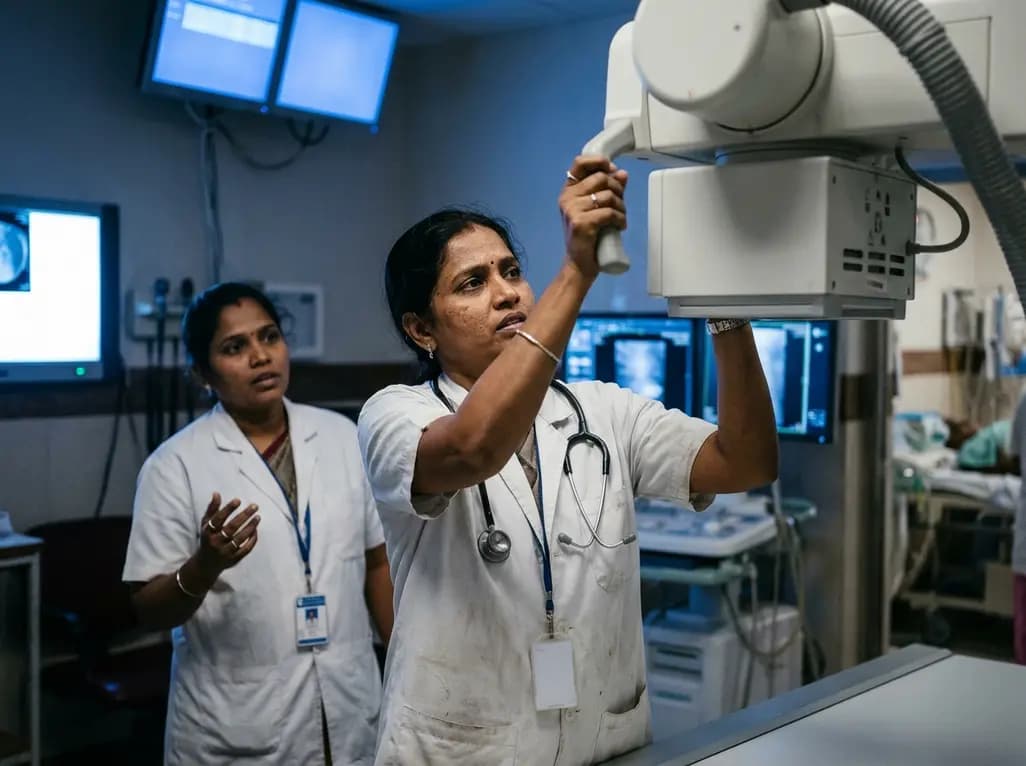
A systematic review and meta-analysis reveals that 67% of radiographers experience work-related musculoskeletal disorders. Key drivers include unassisted patient repositioning and repetitive equipment manipulation. Departments must prioritize proactive ergonomic interventions and safe handling protocols.
Today

Recent physiological findings demonstrate that myoglobin acts beyond oxygen transport, significantly regulating skeletal muscle glucose metabolism and mitochondrial bioenergetics. Understanding these intracellular metabolic shifts offers fresh insights into metabolic health and exercise physiology.
Today
