

Loading, please wait...
Loading, please wait...
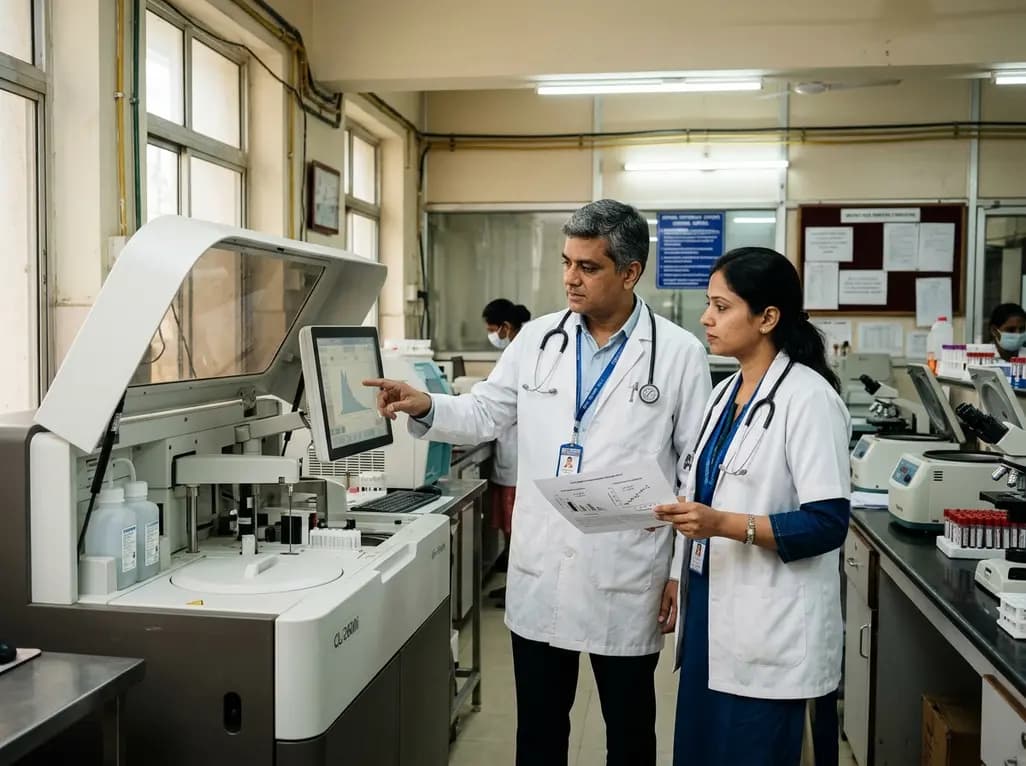
Modern clinical laboratories face increasing demands for rapid diagnostic turnaround and high precision across diverse clinical panels. Therefore, diagnostic platforms must provide robust analytical reproducibility and strict regulatory compliance. A recent multicenter investigation evaluated the performance of the CL-2600i immunochemistry analyzer across endocrinology, infectious disease, inflammatory, and fertility biomarkers. Furthermore, the researchers validated its analytical trueness using rigorous Clinical and Laboratory Standards Institute protocols. Consequently, these findings offer critical insight for pathologists and clinicians seeking reliable automated immunoassay solutions.
The multicenter clinical evaluation examined the analytical accuracy of the platform using 640 patient serum samples. Specifically, investigators selected a comprehensive diagnostic panel spanning routine endocrinology, serology, acute inflammation, and reproductive endocrinology. The endocrine panel evaluated Free Triiodothyronine (FT3), Free Thyroxine (FT4), Total Triiodothyronine (T3), Total Thyroxine (T4), and Thyroid-Stimulating Hormone (TSH). Additionally, the infectious disease panel examined antibodies against Human Immunodeficiency Virus (HIV Ab), Treponema pallidum (Anti-TP), and Hepatitis C Virus (Anti-HCV). For acute inflammation, researchers analyzed Procalcitonin (PCT) and Interleukin-6 (IL-6). Furthermore, the fertility assessment measured human chorionic gonadotropin (beta-hCG).
To ensure standardized validation, the team adhered strictly to recognized international guidelines. They applied CLSI EP5-A2 protocols for repeatability and precision testing. Meanwhile, they utilized CLSI EP6-A2 to establish analytical linearity and operational range. Clinical agreement for qualitative tests followed the CLSI EP12-A2 recommendations. Moreover, researchers assessed sample carryover using the established CLSI EP7-A procedure. Consequently, this rigorous methodological structure provided comprehensive verification of instrument stability and measurement integrity across varied laboratory environments.
Endocrine testing requires exceptional analytical sensitivity to distinguish subtle hormonal imbalances. In this study, the analyzer achieved remarkable analytical trueness across all tested thyroid hormones. Specifically, precision and repeatability experiments demonstrated coefficients of variation below 5% for all five endocrine analytes. Consequently, laboratory teams can trust repeat measurements during longitudinal disease monitoring.
Furthermore, method comparison against established routine immunoassay platforms demonstrated outstanding statistical correlation. The Spearman correlation coefficient reached 0.990 for TSH, indicating virtually identical performance to reference laboratory standards. Similarly, FT4 and FT3 demonstrated strong correlation coefficients of 0.908 and 0.948, respectively. In addition, the system demonstrated excellent linearity across the physiological and pathological measurement intervals. Therefore, clinicians evaluating thyroid dysfunction can rely on these automated measurements for therapeutic decision-making. Pathologists frequently encounter challenging thyroid cases where analytical drift could misguide clinical dosing. However, the analyzer maintained stable recovery rates throughout testing cycles. As a result, endocrinologists obtain dependable data when titrating levothyroxine or managing hyperthyroid patients.
Screening for transfusion-transmissible and chronic infectious pathogens demands near-perfect sensitivity and specificity. Therefore, the evaluation systematically assessed qualitative serological markers using CLSI EP12-A2 clinical agreement guidelines. The infectious disease testing panel evaluated antibodies directed against HIV, Treponema pallidum, and Hepatitis C virus. Notably, the analyzer demonstrated complete diagnostic concord with established reference platforms across all positive and negative serum samples.
In addition, the advanced optical and washing technologies prevented false-positive and false-negative classifications. Sample carryover represents a critical concern in high-throughput serological screening because reactive samples could cross-contaminate negative specimens. However, carryover assessment under CLSI EP7-A demonstrated negligible analyte persistence. Specifically, the system maintained carryover rates below acceptable international analytical thresholds. Consequently, blood banks and clinical pathology centers can safely process high-volume serological screenings without compromising patient safety. Furthermore, rapid qualitative discrimination ensures swift triage for time-sensitive clinical decisions. As a result, healthcare facilities can efficiently confirm infectious exposures while minimizing repeat confirmatory testing burdens.
Critical care medicine depends on rapid and precise quantification of acute inflammatory biomarkers. Specifically, clinicians rely heavily on Procalcitonin (PCT) and Interleukin-6 (IL-6) for diagnosing bacterial sepsis and guiding antibiotic stewardship. In this evaluation, both biomarkers showed exceptional analytical precision, with coefficients of variation remaining strictly under 5%. Furthermore, method comparison studies confirmed excellent alignment with reference laboratory platforms.
The Spearman correlation coefficient reached 0.971 for PCT and 0.965 for IL-6. Therefore, intensive care teams can confidently track sepsis trajectories and therapeutic response in real time. Moreover, the analyzer demonstrated linear recovery across broad biological concentration ranges. This wide analytical measurement interval is essential during hyperinflammatory states, such as cytokine release syndrome or septic shock. In addition, the instrument provided rapid test turnaround times. Consequently, emergency departments can swiftly differentiate severe bacterial infections from sterile inflammation. By expediting early diagnosis, the platform supports prompt antimicrobial initiation in vulnerable patients. Ultimately, such diagnostic precision enhances therapeutic efficacy while preventing unnecessary broad-spectrum antibiotic overuse in hospital settings.
Beyond analytical accuracy, modern diagnostic laboratories require streamlined operational efficiency and space-saving hardware design. The analyzer delivers a throughput of up to 240 tests per hour while occupying less than one square meter of floor space. Consequently, mid-volume pathology centers can expand their diagnostic capacity without costly infrastructure expansion. Furthermore, automated sample management and extended walkaway capabilities significantly reduce hands-on technologist time.
In addition, advanced liquid handling systems eliminate common pre-analytical interferences. For example, specialized sampling technologies mitigate issues caused by bubbles, static electrical charges, or serum liquid films. Similarly, automated vacuum washing systems ensure pristine reaction vessels, preventing signal degradation. As a result, laboratory teams achieve higher first-pass accuracy and fewer manual re-runs. Moreover, the analyzer integrates smoothly with automated clinical chemistry modules, creating a versatile consolidated workstation. Therefore, healthcare networks can standardize both immunoassay and biochemistry workflows under a unified operational interface. Ultimately, these combined engineering and analytical strengths improve laboratory productivity and elevate overall clinical care standards.
The analyzer demonstrates superior analytical precision across all tested parameters, maintaining coefficients of variation below 5% for both repeatability and total precision. Furthermore, evaluations following CLSI EP5-A2 confirmed remarkable consistency across thyroid profiles, infectious disease serology, and critical care inflammatory biomarkers. Consequently, clinical laboratories can rely on stable, reproducible results without significant between-run drift, ensuring accurate long-term monitoring for endocrine disorders and acute systemic conditions.
The multicenter evaluation examined 640 serum samples across four key diagnostic areas. Specifically, the panel assessed endocrinology markers, including FT3, FT4, T3, T4, and TSH, alongside the reproductive biomarker beta-hCG. Additionally, investigators evaluated infectious disease serology involving HIV, Treponema pallidum, and Hepatitis C virus antibodies. Finally, the researchers rigorously validated critical inflammatory biomarkers, specifically Procalcitonin and Interleukin-6, demonstrating high analytical trueness across all tested clinical categories.
Method comparison studies showed strong statistical correlation with established routine diagnostic analyzers across all quantitative analytes. Specifically, the Spearman correlation coefficients reached 0.990 for TSH, 0.971 for Procalcitonin, 0.965 for Interleukin-6, 0.948 for FT3, and 0.908 for FT4. Moreover, qualitative infectious serology demonstrated complete diagnostic agreement. Therefore, clinical laboratories can seamlessly transition to this platform without observing disruptive measurement shifts or compromising patient diagnostic continuity.
Disclaimer: This content is for informational and educational purposes only... Refer to the latest local and national guidelines for clinical practice.
References

Read summarized clinical updates, watch expert medical content, and earn CME certifications right from your smartphone.
Open your smartphone camera to scan and install.





A multicenter study evaluated the CL-2600i immunochemistry analyzer across 640 serum samples, testing endocrinology, infectious disease serology, sepsis markers, and fertility panels. The system demonstrated high analytical trueness, repeatable results with CVs under 5%, and strong correlation with routine platforms.
Today

A recent survey reveals significant gaps in antenatal providers' adherence to pregnancy oral health guidelines despite positive attitudes. Integrating regular oral screenings, clinician education, and interprofessional dental referrals during prenatal care is crucial to prevent adverse pregnancy outcomes.
Today

A cross-sectional study in Bangladesh demonstrates that an explainable stacking ensemble machine learning model achieves 98.37% accuracy in cardiovascular disease detection. Using local clinical and behavioral data, the model highlights cholesterol, rhythm abnormalities, and blood pressure as leading predictors.
Today

Laser-based powder bed fusion of Ti6Al4V enables custom orthopedic implants. Recent research reveals that heat treatment modulates ductility and wettability, while surface powder morphology drives mesenchymal cell attachment, highlighting crucial design factors for long-term osseointegration.
Today
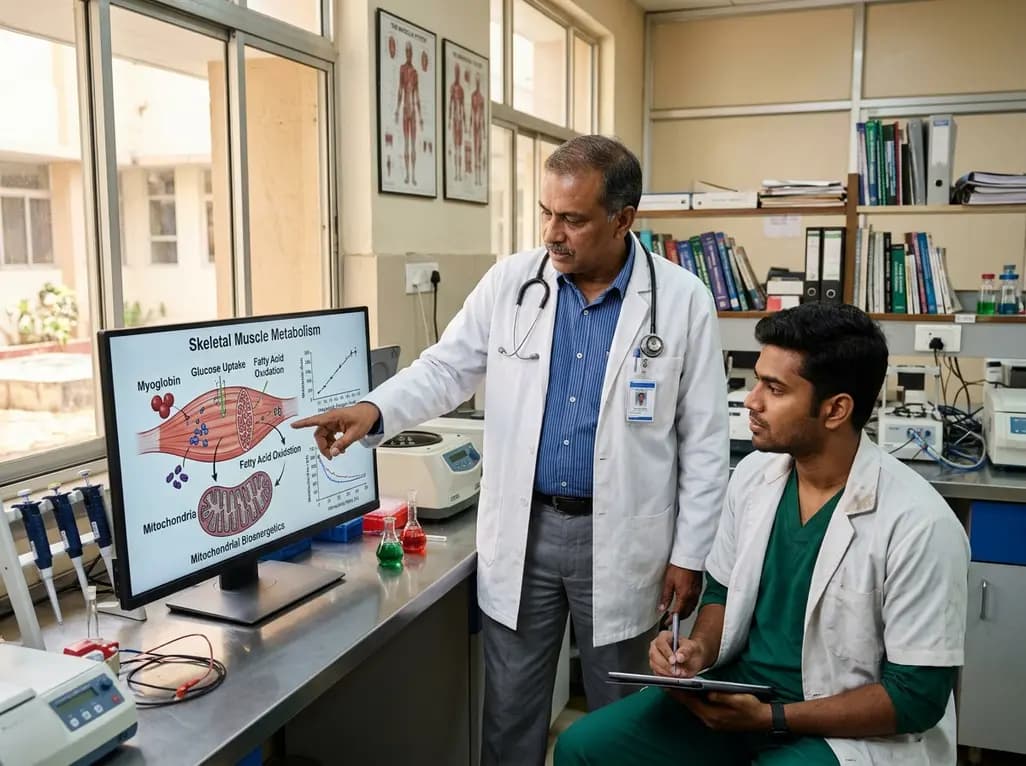
Recent physiological findings demonstrate that myoglobin acts beyond oxygen transport, significantly regulating skeletal muscle glucose metabolism and mitochondrial bioenergetics. Understanding these intracellular metabolic shifts offers fresh insights into metabolic health and exercise physiology.
Yesterday
