.webp&w=384&q=75)

Loading, please wait...
Loading, please wait...
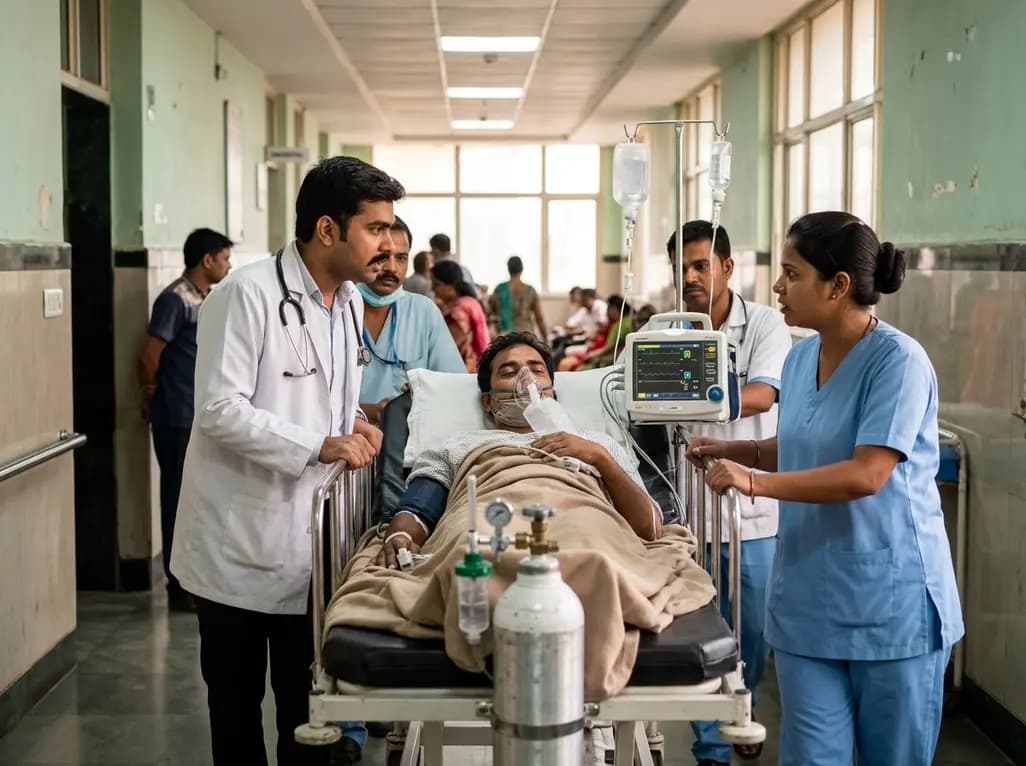
Transferring surgical patients from the operating room to postanesthesia care units or surgical wards represents a vulnerable transition period. Clinicians often assume that meeting initial extubation and emergence criteria ensures complete physiological stability. However, recent clinical evidence demonstrates that intrahospital transport safety remains compromised by frequent respiratory desaturation, dynamic heart rate fluctuations, and inconsistent documentation. A comprehensive retrospective study of 255 surgical patients undergoing intrahospital transfer after general anesthesia revealed substantial clinical risks during this brief transit window. Even when transport durations averaged less than ten minutes, patients frequently exhibited rapid physiological changes that demanded immediate intervention. Consequently, perioperative care teams must reassess traditional transport practices and establish robust, standardized safeguards to prevent avoidable adverse outcomes.
Respiratory depression represents the most acute hazard during the postoperative transfer phase. Residual neuromuscular blockade, lingering inhaled or intravenous anesthetics, and opioid-induced hypoventilation frequently blunt airway reflexes. In the retrospective analysis of 255 general anesthesia cases, the incidence of significant hypoxemia, defined as oxygen saturation dropping below 90%, reached an alarming 50.59%. The mean minimum peripheral oxygen saturation recorded across transits was 88.96%, underscoring widespread occult desaturation. When patients breathe ambient room air without supplemental oxygen, transient upper airway obstruction and atelectasis rapidly compromise ventilation-perfusion ratios. Therefore, clinicians cannot rely solely on brief pre-transport clinical assessments. Routine portable supplemental oxygen delivery and continuous pulse oximetry must become standard operational procedures during every transfer, regardless of perceived patient stability.
In addition to severe respiratory variations, patients undergoing transfer experience pronounced circulatory fluctuations. Emergence excitement, surgical pain, shivering, and rapid physical movement trigger heightened autonomic activity. The study identified substantial pulse rate volatility, with the mean maximum pulse rate reaching 89.22 beats per minute alongside broad standard deviations. Tachycardia combined with subclinical hypoxemia significantly increases myocardial oxygen demand, posing severe risks for patients with underlying cardiovascular disease. Furthermore, sudden postural adjustments during gurney transfers can induce orthostatic hypotension or provoke vagal responses. Because these dynamic shifts unfold outside fully equipped critical care areas, bedside providers must anticipate acute circulatory changes. Establishing strict pre-transfer hemodynamic stabilization benchmarks effectively mitigates unexpected cardiovascular decompensation during transit.
Continuous physiological surveillance often breaks down during physical movement between hospital wards. The investigative cohort revealed an overall monitoring data integrity rate of only 75.35%, exposing significant gaps in patient oversight. When portable telemetry fails, becomes disconnected, or goes unmonitored by escorting personnel, acute clinical deterioration proceeds unnoticed. Incomplete records also obscure the true onset of post-anesthetic complications, impeding prompt interventions upon arrival at the receiving unit. These surveillance gaps stem from equipment shortages, cumbersome cables, and an erroneous belief that brief transport times carry negligible risk. Addressing these vulnerabilities requires resilient wireless monitoring technology and unified documentation workflows that capture continuous real-time parameters from bed departure to arrival.
Eliminating transport-associated morbidity requires systematic procedural modernization across surgical and intensive care departments. Hospitals must develop structured checklists that verify vital sign criteria, patent intravenous access, and portable airway equipment availability prior to transit. The accompanying transport team must include trained personnel who possess advanced airway management skills and resuscitation expertise. Additionally, structured communication protocols, such as SBAR tools, ensure effective clinical handoffs between surgical teams and receiving ward nurses. Standardizing these procedures transforms transport from an informal logistical task into a formal clinical intervention. By instituting mandatory safety pauses before rolling the gurney, multidisciplinary teams can verify patient readiness and guarantee transport readiness.
Leveraging modern digital infrastructure offers powerful solutions to enhance intrahospital transport safety. Wearable biosensors, synchronized mobile monitors, and automated electronic medical record integration eliminate data blind spots during transfers. These tools provide continuous visual and audible alarms that instantly alert transport staff to declining oxygen saturation or emergent arrhythmias. Concurrently, healthcare institutions must cultivate a non-punitive safety culture through regular interdisciplinary simulation training. Practicing simulated airway emergencies, equipment failures, and rapid handoffs empowers nurses, anesthesiologists, and transport orderlies to function cohesively under pressure. Combining reliable technology with rigorous team education creates a resilient perioperative transport system capable of preventing adverse events.
Post-anesthesia transport exposes patients to lingering anesthetic agents, residual neuromuscular blockade, and reduced airway control during movement away from advanced monitoring equipment. Physical transit can dislodge lines, induce motion-related hemodynamic instability, and compromise respiratory function. Without dedicated transport monitoring, acute physiological deterioration may progress unnoticed until the patient arrives at the receiving unit.
Hypoxemia occurs frequently because residual sedatives and opioids depress respiratory drive while transport movement exacerbates positional upper airway obstruction. Furthermore, many centers transport extubated patients on room air without supplemental oxygen. When combined with post-surgical atelectasis and altered ventilation-perfusion matching, functional oxygen reserves rapidly deplete, causing sudden oxygen desaturations even over transit windows under ten minutes.
Clinical teams can improve data integrity by adopting portable, continuous multi-parameter monitors with automated wireless electronic medical record synchronization. Standardized operational checklists must require continuous recording of pulse oximetry, heart rate, and blood pressure throughout transit. Training dedicated transport personnel to monitor live telemetry ensures complete physiological records and immediate recognition of clinical decompensation.
Disclaimer: This content is for informational and educational purposes only and does not constitute medical advice, diagnosis, or treatment. Healthcare professionals must exercise independent clinical judgment. Refer to the latest local and national guidelines for clinical practice.
References

Read summarized clinical updates, watch expert medical content, and earn CME certifications right from your smartphone.
Open your smartphone camera to scan and install.





A retrospective study of 255 post-general anesthesia patients reveals high rates of hypoxemia and monitoring gaps during intrahospital transport. Discover evidence-based recommendations to standardize handover protocols, improve continuous monitoring, and safeguard vulnerable surgical patients.
last month

A recent case highlights the rare coexistence of anti-AQP4 positive neuromyelitis optica spectrum disorder with long-standing rheumatoid arthritis. Recognizing atypical neurological signs in systemic autoimmunity is crucial to prevent irreversible cord damage and long-term disability.
Today
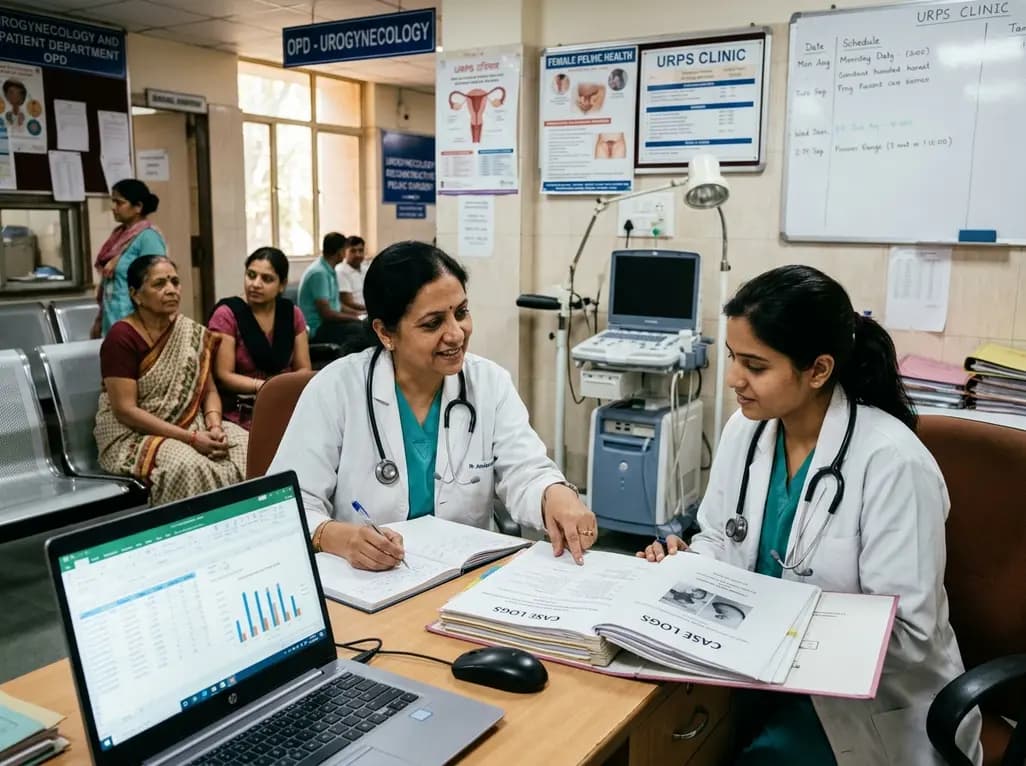
A ten-year cohort study of ABU case logs reveals that URPS fellowship training significantly drives higher annual case volumes, advanced surgical complexity, and increased female representation in pelvic floor reconstruction, underscoring the vital need for structured subspecialty training.
Today
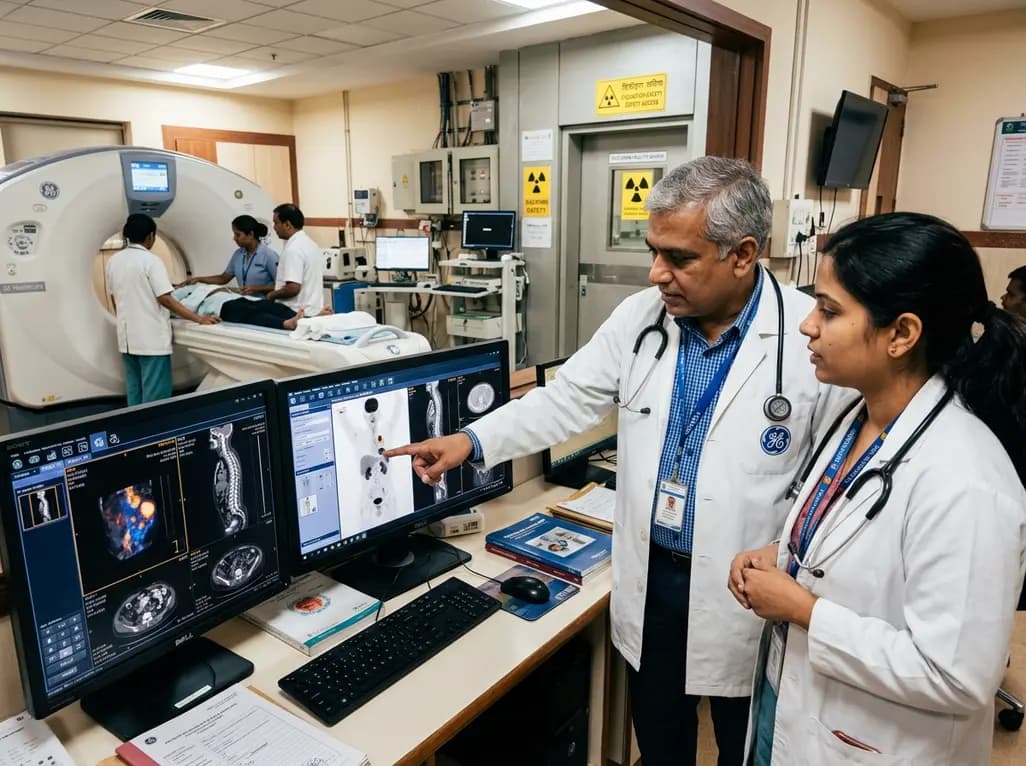
GE HealthCare has agreed to acquire Sofie Biosciences in a 945 million dollar all-cash transaction. The deal secures global rights to the investigational pan-cancer tracer FAPI-74 and expands cyclotron manufacturing infrastructure to accelerate precision theranostics and clinical molecular imaging workflows.
Today
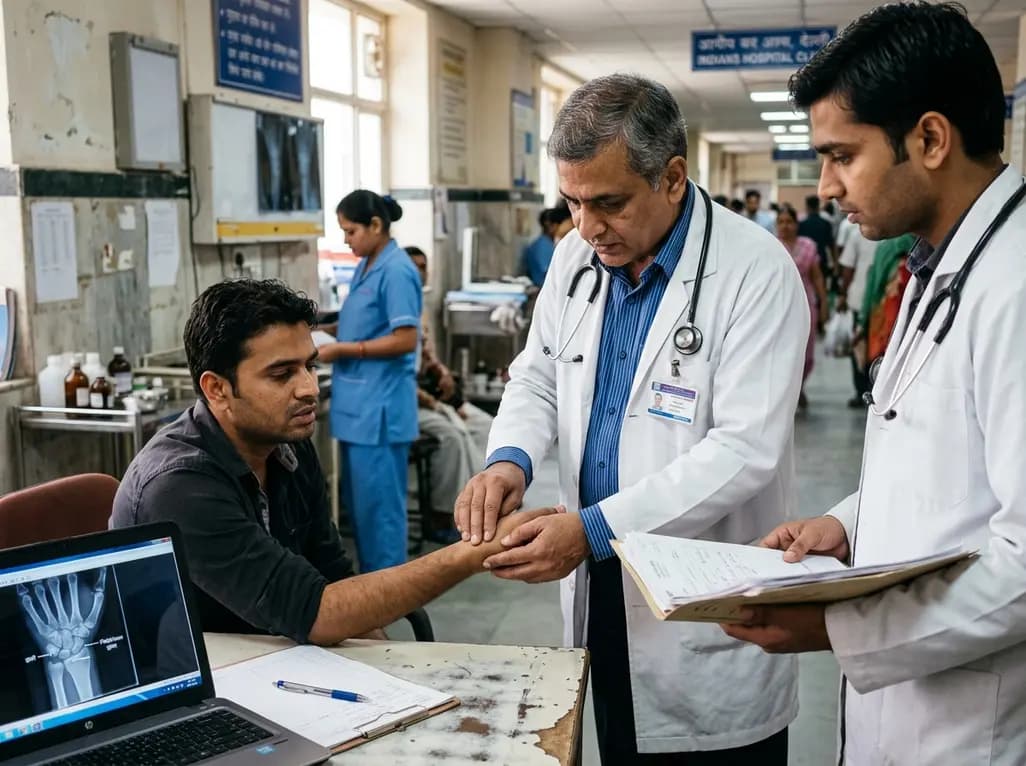
Posttraumatic pisotriquetral instability is a rare wrist injury causing severe hypothenar pain and weakness. Explore clinical examination, imaging, and pisiformectomy.
Today
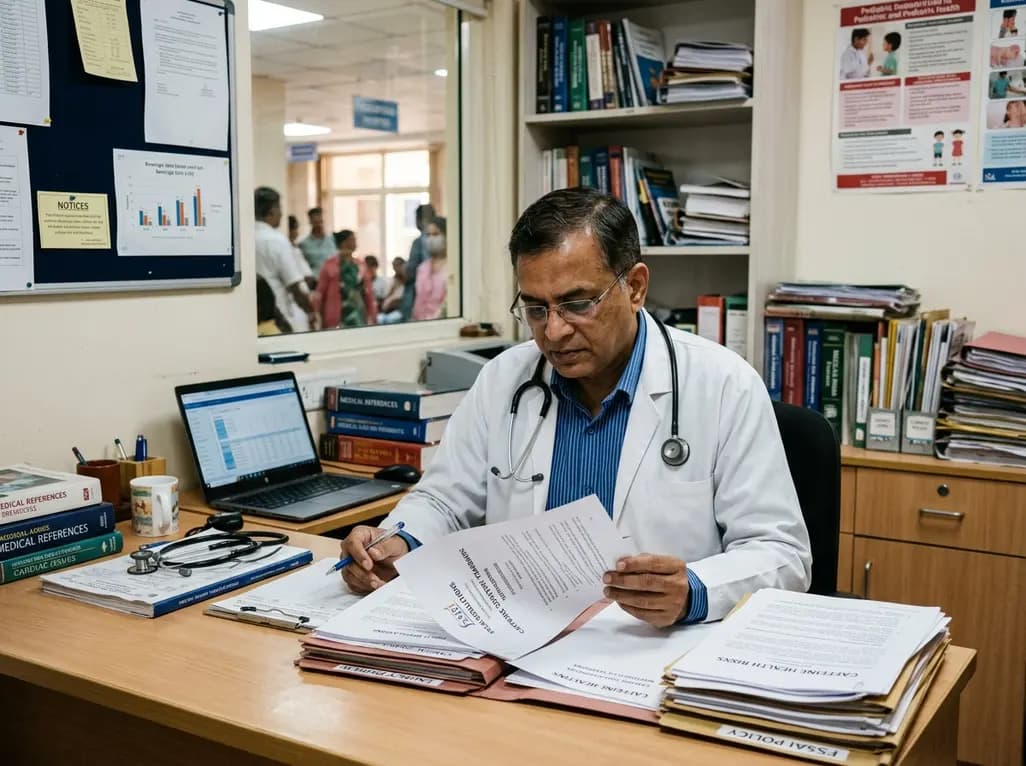
India's food safety authority has cracked down on high-caffeine beverages sold under stimulant branding, prompting legal challenges from major beverage corporations. This review examines FSSAI regulations, cardiac and metabolic complications, pediatric risks, and actionable counseling strategies for physicians.
Today
