.webp&w=384&q=75)

Loading, please wait...
Loading, please wait...

Reliance Industries has legally challenged India's apex food authority over a directive prohibiting companies from using the "energy drink" moniker. This high-profile dispute brings intense focus to the national energy drink label ban. In recent years, high-caffeine beverages have proliferated across retail shelves. Consequently, public health experts have voiced serious concerns regarding misleading commercial claims and escalating clinical hazards.
The Food Safety and Standards Authority of India recently directed manufacturers to abandon the term "energy drink" for high-caffeine formulations. Specifically, the regulator determined that Indian statutes do not recognize a statutory standard for that commercial description. Instead, national standards classify these formulations strictly as "caffeinated beverages" when caffeine levels range between 145 and 300 milligrams per liter. Furthermore, authorities ordered manufacturers to remove therapeutic assertions such as instant stamina or mental enhancement within ninety days. In response, Reliance Consumer Products filed a writ petition seeking to quash the order. The company asserted that nationwide stock seizures and e-commerce delistings inflict severe commercial disruption. Similarly, beverage giants including PepsiCo, Monster Energy, and Red Bull have mounted legal challenges in the Delhi High Court. These corporations argue that abrupt enforcement disrupts massive inventories and violates established procedural fairness. Nevertheless, the food safety regulator maintains that misleading commercial branding obscures profound physiological hazards. Regulators argue that aggressive marketing misleads consumers into perceiving these potent stimulant formulations as harmless lifestyle beverages. Therefore, judicial proceedings continue to balance commercial rights against mandatory consumer protection.
From a preventive healthcare perspective, physicians strongly support regulatory clarity on caffeinated beverages. The energy drink label ban addresses widespread public confusion between caloric nutrition, hydration, and acute pharmacologic stimulation. In practice, many consumers falsely assume that these canned products restore physiological stamina safely. However, the transient boost derives almost entirely from high doses of central nervous system stimulants. Manufacturers frequently combine concentrated caffeine with taurine, glucuronolactone, guarana, and large quantities of refined sugars. Consequently, this multi-ingredient matrix delivers an unpredictable sympathomimetic surge rather than sustained metabolic energy. Furthermore, botanical extracts like guarana contain hidden caffeine, which elevates actual stimulant levels beyond standard package declarations. When young individuals consume these products rapidly, they face acute systemic spikes in circulating catecholamines. Therefore, medical experts argue that calling these formulations "energy drinks" constitutes dangerous misinformation. By eliminating this terminology, regulators help patients recognize these products as pharmacologically active stimulant mixtures. Additionally, this linguistic change empowers physicians to debunk misleading marketing during regular consultations. As a result, patients can make informed choices regarding beverage consumption.
The physiological consequences of excessive caffeinated beverage consumption demand close scrutiny from clinicians. Acute ingestion of high-caffeine beverages triggers immediate arterial stiffness, elevated peripheral vascular resistance, and sustained blood pressure surges. In addition, these drinks provoke pronounced autonomic dysregulation, which significantly increases the risk of supraventricular and ventricular arrhythmias. Cardiologists frequently treat young patients presenting with unexplained sinus tachycardia, palpitations, and premature ventricular contractions after heavy intake. Furthermore, the combination of extreme caffeine concentrations with massive sucrose loads exacerbates metabolic instability. A standard 250-milliliter can often contains up to thirty grams of simple sugars. Consequently, habitual consumption accelerates weight gain, promotes visceral adiposity, and intensifies systemic insulin resistance. Over time, this daily habit substantially elevates the long-term risk of type 2 diabetes mellitus and metabolic dysfunction. Moreover, when individuals mix these beverages with alcohol, the caffeine blunts subjective feelings of intoxication. Therefore, individuals engage in hazardous risk-taking behaviors while underestimating their severe physiological impairment. Accordingly, healthcare providers must treat heavy caffeinated beverage intake as a serious cardiovascular and metabolic risk factor.
Children and adolescents remain particularly susceptible to the detrimental effects of high-caffeine formulations. Because of smaller body masses and immature metabolic pathways, younger bodies clear concentrated stimulants far more slowly than adults. Consequently, pediatric consumption frequently triggers acute insomnia, severe restlessness, gastrointestinal distress, and heightened emotional anxiety. Furthermore, chronic exposure during critical neurodevelopmental windows can disrupt normal sleep architecture and impair classroom attention. Pediatricians also report concerning trends of school-age children substituting caffeinated beverages for balanced meals or water during sports training. In hot climates across India, this practice drastically amplifies dehydration and heat-related exhaustion. Additionally, high caffeine intake can impair renal calcium reabsorption, which compromises peak bone mineral density accretion during adolescent growth spurts. Recent state-level interventions have wisely attempted to restrict beverage sales within 500 meters of educational institutions. Nevertheless, vibrant marketing campaigns on digital media continue to captivate younger audiences. Therefore, primary care physicians and pediatric specialists must actively query school-aged children about their consumption patterns. Early clinical warnings can prevent severe pediatric toxicity and protect vulnerable adolescent populations from chronic health complications.
Clinicians operate on the frontline of public health and must translate regulatory actions into practical patient counseling. First, physicians should routinely incorporate beverage consumption assessments into basic lifestyle histories. When patients present with persistent insomnia, refractory hypertension, unexplained palpitations, or gastroesophageal reflux, doctors must specifically inquire about caffeinated drinks. Furthermore, medical professionals should educate patients that genuine vitality stems from balanced nutrition, restorative sleep, and regular exercise. Doctors must clearly warn individuals with pre-existing coronary artery disease, channelopathies, or chronic kidney disease to avoid high-caffeine formulations entirely. Similarly, pregnant and lactating women require unambiguous guidance regarding fetal growth restriction risks associated with excessive caffeine intake. Additionally, healthcare teams can design waiting-room displays that illustrate the high caffeine and sugar content in popular commercial cans. By taking proactive steps in clinical practice, doctors reinforce national public health initiatives. Ultimately, consistent counseling bridges the critical gap between regulatory enforcement and daily patient behavior.
Q1: Why did FSSAI restrict the use of the term "energy drink"?
The Food Safety and Standards Authority of India determined that national regulations establish no statutory standard for "energy drinks." Instead, Indian law classifies these products as "caffeinated beverages" with strict caffeine limits between 145 and 300 milligrams per liter. Furthermore, the regulator banned the term because misleading functional claims deceive consumers into believing that stimulant products provide genuine nutritional energy. Consequently, standardizing packaging terminology protects vulnerable consumers from misinterpreting stimulant effects as wholesome vitality.
Q2: What acute health hazards are associated with high-caffeine beverages?
High-caffeine beverages deliver concentrated central stimulants that trigger acute autonomic dysregulation, palpitations, sinus tachycardia, and sudden blood pressure elevations. Additionally, consumers frequently experience insomnia, severe anxiety, tremors, and gastrointestinal irritation. Rapid consumption of multiple cans, especially during vigorous exercise, sharply increases the risk of cardiac arrhythmias and severe dehydration. Moreover, combining these drinks with alcohol masks intoxication cues, significantly increasing dangerous physical trauma.
Q3: How should clinicians advise adolescent patients regarding caffeinated energy drinks?
Clinicians should advise adolescents and their parents to avoid high-caffeine beverages completely. Pediatric bodies metabolize caffeine more slowly, which magnifies risks of severe sleep disruption, anxiety, and impaired bone mineralization. Furthermore, doctors should emphasize that water and electrolyte-balanced fluids provide optimal hydration during athletic activities. Additionally, true adolescent stamina requires balanced whole-food nutrition, consistent physical exercise, and adequate restorative sleep each night.
Disclaimer: This content is for informational and educational purposes only. It does not constitute medical advice or replace professional judgment. Refer to the latest local and national guidelines for clinical practice.
References

Read summarized clinical updates, watch expert medical content, and earn CME certifications right from your smartphone.
Open your smartphone camera to scan and install.





India's food safety authority has cracked down on high-caffeine beverages sold under stimulant branding, prompting legal challenges from major beverage corporations. This review examines FSSAI regulations, cardiac and metabolic complications, pediatric risks, and actionable counseling strategies for physicians.
Today

A ten-year cohort study of ABU case logs reveals that URPS fellowship training significantly drives higher annual case volumes, advanced surgical complexity, and increased female representation in pelvic floor reconstruction, underscoring the vital need for structured subspecialty training.
Today
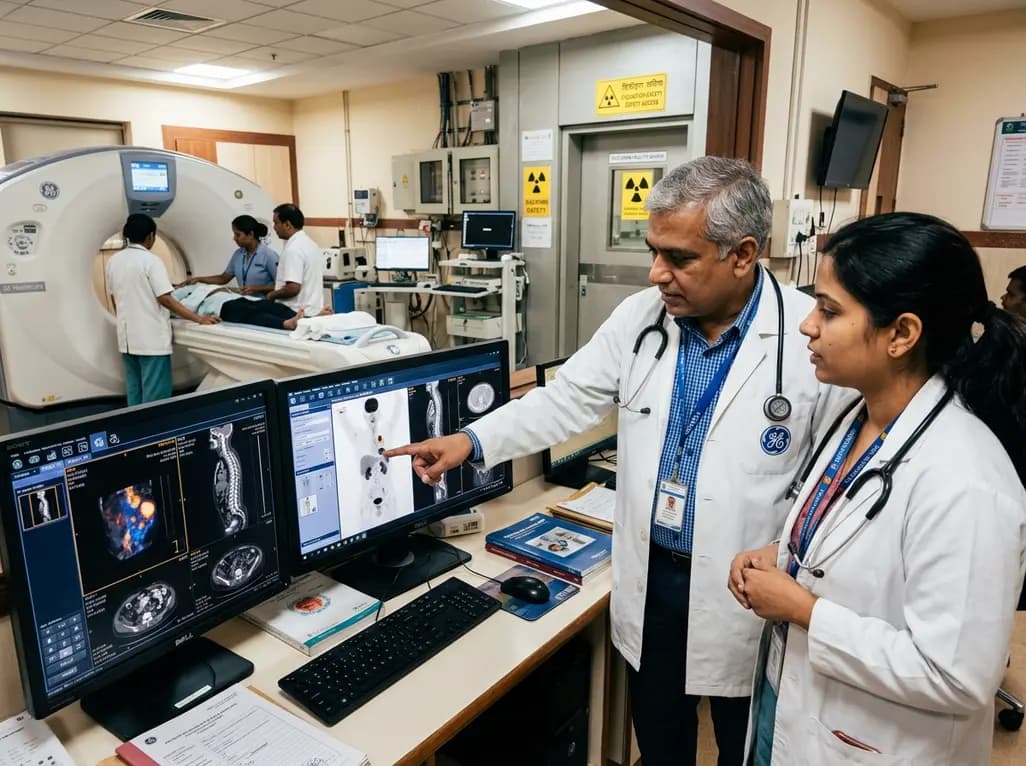
GE HealthCare has agreed to acquire Sofie Biosciences in a 945 million dollar all-cash transaction. The deal secures global rights to the investigational pan-cancer tracer FAPI-74 and expands cyclotron manufacturing infrastructure to accelerate precision theranostics and clinical molecular imaging workflows.
Today

Posttraumatic pisotriquetral instability is a rare wrist injury causing severe hypothenar pain and weakness. Explore clinical examination, imaging, and pisiformectomy.
Today

Cardiovascular-kidney-metabolic (CKM) syndrome links metabolic, renal, and cardiovascular diseases along a shared continuum. This review examines holistic CKM management, PREVENT risk assessment, multi-organ pharmacotherapies like SGLT2i and GLP-1 RAs, and multidisciplinary care models to improve patient outcomes.
Today
