.webp&w=384&q=75)

Loading, please wait...
Loading, please wait...

Point-of-care maternal testing is transforming healthcare delivery in low-resource settings by enabling rapid, decentralized screening for critical conditions like HIV and syphilis. While these diagnostics offer immense potential, their implementation often remains inconsistent across various health systems. Consequently, understanding the specific determinants of success is essential for clinicians and policy makers alike. This systematic review synthesizes evidence to guide better integration of these tools into routine clinical practice.
A recent analysis of forty studies from 19 low-resource settings identified key implementation factors using the Consolidated Framework for Implementation Research (CFIR). The researchers found that rapid turnaround times and portability significantly boost adoption. Furthermore, ease of use and perceived clinical benefits encourage healthcare providers to utilize these tests. However, structural challenges continue to hinder progress in many regions, including parts of India where decentralized care is vital.
Despite the clear clinical benefits, several obstacles undermine the sustainability of diagnostic programmes. For instance, weak supply chains and workforce shortages often lead to service interruptions. Additionally, limited political will and fragmented funding models create silos that prevent integrated care delivery. Therefore, strengthening domestic ownership and cross-sector coordination is vital for long-term success. Addressing these gaps ensures that life-saving diagnostics reach the most vulnerable populations.
Interestingly, sociocultural factors play a major role in test uptake. Stigma and limited decision-making power among pregnant women often constrain access to necessary screening. To address these issues, healthcare systems must adopt people-centered approaches that respect local contexts. Moreover, task-shifting and bundled testing services can streamline workflows and improve efficiency in busy maternal-child health clinics. Such strategies support the global goal of eliminating vertical transmission of infectious diseases.
Point-of-care maternal testing provides rapid results, allowing for immediate treatment initiation during a single visit. This decentralized approach reduces patient loss-to-follow-up and improves health outcomes in remote or resource-limited areas.
Sustainability improves when providers integrate POC diagnostics into routine maternal and child health services. Additionally, ensuring stable supply chains, implementing task-shifting, and securing domestic funding are crucial components of a successful strategy.
Disclaimer: This content is for informational and educational purposes only. It does not constitute medical advice. Refer to the latest local and national guidelines for clinical practice.
References

Read summarized clinical updates, watch expert medical content, and earn CME certifications right from your smartphone.
Open your smartphone camera to scan and install.





A systematic review identifies key factors influencing the adoption and sustainability of point-of-care diagnostics for maternal and newborn health....
6 months ago
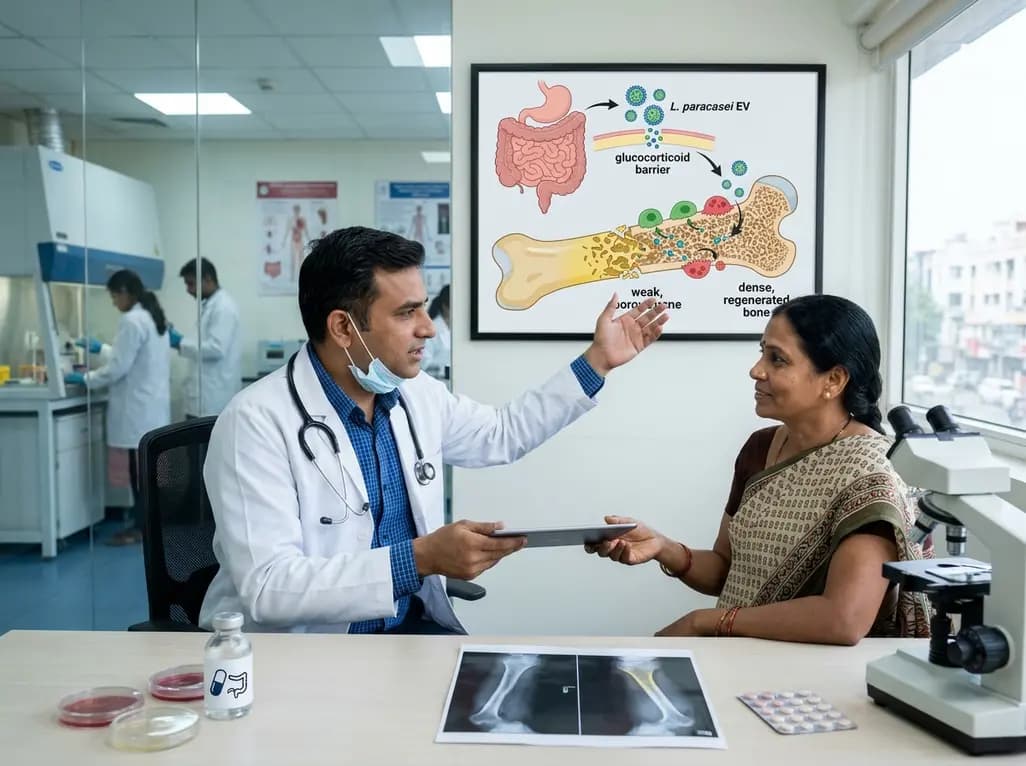
A novel oral nanoplatform using Lacticaseibacillus paracasei-derived extracellular vesicles delivers alendronate, reversing glucocorticoid-induced bone loss and restoring gut-immune-bone homeostasis.
Today

A study in JAMIA Open shows lightweight open-source reasoning LLMs achieve up to 95% sensitivity and accelerate evidence synthesis screening by nearly twentyfold, presenting a cost-effective, scalable AI solution for biomedical research and systematic reviews.
Yesterday
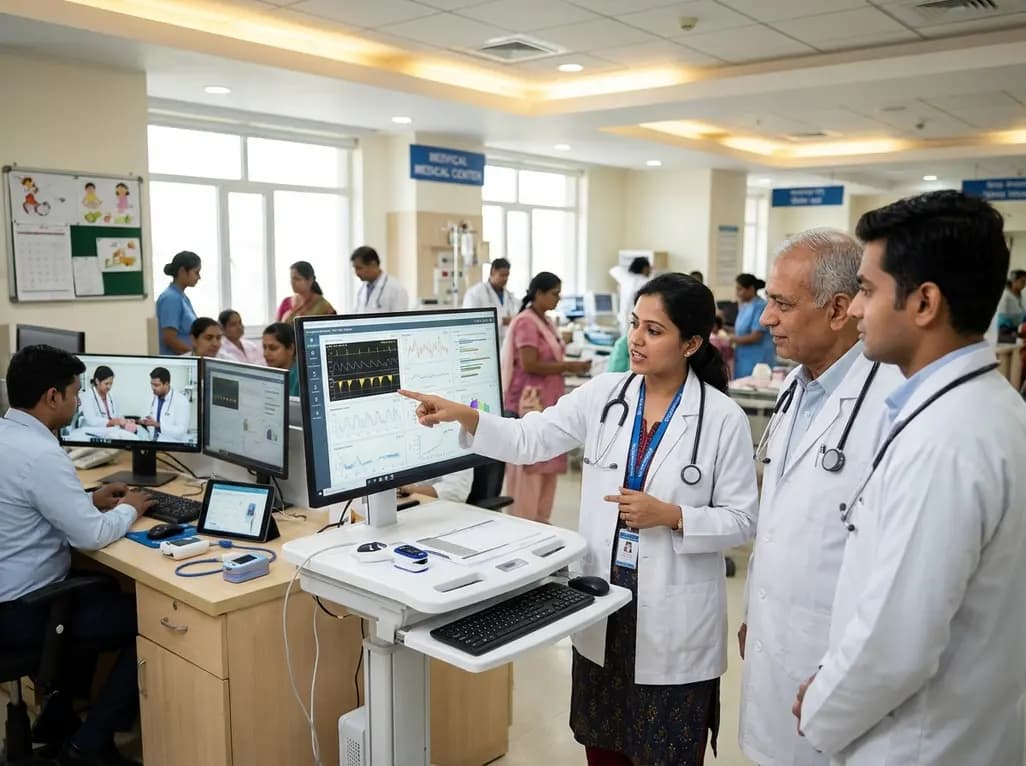
A landmark study details how an enterprise pediatric remote patient management model expanded from a single cardiology pilot to 16 diverse specialty programs by combining centralized digital operations with specialty clinical leadership.
Yesterday

A comparative review of tension band wiring and intramedullary screw fixation in thumb metacarpophalangeal arthrodesis, evaluating union rates, hardware complications, and clinical outcomes.
Yesterday
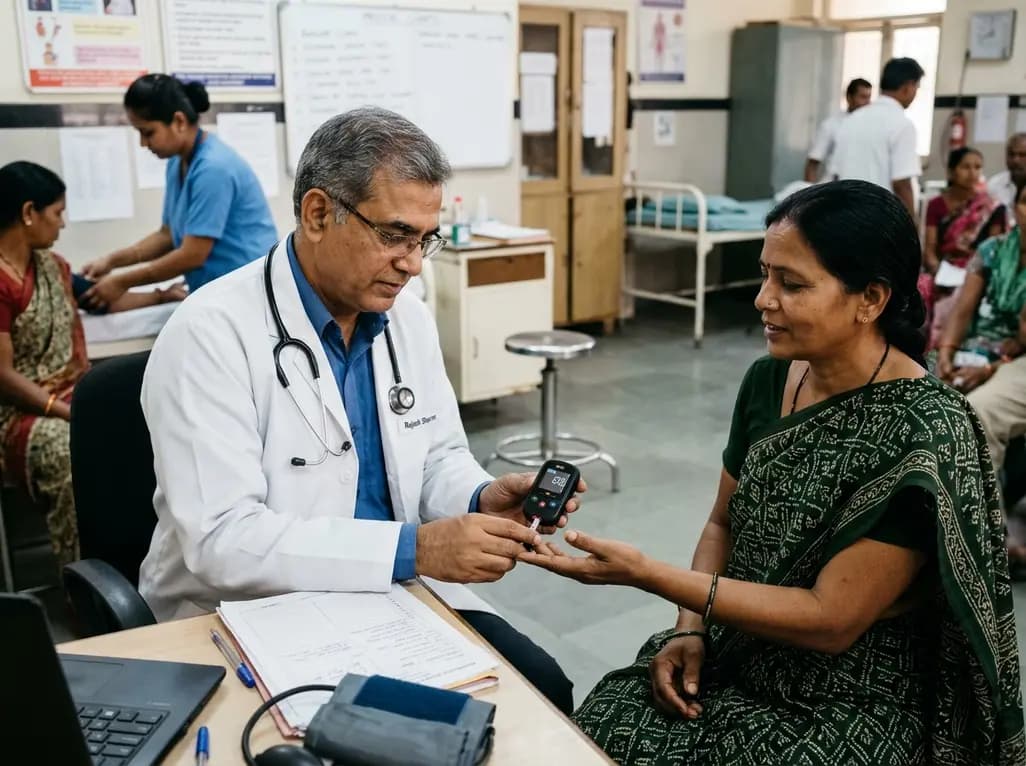
A real-world trial evaluating a near-infrared spectroscopy noninvasive glucose monitoring device in adults with type 2 diabetes demonstrated a combined MAD/MARD of 16.3 across 2,616 paired readings, highlighting its clinical feasibility.
Today
