

Loading, please wait...
Loading, please wait...

Routine capillary blood glucose testing remains a central pillar of type 2 diabetes management. However, frequent painful fingersticks often discourage regular compliance among patients. Consequently, clinicians eagerly seek needle-free alternatives to enhance patient adherence and optimize metabolic tracking. Emerging optical technologies offer transformative potential in this domain. A recent prospective clinical investigation evaluated real-world noninvasive glucose monitoring using near-infrared spectroscopy in adults with type 2 diabetes. The findings provide compelling real-world evidence regarding the analytical accuracy, feasibility, and clinical utility of noninvasive metabolic monitoring.
Self-monitoring of blood glucose provides crucial diagnostic insight for therapeutic decision-making. Nevertheless, capillary blood sampling imposes significant physical and emotional burdens on individuals living with diabetes. Therefore, patients frequently omit scheduled daily checks, which leads to undetected glycemic excursions. Noninvasive optical sensing technology circumvents these barriers by measuring tissue properties without breaching the epithelial barrier. Specifically, near-infrared spectroscopy relies on the absorption and scattering characteristics of light as it interacts with cutaneous and vascular tissues. Because glucose molecules absorb near-infrared energy at specific optical wavelengths, specialized photodetectors can estimate systemic glucose concentrations noninvasively. Furthermore, this method eliminates lancet disposables, reduces skin trauma, and prevents infection risks. As a result, noninvasive glucose monitoring encourages more frequent daily assessments. Patients can effortlessly capture readings across various postprandial and resting states. In addition, healthcare providers obtain richer longitudinal glycemic profiles to guide individualized medical therapy. While historical attempts faced substantial signal-to-noise limitations, modern sensor miniaturization and advanced machine learning algorithms have substantially improved optical precision. Consequently, clinicians now witness the transition of optical sensing from experimental laboratories into tangible outpatient clinical investigations.
To rigorously validate this novel optical modality, researchers designed a prospective, open-label clinical investigation. The trial enrolled 52 adult participants diagnosed with type 2 diabetes across outpatient settings. During the protocol, each participant completed four daily paired glucose measurements over an extended observation period exceeding 21 days. Participants simultaneously collected optical data using the investigational near-infrared spectroscopy device and reference capillary measurements using the Ascensia Contour Next glucometer. Moreover, investigators recognized that physiological differences in tissue composition require personalized optical adjustments. Therefore, the protocol mandated an individualized calibration phase consisting of ten initial paired measurements per participant before independent evaluations began. Following this baseline calibration, researchers restricted the primary analytical pool to post-calibration values spanning the clinical range of 70 to 400 mg/dL. This rigorous methodology mirrored real-world self-monitoring habits in non-insulin and insulin-treated cohorts alike. In addition, the long observation window accounted for biological variations, ambient temperature fluctuations, and day-to-day lifestyle patterns. Thus, the clinical trial established a robust framework to appraise device fidelity in unstructured home environments rather than strictly controlled artificial settings.
Following protocol completion, investigators finalized data from 48 evaluable participants who completed the trial requirements. These participants contributed 2,616 paired post-calibration glucose readings for primary analytical assessment. The demographic profile revealed a representative adult cohort with a mean age of 58.0 years and 31.3% female participation. Clinicians primarily evaluated analytical accuracy using a combined mean absolute difference and mean absolute relative difference metric. Notably, the investigational device achieved an overall combined MAD/MARD value of 16.3 across all paired samples. Investigators applied the absolute difference calculation to lower glucose values and relative difference metrics to higher glucose ranges. Furthermore, researchers evaluated clinical safety and utility using the Parkes consensus error grid and Diabetes Technology Society error grid frameworks. These specialized grid systems categorize data into zones representing clinical risk from potential measurement errors. Consequently, the vast majority of paired data points occupied zones indicating high clinical accuracy and absent risk of erroneous treatment decisions. Hence, the near-infrared spectroscopy device exhibited stable analytical reliability across diverse glucose concentrations in ambulatory adults.
In routine diabetes practice, frequent capillary self-monitoring encounters substantial behavioral barriers. Specifically, chronic fingertip lancing produces calluses, sustained tenderness, and psychological aversion among long-term diabetes patients. Many individuals consciously delay testing because public lancing induces social discomfort. Consequently, patients fail to capture critical postprandial glucose surges, which impairs long-term therapeutic titration. Optical noninvasive technology presents an appealing solution to these persistent adherence challenges. Because optical readings generate zero pain and produce no biohazardous waste, users engage more enthusiastically in day-to-day metabolic tracking. Furthermore, pain-free monitoring empowers patients to explore immediate glycemic responses after specific meals or physical activities. This direct biofeedback strengthens health literacy and facilitates sustainable dietary modifications. Similarly, clinicians gain access to continuous trends rather than sparse intermittent snapshots, supporting timely pharmacological adjustments. Therefore, transitioning toward noninvasive testing could substantially diminish diabetes distress, particularly among aging individuals or those with delicate fingertips. Ultimately, lower procedural resistance translates directly into superior diagnostic frequency and proactive glycemic self-management across diverse patient populations.
Although these clinical results demonstrate remarkable technological progress, several translational hurdles warrant thoughtful physician attention. For instance, near-infrared spectroscopy relies on indirect optical measurements through dynamic living tissue. Therefore, physiological variables such as dermal hydration, cutaneous perfusion, and localized edema can alter optical path lengths and light scattering. Moreover, differences in epidermal thickness and skin pigmentation require sophisticated algorithmic compensation to maintain consistent precision across diverse ethnic populations. Clinicians must also acknowledge the requirement for initial device calibration using traditional capillary samples. Until fully autonomous optical sensors emerge, patient-guided calibration remains necessary to establish reliable baseline optical matrices. Furthermore, commercial adoption requires regulatory clearance and rigorous comparative trials against established continuous glucose monitors. Researchers must also evaluate long-term sensor drift during prolonged usage beyond three weeks. Nevertheless, the successful completion of over 2,600 paired measurements in this real-world trial signals exciting momentum. As digital health integration expands, noninvasive spectroscopic devices will likely complement existing diagnostic tools, broadening patient empowerment and preventive diabetes care worldwide.
Near-infrared spectroscopy directs specific wavelengths of infrared light through vascularized dermal tissues. Because glucose molecules absorb light at characteristic optical frequencies, the sensor detects subtle changes in light absorption and scattering. An integrated photodetector measures these optical shifts and transmits raw signals to an advanced calibration algorithm. Consequently, the device rapidly converts optical data into systemic glucose values without extracting capillary blood, completely eliminating skin lancing and painful finger punctures.
The combined MAD/MARD metric evaluates overall sensor discrepancy compared with reference capillary glucometers. A score of 16.3 demonstrates strong analytical concordance across diverse physiological states in type 2 diabetes. Furthermore, error grid analyses verified that virtually all paired measurements landed within clinically safe operational zones. Consequently, while not yet identical to invasive laboratory assays, this level of accuracy effectively informs general lifestyle choices and routine self-management without posing clinical risk.
Currently, noninvasive optical devices serve as valuable adjunctive tools rather than total replacements for standard fingerstick meters. Because the device evaluated in this trial required ten paired capillary measurements for individualized baseline calibration, traditional glucometers remain clinically essential. Moreover, physicians still advise confirmatory capillary testing during severe hypoglycemia or rapid glycemic volatility. However, ongoing optical and algorithmic innovations will likely reduce calibration dependency and expand clinical independence in future iterations.
Disclaimer: This content is for informational and educational purposes only and should not be construed as medical advice or substitute for professional clinical judgment. Diagnostic and therapeutic strategies must be individualized based on each patient's specific presentation, comorbidities, and clinical setting. Healthcare professionals should verify all clinical data, drug dosages, and device specifications independently. Refer to the latest local and national guidelines for clinical practice.
References

Read summarized clinical updates, watch expert medical content, and earn CME certifications right from your smartphone.
Open your smartphone camera to scan and install.





A real-world trial evaluating a near-infrared spectroscopy noninvasive glucose monitoring device in adults with type 2 diabetes demonstrated a combined MAD/MARD of 16.3 across 2,616 paired readings, highlighting its clinical feasibility.
Today

A study in JAMIA Open shows lightweight open-source reasoning LLMs achieve up to 95% sensitivity and accelerate evidence synthesis screening by nearly twentyfold, presenting a cost-effective, scalable AI solution for biomedical research and systematic reviews.
Yesterday
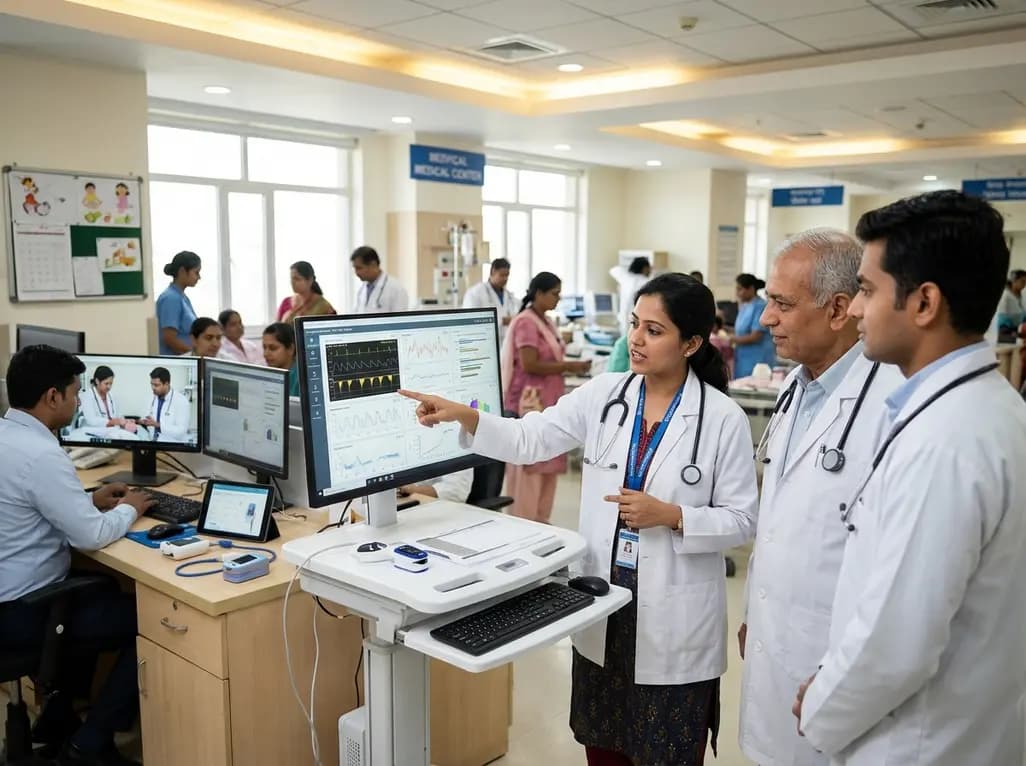
A landmark study details how an enterprise pediatric remote patient management model expanded from a single cardiology pilot to 16 diverse specialty programs by combining centralized digital operations with specialty clinical leadership.
Yesterday
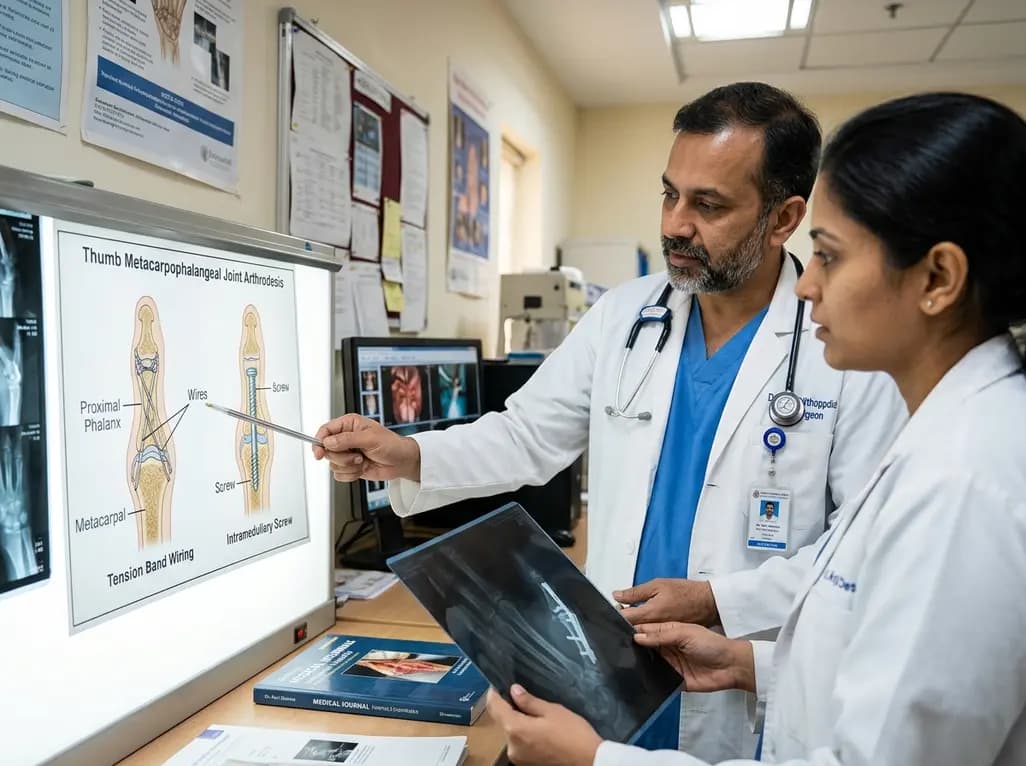
A comparative review of tension band wiring and intramedullary screw fixation in thumb metacarpophalangeal arthrodesis, evaluating union rates, hardware complications, and clinical outcomes.
Yesterday
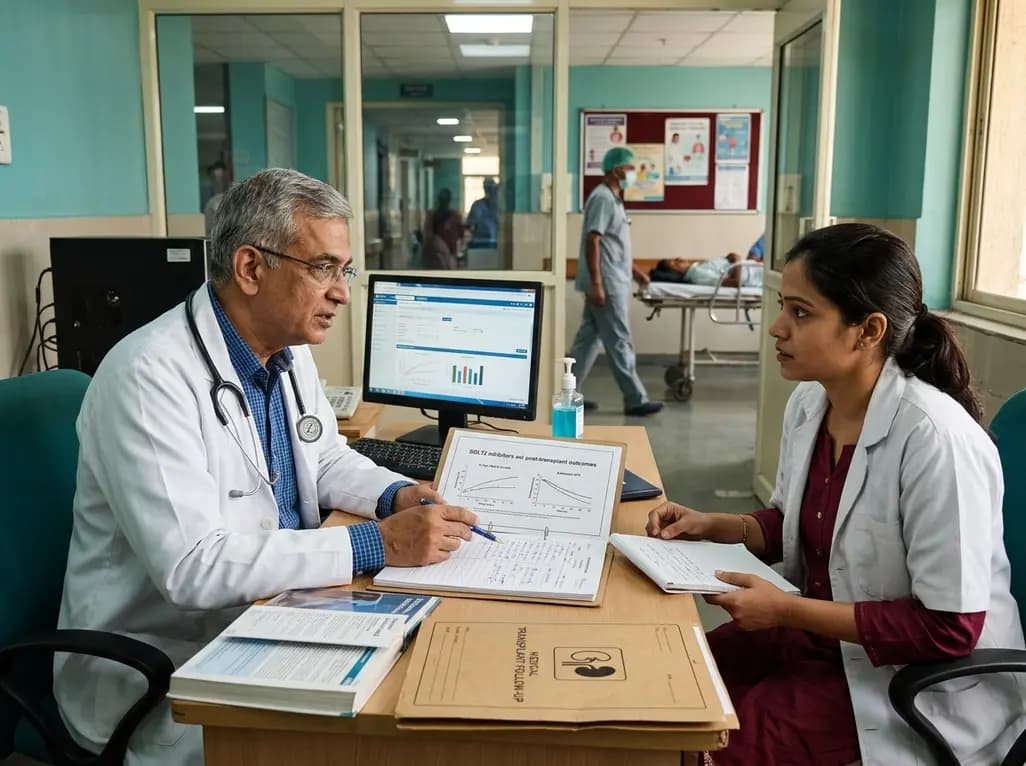
A nationwide observational study from Norway investigates whether SGLT2 inhibitor therapy improves 5-year metabolic parameters in kidney transplant recipients with post-transplantation diabetes mellitus (PTDM), finding comparable glycemic, renal, and blood pressure profiles between user and non-user cohorts.
Today
