

Loading, please wait...
Loading, please wait...
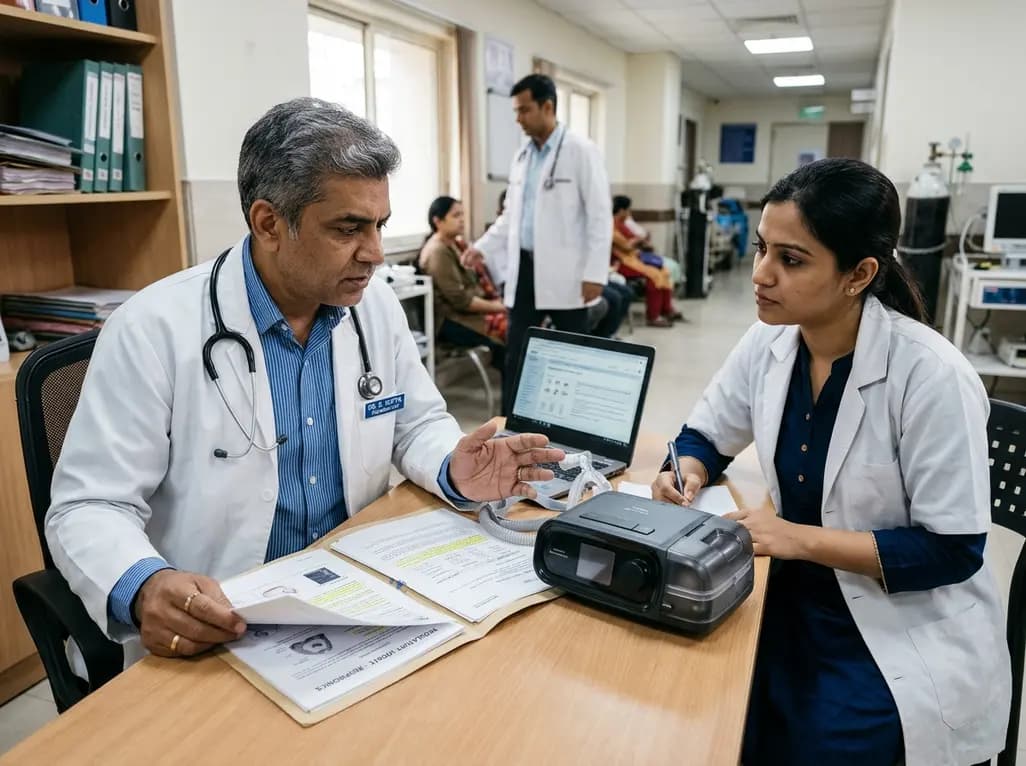
Recent regulatory disclosures have refocused international medical attention on mechanical ventilation therapies. Specifically, Royal Philips announced a preliminary agreement in principle with the United States Department of Justice to settle ongoing federal investigations. This resolution addresses critical inquiries tied directly to the global Philips Respironics recall that began in 2021. Consequently, pulmonologists, critical care specialists, and primary care physicians must review the historical context of these device issues. Clinicians must also understand the technical mechanisms, clinical hazards, and necessary surveillance strategies surrounding positive airway pressure equipment.
Financially, the Dutch health technology manufacturer exceeded third-quarter core earnings forecasts through improved operational efficiencies and commercial margins. However, legacy regulatory challenges continue to shape its operational landscape. Philips recorded a 288 million euro provision during the third quarter for the proposed Department of Justice settlement. The company anticipates final payment execution during the first quarter of 2027. Although corporate leadership withheld granular settlement terms, this development brings procedural clarity to years of intense federal scrutiny.
Previously, federal authorities launched extensive probes following the massive 2021 recall of sleep apnea and mechanical ventilator units. Regulatory authorities examined whether the manufacturer adequately disclosed known hazards regarding sound-dampening foam degradation. In addition, previous consent decrees constrained domestic commercial distribution until the company demonstrated rigorous manufacturing compliance. Therefore, this legal milestone represents significant administrative remediation for the enterprise. Nevertheless, healthcare professionals worldwide, including in India, still treat patients who used these flagged systems for respiratory support. Medical professionals must therefore remain vigilant regarding equipment integrity and patient health records.
To evaluate patient safety effectively, clinicians must comprehend the material science behind the device failures. Recalled ventilators and positive airway pressure devices incorporated polyester-based polyurethane foam to attenuate motor noise. Unfortunately, environmental exposure causes this specific foam polymer to undergo progressive hydrolytic and thermal breakdown. Warm, humid environmental conditions accelerate this chemical degradation, which proves exceptionally relevant across tropical and subtropical regions such as India. Furthermore, unapproved ozone-based cleaning devices and harsh sanitizing chemicals substantially worsen this polymer destruction.
As degradation proceeds, the foam disintegrates into microscopic particulate matter that migrates directly into the patient air pathway. Consequently, individuals inadvertently inhale or ingest these particulate fragments during routine positive pressure ventilation cycles. In addition to physical particulate shedding, the degraded polymer off-gasses dangerous volatile organic compounds, including toluene diamines and diisocyanates. Toxicological studies confirm that these volatile chemicals possess cytotoxic, mutagenic, and irritating characteristics. When vulnerable individuals inhale these compounds throughout nocturnal therapy, the chemical agents interact directly with delicate bronchial and alveolar tissues. As a result, chronic exposure creates localized mucosal inflammation, epithelial disruption, and sustained cellular oxidative stress.
Physicians evaluating individuals who previously utilized recalled sleep therapy systems must recognize a wide spectrum of clinical signs. Patients frequently report upper airway irritation, chronic non-allergic rhinitis, persistent coughing, and recurrent sinusitis. Additionally, many individuals experience unexplained pharyngeal burning, hoarseness, and nocturnal chest tightness. In susceptible patients with underlying reactive airway disease, particulate exposure often triggers acute asthma exacerbations or worsens chronic obstructive pulmonary disease symptoms. Furthermore, systemic absorption of degraded chemical compounds may provoke persistent headaches, dizziness, and generalized inflammatory responses.
Although initial epidemiological investigations have not confirmed a definite causal connection to respiratory malignancies, ongoing vigilance remains mandatory. Therefore, clinicians must conduct detailed evaluations for any patient who presents with persistent lower respiratory complaints. Pulmonologists should obtain thorough clinical histories, documenting the specific device model, serial number, and total duration of exposure. Moreover, providers should perform baseline pulmonary function tests, including spirometry and diffusing capacity measurements, when patients report progressive dyspnea. If persistent symptoms or abnormal spirometry findings arise, clinicians should proceed with high-resolution computed tomography to detect subclinical interstitial changes or occult airway lesions.
The legal resolution between corporate manufacturers and regulatory agencies highlights an unprecedented shift in medical device governance. Historically, post-market surveillance systems relied heavily upon voluntary reporting by healthcare institutions and commercial sponsors. However, the magnitude of the respiratory device recall prompted regulatory bodies to enforce unprecedented punitive measures. For example, the United States Food and Drug Administration issued rigorous consent decrees requiring independent inspection audits and strict manufacturing remediation. Similarly, international bodies, including India's Central Drugs Standard Control Organisation, disseminated safety alerts instructing healthcare facilities to evaluate inventory.
Consequently, modern device regulations now mandate aggressive lifecycle monitoring for all implantable and life-sustaining respiratory technologies. Manufacturers must execute comprehensive biocompatibility evaluations, verifying that sound-dampening components resist extreme humidity, heat, and standard cleaning techniques. In addition, healthcare facilities must establish rigorous internal equipment registries to track serial numbers and safety updates. Clinicians must actively participate in these vigilance frameworks by submitting prompt adverse event notifications to local regulatory authorities. Ultimately, transparent collaboration between regulatory authorities, engineering teams, and medical practitioners remains essential to protect patient welfare and prevent recurrent engineering failures.
Faced with ongoing device transitions, practicing physicians must implement structured clinical algorithms to safeguard patient care. First, doctors must ensure that patients do not abruptly discontinue life-sustaining ventilator therapies without professional medical supervision. Abrupt cessation of nocturnal positive airway pressure can trigger severe hypoxemia, hypercapnia, cardiac arrhythmias, and acute respiratory decompensation. Therefore, physicians must carefully weigh the immediate physiological risks of therapy discontinuation against the theoretical hazards of chemical exposure.
Furthermore, clinicians should assist patients in identifying whether their specific home machine underwent official manufacturer remediation. If a patient continues to operate an un-remediated legacy device, the medical team must explore immediate replacement options. Fortunately, several alternative continuous positive airway pressure systems and updated silicone-foam models are now widely accessible across healthcare networks. Additionally, doctors must educate patients on proper equipment hygiene, strictly prohibiting unapproved ozone cleaners and ultraviolet sanitizers. Finally, clinicians should maintain meticulous longitudinal medical records, documenting every detailed consultation regarding device updates, symptoms, and replacement timelines. By following these practical protocols, physicians preserve optimal therapeutic adherence while mitigating long-term toxicological risks.
Q1: What initiated the global recall of Philips Respironics sleep and respiratory devices?
The global recall originated from the degradation of polyester-based polyurethane sound-dampening foam used in continuous positive airway pressure machines and ventilators. Environmental factors, including elevated heat and ambient humidity, caused the material to break down into toxic particulate matter. Furthermore, the degraded foam released harmful volatile organic compounds into the breathing circuit. These chemical toxins posed potential respiratory irritation, inflammatory complications, and cellular risks to patients using the therapy.
Q2: Should patients immediately stop using recalled positive airway pressure machines?
Patients should never discontinue positive airway pressure therapy without first consulting their treating pulmonologist or primary physician. Abrupt cessation of ventilatory support can induce acute hypoxemic respiratory failure, cardiac arrhythmias, severe daytime hypersomnolence, and fatal airway collapse. Clinicians must conduct an individualized risk assessment to weigh the immediate physiological dangers of stopping therapy against potential toxic chemical exposure. When indicated, doctors transition individuals promptly to validated replacement units or alternative therapies.
Q3: What clinical follow-up is recommended for patients previously exposed to degraded foam?
Physicians should conduct comprehensive clinical assessments focusing on persistent respiratory symptoms, including chronic cough, unexplained dyspnea, and recurrent sinus irritation. In addition, providers should perform baseline spirometry and lung volume measurements if patients report functional decline. When patients exhibit persistent bronchial hyperreactivity or atypical chest findings, specialists should obtain high-resolution chest imaging. Routine surveillance, detailed exposure documentation, and reporting novel adverse events to regulatory pharmacovigilance databases remain vital components of ongoing post-exposure medical care.
Disclaimer: This content is for informational and educational purposes only. It does not constitute medical advice or replace professional judgment. Refer to the latest local and national guidelines for clinical practice.
References

Read summarized clinical updates, watch expert medical content, and earn CME certifications right from your smartphone.
Open your smartphone camera to scan and install.





Philips Respironics has reached a preliminary agreement with the US DOJ over respiratory device investigations, setting aside 288 million euros. Learn how this development influences medical device safety protocols, clinical vigilance for sleep apnea patients, and legal oversight for healthcare providers globally.
Today

Managing enduring health conditions presents significant challenges for parents balancing daily caregiving and symptom fluctuations. This analysis explores qualitative findings on parental participation, informal support systems, and the urgent need for strengths-based, family-centred clinical interventions.
Today

A major ABCD study analysis reveals that prenatal co-exposure to cannabis and tobacco significantly impairs fluid cognitive abilities in middle childhood, whereas crystallized intelligence remains unaffected. The findings highlight urgent needs for targeted antenatal screening and intervention.
Today
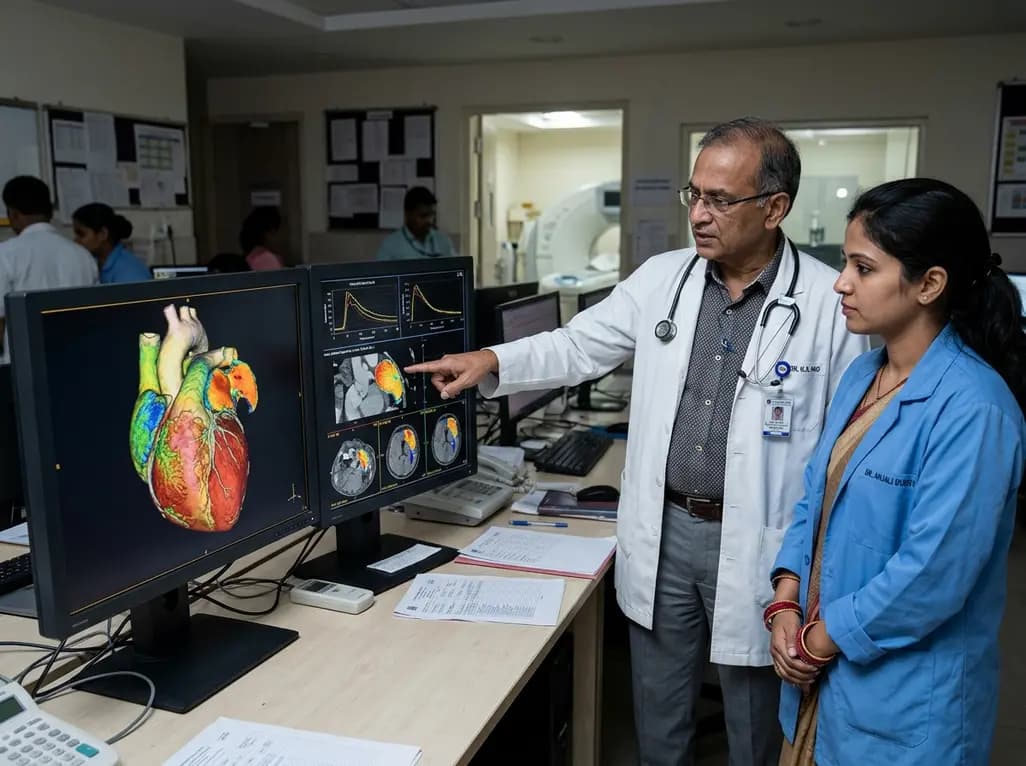
Dynamic contrast 4DCT enables precise mapping of left atrial appendage blood transport in atrial fibrillation. By quantifying regional stasis, wash-in kinetics, and residence time, this imaging advance offers clinician-tailored thromboembolic risk stratification beyond standard clinical scores.
Today

A systematic review and meta-analysis highlights the substantial impact of plyometric jump training on jump performance, reactive strength, and landing kinematics in female team-sport athletes, providing evidence-based programming guidelines for sports medicine and orthopedics.
Today

India is poised to transform chronic disease management through wearable health technology. Discover how continuous remote monitoring and predictive algorithms empower clinicians to detect early cardiovascular signals, personalize metabolic interventions, and deliver equitable preventive care across populations.
Today
