

Loading, please wait...
Loading, please wait...
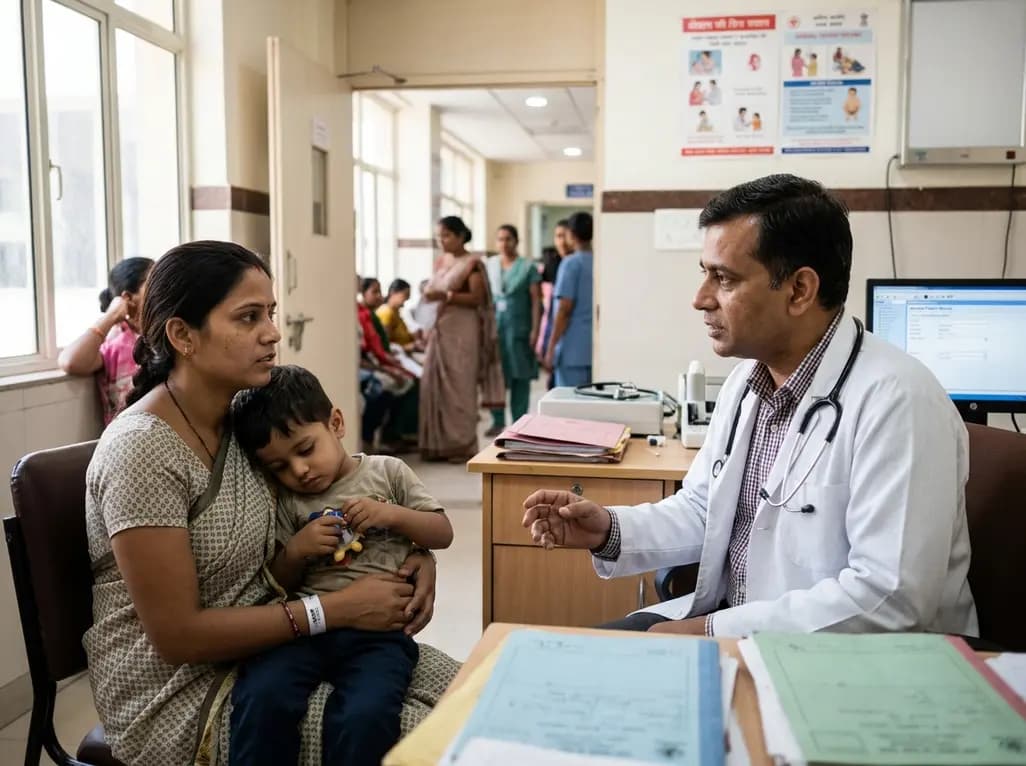
Managing chronic illness while raising children presents complex clinical and social challenges. Many adults living with enduring health conditions must continually balance daily therapeutic regimens with the physical and emotional demands of childcare. A nationwide qualitative study from Ireland evaluated the lived experiences of 218 parents coping with persistent physical, neurological, and psychological disorders. These findings provide vital clinical perspective on how fluctuating functional capacity impacts the occupational role of parenting. Consequently, healthcare practitioners must understand how chronic disease influences family dynamics to tailor effective management plans.
Parenting represents a meaningful daily occupation that requires physical endurance, cognitive focus, and emotional consistency. However, individuals living with enduring health conditions often experience severe disruptions across routine caregiving activities. Participants in the study reported that chronic fatigue, variable pain, and unpredictable mobility limitations compromised their daily involvement with their children. Consequently, parents frequently felt unable to participate in high-energy activities such as sports, outdoor outings, or manual household tasks.
Furthermore, the environmental context often exacerbated physical impairments. Physical barriers in public spaces, inaccessible transport, and unaccommodating school settings intensified everyday strain. In addition to these tangible limitations, societal expectations created substantial psychological distress. Cultural ideals surrounding parental competence frequently produced profound guilt and anxiety when parents could not meet traditional caregiving benchmarks. Therefore, clinicians must recognise that functional impairment extends beyond clinical symptoms to affect core family identity.
Informal support systems serve as a primary survival mechanism for parents with long-term illness. Spouses, extended family members, friends, and community neighbours routinely step in to bridge functional gaps. These informal caregivers often assist with domestic chores, school commutes, and direct child supervision during acute disease exacerbations. Without this practical assistance, many households would struggle to maintain daily equilibrium.
Nevertheless, informal networks frequently prove precarious and inconsistent over prolonged periods. Relying continuously on relatives creates interpersonal tension, caregiver burnout, and feelings of dependency. Furthermore, some parents hesitate to request help because they fear being judged as incapable or negligent. Consequently, informal care cannot serve as an adequate substitute for structured professional support. Family physicians and general practitioners must actively assess the sustainability of home support systems during periodic clinical consultations.
Although participants required professional assistance, they encountered persistent systemic barriers when interacting with formal healthcare services. Most medical systems operate within siloed specialties that focus narrowly on individual organ pathology. As a result, adult healthcare providers rarely inquire about a patient's dependent children or parenting demands. This fragmentation leaves families without practical advice on managing home routines alongside illness.
Additionally, structural obstacles such as lengthy waiting times, disjointed referral pathways, and rigid clinic appointments complicate care access. Parents frequently stated that scheduling clinic appointments around school schedules and childcare arrangements posed logistical hurdles. Furthermore, professionals rarely offered proactive guidance on parenting adaptations or assistive equipment. Consequently, parents often felt invisible within adult medical environments that ignored their caregiving responsibilities.
Optimising functional outcomes for these families requires a shift toward strengths-based, family-centred care. Occupational therapy plays a pivotal role in identifying meaningful goals and designing adaptive strategies for daily life. Instead of focusing solely on deficit remediation, clinicians evaluate the interaction between personal capability, parental tasks, and the domestic environment.
Moreover, structured occupational interventions can introduce energy conservation techniques, joint protection principles, and ergonomic home modifications. By streamlining everyday tasks such as lifting toddlers, preparing meals, and organising school supplies, parents preserve energy for positive family bonding. Additionally, occupational practitioners help patients establish predictable routines that accommodate symptom fluctuations. Integrating these strategies within primary care consultations empowers patients to maintain parental efficacy despite chronic functional limitations.
Modern clinical management must evolve beyond treating isolated disease parameters. Healthcare systems should adopt integrated care pathways that identify parenting status as a critical social determinant of health. For instance, outpatient clinics and primary health centres can incorporate simple screening tools to assess parenting challenges during routine reviews. Identifying early functional decline allows prompt multidisciplinary referral to occupational therapy, physiotherapy, and social welfare services.
Furthermore, healthcare organisations must promote peer support groups and accessible telehealth options to reduce patient travel burdens. Structured peer networks provide emotional solidarity, shared parenting wisdom, and validation that clinical visits cannot fully offer. Collaborative care models also encourage open communication between adult specialists, paediatricians, and general practitioners. Ultimately, transforming healthcare architecture to support parenting roles improves therapeutic compliance, psychological well-being, and overall family resilience.
Enduring health conditions compromise parenting through fluctuating physical symptoms, including persistent pain, chronic fatigue, and reduced mobility. These symptoms restrict participation in demanding childcare tasks, domestic chores, and active play. Consequently, parents often experience profound emotional guilt, anxiety, and role strain when they feel unable to fulfil social expectations surrounding conventional caregiving duties.
Formal services remain inadequate because adult medical models primarily concentrate on individual biological pathology rather than family roles. Healthcare providers rarely ask about childcare challenges or offer adaptive home guidance. Furthermore, fragmented referral networks, long waitlists, and inflexible appointment schedules create logistical barriers for parents caring for young children.
Occupational therapy provides practical, family-centred solutions that improve daily functional performance. Practitioners recommend energy conservation techniques, ergonomic home adaptations, and assistive equipment tailored to parenting routines. By addressing environmental barriers and promoting task pacing, occupational therapists help parents sustain meaningful participation in their children's lives.
Disclaimer: This content is for informational and educational purposes only, and should not be taken as professional medical advice. Always seek the advice of a qualified healthcare provider with any questions you may have regarding a medical condition. Refer to the latest local and national guidelines for clinical practice.
References
Sheehan LK et al. Parenting in the Shadow of Enduring Health Conditions: Experiences of Parenting, Participation and Support. OTJR (Thorofare N J). 2026 Nov 03. doi: 10.1177/15394492261496860. PMID: 42973428.
Quirke DA, Sheehan LK, Codd Y, McGrath M. Parenting With an Enduring Health Condition: Experiences, Support Needs and Service Delivery Preferences. OTJR (Thorofare N J). 2025;45(3):180-189. doi: 10.1177/15394492251345678.
World Health Organization. International Classification of Functioning, Disability and Health (ICF). Geneva: World Health Organization; 2001.

Read summarized clinical updates, watch expert medical content, and earn CME certifications right from your smartphone.
Open your smartphone camera to scan and install.





Managing enduring health conditions presents significant challenges for parents balancing daily caregiving and symptom fluctuations. This analysis explores qualitative findings on parental participation, informal support systems, and the urgent need for strengths-based, family-centred clinical interventions.
Today

New qualitative research explores stakeholder views across human and animal health to contextualize appropriate antimicrobial use. Defining clear, practical stewardship standards across sectors is critical to combat global antimicrobial resistance and improve prescribing practices.
Today
A major ABCD study analysis reveals that prenatal co-exposure to cannabis and tobacco significantly impairs fluid cognitive abilities in middle childhood, whereas crystallized intelligence remains unaffected. The findings highlight urgent needs for targeted antenatal screening and intervention.
Today
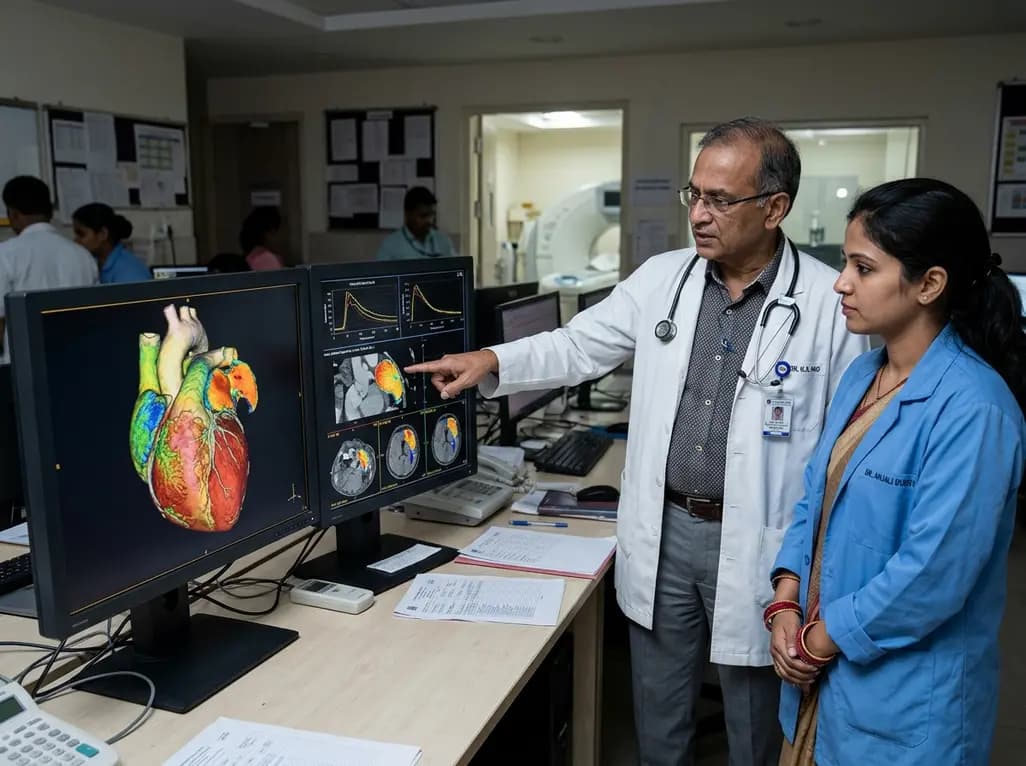
Dynamic contrast 4DCT enables precise mapping of left atrial appendage blood transport in atrial fibrillation. By quantifying regional stasis, wash-in kinetics, and residence time, this imaging advance offers clinician-tailored thromboembolic risk stratification beyond standard clinical scores.
Today
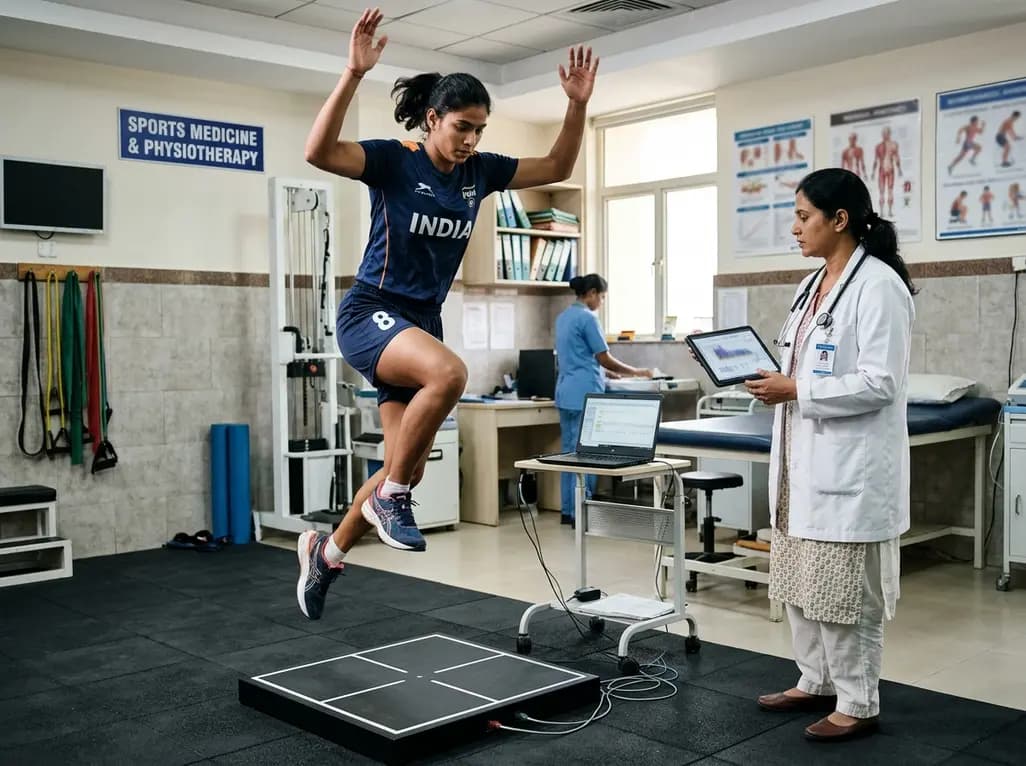
A systematic review and meta-analysis highlights the substantial impact of plyometric jump training on jump performance, reactive strength, and landing kinematics in female team-sport athletes, providing evidence-based programming guidelines for sports medicine and orthopedics.
Today
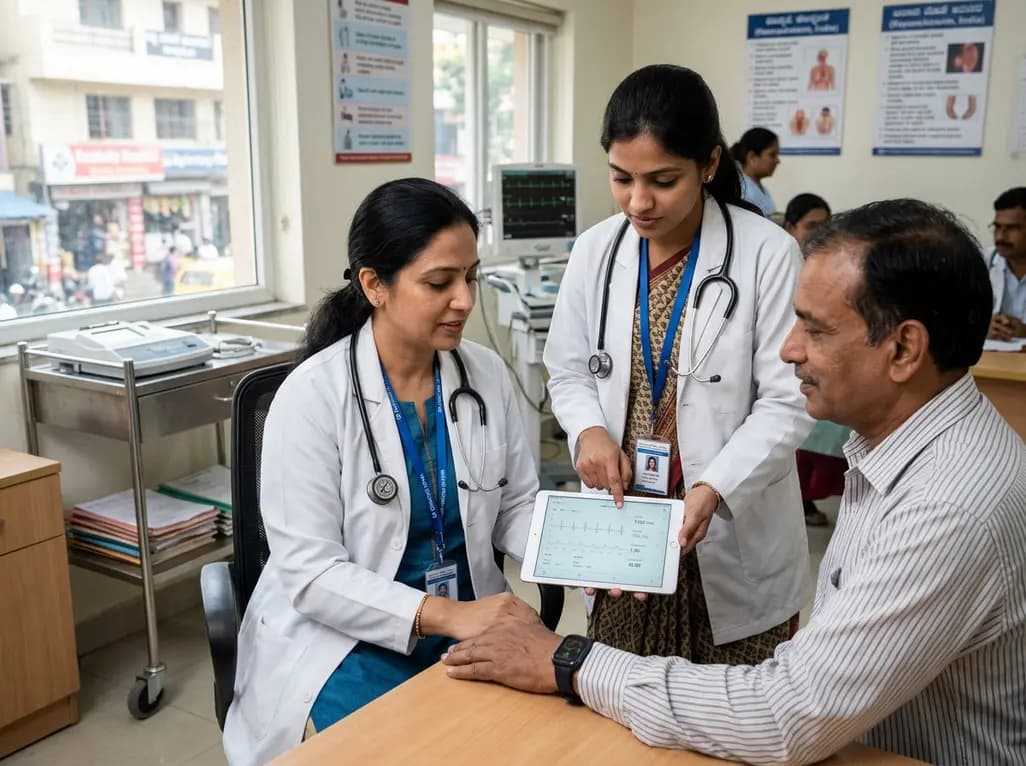
India is poised to transform chronic disease management through wearable health technology. Discover how continuous remote monitoring and predictive algorithms empower clinicians to detect early cardiovascular signals, personalize metabolic interventions, and deliver equitable preventive care across populations.
Today
