

Loading, please wait...
Loading, please wait...
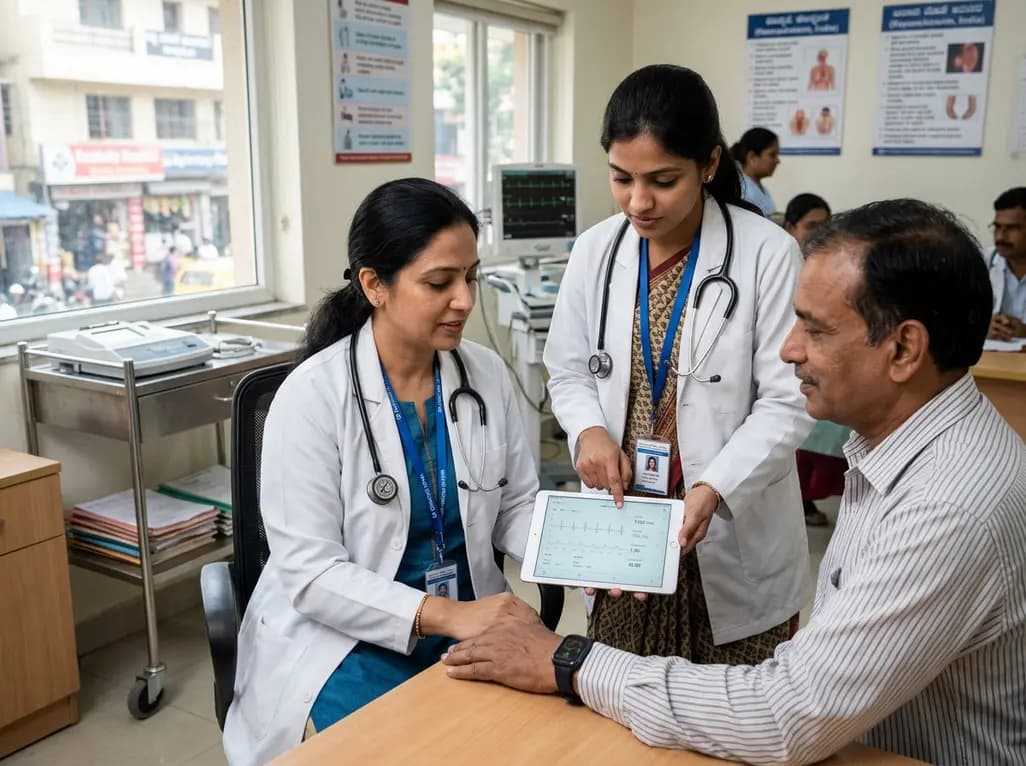
Modern medicine is witnessing an essential paradigm shift from reactive treatment to proactive risk mitigation. Today, wearable health technology stands at the forefront of this clinical transformation. Medical practitioners increasingly recognize that standard episodic consultations capture only brief snapshots of physiological status. Consequently, continuous biometric monitoring bridges vital diagnostic gaps between routine clinic appointments. In a diverse nation like India, technological integration provides remarkable opportunities to advance preventive care and enhance patient outcomes.
Historically, consumer fitness trackers merely calculated step counts and basic caloric expenditures. However, modern wearable devices now record high-fidelity clinical markers, including heart rate variability, continuous pulse oxygen saturation, and sleep architectures. Furthermore, these non-invasive monitors track autonomic stress responses with clinical precision. This technological progression provides physicians with actionable real-world evidence rather than isolated readings. Consequently, clinicians can identify subtle physiological deviations long before overt symptoms manifest in vulnerable individuals. When patients continuously wear these biometric sensors, healthcare providers obtain a dynamic, longitudinal perspective on cardiopulmonary health. Furthermore, this dynamic surveillance empowers clinicians to optimize medical therapy based on objective diurnal trends. Patients also become active collaborators in their therapeutic journeys because immediate biometric feedback fosters sustainable behavioral change. In addition, routine ambulatory data streams help reduce emergency hospitalizations by alerting physicians to impending clinical deterioration. Therefore, integrating wearable health technology into daily clinical workflows transforms traditional practice. Medical providers can seamlessly transition from managing acute crises to preserving baseline health. Ultimately, this proactive approach strengthens patient autonomy and establishes a more resilient primary care paradigm.
Understanding human disease requires a nuanced evaluation of internal biological predispositions and external environmental exposures. While genetic architecture establishes baseline vulnerabilities, lifestyle epigenetics actively determines phenotypic disease expression. For example, sustained physical inactivity, chronic psychosocial stress, and circadian rhythm disruption alter gene transcription over time. Wearable devices continuously capture the daily physiological repercussions of these lifestyle behaviors. Therefore, clinicians can clearly correlate daily epigenetic triggers with adverse autonomic fluctuations. Furthermore, machine learning algorithms can analyze these complex multivariate data points to uncover individual risk profiles. Instead of relying exclusively on static demographic guidelines, physicians can tailor non-pharmacological interventions to each patient's physiological tolerance. In addition, real-time feedback helps patients grasp how dietary modifications or sleep restoration influence their biometric stability. Consequently, epigenetic concepts move out of theoretical research into actionable clinical consultations. Clinicians can actively guide patients through personalized lifestyle modifications that downregulate harmful cardiovascular or metabolic pathways. Moreover, continuous biometric feedback reinforces positive compliance, validating the clinical benefits of daily health habits. By connecting epigenetic science with digital technology, practitioners can address chronic disease pathogenesis at its fundamental roots.
India possesses an ideal macroeconomic and digital ecosystem to expand preventive health initiatives at population scale. Widespread telecommunications connectivity now reaches the most remote geographic regions. In addition, progressive healthcare initiatives like Ayushman Bharat ensure broad financial coverage for vulnerable socioeconomic segments. Consequently, public and private healthcare systems can deploy interoperable digital health tools across vast demographics. Furthermore, the nation hosts exceptional software engineering talent capable of creating customized artificial intelligence algorithms. These native algorithms can process heterogeneous health data tailored to local genetic and socioeconomic contexts. Moreover, the massive domestic market provides tremendous opportunities to amortize technological development expenditures quickly. Healthcare organizations can thus deliver sophisticated digital therapeutics without imposing prohibitive financial burdens on patients. In addition, centralized digital architectures allow seamless data exchange between peripheral wearable sensors and electronic medical records. Therefore, hospital networks can effortlessly extend specialized care beyond physical institutional boundaries. By establishing strategic partnerships between medical providers and medtech innovators, India avoids remaining a passive consumer of foreign technology. Instead, the country actively pioneers indigenous preventive healthcare solutions that can serve as benchmarks globally.
Cardiovascular disorders and essential hypertension represent overwhelming disease burdens across the Indian subcontinent. Traditional hypertension management relies heavily on periodic sphygmomanometer readings recorded during infrequent clinical visits. However, isolated measurements frequently overlook nocturnal non-dipping patterns, white-coat hypertension, and acute blood pressure surges. In contrast, advanced wearable monitors track optical vascular waveforms and nocturnal hemodynamic shifts continuously. Consequently, physicians can identify malignant blood pressure trajectories days before an acute hypertensive crisis occurs. Furthermore, continuous heart rate variability tracking highlights sympathetic overactivity, which correlates closely with adverse cardiovascular events. When clinicians combine continuous arterial tracking with machine learning, they can refine pharmacotherapy with remarkable precision. For example, doctors can titrate antihypertensive agents to match specific diurnal elevations, maximizing cardiovascular protection. In addition, diabetic patients benefit significantly when continuous vascular metrics integrate with glycemic profiles. Wearable systems help clinicians identify concurrent metabolic decline, endothelial dysfunction, and early autonomic neuropathy. Therefore, proactive surveillance drastically lowers long-term risks of myocardial infarction, stroke, and renal impairment. Ultimately, continuous digital monitoring equips cardiologists and general practitioners to safeguard cardiovascular health through timely interventions.
Delivering high-quality healthcare to rural communities remains an enduring operational challenge across developing regions. Nevertheless, innovative community programs prove that wearable technologies can effectively bridge this geographic divide. For instance, the Grameen by Garmin initiative deployed digital monitoring watches to residents of Aragonda village in Andhra Pradesh. In this pioneering pilot, Apollo Hospitals monitored vital biomarkers in rural patients diagnosed with diabetes and hypertension. Consequently, remote clinicians tracked longitudinal physiological parameters without requiring villagers to travel extensive distances to urban medical centers. Furthermore, local health workers utilized synchronized dashboard summaries to conduct timely lifestyle counseling and medication reviews. This decentralized workflow demonstrates that advanced digital health tools are not exclusive luxuries for affluent urban populations. On the contrary, scalable wearable technology can fundamentally democratize primary preventive care across underserved populations. In addition, early identification of uncontrolled hypertension or glycemic dysregulation prevents costly emergency transfers and catastrophic health expenditures. Therefore, rural pilot projects offer scalable blueprints for nationwide chronic disease management. When health systems merge community outreach with remote sensing technology, equitable healthcare access transforms from an aspirational concept into clinical reality.
Q1: How does wearable health technology assist physicians in diagnosing asymptomatic hypertension?
Wearable devices track continuous photoplethysmography and pulse wave characteristics throughout daily activities and sleep. Consequently, these devices uncover nocturnal non-dipping blood pressure and morning surges that clinic visits consistently miss. Clinicians review these longitudinal data streams to confirm persistent vascular resistance before organ damage emerges. Furthermore, early detection enables prompt non-pharmacological interventions and targeted antihypertensive dosing.
Q2: What clinical advantages do continuous biometric trackers offer over traditional periodic check-ups?
Periodic check-ups capture isolated physiological snapshots, leaving substantial diagnostic gaps between consultations. In contrast, continuous trackers record real-world vitals, autonomic stress levels, and diurnal heart rate variability over thousands of hours. Therefore, physicians gain deep insights into how lifestyle factors affect chronic conditions. This continuous stream helps clinicians personalize therapeutic regimens and detect acute deteriorations earlier.
Q3: How feasible is the deployment of wearable health devices in rural Indian healthcare?
Rural deployment is increasingly feasible due to robust telecommunications connectivity, smartphone adoption, and scalable community health programs. Projects like the Aragonda village initiative demonstrate that rural patients successfully engage with digital watches to monitor hypertension and diabetes. Moreover, local health workers can interpret synchronized data to triage high-risk cases, ensuring equitable primary care delivery.
Disclaimer: This content is for informational and educational purposes only. It does not constitute medical advice or replace professional judgment. Refer to the latest local and national guidelines for clinical practice.
References

Read summarized clinical updates, watch expert medical content, and earn CME certifications right from your smartphone.
Open your smartphone camera to scan and install.





India is poised to transform chronic disease management through wearable health technology. Discover how continuous remote monitoring and predictive algorithms empower clinicians to detect early cardiovascular signals, personalize metabolic interventions, and deliver equitable preventive care across populations.
Today
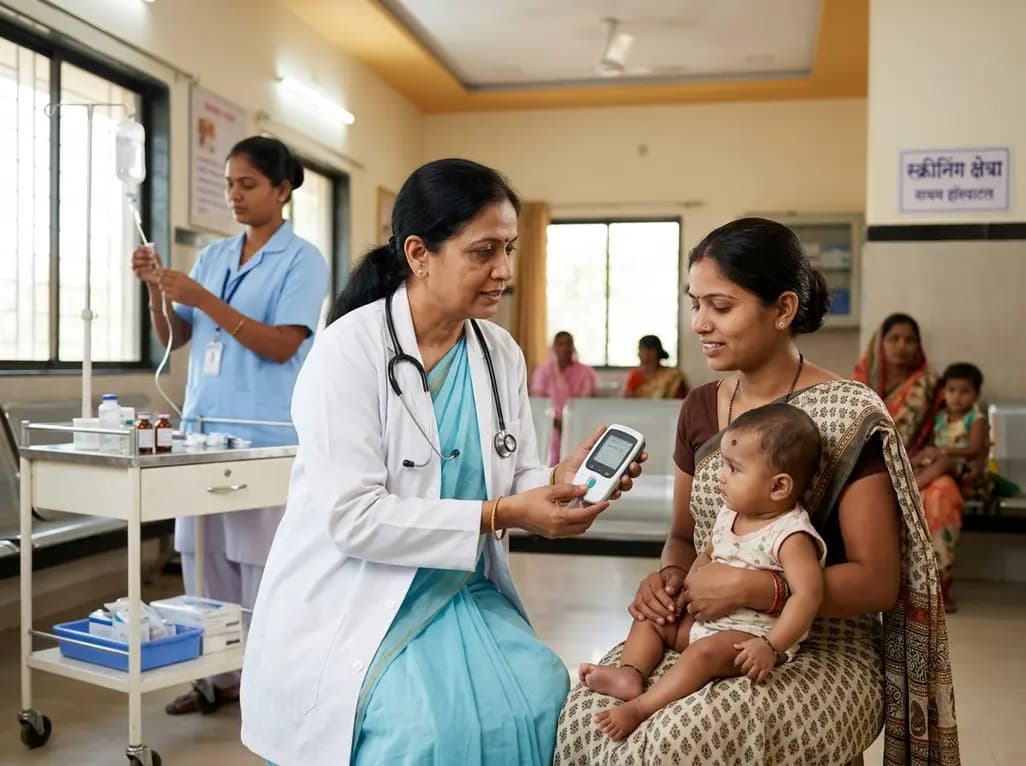
Maharashtra has launched a comprehensive initiative to halve anaemia prevalence across high-risk groups by 2030. The public health strategy integrates aggressive screening, point-of-care diagnostics, parenteral iron therapies, and targeted interventions for nutritional deficits and underlying hemoglobinopathies.
Today
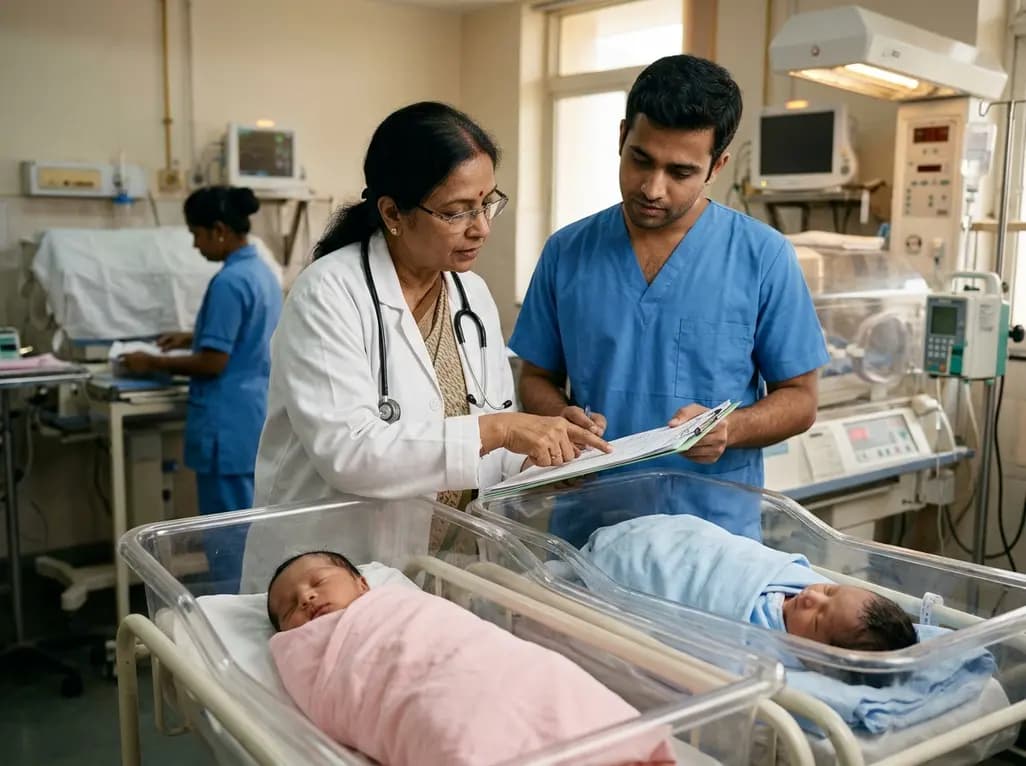
A secondary analysis of the MOMS clinical trial reveals that infant sex does not influence neonatal opioid withdrawal syndrome severity in buprenorphine-exposed newborns. Maternal co-exposures and clinical factors drive outcomes, highlighting the need for objective assessment and supportive breastfeeding.
Today
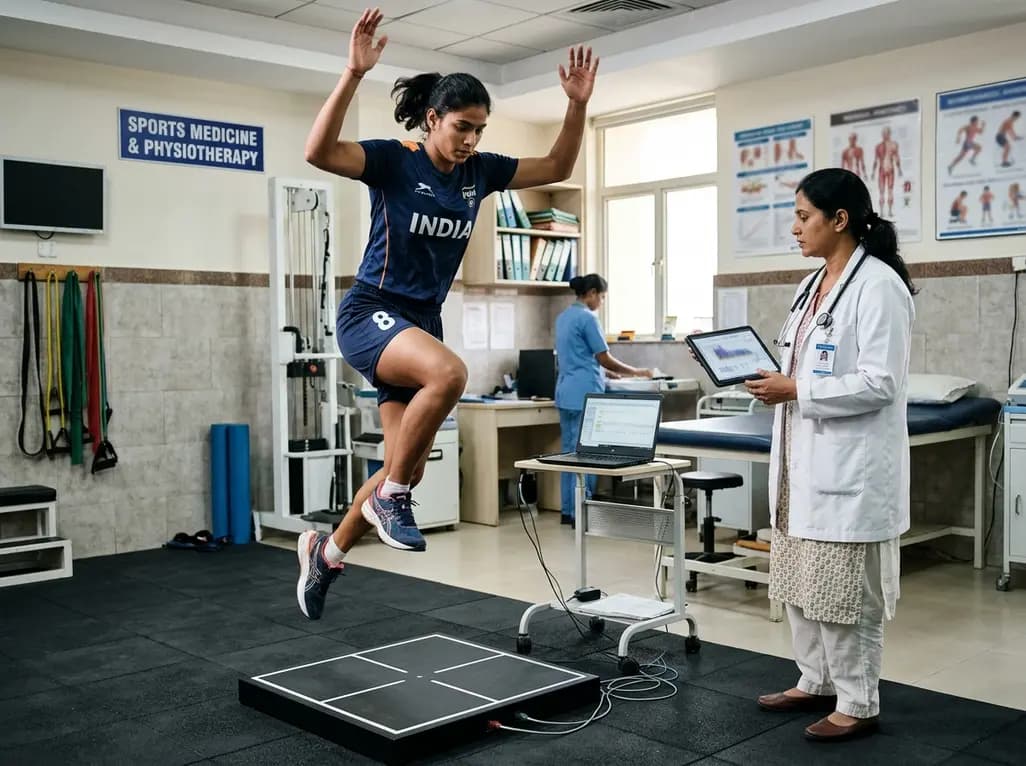
A systematic review and meta-analysis highlights the substantial impact of plyometric jump training on jump performance, reactive strength, and landing kinematics in female team-sport athletes, providing evidence-based programming guidelines for sports medicine and orthopedics.
Today
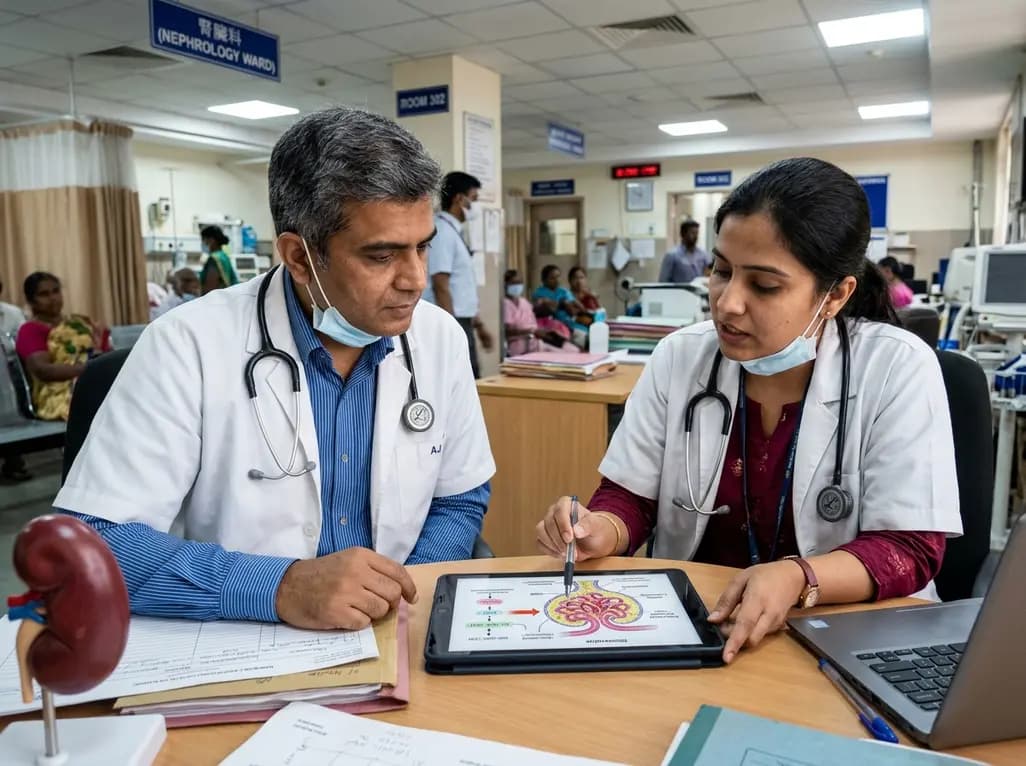
A comprehensive review of the role of growth hormone in diabetic kidney disease and podocytopathy. Learn how elevated GH activates ZEB2, Notch, and TGF-beta1, driving podocyte loss and glomerulosclerosis, and explore novel targeted therapeutic approaches.
Today
