.webp&w=384&q=75)

Loading, please wait...
Loading, please wait...
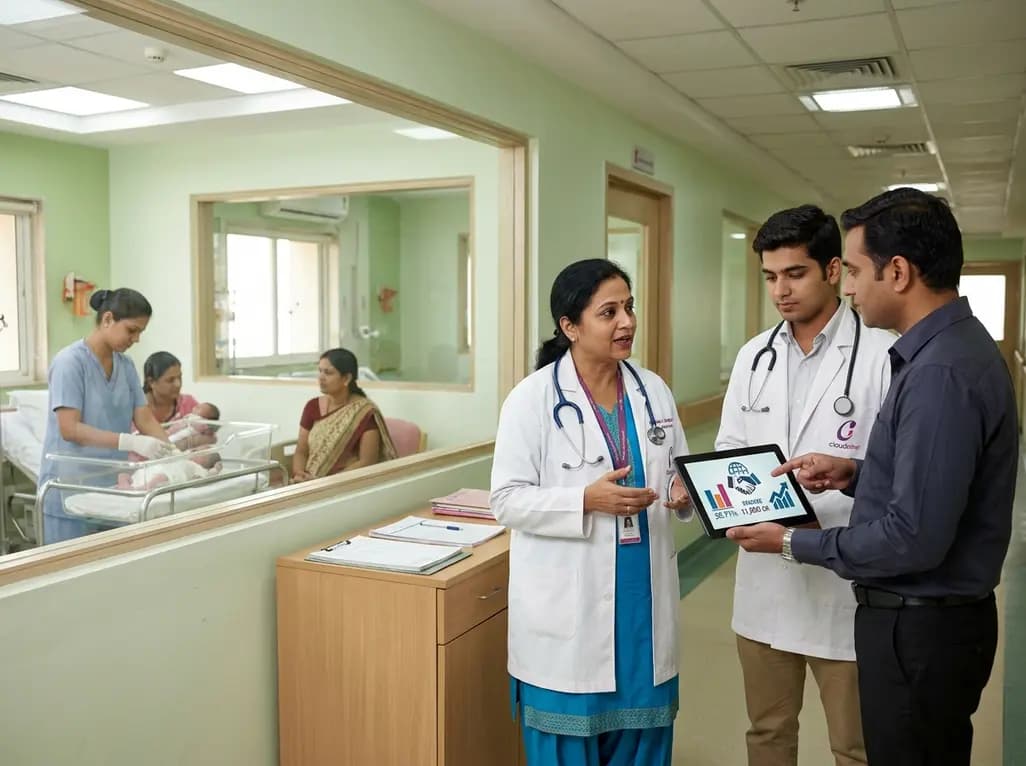
The Indian private healthcare ecosystem is witnessing substantial consolidation and capital infusion, particularly within single-specialty clinical segments. In a major strategic move, global private equity firm Permira has formally moved to acquire a 25.71% stake in Kids Clinic India Limited (KCIL), the operating company behind Cloudnine Hospitals. Consequently, this high-profile Cloudnine Hospitals acquisition establishes an enterprise valuation of approximately ₹11,000 crore for the country’s leading maternal, neonatal, and pediatric healthcare network. The transaction highlights the accelerating commercial and clinical importance of organized maternal-fetal and pediatric services across urban India.
According to the official regulatory notice submitted to the Competition Commission of India (CCI), Permira intends to execute this transaction through NuageLux BidCo, an entity incorporated under Luxembourg law. Furthermore, the buyout major will acquire the roughly 25% shareholding previously held by private equity investor True North Capital, marking a profitable secondary exit after more than a decade of involvement. In addition, Permira successfully emerged ahead of several rival bidders, including TPG Capital, during competitive bidding rounds that concluded earlier this summer.
The regulatory filing openly identified a potential vertical relationship between the transacting parties, though parties characterized it as indirect and minuscule. Specifically, a separate entity controlled by Permira operates in the manufacturing and wholesale distribution of pharmaceutical formulations in India, representing the upstream market. Meanwhile, Kids Clinic India Limited operates in the downstream clinical delivery sector, administering specialized hospital care. Therefore, the statutory review process by the CCI will evaluate competitive parity and ensure market transparency across both segments.
Founded in 2006 by senior neonatologist Dr. R. Kishore Kumar along with his co-founders, Cloudnine has transformed from a single center into an expansive national network. Today, the chain delivers integrated healthcare encompassing obstetrics, gynecology, fetal medicine, advanced fertility solutions, and tertiary neonatal intensive care. The steady injection of private capital has directly accelerated the group's capacity to build advanced infrastructure. For instance, modern labor suites, Level III neonatal intensive care units (NICUs), and specialized fetal surgical suites require substantial capital investments.
Moreover, this incoming investment arrives alongside another decisive consolidation move by Kids Clinic India Limited. The hospital operator is actively finalizing the acquisition of Apollo Specialty Hospitals Private Limited and Apollo Fertility Centre Private Limited from Apollo Health and Lifestyle Limited. Once approved, this integration will assimilate Apollo Cradle and Apollo Fertility facilities into the Cloudnine operational fold. Consequently, the combined entity will operate dozens of clinical centers nationwide, expanding its physical reach across major metropolitan hubs and tier-1 cities.
For medical practitioners, structural ownership shifts in large hospital networks bring notable changes to clinical operations and practice environments. Private equity backing often standardizes clinical workflows, enhances digital health infrastructure, and upgrades biomedical equipment. Consequently, clinicians benefit from modernized operating theaters, centralized electronic medical records, and sophisticated fetal monitoring systems. Moreover, organized chains frequently institute robust clinical governance protocols, which streamline multidisciplinary collaboration between obstetricians, anesthetists, and neonatologists.
However, corporate consolidation also introduces critical discussions regarding institutional autonomy and clinical decision-making. Physicians working within expanding hospital chains must consistently balance productivity benchmarks with evidence-based medicine. Therefore, preserving professional judgment remains paramount, especially in high-risk pregnancy management and neonatal care where clinical nuances dictate patient outcomes. Hospital management teams must ensure that business optimization strategies support, rather than constrain, clinical discretion and medical ethics.
The latest transaction reflects a broader trend of private equity capital pivoting aggressively toward single-specialty healthcare models in India. Historically, multi-specialty tertiary care hospitals attracted the lion’s share of institutional capital. However, investors now recognize that dedicated single-specialty formats, including maternity, ophthalmology, oncology, and nephrology, offer streamlined operational efficiency and faster payback periods. Furthermore, consumer demand for personalized, hospitality-driven birthing experiences has surged across urban demographics.
In addition, the expanding penetration of private health insurance and rising disposable incomes have made high-quality birthing and pediatric care accessible to a broader middle-class demographic. As a result, investors view mother-and-child healthcare platforms as resilient, high-growth assets capable of sustained geographical scalability. This steady capital flow will likely encourage further mergers, acquisitions, and regional partnerships throughout the Indian healthcare landscape over the next decade.
As corporate hospital chains scale via acquisitions, regulatory scrutiny from bodies like the CCI ensures fair market competition and prevents predatory pricing practices. Consequently, transparent disclosures regarding supply chain relationships, including upstream pharmaceutical ties, protect both patients and independent providers. Furthermore, the combination of robust capital and stringent regulatory governance fosters sustainable institutional growth across the private medical sector.
Looking ahead, the expansion of well-capitalized hospital chains will likely redefine maternal and pediatric care delivery standards across India. Clinicians can anticipate greater investment in subspecialty training, clinical research registries, and cutting-edge medical technologies. Ultimately, these structural changes must aim to elevate the quality of maternal-fetal outcomes, lower neonatal morbidity, and enhance patient safety throughout the country.
Q1: What percentage stake is Permira acquiring in Kids Clinic India Limited?
Permira has formally filed with the Competition Commission of India to acquire a 25.71% stake in Kids Clinic India Limited, the parent company of Cloudnine Hospitals. The private equity firm is purchasing this significant minority holding from existing investor True North Capital via a Luxembourg-based investment entity named NuageLux BidCo.
Q2: What is the current overall valuation of Cloudnine Hospitals under this deal?
The proposed transaction values Kids Clinic India Limited at approximately ₹11,000 crore. This substantial valuation reflects the strong commercial growth, expanding physical presence, and rising demand for premium single-specialty maternal and child healthcare services across metropolitan and tier-1 cities in India.
Q3: How does Cloudnine's acquisition of Apollo Cradle impact its network?
Kids Clinic India Limited is currently acquiring Apollo Specialty Hospitals and Apollo Fertility Centre from Apollo Health and Lifestyle. Once cleared by regulatory authorities, this strategic acquisition will integrate Apollo Cradle and Apollo Fertility into the Cloudnine network, expanding its operational footprint across India.
Disclaimer: This content is for informational and educational purposes only. It does not constitute medical advice or replace professional judgment. Refer to the latest local and national guidelines for clinical practice.
References

Read summarized clinical updates, watch expert medical content, and earn CME certifications right from your smartphone.
Open your smartphone camera to scan and install.





Global private equity firm Permira has filed with the Competition Commission of India to acquire a 25.71% stake in Kids Clinic India Limited, the operator of Cloudnine Hospitals, in a deal valuing the maternal and child healthcare chain at approximately ₹11,000 crore.
4 weeks back
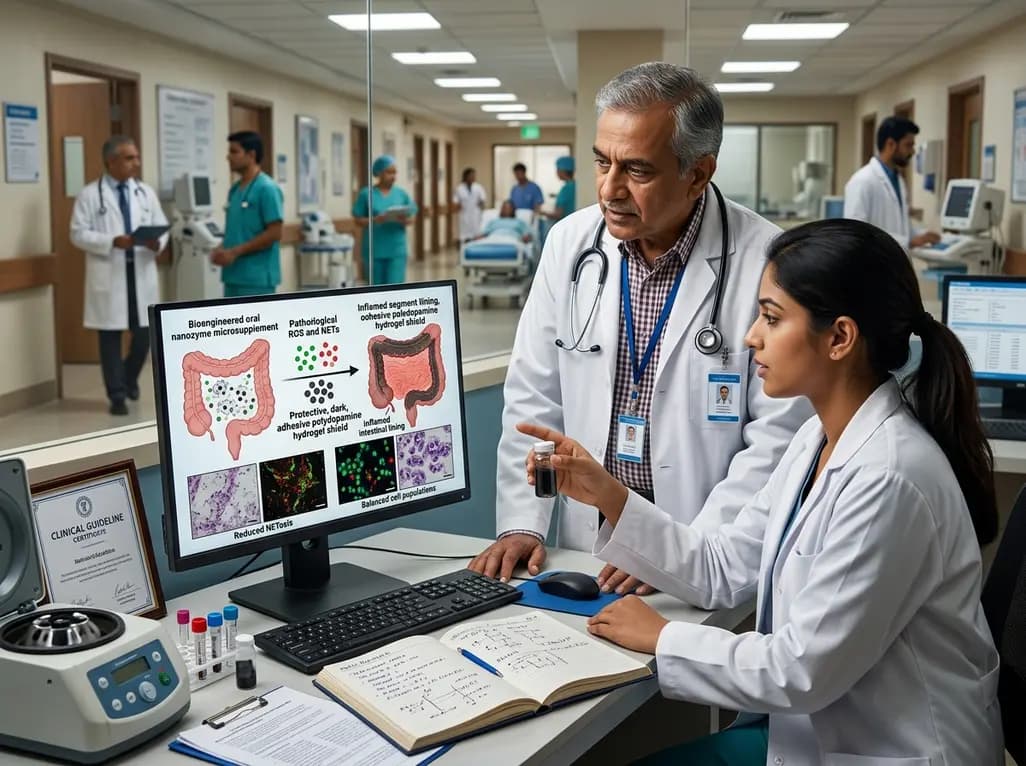
A bioengineered oral nanozyme microsupplement converts pathological ROS into a protective polydopamine hydrogel shield. By curbing neutrophil extracellular traps and balancing T cells, this platform outperforms standard 5-ASA in preclinical colitis models, opening new paths for sustained remission.
Today
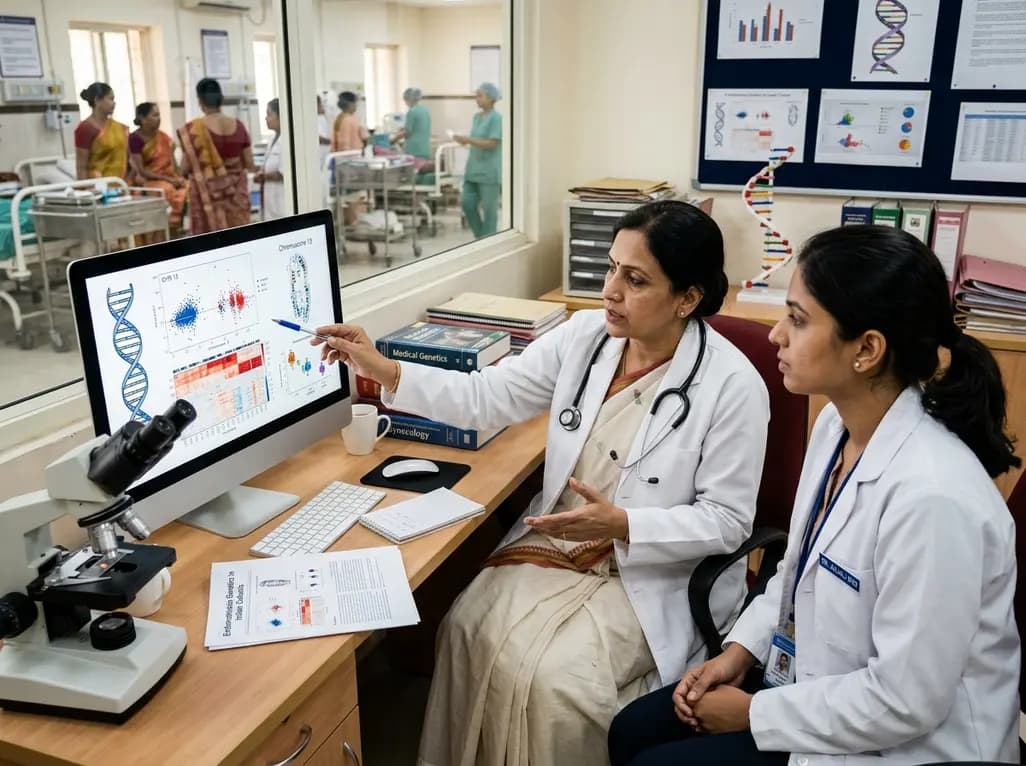
Endometriosis affects millions of women across India, yet diagnostic delays frequently exceed five years. Recent multi-centre genomic research has identified 21 novel genetic regions, notably on chromosome 13, establishing crucial population-specific insights to transform clinical screening and therapeutic strategies.
Today
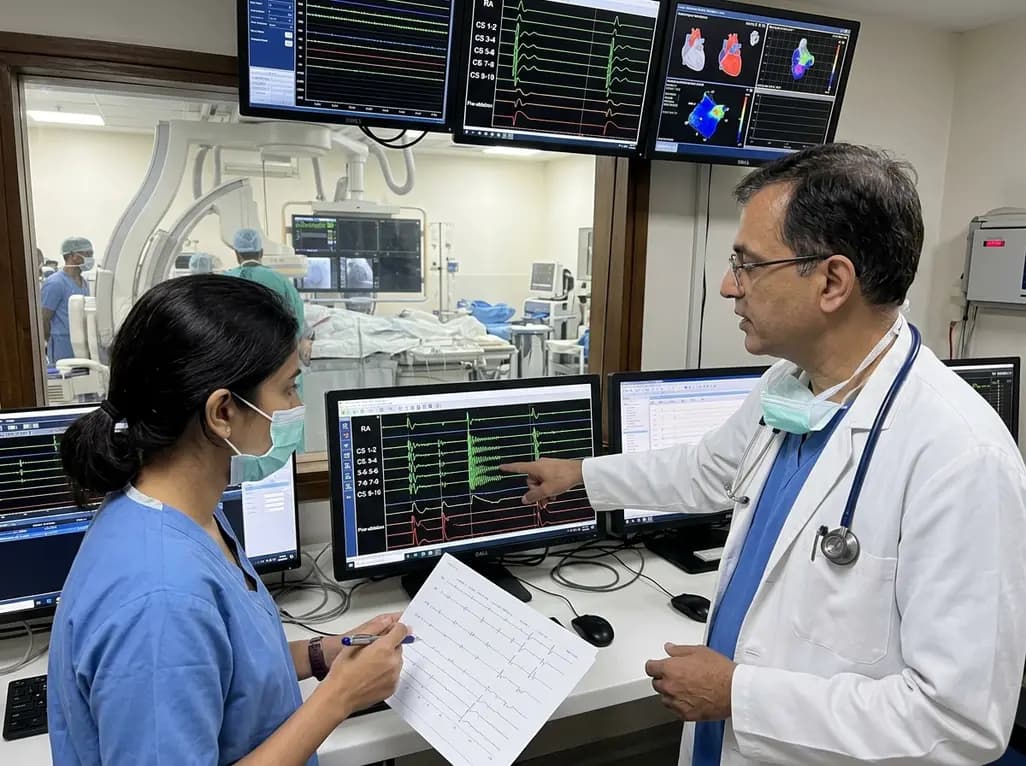
Radiofrequency catheter ablation of the cavotricuspid isthmus successfully terminates typical atrial flutter. This article reviews the mechanisms driving coronary sinus electrogram changes, wavefront activation pathways, and clinical criteria to verify bidirectional block during electrophysiology studies.
Today

A study comparing four knee flexion strength tests after ACL reconstruction using hamstring tendon autografts reveals marked variability in limb symmetry indices. Clinicians must recognize that different strength testing modalities yield divergent return-to-sport clearance rates.
Today
A breakthrough study leverages natural language processing to accurately identify incident medication-related osteonecrosis of the jaw and track antiresorptive drug holidays from clinical narratives in electronic health records, advancing osteoporosis pharmacovigilance and dental safety.
Yesterday
