.webp&w=384&q=75)

Loading, please wait...
Loading, please wait...

Dental professionals are increasingly exploring natural alternatives for pediatric oral care to avoid the long-term side effects of synthetic agents. A recent study highlights the potential of Pelargonium Graveolens gold nanoparticles as an effective antimicrobial mouthwash for children. While chlorhexidine remains a clinical gold standard, its use is often limited by staining and taste alterations. Consequently, researchers investigated this novel herbal formulation to assess its impact on gingivitis and microbial load in young patients.
The study involved sixty participants with mild to moderate gingivitis who were randomly allocated to receive either the novel herbal mouthwash or chlorhexidine for three weeks. Researchers measured clinical parameters, specifically the plaque index and gingival index, at weekly intervals. Furthermore, they performed microbiological analyses to track changes in Streptococcus mutans levels. Therefore, the investigation provided a comprehensive look at both the visual clinical signs and the underlying bacterial causes of oral disease.
Results indicated that the treatment group experienced a significant reduction in gingival index scores compared to the control group. Moreover, the microbiological examination revealed a substantial depletion in S. mutans counts by the final visit. While the plaque scores were significantly lower in the study group, the most striking finding was the effective improvement in overall oral health status. Consequently, these biogenic nanoparticles demonstrate a powerful potential for modern pediatric dentistry.
Integrating herbal alternatives like Pelargonium Graveolens gold nanoparticles could revolutionize how clinicians manage pediatric gingivitis. Additionally, the green synthesis of these gold nanoparticles using leaf extract makes them an environmentally sustainable option. Because children are often sensitive to the harsh taste of traditional mouthwashes, herbal-based nano-platforms may also improve patient compliance. In addition, the anti-inflammatory properties of Pelargonium Graveolens further support tissue healing in the oral cavity.
This clinical trial demonstrated that the mouthwash was effective and well-tolerated in children aged 7 to 14 years. However, parents should always consult a pediatric dentist before introducing new herbal or nanoparticle-based oral care products into a child's routine.
The research found that Pelargonium Graveolens gold nanoparticles significantly reduced gingival inflammation and S. mutans counts. It performed competitively against chlorhexidine, offering a promising alternative with potentially fewer side effects like tooth staining.
Disclaimer: This content is for informational and educational purposes only. It does not constitute medical advice or establish a doctor-patient relationship. Always seek the advice of a qualified healthcare provider for any medical concerns. Refer to the latest local and national guidelines for clinical practice.
References
Asker AYM et al. Antimicrobial Efficacy of Pelargonium Graveolens Gold Nanoparticles: A Novel Mouthwash for Children. Int J Dent Hyg. 2026 Apr 26. doi: 10.1111/idh.70071. PMID: 42036760.
Cocoș DI et al. Perspectives on the Use of Geranium Essential Oil: Pelargonium Graveolens and Pelargonium Roseum, in Dental Medicine. Rom J Med Dent Educ. 2023;12(2):23-28.
Mahdi AY. Green synthesis of gold nanoparticles using Pelargonium Graveolens leaf extract: characterization and anti-microbial properties (An in-vitro study). F1000Research. 2024;13:614.

Read summarized clinical updates, watch expert medical content, and earn CME certifications right from your smartphone.
Open your smartphone camera to scan and install.





A study shows Pelargonium Graveolens gold nanoparticles effectively reduce gingivitis and S. mutans in children, offering a natural alternative for oral hea...
5 months ago

The 2026 KASID guidelines outline evidence-based recommendations for Crohn's disease medical management. Covering advanced biologics, small molecules, biosimilars, and individualized therapeutic strategies, the update helps clinicians optimize long-term remission and mucosal healing in adult patients.
Today

A KGMU study reveals over half of women with breast abnormalities fail to undergo diagnostic confirmation, leading to advanced-stage detection. Discover the socio-cultural barriers, clinical risks of incomplete resection, and community-level solutions needed to bridge the critical screening-to-diagnosis gap in India.
Today
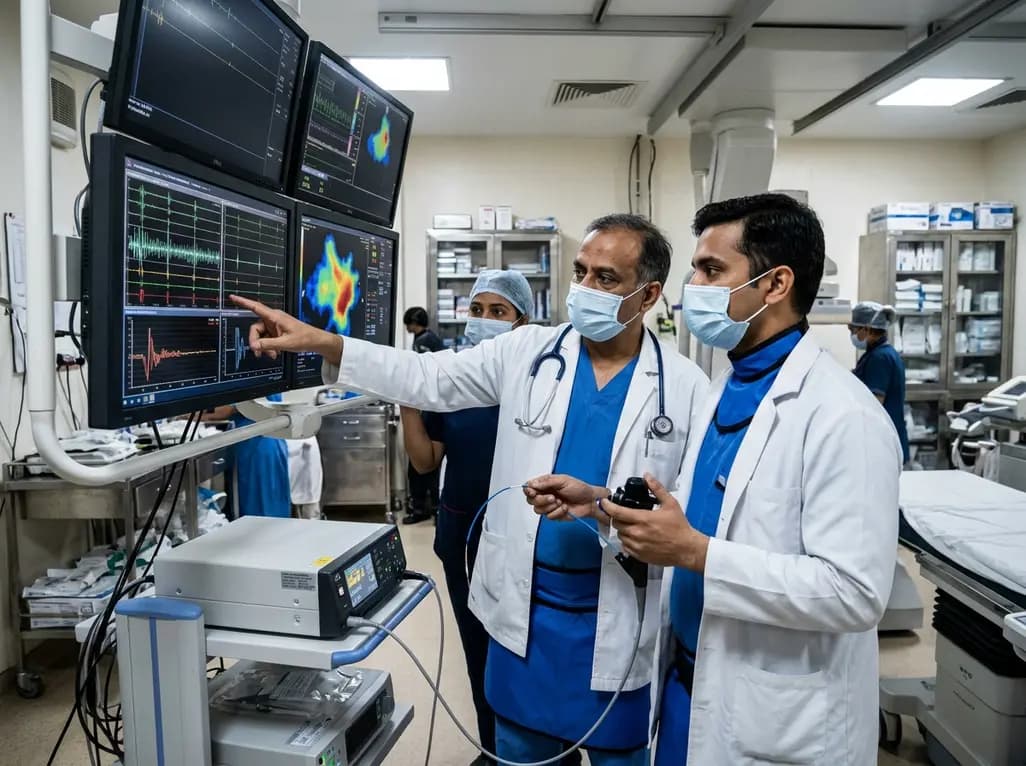
A comparative non-contact study reveals that high-power radiofrequency delivery with the QDOT MICRO catheter induces an artifactual contact force rise. Electrophysiologists must understand this power-dependent thermal and electrical phenomenon to avoid inadvertent catheter withdrawal and ineffective ablation.
Today

A novel proof-of-concept study presents a six-degree-of-freedom articulated manikin neck equipped with linear potentiometers. The system provides real-time kinematic motion feedback during cervical immobilisation, delivering sub-degree tracking accuracy to improve pre-hospital trauma training and patient safety.
Today
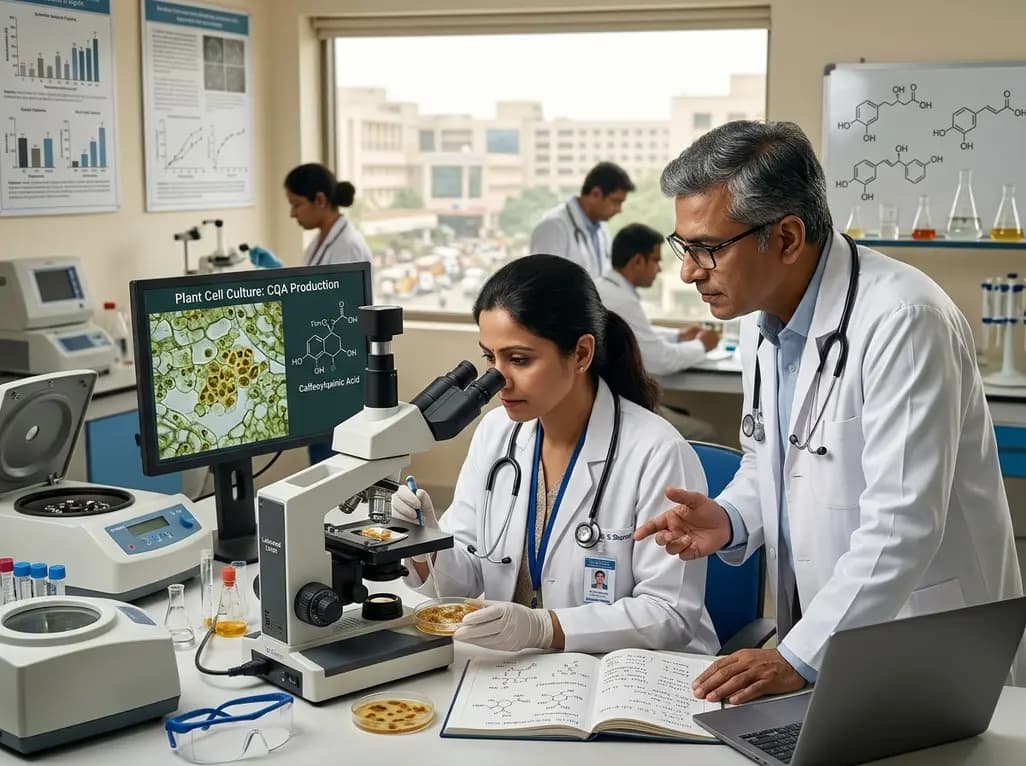
Caffeoylquinic acids, such as chlorogenic acid, offer broad antioxidant, antidiabetic, and anti-inflammatory properties. Advanced plant cell and organ culture methods now enable scalable, sustainable, and pure production of these high-value therapeutic metabolites for pharmaceutical and clinical applications.
Today
